Hurpesch Castle
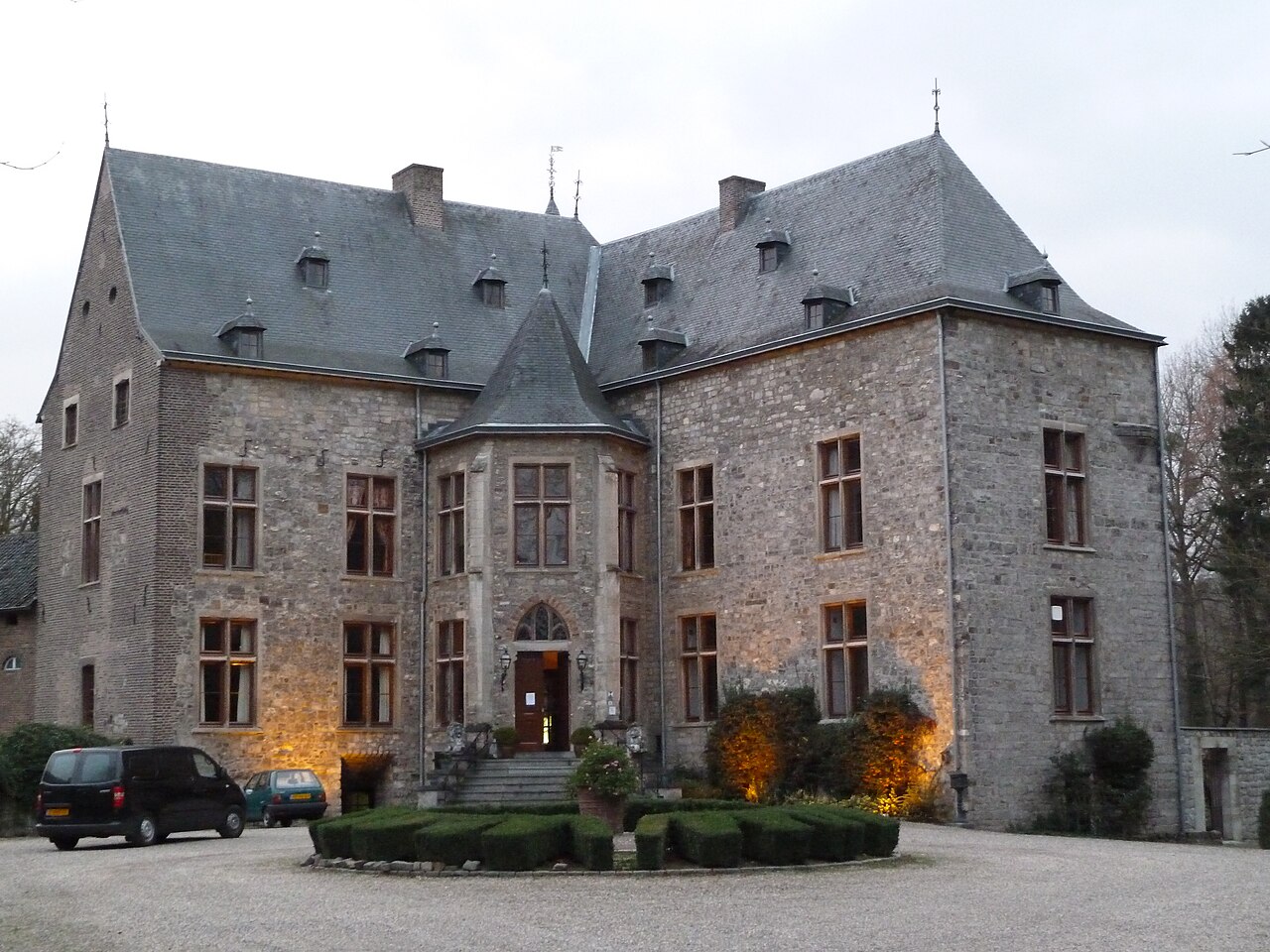
Hurpesch Castle is a historically significant site located near the village of Hurpesch within the municipality of Gulpen-Wittem in the Netherlands. Nestled along the Geul river, this castle began as a medieval fortified residence likely constructed by European nobility during the High Medieval period. Although no visible remains of the original stone castle survive above ground, archaeological evidence and historic documents provide a detailed understanding of its layout, ownership, and evolution over several centuries.
Early history and ownership
The earliest known record of Hurpesch Castle dates back to 1325, when it was held as a fief from the Duke of Brabant by Gilles van Horpesch. This connection to the Duchy of Brabant situates the castle within the broader feudal network of the Low Countries during the late Middle Ages. The Van Horpesch family maintained control of the estate for nearly two centuries, reflecting a stable lineage and the castle's role as a local noble seat.
Through the 15th and 16th centuries, the Van Horpesch family continued to hold the property, underscoring the castle’s importance in regional governance and landholding. From the 17th century onward, the estate passed through the hands of several noble families, including the Van de Hove tot Berlieren, Von Berchem, Van Veucht, and eventually the De Ben family. These ownership transitions reflect typical patterns of noble land tenure and inheritance in the Limburg region during the early modern era.
Architectural layout and defensive features
Archaeological investigations have revealed that Hurpesch Castle was strategically situated on a nearly circular island approximately 50 meters in diameter, surrounded by a water-filled moat. This moat was fed by the nearby Klitserbeek stream, which converges with the Geul river close to the castle site. The island and moat configuration clearly indicate a defensive purpose, typical of medieval fortifications designed to protect the noble residence.
The original fortified residence was positioned on the island's southern side, where the moat reaches its greatest width of about 40 meters, providing a formidable natural barrier. Narrower moat sections, about 10 meters wide, protected the northern and eastern sides. The northern perimeter likely contained the main entrance, leading through an outer bailey—an enclosed courtyard used for defense and service functions.
Moat and island structure
The moat surrounding the island varies in depth from approximately 1 to 1.6 meters and remains prominently visible, especially along the southern edge. This water barrier, combined with rows of trees bordering the site, preserves the castle’s historic landscape setting and defensive design. The moat’s preservation offers valuable insights into medieval water management and fortification strategies in the region.
The outer bailey and farmstead evolution
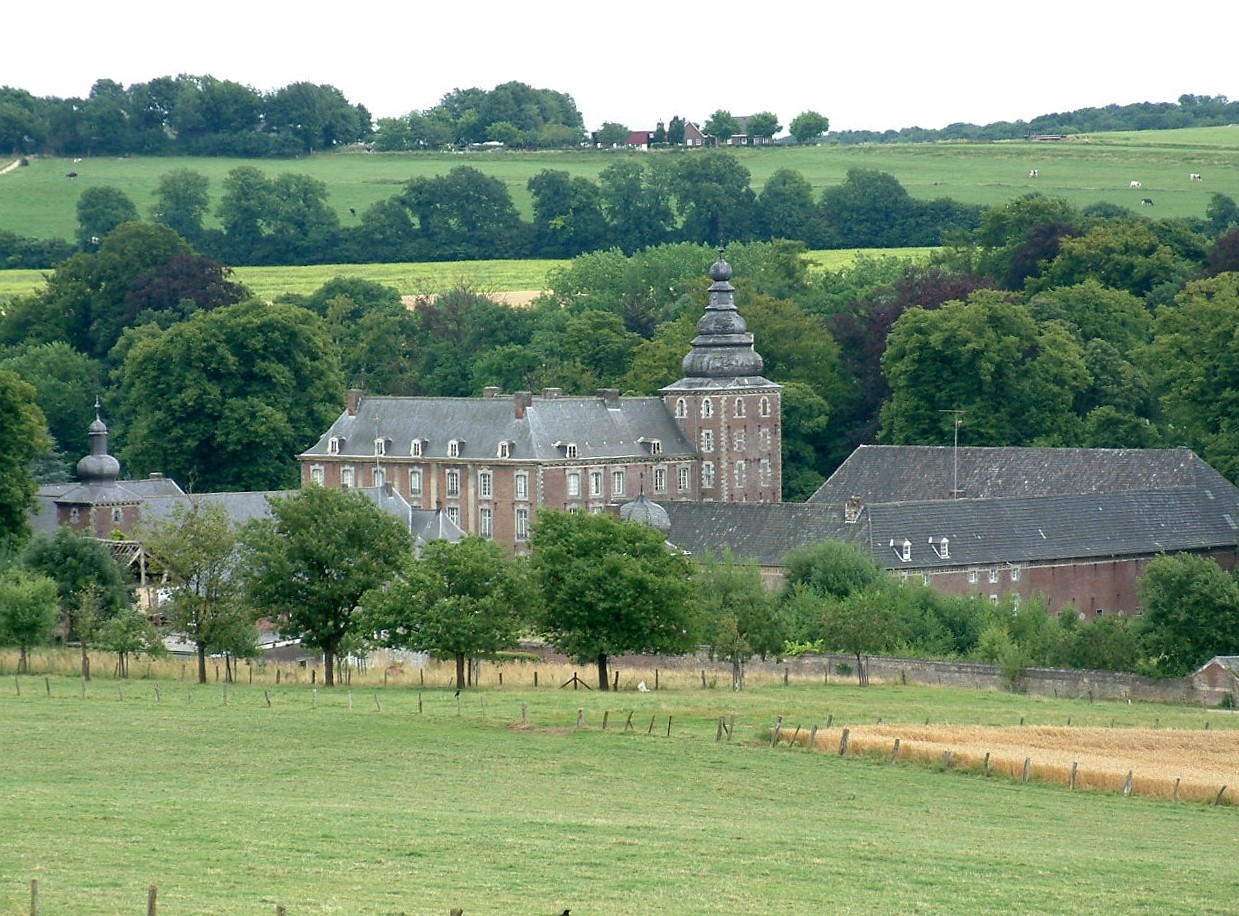
While the medieval castle no longer stands, the northern side of the island now supports a group of timber-framed farm buildings dating from the 18th and 19th centuries. These structures, including an elongated timber-framed house with distinctive two-light windows and parallel outbuildings used as barns and storage, represent the site's transition from a fortified noble residence to an agricultural estate.
This evolution reflects broader socio-economic changes in Limburg, where many medieval castles were repurposed or replaced by farmsteads as military threats diminished and agricultural productivity became paramount. The farmstead's mostly enclosed layout, as depicted in early 19th-century cartographic records, illustrates continued use and adaptation of the historic site.
Historical significance and preservation
Hurpesch Castle holds substantial historical and archaeological value as a testament to medieval noble life and defensive architecture in the Netherlands. Although the original stone structures have not survived above ground, the site’s moat, island layout, and later farm buildings provide a layered narrative of continuity and change from the 14th century through the 19th century.
Today, the ensemble of timber-framed buildings and the surrounding moat are recognized as a national monument, underscoring their importance in preserving the cultural heritage and landscape history of Limburg. The site serves as an educational resource for understanding medieval fortification methods, noble estate management, and rural architectural traditions in the region.
Archaeological research and landscape context
Ongoing archaeological research continues to shed light on the castle’s original form and function. The nearly circular island and water defenses are characteristic of hill castles adapted to the local topography and hydrology. The proximity to the Geul river and Klitserbeek stream not only provided defensive advantages but also influenced the estate’s agricultural viability and settlement patterns.
The preservation of the moat and farmstead buildings offers a unique glimpse into the adaptive reuse of medieval sites in the Netherlands, illustrating how defensive structures were integrated into evolving rural economies and landscapes over centuries.
Frequently asked questions (FAQ)
- When was Hurpesch Castle first recorded in history?
- Hurpesch Castle was first recorded in 1325 when it was held as a fief from the Duke of Brabant by Gilles van Horpesch.
- What defensive features did Hurpesch Castle have?
- The castle was situated on a nearly circular island surrounded by a water-filled moat fed by the Klitserbeek stream, with the moat reaching up to 40 meters wide on the southern side.
- What remains can visitors see today at the Hurpesch Castle site?
- Visitors can observe the moat surrounding the island and the 18th- and 19th-century timber-framed farmstead buildings that replaced the medieval castle.
- How did the castle evolve over time?
- Originally a fortified noble residence, Hurpesch Castle transitioned into a timber-framed farmstead by the 18th and 19th centuries, reflecting changes in land use and defense needs.
- Is Hurpesch Castle recognized for its heritage value?
- Yes, the site is designated as a national monument, acknowledging its historical, architectural, and archaeological significance in Limburg.
Information
Website
Visit websiteSources & official resources
Verify the information above using these authoritative references.
Loading map...
Visitor reviews
No reviews yet. Been here? Write the first review and help other travelers!
Write the first reviewVisited this castle? Share your experience
Your review helps other travelers and adds first-hand knowledge to our encyclopedia.