Lebenberg Castle
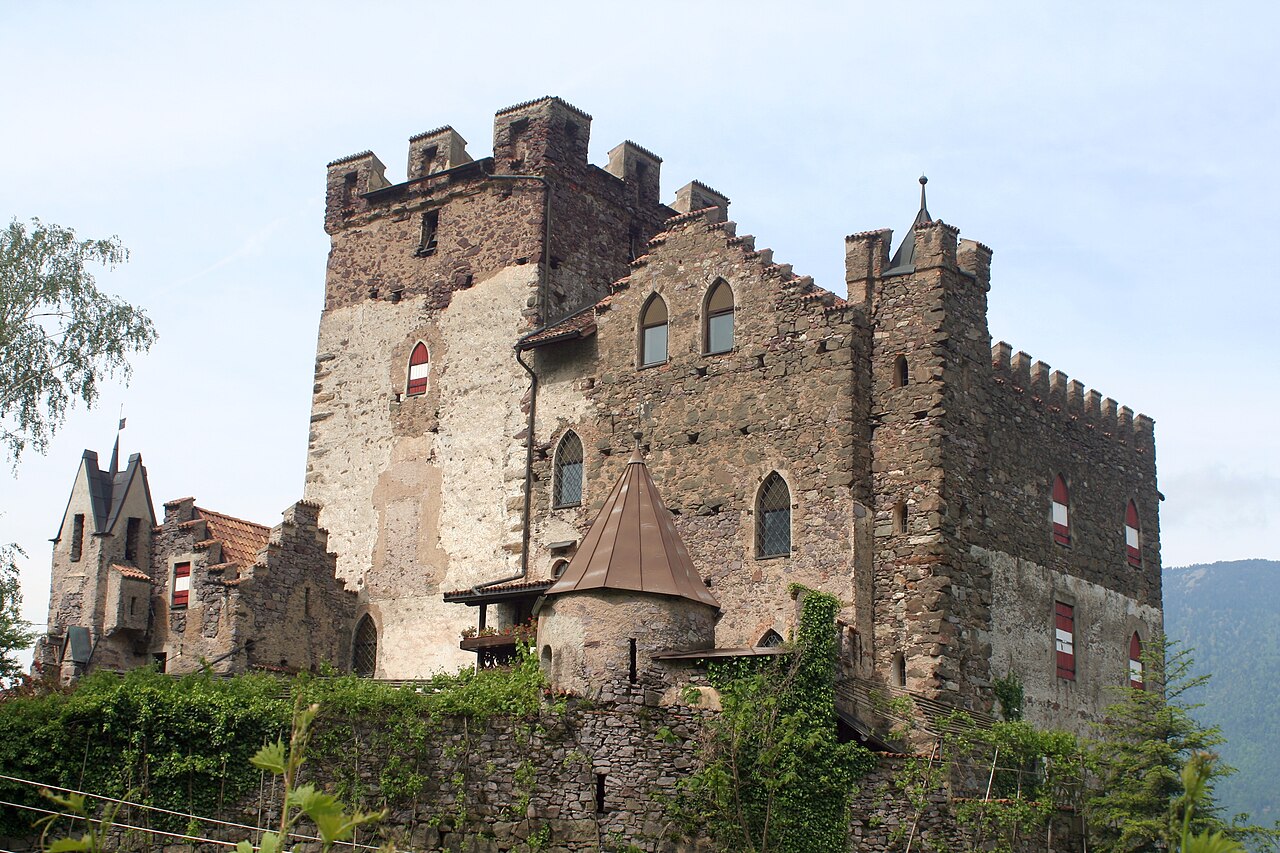
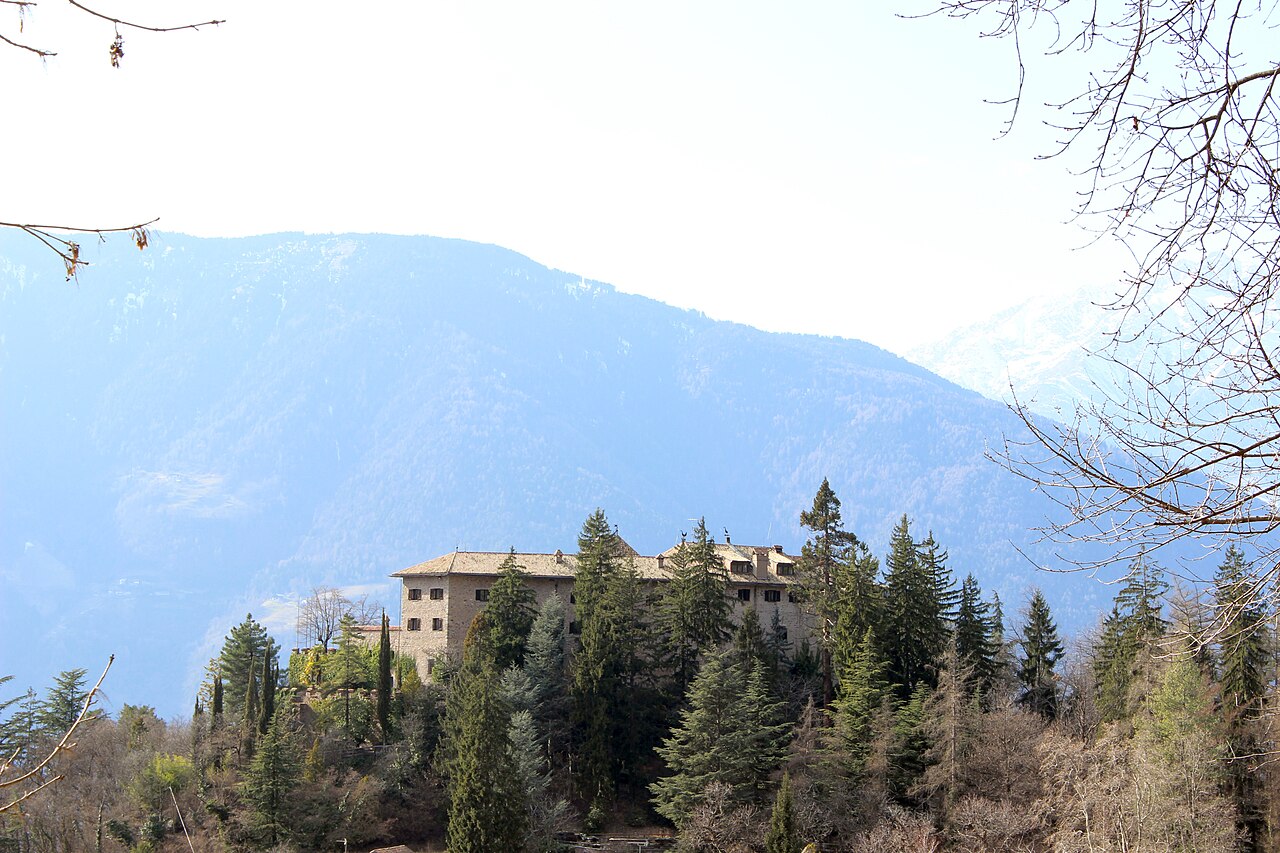
Lebenberg Castle is a notable hill castle situated amidst the vineyards on the slopes of the Marlinger mountain in Tscherms, Italy. Constructed in the 13th century by Herrn von Marling, the castle originally served as a fortified residence typical of the high medieval period. Over the centuries, particularly during the 16th and 17th centuries, the castle underwent significant adaptations and expansions, evolving into a grand palace that reflects the architectural transitions from medieval fortification to Renaissance residential style.
Historical development and ownership
The castle's foundation in the high medieval era marks it as a strategic stronghold in the region, overseeing the surrounding agricultural lands and trade routes. Initially built to serve the noble Marling family, Lebenberg Castle later passed into the hands of the Fuchs family, who maintained ownership for over 12 generations until 1826. This long tenure is notably commemorated in a remarkable fresco in the knight’s hall, which illustrates the genealogical tree of the Fuchs family, offering a visual history of the lineage and its lasting influence on the castle's legacy.
Architectural features and expansions
The castle's original medieval fortifications included robust stone walls, defensive battlements, and a commanding keep typical of hill castles constructed during this period. The subsequent expansions in the Renaissance period introduced more elaborate residential quarters, transforming the fortress into a palace of impressive size and comfort. These modifications included larger windows, more ornate interiors, and the addition of halls suitable for social and administrative functions.
One of the castle’s most significant interior features is the knight’s hall, which not only houses the genealogical fresco but also a medieval collection of weapons. This collection provides valuable insight into the martial culture and armament styles of the castle’s inhabitants across centuries.
Location and surroundings
Set on the slopes of the Marlinger mountain, Lebenberg Castle benefits from a commanding view over the surrounding vineyards and valleys, which were historically integral to the castle's economic sustenance. The location combines natural defensive advantages with scenic beauty, characteristic of many hill castles in the region. The castle remains private property but is accessible to visitors, offering a unique glimpse into the layered history and architectural evolution of a medieval stronghold adapted through the Renaissance.
Cultural significance and preservation
Lebenberg Castle stands as an important cultural monument in South Tyrol, reflecting the historical shifts from feudal fortification to Renaissance noble residence. Its preservation allows for the study of architectural transitions and noble family histories in northern Italy. The frescoes and weapon collections contribute to its value as a repository of regional heritage and medieval art.
Visitors to the castle can explore the preserved interiors and appreciate the blend of medieval and Renaissance architectural elements, alongside the artistic heritage embodied in the frescoes. Although privately owned, the castle’s accessibility ensures that its historical and cultural narratives remain part of the public heritage.
Frequently asked questions (FAQ)
- How do I get to Lebenberg Castle?
- Lebenberg Castle is located in Tscherms, Italy, just a short drive from Merano. You can reach the castle by car, and there is ample parking available. Public transportation options are also available, including buses that connect to the nearby towns.
- What is the historical significance of Lebenberg Castle?
- Lebenberg Castle dates back to the 13th century and is a remarkable example of medieval architecture in South Tyrol. It has played a vital role in the region's history, serving as a noble residence and a strategic fortification. The castle's rich history is reflected in its well-preserved structure and artifacts.
- When was Lebenberg Castle built?
- Lebenberg Castle was constructed in the early 13th century, with its foundations dating back to around 1230. Over the centuries, it has undergone various renovations and expansions, contributing to its unique architectural style. The castle's long history makes it a fascinating site for visitors interested in medieval culture.
- Can I visit Lebenberg Castle?
- Yes, visitors are welcome at Lebenberg Castle, where you can explore its stunning architecture and beautiful surroundings. Guided tours are available to provide in-depth information about the castle's history and significance. It’s advisable to check the schedule for guided tours before your visit.
- Why is Lebenberg Castle a popular tourist destination?
- Lebenberg Castle attracts visitors due to its stunning location, rich history, and breathtaking views of the surrounding landscape. The well-preserved architecture and fascinating historical exhibits make it an educational experience for all ages. Additionally, the castle's picturesque gardens offer a serene environment for relaxation.
- Is it possible to host events at Lebenberg Castle?
- Yes, Lebenberg Castle offers facilities for hosting a variety of events, including weddings and corporate gatherings. The castle's unique atmosphere and historical charm provide a memorable backdrop for any occasion. For more information on booking, it’s best to contact the castle administration directly.
- What are the opening hours for Lebenberg Castle?
- Lebenberg Castle is generally open to visitors from March to November, with varying hours depending on the season. It’s recommended to check the official website or contact the castle for the most current opening hours before planning your visit. Special holiday hours may also apply.
- What are the ticket prices for visiting Lebenberg Castle?
- Ticket prices for Lebenberg Castle are typically very reasonable, with discounts available for students and seniors. Children under a certain age may enter for free, making it an affordable outing for families. For the latest ticket information and any special offers, please visit the castle's official website.
- What are some nearby attractions to visit along with Lebenberg Castle?
- Nearby attractions include the charming town of Merano, known for its thermal baths and beautiful gardens. Additionally, visitors can explore the nearby vineyards and hiking trails that showcase the stunning South Tyrol landscape. The combination of cultural and natural attractions makes this area perfect for a full day of exploration.
Information
Website
Visit websiteSources & official resources
Verify the information above using these authoritative references.
Loading map...
Visitor reviews
No reviews yet. Been here? Write the first review and help other travelers!
Write the first reviewVisited this castle? Share your experience
Your review helps other travelers and adds first-hand knowledge to our encyclopedia.