Katzenstein Castle
Katzenstein Castle is a historic hill castle located in Meran (Merano), Italy, with origins dating back to the 13th century. First mentioned in 1258, it stands as a significant example of medieval fortification in the region, reflecting architectural evolution through centuries of modifications and restorations.
Medieval origins and architectural development
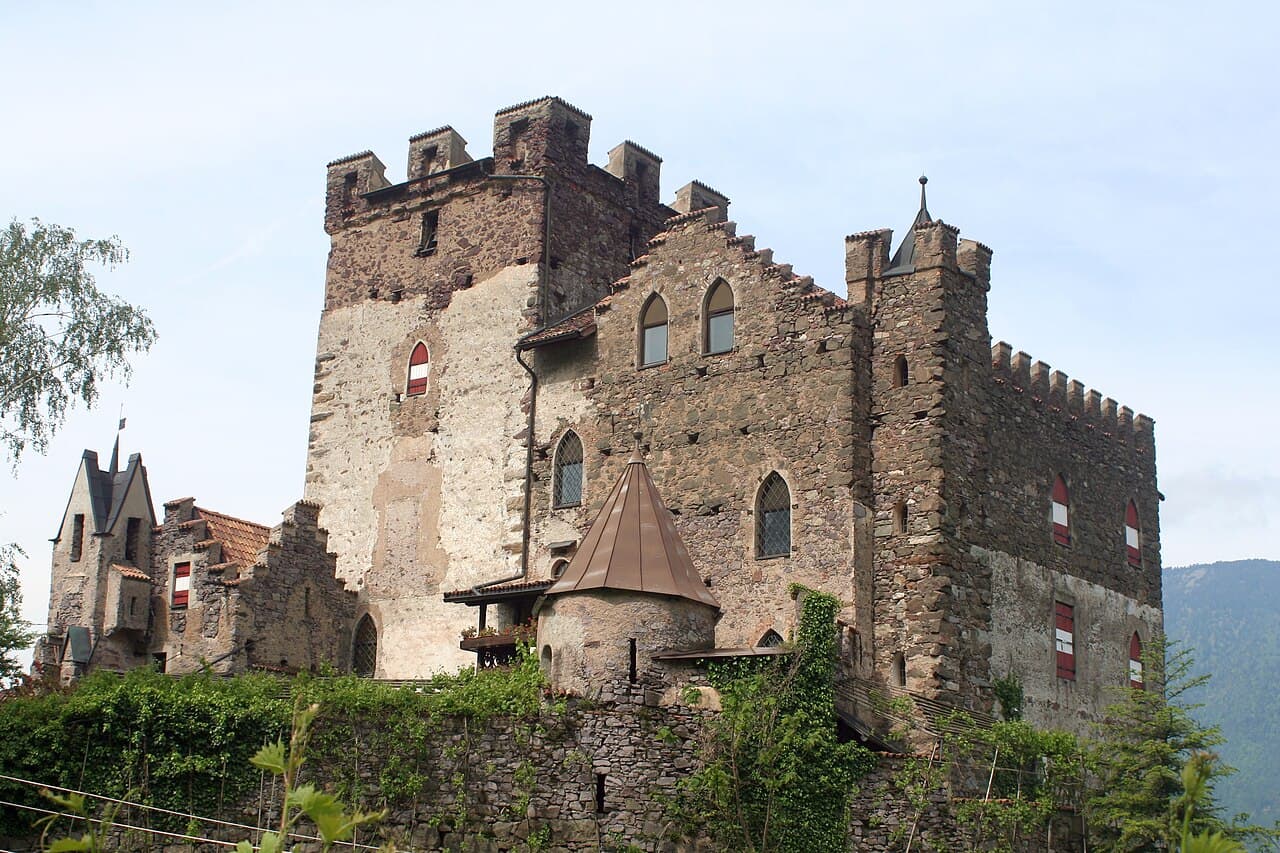
The castle was originally constructed during the high medieval period, a time when hill castles were strategically built to control surrounding territories and trade routes. Katzenstein Castle’s initial design likely featured typical medieval defensive elements such as thick stone walls, a keep or donjon, and a fortified courtyard. Although much of the original medieval structure has been altered, the castle retains its commanding position on a hill overlooking Meran, which provided natural defense advantages.
Renaissance rebuilding in 1580
In 1580, Katzenstein Castle underwent a significant rebuilding phase. This reconstruction introduced elements typical of the Renaissance architectural style, which emphasized more comfortable living spaces alongside defensive features. The renovations likely included enlarging windows, adding decorative stonework, and modifying internal layouts to suit residential needs rather than purely military functions. This period marks a transition from a fortress to a noble residence.
19th-century restoration and preservation
The castle experienced extensive restorations in the 1860s, reflecting the 19th-century interest in preserving medieval heritage. These restorations aimed to stabilize the structure and restore aspects of its historic appearance, possibly incorporating Romantic Neo-Gothic stylistic influences popular at the time. The work done during this period helped to maintain Katzenstein Castle’s architectural integrity and ensured its survival into the modern era.
Ownership and current status
In 1938, the castle was purchased by Josef Menz, whose family continues to reside there today. This private ownership has contributed to the castle's upkeep and preservation, allowing it to remain a well-preserved example of a medieval hill castle with layers of Renaissance and 19th-century modifications. The castle is not only a residential property but also a cultural landmark reflecting the historical continuity of the region.
Architectural features and layout
Katzenstein Castle’s architecture reveals its layered history. The castle’s fortified walls and elevated position demonstrate its original defensive purpose. The Renaissance renovations introduced more elegant features such as larger windows and refined stonework. Inside, the castle likely contains a mix of medieval and Renaissance elements, including halls and chambers adapted over time for residential comfort. The castle’s layout would have evolved from a primarily military fortress to a noble estate.
Strategic location and cultural significance
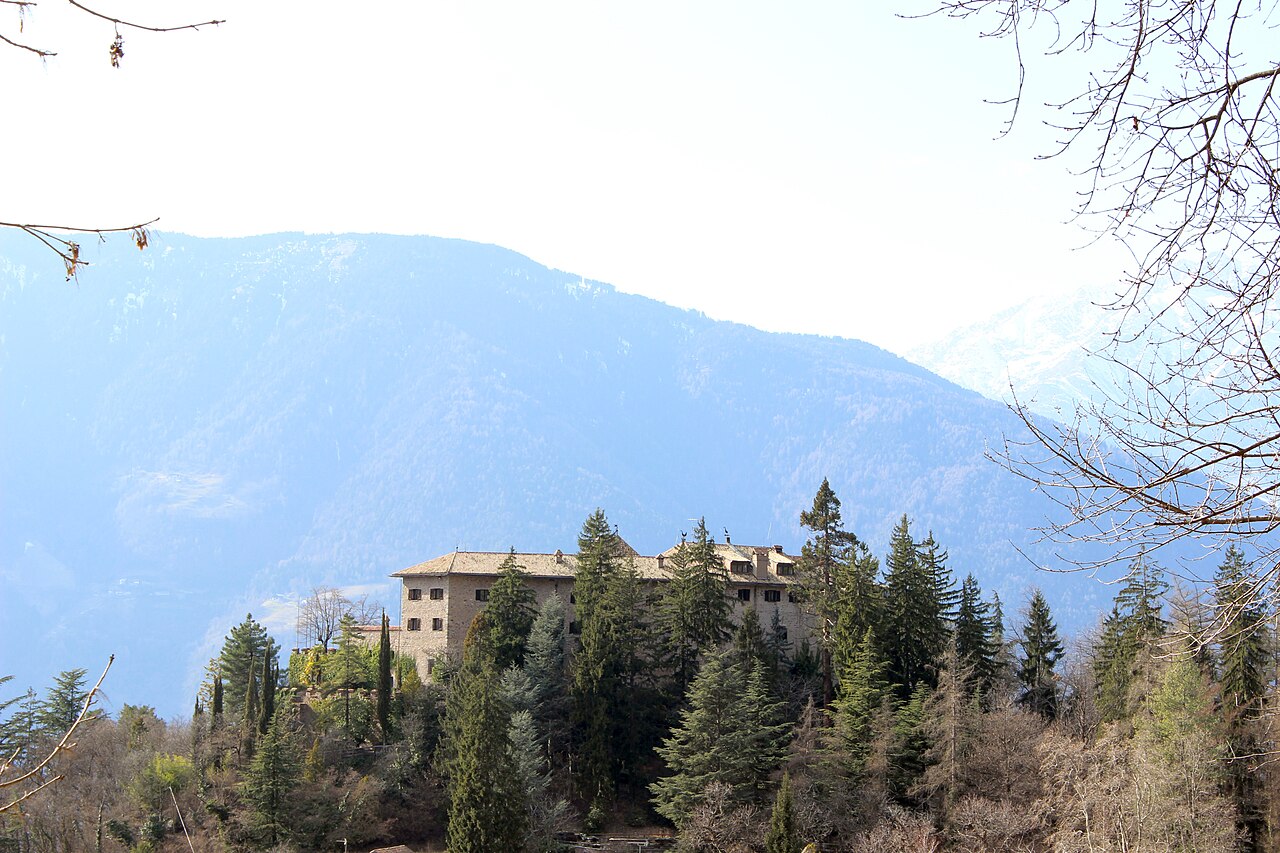
Situated on a hill overlooking the town of Meran, Katzenstein Castle commands views of the surrounding landscape, which was vital for surveillance and defense during the medieval period. Its location also highlights the castle’s role in controlling regional routes and asserting noble authority. Today, Katzenstein Castle stands as a testament to the region’s layered history, combining medieval military architecture with Renaissance residential adaptations and 19th-century restoration efforts.
Visiting information and accessibility
As a privately owned residence, Katzenstein Castle is not generally open to the public. However, its exterior can be admired from nearby vantage points in Meran, where visitors can appreciate its prominent hilltop position and architectural silhouette. The castle contributes to the historical ambiance of Meran and is part of the broader cultural heritage of South Tyrol.
Historical context of Katzenstein Castle
The castle’s foundation in the 13th century places it within a period of significant political and military activity in the region, where local lords built fortifications to consolidate power and protect their domains. Over the centuries, Katzenstein Castle adapted to changing political realities and architectural trends, reflecting the transition from medieval feudal stronghold to Renaissance noble residence.
Impact of regional history
The castle’s history is intertwined with the broader historical developments of South Tyrol and the Alpine region. Its survival through various political regimes and social changes illustrates the enduring importance of such hill castles in maintaining regional stability and heritage.
Frequently asked questions (FAQ)
- Is Katzenstein Castle open to the public?
- Katzenstein Castle is privately owned and not generally open to the public. Visitors can view the castle's exterior from nearby locations in Meran.
- What architectural styles are present in Katzenstein Castle?
- The castle features a mix of medieval defensive architecture and Renaissance residential modifications, along with 19th-century restoration influences.
- When was Katzenstein Castle originally built?
- The castle was originally constructed in the 13th century and first mentioned in historical records in 1258.
- Who owns Katzenstein Castle today?
- Since 1938, Katzenstein Castle has been owned by the Menz family, who continue to reside there.
- What is the significance of Katzenstein Castle's location?
- Situated on a hill overlooking Meran, the castle's location was strategic for defense and controlling regional routes during the medieval period.
Photo gallery

Information
Current owner
Private owner
Loading map...
Visitor reviews
No reviews yet. Been here? Write the first review and help other travelers!
Write the first reviewVisited this castle? Share your experience
Your review helps other travelers and adds first-hand knowledge to our encyclopedia.