Larnach Castle — New Zealand castle

Larnach Castle

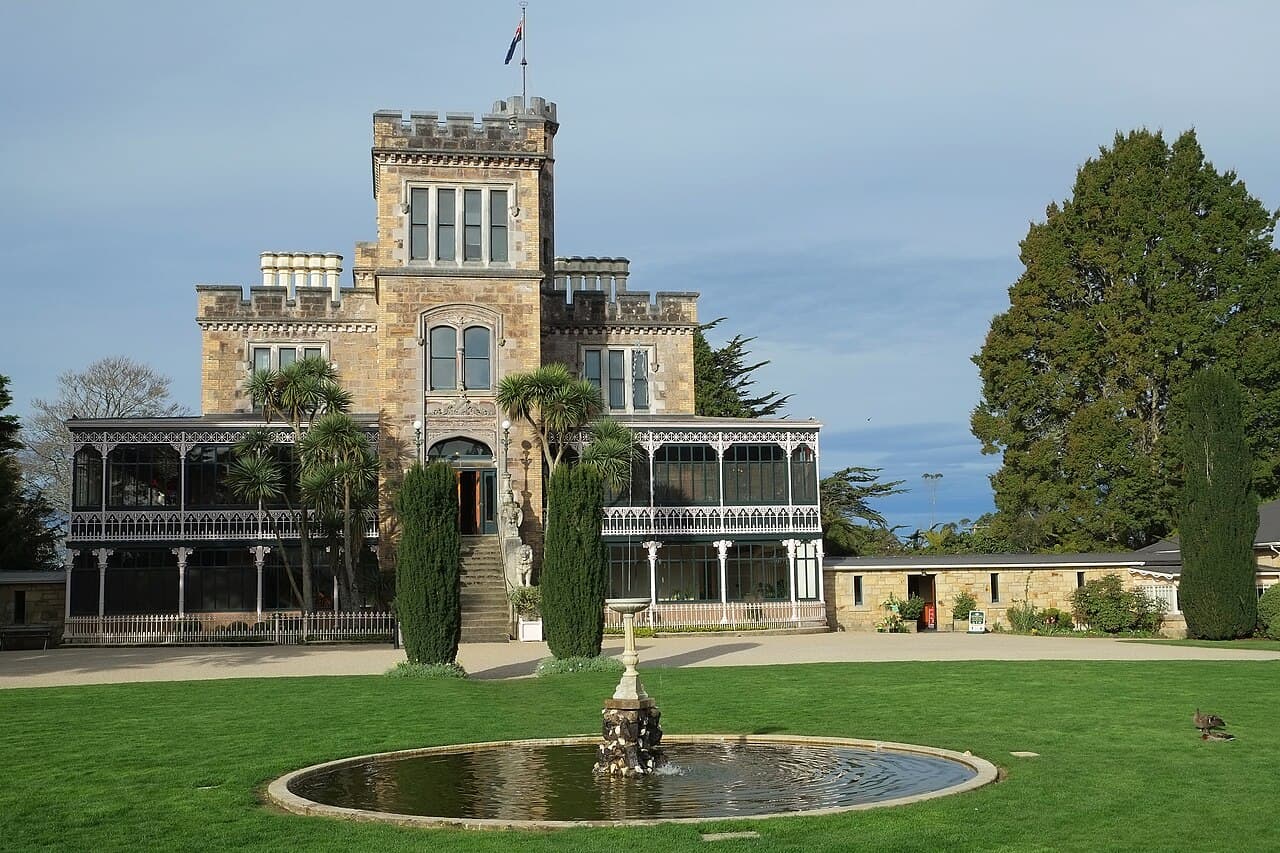
Larnach Castle, New Zealand's only castle on Otago Peninsula
Dunedin, Otago, New Zealand
Modern (19th–20th c.)
Well Preserved

Larnach Castle, often called "Larnach's Castle," is a distinctive historic mansion located on the ridge of the Otago Peninsula near Dunedin, New Zealand. Constructed in the 19th century, it stands out as the only true castle-like residence in New Zealand, reflecting the ambitions and tastes of its builder, William Larnach, a prominent entrepreneur and politician of the era. The castle's elevated position offers commanding views over the surrounding landscape and the Pacific Ocean, emphasizing its strategic and aesthetic placement.

Architectural design and construction

The castle was built between 1871 and 1887, showcasing an eclectic mix of architectural styles, predominantly influenced by Gothic Revival and Victorian elements. Its design includes characteristic features such as turrets, battlements, and intricate stonework, lending the building a medieval European castle appearance that was unusual for New Zealand's architectural landscape at the time. The use of locally quarried stone and imported materials reflects both regional resources and the owner's wealth.

The interior of Larnach Castle is equally notable for its detailed craftsmanship, with richly decorated rooms featuring stained glass windows, ornate woodwork, and period furnishings. The layout includes multiple reception rooms, bedrooms, and service areas arranged around a central courtyard, typical of a grand residence designed for both private living and public entertaining.

Historical context and ownership

William Larnach commissioned the castle as a family home and a symbol of his social and political status. The construction was a lengthy and costly endeavor, reflecting Larnach's ambition and the challenges of building such a structure in a relatively remote part of New Zealand during the late 19th century. Despite its grandeur, the castle was also the site of personal tragedy, as Larnach faced financial difficulties and family losses.

After Larnach's death in 1898, the castle changed hands several times and fell into periods of neglect. In 1967, the property was purchased by the Barker family, who undertook extensive restoration efforts to preserve and reopen the castle to the public as a tourist attraction. Their stewardship has been crucial in maintaining the castle's condition and promoting its historical significance.

Gardens and landscape

The Larnach Castle gardens are internationally recognized for their beauty and design. They are one of only five gardens in New Zealand awarded the status of "Garden of International Significance" by the New Zealand Gardens Trust. These gardens were the first in the South Island to receive this prestigious rating, highlighting their unique collection of plants, formal layouts, and integration with the surrounding natural environment.

The gardens feature a variety of exotic and native plant species arranged in formal and informal sections, including rose gardens, a sunken garden, and woodland areas. The landscape design complements the castle's architecture and enhances the visitor experience with seasonal displays and tranquil walking paths.

Current status and visitor experience

Today, Larnach Castle operates as a popular tourist destination, open daily to visitors who can explore both the historic interiors and the extensive gardens. The castle offers guided tours that provide insights into its architectural features, the life of William Larnach, and the broader historical context of the region.

In 2018, the castle was designated a New Zealand Landmark by Heritage New Zealand, recognizing its cultural and historical importance. The castle's preservation and public accessibility make it a key heritage site on the Otago Peninsula and an important example of 19th-century architecture and garden design in New Zealand.

Visitor amenities and events

The castle grounds include a café and gift shop, enhancing the visitor experience. Throughout the year, Larnach Castle hosts various events, including garden tours, historical reenactments, and seasonal celebrations, attracting both local residents and international tourists.

Frequently asked questions (FAQ)

How do I get to Larnach Castle from Dunedin city center?
Larnach Castle is located about 20 kilometers from Dunedin city center on the Otago Peninsula. Visitors can reach the castle by car via Highcliff Road, or by taking a guided tour bus that includes transportation and commentary.
What are the opening hours of Larnach Castle?
The castle and gardens are open daily, typically from 10:00 AM to 5:00 PM. It is advisable to check the official website for any seasonal changes or special closures.
Is Larnach Castle suitable for children and families?
Yes, Larnach Castle welcomes visitors of all ages. The gardens provide ample space for children to explore, and the guided tours are engaging for families interested in history and architecture.
What makes Larnach Castle's gardens internationally significant?
The gardens have been awarded "Garden of International Significance" status by the New Zealand Gardens Trust due to their unique plant collections, formal design, and historical landscaping. They were the first in the South Island to receive this honor.
Can I host events or weddings at Larnach Castle?
Yes, Larnach Castle offers facilities for weddings and special events. Its picturesque setting and historic ambiance make it a popular venue for such occasions.

Photo gallery

Larnach Castle
Click to view

Photo by Pseudopanax at English Wikipedia•Public domain

1 photo • Click any image to view in full screen

Information

Hill Castle

Current owner

Private owner (Barker family)

Loading map...

Visitor reviews

No reviews yet. Been here? Write the first review and help other travelers!

Write the first review

Visited this castle? Share your experience

Your review helps other travelers and adds first-hand knowledge to our encyclopedia.

Write a review

(5/5)

0/2000 characters

Your review will be visible after admin approval

Nearby castles

602.6 km

The Castle on Hawkin's Hill

Wellington, New Zealand

The castle on Hawkin's Hill is a distinctive modern landmark perched atop a hill in the Greater Wellington region of New Zealand. Often dubbed the "castle in the clouds," this unique structure stands isolated amidst native bush at 430 Hawkins Hill Road, offering commanding views over the city of Wellington and its surrounding landscapes. Unlike traditional medieval castles, this site has a contemporary origin and history closely tied to New Zealand's aviation and local entrepreneurial ventures. Origins as an airways radar bunker The site originally housed a decommissioned Airways Corporation radar bunker, part of New Zealand's civil aviation infrastructure. The radar installation was strategically positioned on Hawkins Hill to maximize coverage and ensure safe air traffic control over the capital region. When the radar station was decommissioned, the site was left unused until it was purchased in 1998 by Brian Willman. Willman's initial vision was to transform the site into a conference center capitalizing on the panoramic views and secluded location. Over time, the property evolved beyond its original purpose, becoming a private retreat and a unique venue for business gatherings. Transformation into a unique modern castle While not a castle in the traditional architectural sense, the property earned its nickname due to its imposing presence on the hill and its somewhat fortress-like appearance. The building incorporates elements of rugged modern construction, blending with the natural bush surroundings and the remnants of the radar infrastructure. The site features a combination of concrete structures, observation points, and enclosed spaces that evoke a sense of fortification. The elevated position and isolation contribute to the castle-like ambiance, making it a notable landmark visible from various points around Wellington. Woofington's luxury dog hotel and local lore In 2016, Brian Willman repurposed the castle site to open Woofington's, a luxury dog hotel aimed at providing high-end care for pets. This venture attracted a niche clientele and added a new chapter to the site's evolving story. However, the property became the subject of local intrigue due to a series of unfortunate and mysterious events. In 2018, the manager of Woofington's went missing and was later found deceased under circumstances that sparked community speculation. The following years saw a burglary and arrest in 2019, and a police raid in 2020, further deepening the castle's mystique and reputation among Wellington residents. Woofington's is no longer operational, but the site remains a point of interest for locals and visitors alike. Current status and visitor experience Today, the castle on Hawkin's Hill is a popular visual landmark for hikers and outdoor enthusiasts exploring the Hawkin's Ridge Trail. The trail offers scenic views and passes near the castle, allowing visitors to appreciate the structure from various vantage points. The surrounding area is known for its eclectic mix of sights, including the distinctive Hawkins Hill Radar Dome, roaming ostriches, and nearby windmills, all contributing to the unique character of this Wellington hillside. While the castle itself is privately owned and not open for public tours, its presence enriches the local landscape and adds a layer of modern cultural heritage to the region. Architectural and cultural significance Though not a medieval fortress, the castle on Hawkin's Hill represents an interesting example of adaptive reuse and modern architectural presence in a natural setting. It illustrates how contemporary structures can gain symbolic importance and local legend status, blending functional history with community narratives. The site's evolution from a critical aviation facility to a private conference center and then to a luxury dog hotel reflects changing land use patterns and entrepreneurial creativity in New Zealand's capital region. Its story is a testament to the diverse ways in which sites can become landmarks beyond traditional historical or architectural definitions, enriching Wellington's cultural tapestry.

Details
611.5 km
Fort Buckley — New Zealand castle

Fort Buckley

, New Zealand

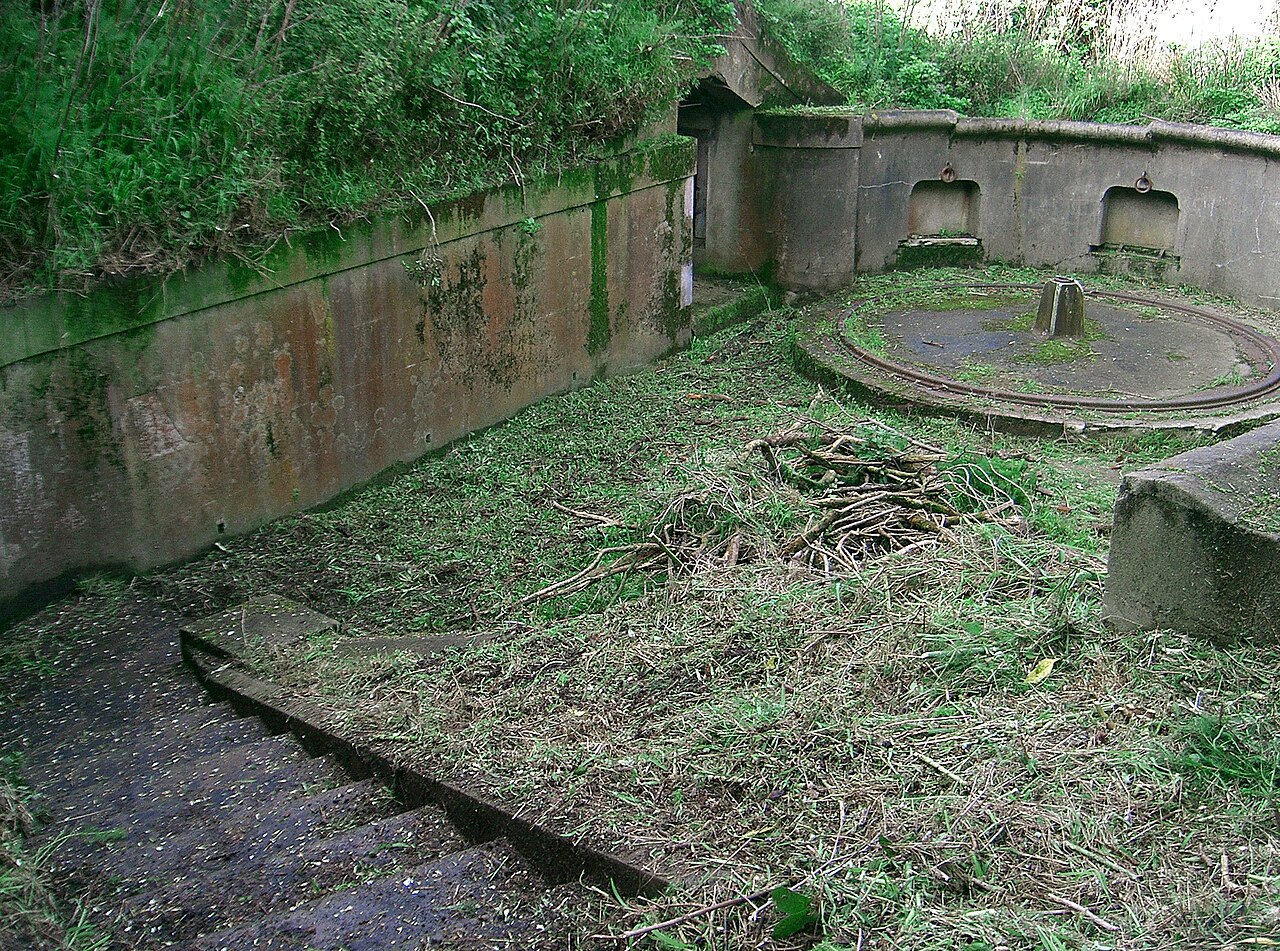
Fort Buckley is a 19th-century bastioned fortress located in Wellington, New Zealand, strategically positioned to oversee and defend the entrance to Wellington Harbour. Constructed in 1885, the fort was part of New Zealand's coastal defense system during a period of heightened concern about potential foreign naval threats. Its location on the slopes of Kaiwharawhara provided commanding views over the harbor and the city, making it a critical point for the protection of the capital. Historical context and construction The construction of Fort Buckley came during the late 19th century when New Zealand was expanding its coastal defenses in response to global naval power shifts and fears of invasion. The fort was named after Patrick Buckley, a notable Irish New Zealand soldier, lawyer, and politician, reflecting the practice of honoring prominent figures in military and public service. Designed as a bastioned fortress, Fort Buckley incorporated defensive features typical of the period, including gun-pits and rifled muzzle-loading artillery. The fort originally housed two 64-pounder rifled muzzle-loading (RML) guns, which had an effective range of approximately three kilometres, enabling the fort to engage enemy ships attempting to enter Wellington Harbour. Architectural features and armaments The fort's design included concrete gun-pits built into the hillside, which provided protection and stability for the artillery pieces. The layout allowed for overlapping fields of fire, a key characteristic of bastioned fortifications, which enhanced defensive capabilities against naval attacks. During its operational period, the fort's armaments were state-of-the-art for coastal defense, with the rifled 64-pounder guns offering improved accuracy and range compared to earlier smoothbore cannons. These guns were muzzle-loading, requiring crews to load powder and shot from the front of the barrel, a standard technology of the era before breech-loading artillery became widespread. World War II modifications In the course of World War II, Fort Buckley saw further military use when an anti-aircraft gun was installed on the site of the former caretaker's cottage, situated on the slopes above the original gun-pits. This addition reflected the evolving nature of military threats, with aerial attacks becoming a significant concern. Although the original anti-aircraft gun no longer remains, the concrete foundation of the caretaker's cottage is still visible today. Preservation and current status Today, Fort Buckley is recognized as a Category 1 Historic Place by Heritage New Zealand, indicating its national historical significance. The physical remains primarily consist of the concrete foundations of the two RML gun-pits, which offer tangible links to the site's military past. The anti-aircraft gun's location is less obvious but marked by the caretaker's cottage foundation. The land encompassing Fort Buckley is owned by the Wellington City Council and has been designated a public reserve since 2010. The site is accessible via a well-maintained gravel path from Barnard Street in Wadestown, with clear signage and fencing to protect the historic features. Vegetation management has been an ongoing effort, as the area has experienced several scrub fires and natural overgrowth. The Highland Park Progressive Association (HPPA), a local residents' group, actively maintains and enhances the site in partnership with the city council. Their efforts include clearing paths, installing interpretive signage, and providing educational pamphlets detailing the fort's history. Community engagement and activities Fort Buckley now serves not only as a historical landmark but also as a community space. The HPPA organizes social activities such as family picnics, geocaching, and guided walks along the tracks. In 2014, a large picnic table was installed on the former caretaker's cottage foundation, further encouraging public use and enjoyment of the site. Future prospects and heritage significance One of the long-term goals for Fort Buckley is to enhance its historical interpretation by either locating the original 64-pounder guns, which are believed to be buried in Palmerston North, or commissioning replica iron guns to be cast and placed in the existing gun-pits. Such additions would provide visitors with a more immersive understanding of the fort's operational history. Fort Buckley's designation as a Category 1 Historic Place underscores its importance in New Zealand's military heritage. It stands as a rare example of a bastioned fortress from the modern period of coastal defense architecture, illustrating the transition from 19th-century artillery fortifications to adaptations made during the 20th century's global conflicts.

Modern (19th–20th c.)
Details
2106.2 km
Bare Island Fort — Australia castle

Bare Island Fort

La Perouse, Australia

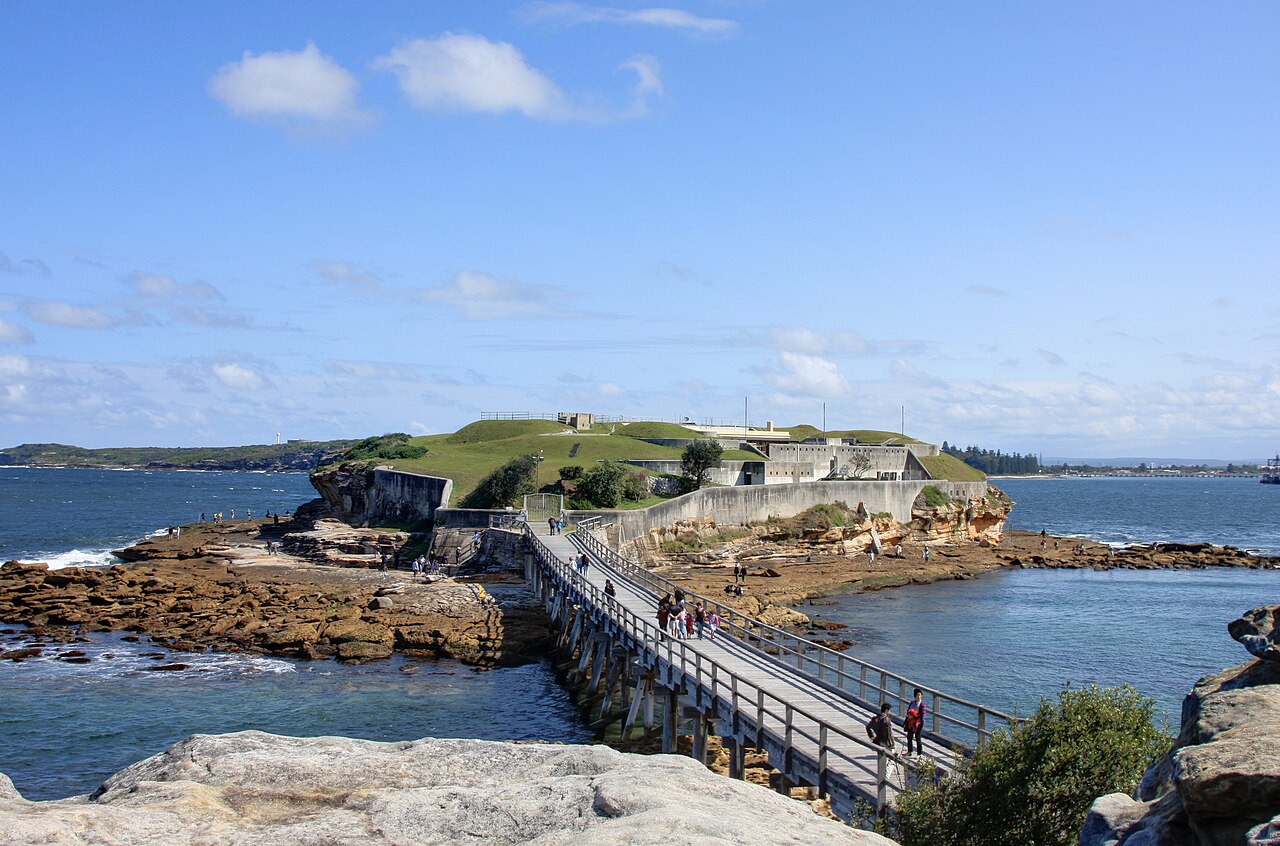
Bare Island Fort is a historically significant bastioned fortress located on a small islet at La Perouse, New South Wales, within the Eastern Suburbs of Sydney, Australia. Positioned approximately 16 kilometres southeast of Sydney's central business district, the fort stands on the northern headland of Botany Bay. This strategic location was chosen to protect the bay and the city from potential naval attacks during the late 19th century. Historical context and construction The construction of Bare Island Fort took place between 1881 and 1889, during a period when Australia was enhancing its coastal defences in response to growing concerns about naval threats. The fort was designed by prominent military engineers Sir Peter Scratchley and Gustave Morell, with architectural oversight by James Barnet, the New South Wales Colonial Architect. The construction was carried out by John McLeod under the direction of the New South Wales Department of Public Works. The fort is an almost completely intact example of late nineteenth-century coastal defence technology. It was built to protect the approaches to Botany Bay, which was an important harbour and potential landing site for enemy forces. Bare Island's fortifications were part of a network of coastal defences designed to safeguard Sydney and its surroundings. Architectural features and design Bare Island Fort is classified as a bastioned fortress, a style characterized by angular bastions projecting outward from the main walls, allowing defenders to cover adjacent walls with gunfire and eliminate blind spots. The fort features thick stone walls constructed from local sandstone, which provided strong resistance against artillery fire. The fortress includes a series of interconnected tunnels and chambers beneath the surface, used for ammunition storage, troop movement, and shelter during attacks. The design incorporates gun emplacements positioned to cover the bay's entrance, with firing positions for cannons and later artillery pieces. The fort is connected to the mainland by a footbridge, providing controlled access to the island. This connection facilitates guided tours, which are currently the only way visitors can explore the military fort and its tunnels. Military use and later history Although Bare Island Fort was built for military purposes, it never saw active combat. Its role was primarily deterrence, serving as a visible symbol of Sydney's coastal defence capabilities. During the 20th century, the fort was repurposed as a war veterans' home and later a museum, preserving its historical significance and making it accessible to the public. Today, the fort is a protected heritage site listed on the New South Wales State Heritage Register since 2 April 1999. It remains a rare and well-preserved example of coastal defence architecture from the modern period of fortification development in Australia. Current status and visitor information Bare Island Fort is currently a historic site open to visitors by guided tour only, ensuring the preservation of its delicate structures. The surrounding waters are popular with scuba divers due to the rich marine life and underwater features near the island. The fort's cultural impact extends beyond its military history; the Bare Island anglerfish, a species named after the island, highlights the ecological importance of the area. Visitors can experience both the historical and natural aspects of Bare Island during their visit. Significance and heritage value The fort is significant as an almost completely intact example of 19th-century bastioned fortress design adapted to coastal defence needs. Its preservation offers valuable insight into the military engineering practices of the time and the strategic considerations for protecting Sydney's harbour. As a heritage-listed site, Bare Island Fort contributes to the understanding of Australia's colonial defence history and the evolution of fortification architecture during the modern period. It stands as a tangible link to the past and a resource for education and tourism in New South Wales.

Modern (19th–20th c.)
Details