Fort Buckley
Fort Buckley is a 19th-century bastioned fortress located in Wellington, New Zealand, strategically positioned to oversee and defend the entrance to Wellington Harbour. Constructed in 1885, the fort was part of New Zealand's coastal defense system during a period of heightened concern about potential foreign naval threats. Its location on the slopes of Kaiwharawhara provided commanding views over the harbor and the city, making it a critical point for the protection of the capital.
Historical context and construction
The construction of Fort Buckley came during the late 19th century when New Zealand was expanding its coastal defenses in response to global naval power shifts and fears of invasion. The fort was named after Patrick Buckley, a notable Irish New Zealand soldier, lawyer, and politician, reflecting the practice of honoring prominent figures in military and public service.
Designed as a bastioned fortress, Fort Buckley incorporated defensive features typical of the period, including gun-pits and rifled muzzle-loading artillery. The fort originally housed two 64-pounder rifled muzzle-loading (RML) guns, which had an effective range of approximately three kilometres, enabling the fort to engage enemy ships attempting to enter Wellington Harbour.
Architectural features and armaments
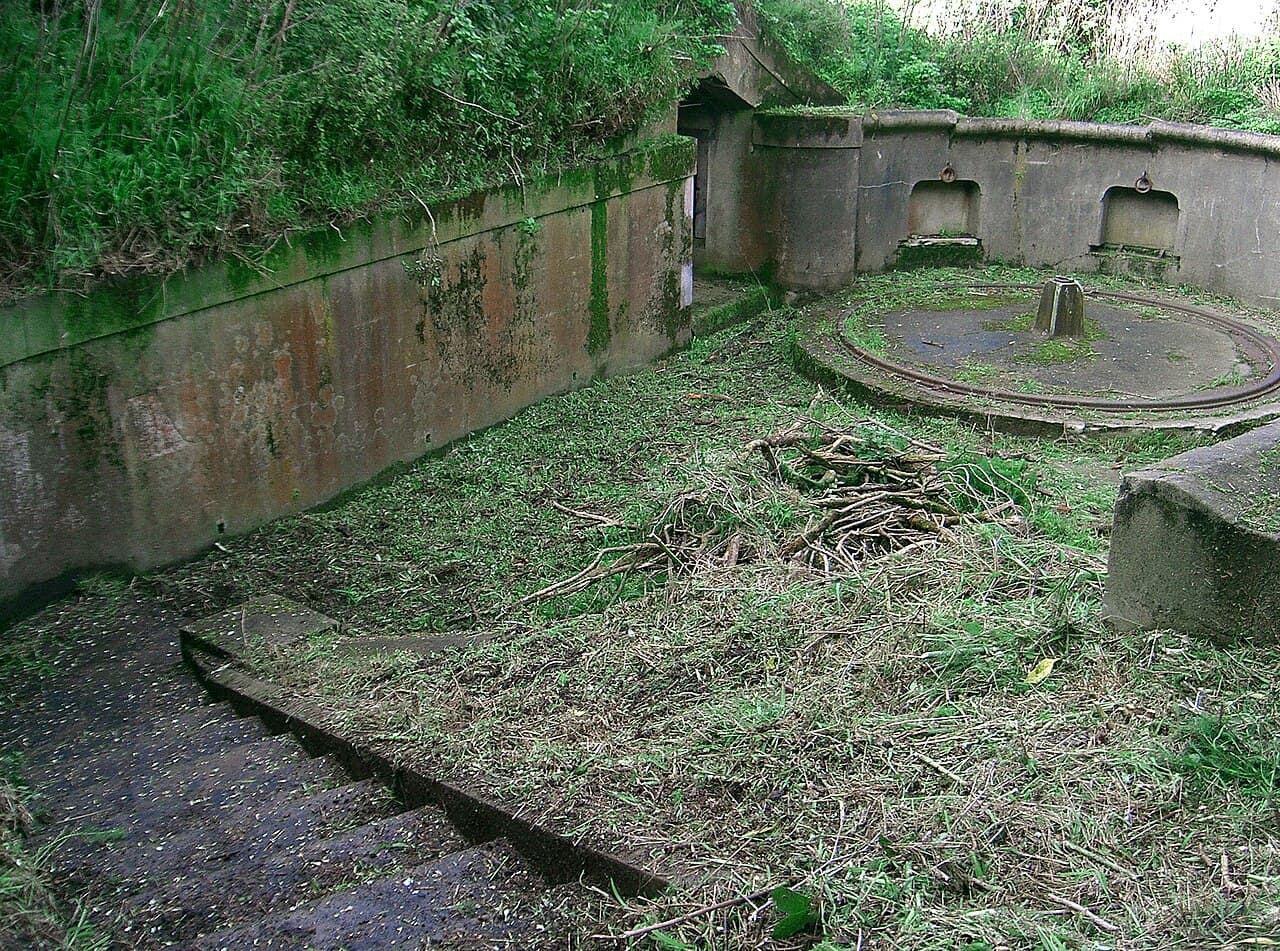
The fort's design included concrete gun-pits built into the hillside, which provided protection and stability for the artillery pieces. The layout allowed for overlapping fields of fire, a key characteristic of bastioned fortifications, which enhanced defensive capabilities against naval attacks.
During its operational period, the fort's armaments were state-of-the-art for coastal defense, with the rifled 64-pounder guns offering improved accuracy and range compared to earlier smoothbore cannons. These guns were muzzle-loading, requiring crews to load powder and shot from the front of the barrel, a standard technology of the era before breech-loading artillery became widespread.
World War II modifications
In the course of World War II, Fort Buckley saw further military use when an anti-aircraft gun was installed on the site of the former caretaker's cottage, situated on the slopes above the original gun-pits. This addition reflected the evolving nature of military threats, with aerial attacks becoming a significant concern. Although the original anti-aircraft gun no longer remains, the concrete foundation of the caretaker's cottage is still visible today.
Preservation and current status
Today, Fort Buckley is recognized as a Category 1 Historic Place by Heritage New Zealand, indicating its national historical significance. The physical remains primarily consist of the concrete foundations of the two RML gun-pits, which offer tangible links to the site's military past. The anti-aircraft gun's location is less obvious but marked by the caretaker's cottage foundation.
The land encompassing Fort Buckley is owned by the Wellington City Council and has been designated a public reserve since 2010. The site is accessible via a well-maintained gravel path from Barnard Street in Wadestown, with clear signage and fencing to protect the historic features.
Vegetation management has been an ongoing effort, as the area has experienced several scrub fires and natural overgrowth. The Highland Park Progressive Association (HPPA), a local residents' group, actively maintains and enhances the site in partnership with the city council. Their efforts include clearing paths, installing interpretive signage, and providing educational pamphlets detailing the fort's history.
Community engagement and activities
Fort Buckley now serves not only as a historical landmark but also as a community space. The HPPA organizes social activities such as family picnics, geocaching, and guided walks along the tracks. In 2014, a large picnic table was installed on the former caretaker's cottage foundation, further encouraging public use and enjoyment of the site.
Future prospects and heritage significance
One of the long-term goals for Fort Buckley is to enhance its historical interpretation by either locating the original 64-pounder guns, which are believed to be buried in Palmerston North, or commissioning replica iron guns to be cast and placed in the existing gun-pits. Such additions would provide visitors with a more immersive understanding of the fort's operational history.
Fort Buckley's designation as a Category 1 Historic Place underscores its importance in New Zealand's military heritage. It stands as a rare example of a bastioned fortress from the modern period of coastal defense architecture, illustrating the transition from 19th-century artillery fortifications to adaptations made during the 20th century's global conflicts.
Frequently asked questions (FAQ)
- What is the historical significance of Fort Buckley?
- Fort Buckley is a historic military fortification that played a crucial role in New Zealand's defense strategy during the 19th century. It was built to protect settlers and resources from potential conflicts, especially during the New Zealand Wars. Today, it stands as a testament to the country's military history and offers insights into the colonial era.
- When was Fort Buckley constructed?
- Fort Buckley was constructed in the 1860s, a period marked by tension between European settlers and Māori tribes. The fort was strategically positioned to monitor the surrounding areas and served as an important military post until its decommissioning. Its construction reflects the architectural styles and military needs of that time.
- Can I visit Fort Buckley?
- Yes, Fort Buckley is open to visitors year-round. You can explore the fort's grounds, historical exhibits, and enjoy guided tours that provide deeper insights into its history. Be sure to check the official website for specific visiting hours and any special events.
- What are the opening hours for Fort Buckley?
- Fort Buckley is typically open daily from 10 AM to 5 PM, but hours may vary seasonally or during public holidays. It is advisable to visit the official website for the most current information regarding opening times before your visit. Planning ahead can help ensure you have ample time to explore.
- Is Fort Buckley accessible for individuals with disabilities?
- Yes, Fort Buckley has made efforts to ensure accessibility for all visitors. There are designated pathways and facilities that cater to individuals with mobility challenges. However, it is recommended to contact the site in advance to inquire about specific accessibility options and accommodations.
- What is the best time to visit Fort Buckley?
- The best time to visit Fort Buckley is during the spring and autumn months when the weather is generally mild and pleasant for outdoor activities. These seasons also allow for fewer crowds, giving you a more intimate experience of the site. Summer can be busy, while winter may bring cooler temperatures.
- Are there any nearby attractions to visit along with Fort Buckley?
- Yes, there are several nearby attractions worth exploring, including beautiful hiking trails, local museums, and stunning coastal views. The surrounding area offers opportunities for outdoor activities, such as bird watching and picnicking. Combining your visit to Fort Buckley with these local attractions can enhance your experience.
- What are the ticket prices for visiting Fort Buckley?
- Ticket prices for Fort Buckley are generally affordable, with discounts available for students, seniors, and children. Admission fees may vary based on special events or guided tours, so it’s best to check the official website for the latest pricing information. Consider purchasing tickets online to save time during your visit.
Photo gallery

Information
Loading map...
Visitor reviews
No reviews yet. Been here? Write the first review and help other travelers!
Write the first reviewVisited this castle? Share your experience
Your review helps other travelers and adds first-hand knowledge to our encyclopedia.