
New Zealand
Castle heritage in new zealand: an overview
New Zealand's castle heritage stands apart from the traditional European narrative of medieval stone fortresses and grand defensive structures. Due to its relatively recent human settlement and geographic isolation, New Zealand lacks medieval castles in the classical sense. Instead, its fortifications reflect a unique blend of indigenous Māori defensive architecture and colonial military constructions from the 19th and early 20th centuries. These fortifications provide insight into the country's complex history of settlement, conflict, and cultural interaction.
The absence of medieval castles in New Zealand is largely due to the fact that Māori arrived around the 13th century, well after the European Middle Ages had passed. Māori defensive structures, including pā—fortified villages—demonstrate an ingenious use of natural landscapes combined with earthworks and palisades. With European colonization came new styles of fortification, including British-style military forts and private estates mimicking European castle architecture for aesthetic rather than defensive purposes.
Continue reading below — scroll for the full article.
Historical background and indigenous fortifications
The earliest fortifications in New Zealand were created by Māori tribes, who developed sophisticated defensive sites known as pā. These were typically located on hilltops or ridges, leveraging natural terrain to maximize defense. Pā often featured terraced earthworks, wooden palisades, ditches, and complex layouts designed for both warfare and community living.
Māori fortifications played a crucial role during periods of intertribal warfare, especially during the 17th to 19th centuries. The design of pā evolved in response to new weapons and tactics, including the introduction of muskets in the early 19th century. This led to innovations such as underground shelters and more elaborate trench systems to resist musket and cannon fire.
European colonial fortifications
With the arrival of European settlers in the 19th century, traditional Māori defensive structures were complemented by British-style forts and military installations. These fortifications were constructed primarily to protect settler communities and assert colonial control during periods of conflict, such as the New Zealand Wars (1845–1872).
Although New Zealand never developed castles in the medieval European sense, several 19th-century buildings incorporated castle-like features. These often served as private residences or public buildings that evoked the romanticism of European heritage rather than functioning as true fortifications.
Types of fortifications found in new zealand
New Zealand's fortifications can be broadly classified into three categories: indigenous pā, colonial military forts, and castle-inspired architectural estates.
Māori pā
The most distinctive form of fortification is the pā. These sites range from small hilltop enclosures to large, complex settlements. The fortifications typically consist of multiple terraces reinforced by wooden palisades and ditches. Their design optimized defense against hand-to-hand combat and early firearms, while allowing inhabitants access to water and food supplies within the enclosure.
Military forts and batteries
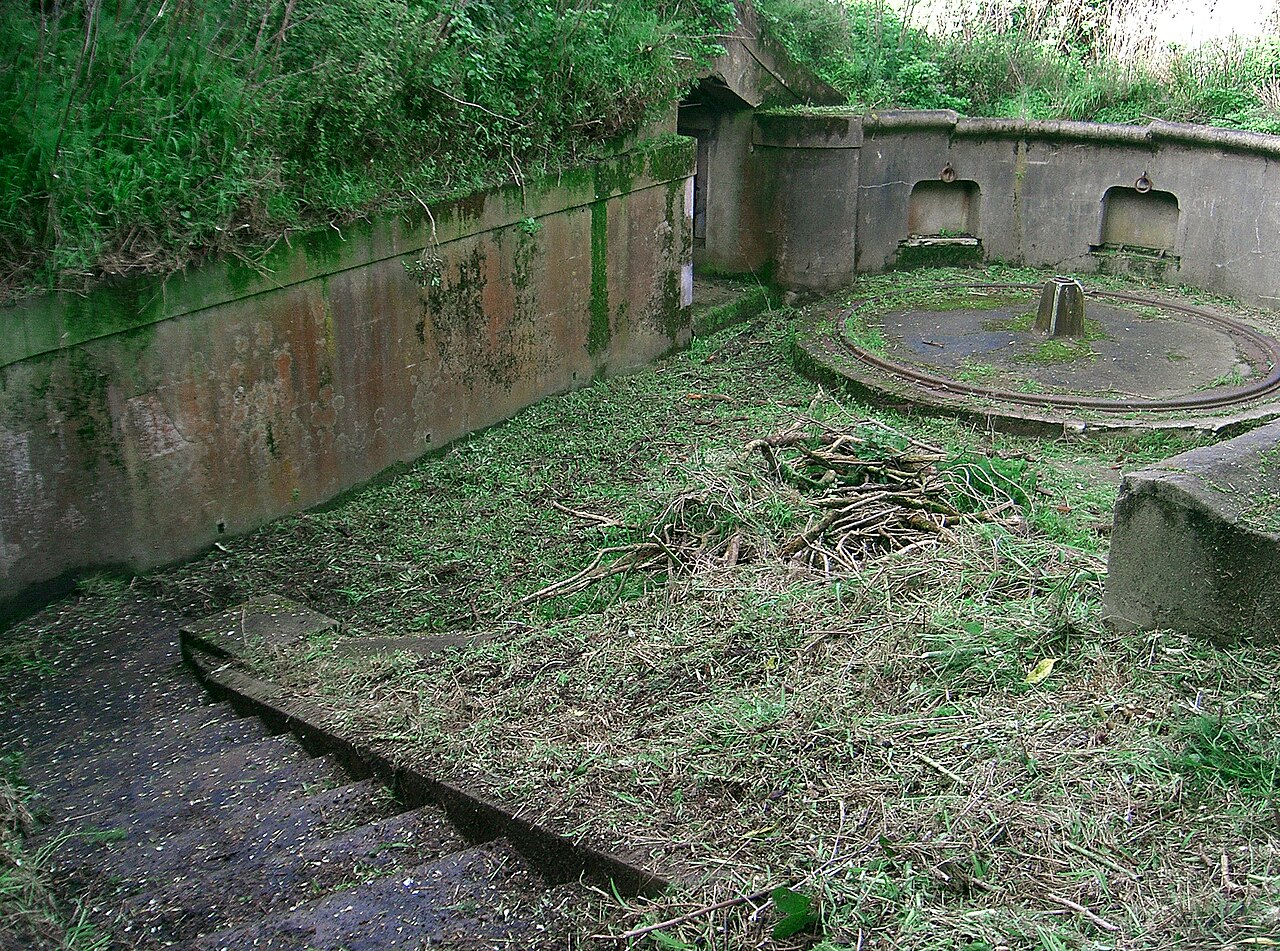
Colonial-era fortifications include coastal forts, redoubts, and artillery batteries built by British and later New Zealand forces. Examples include the Albert Barracks in Auckland and coastal defenses around Wellington and Lyttelton. These earth and stone fortifications were designed to repel potential naval attacks and internal uprisings.
Castle-inspired architecture
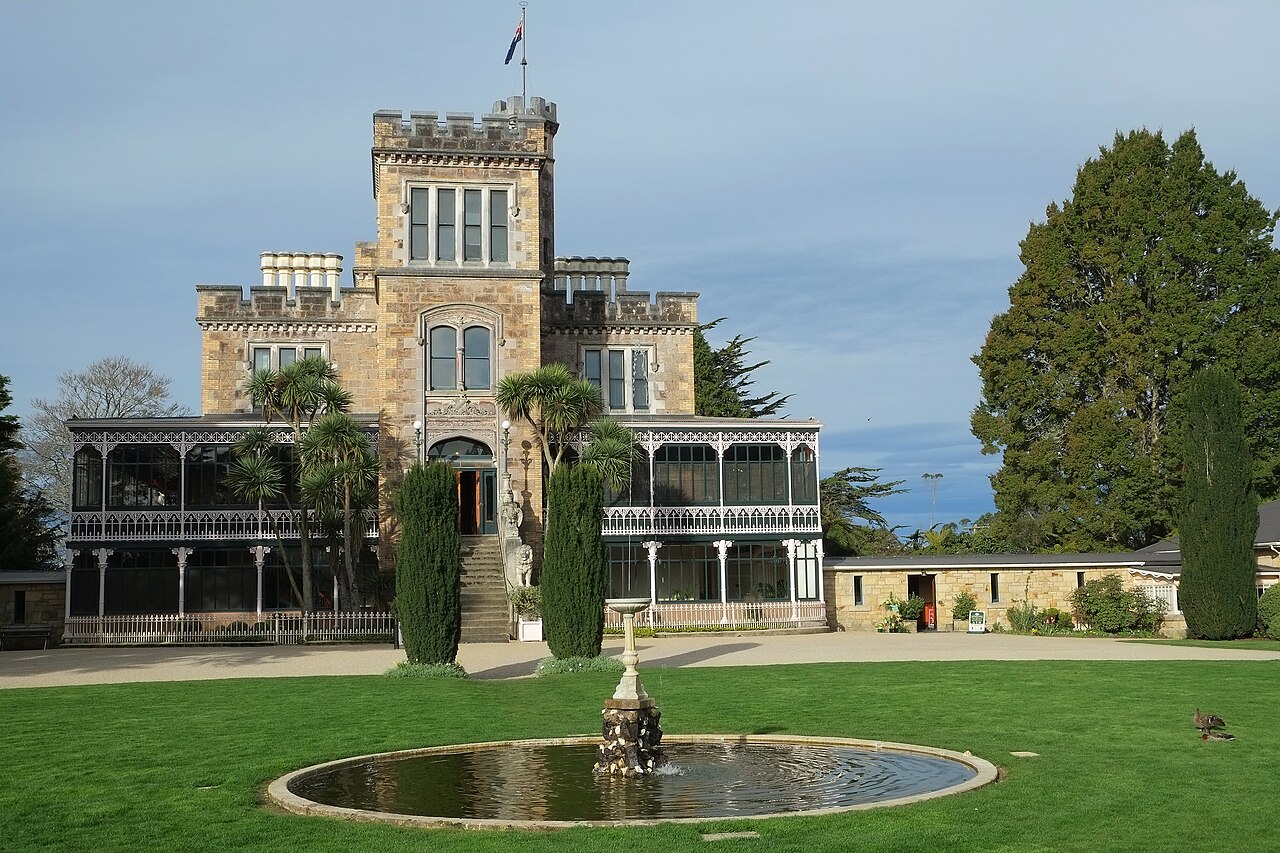
Unlike functional fortifications, some New Zealand buildings from the late 19th and early 20th centuries adopted castle-like architectural motifs, such as battlements, turrets, and crenellations. Notable examples include Larnach Castle on the Otago Peninsula, which embodies Gothic Revival style and serves more as a stately home than a defensive structure.
Architectural styles and european influences
European architectural influences arrived with British settlers and are visible in both military and private structures. The Gothic Revival style was particularly popular for grand residences, churches, and institutional buildings, emphasizing verticality, pointed arches, and decorative stonework.
Larnach Castle is the most prominent example of this style in New Zealand. Built between 1871 and 1874, it incorporates battlements and towers that evoke medieval castles, though its primary function was residential luxury rather than defense.
Military forts from the colonial period favored practical designs based on British military engineering principles. Earthworks, stone walls, and brick barracks were common, reflecting the need for durable defensive positions rather than ornamental features.
Regional variations in fortifications
Regional differences in New Zealand fortifications largely reflect the distribution of Māori iwi (tribes) and the focus of colonial settlement and conflict zones. The North Island, particularly around Auckland and the Waikato region, has a higher concentration of pā and colonial forts due to its dense pre-colonial population and the intensity of the New Zealand Wars.
In contrast, the South Island features fewer fortifications, with notable exceptions such as Larnach Castle, which highlights the colonial elite's influence rather than military necessity. Coastal artillery batteries in regions like Wellington and Lyttelton also illustrate strategic defensive efforts against potential maritime threats.
Preservation and current state of new zealand fortifications
Many indigenous pā sites survive today as archaeological remains and heritage landmarks, though some have suffered erosion or damage from development. Efforts by Māori communities and heritage organizations aim to protect and interpret these sites, recognizing their cultural and historical importance.
Colonial military forts and castle-inspired residences like Larnach Castle have generally been better preserved. Larnach Castle operates as a museum and tourist attraction, offering insight into New Zealand's colonial architecture and history. Other forts, such as those in Auckland, have been incorporated into urban parks or repurposed for modern uses, with varying degrees of conservation.
Castle tourism and accessibility in new zealand
While New Zealand does not attract castle tourism on the scale of Europe, several sites draw visitors interested in historic architecture and heritage. Larnach Castle is the premier destination for those seeking a castle experience, featuring guided tours, gardens, and accommodations that showcase its historical significance.
Visitors to Māori pā sites often engage with cultural tours that combine heritage education with understanding Māori traditions and history. Coastal forts near major cities are sometimes accessible as public parks or heritage trails, providing opportunities to explore New Zealand’s colonial military past.
Cultural significance and heritage of new zealand fortifications
New Zealand’s fortifications embody a rich cultural heritage that bridges indigenous and colonial histories. Māori pā sites are central to iwi identity, symbolizing resilience, innovation, and connection to the land. They serve as tangible links to ancestral ways of life and conflict resolution.
Colonial forts and castle-inspired buildings reflect the European settlers’ attempts to establish permanence and authority in a new land. These structures contribute to the national narrative of settlement, conflict, and cultural exchange. Their preservation helps foster understanding of New Zealand’s diverse historical layers and evolving identity.
Castles in New Zealand
Discover 3 magnificent castles across the country


Castle Locations in New Zealand
Explore all castle locations on an interactive map
Loading castle locations...