Lappeenranta Fortress
Lappeenranta Fortress is a significant bastioned fortress located in Lappeenranta, Finland, constructed between 1721 and 1792 to serve as a strategic military defense on the new border of Sweden-Finland after the Great Northern War. The fortress was part of a larger network of fortifications including Olavinlinna Castle and Hamina Fortress, designed to protect the region against Russian advances. Its location in Lappeenranta became critically important following the loss of Viborg Castle and large parts of Karelia to Russia in 1721, marking a shift in territorial control and military priorities.
Historical background and strategic importance
Fortifications had existed in Lappeenranta since the 17th century, but the city's military significance surged after the Great Northern War (1700-1721). The defeat of Sweden-Finland resulted in the cession of Viborg and surrounding areas to Russia, placing Lappeenranta on the new eastern frontier. Construction of the fortress began immediately after the war in 1721, reflecting urgent needs to strengthen border defenses. The fortress was designed as a bastioned fortification, a style that was prevalent in the post-Renaissance period for its effectiveness against artillery sieges.
The great northern war and aftermath
The war ended with the Treaty of Nystad in 1721, which redrew borders and left Lappeenranta as a frontier city. The fortress was intended to be a robust military installation to prevent further Russian incursions. Despite these efforts, during the War of 1741-1743, Russian forces captured the fortress after a fierce battle. The conflict resulted in the border shifting further west, placing Lappeenranta under Russian control.
Architectural features and military enhancements
The fortress was constructed following the bastioned fortress design principles, characterized by angular bastions projecting outward from the walls, allowing defenders to cover adjacent walls with crossfire. This design minimized blind spots and maximized defensive capabilities against attackers. The initial construction phase was followed by significant enhancements under Russian control, especially during the 1750s and again in 1791-1792, reflecting evolving military engineering and the need to adapt to advances in artillery technology.
Layout and structures
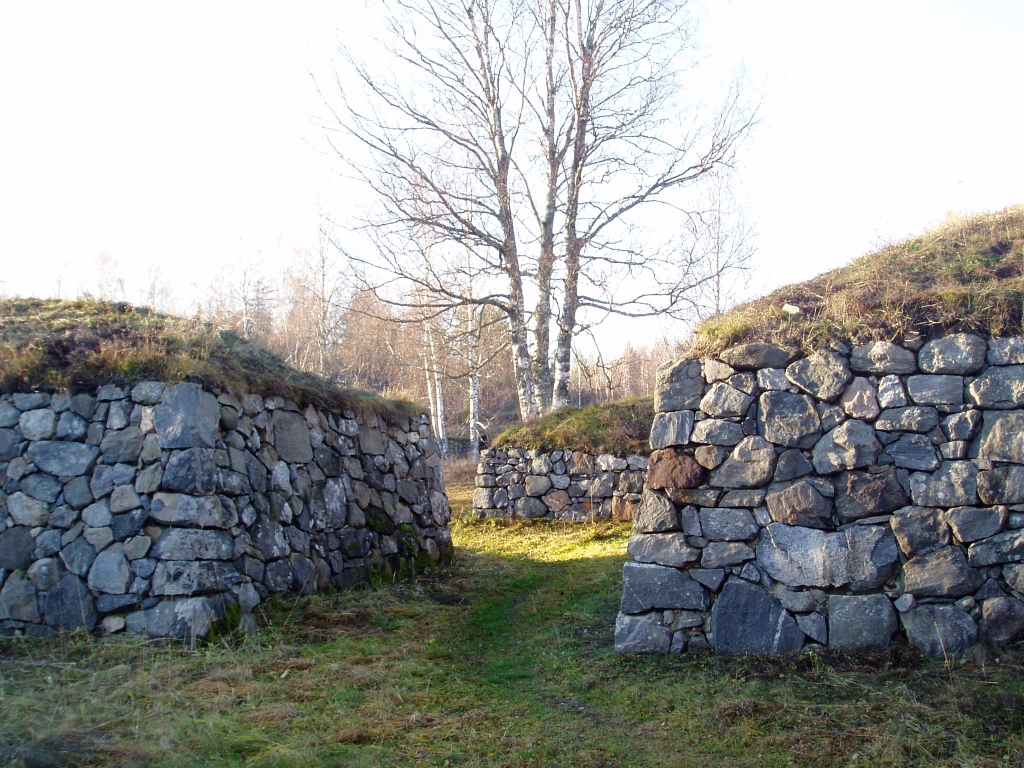
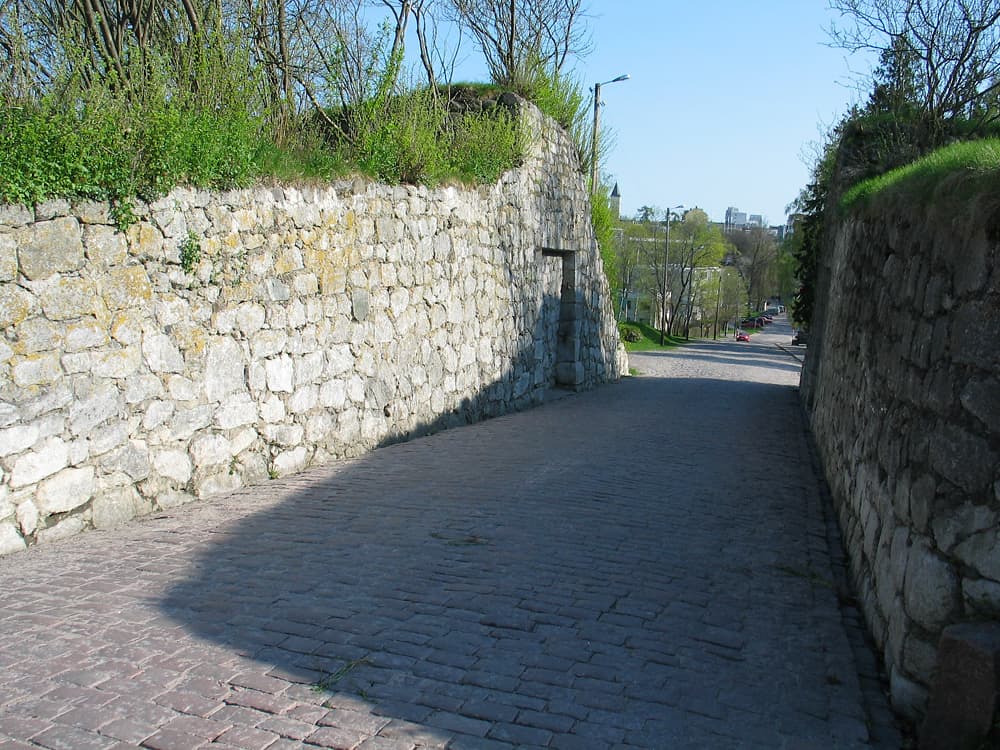
The fortress complex includes thick defensive walls, bastions, ravelins, and moats, arranged to create overlapping fields of fire. Inside the walls, there were garrison buildings, magazines, and command posts. The design reflects the post-Renaissance military architectural style, emphasizing geometry and functionality. The fortress was also equipped with artillery placements to defend against sieges.
Later uses and historical events
After the Finnish War (1808-1809), the fortress lost much of its military value as Finland became an autonomous Grand Duchy under Russian rule. From 1810 onwards, it was repurposed as a garrison and prison. The fortress also played a somber role during the Finnish Civil War in 1918, where captured Red Guards were imprisoned and executed within its walls.
20th-century transformations
In the 20th century, the fortress transitioned from a military installation to a cultural and historical site. Renovations have preserved much of the fortress structure, and the former garrison buildings have been adapted for new uses. Today, the complex houses the South Karelian Museum and Art Museum, as well as artists' and craft workshops, Lappeenranta's Orthodox church and parish hall, a children's art school, and a café. These adaptations have made the fortress a vibrant cultural hub while maintaining its historical character.
Visitor experience and cultural significance
Visitors to Lappeenranta Fortress can explore the well-preserved bastions, walls, and internal buildings that illustrate the military architecture of the 18th century. The site offers insights into Finland's turbulent history, especially the shifting borders and conflicts between Sweden and Russia. The museums and cultural institutions within the fortress provide educational exhibits and artistic displays that enrich the visitor experience. The fortress grounds also host events and exhibitions, making it an active part of Lappeenranta's community life.
Access and amenities
The fortress is accessible to the public and includes facilities such as guided tours, exhibition spaces, and a café. Its location in the city center makes it an easy destination for tourists and locals alike. The blend of military history and contemporary culture offers a unique experience for those interested in architecture, history, and art.
Frequently asked questions (FAQ)
- What is the historical significance of Lappeenranta Fortress?
- Lappeenranta Fortress, built in the 18th century, played a crucial role in the defense of Finland during various wars, particularly against Russia. It showcases the military architecture of its time and represents Finland's turbulent history as part of the Swedish and later Russian empires.
- When was Lappeenranta Fortress built?
- Construction of Lappeenranta Fortress began in 1720 and continued through the 18th century. The fortress has undergone several modifications over the years, reflecting the evolving military needs and architectural styles of different periods.
- Can I visit Lappeenranta Fortress?
- Yes, Lappeenranta Fortress is open to visitors year-round, offering a unique glimpse into historical military architecture. Guided tours are available to enhance your experience and provide deeper insights into the fortress's history.
- What are the opening hours for Lappeenranta Fortress?
- The fortress is generally open from 10 AM to 6 PM during the summer months, while winter hours may vary. It is advisable to check the official website for the most current information on opening times and any seasonal changes.
- Is it possible to explore the architecture of Lappeenranta Fortress?
- Absolutely! Visitors can wander through the well-preserved structures and enjoy the stunning views of Lake Saimaa. The fortress features impressive bastions, ramparts, and historical buildings that reflect the military engineering of the 18th century.
- What is the best time to visit Lappeenranta Fortress?
- The best time to visit is during the summer months when the weather is pleasant, and all facilities are fully operational. Spring and autumn also offer beautiful scenery, but some activities may be limited during these seasons.
- Are there any nearby attractions to Lappeenranta Fortress?
- Yes, nearby attractions include the Lappeenranta Museum of Art and the beautiful Lake Saimaa. The area is also known for its charming parks and waterfront, offering opportunities for leisurely walks and picnics.
- What are the ticket prices for Lappeenranta Fortress?
- Entry to Lappeenranta Fortress is typically free, but some guided tours and special exhibitions may have a nominal fee. It's best to check the official site for current pricing and any available discounts.
- How do I get to Lappeenranta Fortress?
- Lappeenranta Fortress is easily accessible by public transportation, with buses regularly serving the area. If you’re driving, there is parking available nearby, making it convenient for visitors arriving by car.

Information
Website
Visit websiteSources & official resources
Verify the information above using these authoritative references.
Loading map...
Visitor reviews
No reviews yet. Been here? Write the first review and help other travelers!
Write the first reviewVisited this castle? Share your experience
Your review helps other travelers and adds first-hand knowledge to our encyclopedia.