Lalbagh Fort
Lalbagh Fort (Bengali: লালবাগ কেল্লা, romanized: Lālbāg Kēllā) stands as a significant 17th-century Mughal bastioned fortress located in the historic heart of Dhaka, Bangladesh. The fort's name, derived from its neighborhood Lalbagh meaning "Red Garden," reflects the distinctive reddish and pinkish hues characteristic of Mughal architecture. Originally known as Fort Aurangabad, its construction began under the direction of Prince Muhammad Azam Shah, the son of Emperor Aurangzeb and briefly a Mughal emperor himself. After the prince's recall by his father, the fort's completion was overseen by Shaista Khan, the powerful Subahdar (governor) of Mughal Bengal.
Historical background and construction
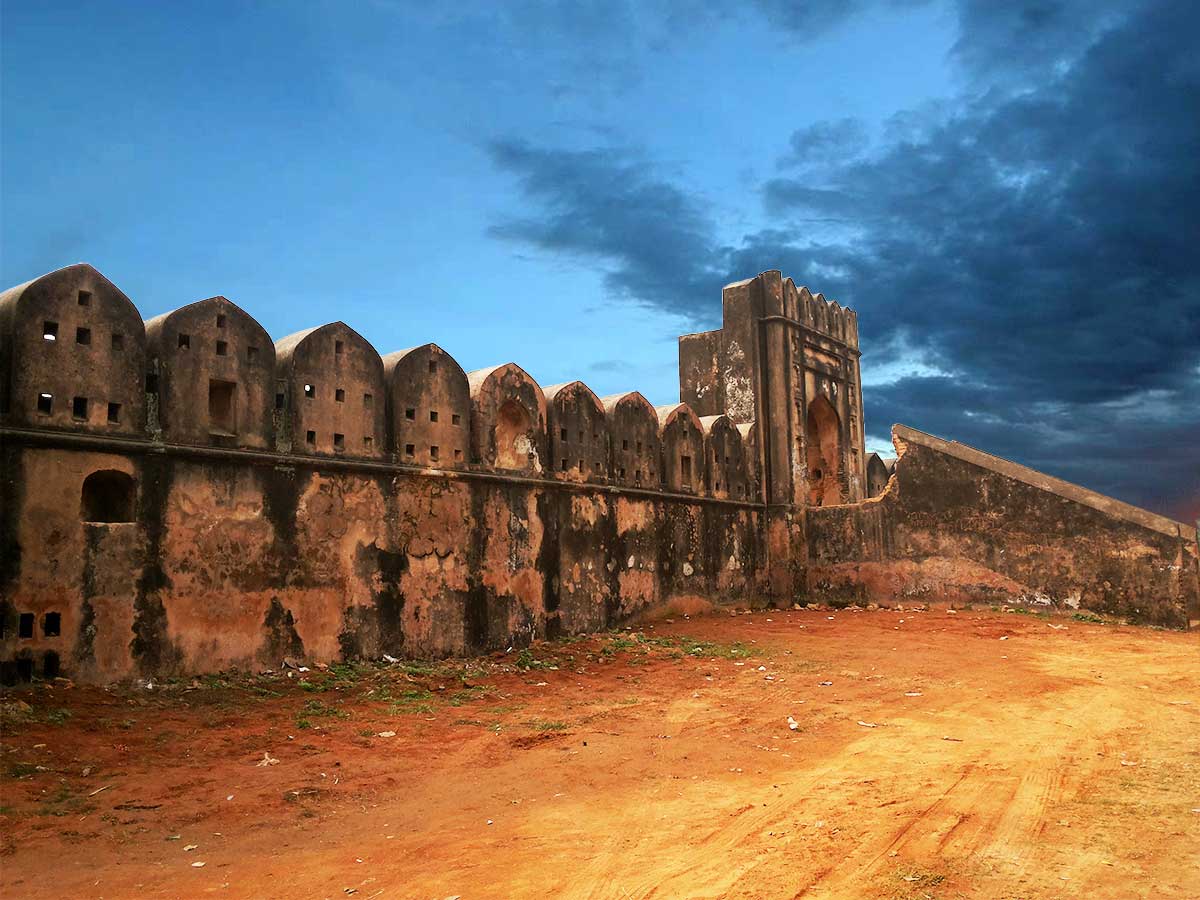
The fort was intended as the residence and administrative center for the governor of the prosperous Mughal province of Bengal. Its construction commenced in the mid-17th century during the height of Mughal power under Aurangzeb's reign. The fort complex was designed as a smaller-scale model of grand Mughal forts such as the Red Fort in Delhi and Fatehpur Sikri, incorporating typical features like massive defensive walls, bastions, and ornate gateways.
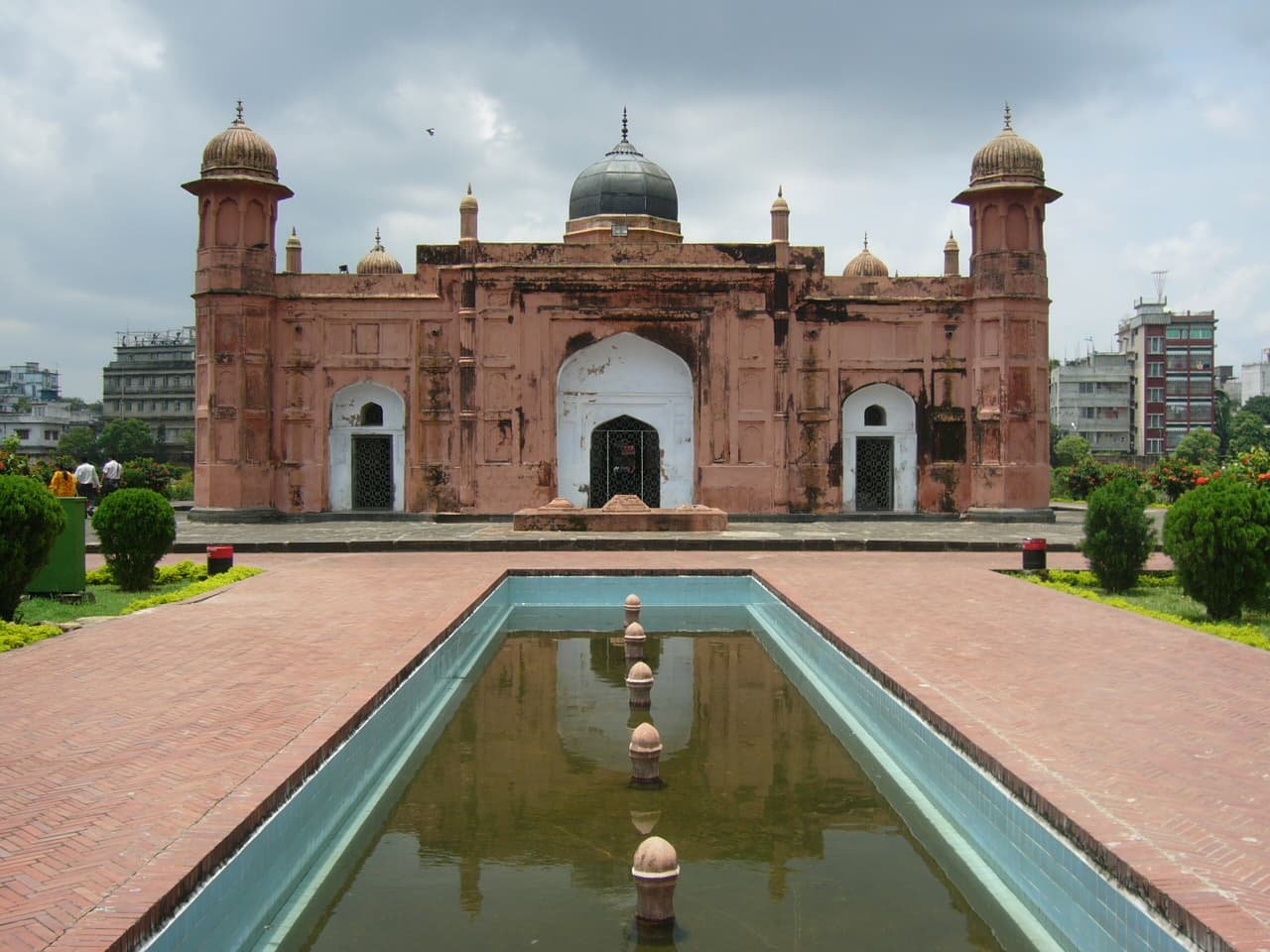
The fort's construction was halted following the death of Pari Bibi ("Fairy Lady"), the daughter of Shaista Khan, who was buried within the fort's grounds. Shaista Khan reportedly considered this event an ill omen, leading to the suspension of further building works. The fort today includes the tomb of Pari Bibi, a mosque, and the governor's residence, all set within carefully maintained lawns, fountains, and water channels that exemplify Mughal garden design principles.
Architectural features and layout
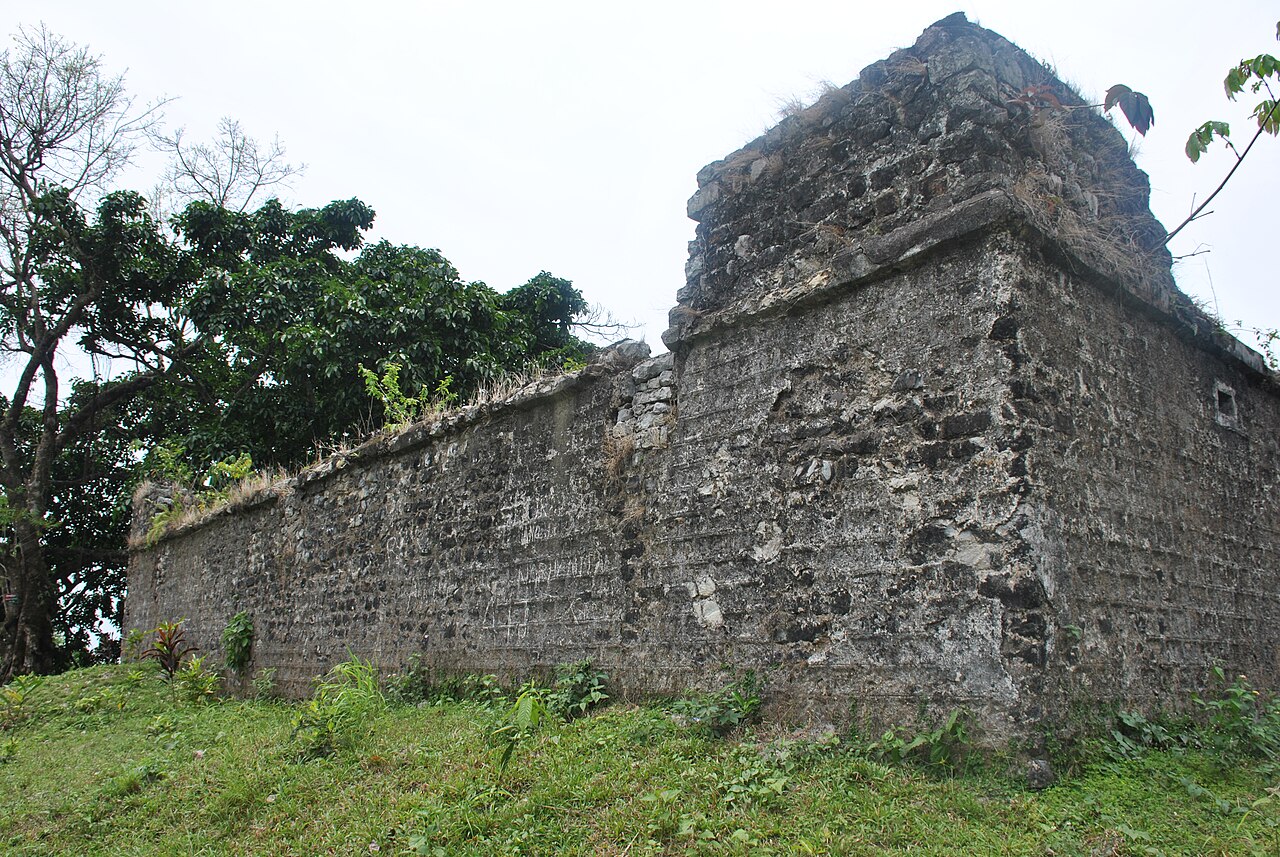
Lalbagh Fort is classified as a bastioned fortress, a style characterized by angular bastions designed to improve defensive capabilities against artillery fire. The fort's walls are robust and punctuated by bastions at strategic points, providing vantage points for Mughal artillery that once guarded the complex. The fort originally had two grand south gates featuring imposing arches, which served as ceremonial entrances.
The complex's layout reflects the Mughal emphasis on symmetry and aesthetics, with the governor's house centrally located, flanked by the mosque and the tomb of Pari Bibi. The gardens and water features within the fort follow the traditional charbagh style, a quadrilateral garden divided by walkways or flowing water, symbolizing paradise in Islamic culture.
Though once situated beside the Buriganga River, the river has since receded, altering the fort's immediate surroundings. Despite this, Lalbagh Fort's strategic location within Dhaka helped establish the city as a key imperial center during the Mughal era.
Historical significance and cultural impact
During Emperor Aurangzeb's reign, Bengal emerged as the economic powerhouse of the Mughal Empire, earning the title "Paradise of Nations." Dhaka, as the provincial capital, flourished with wealth and political importance. Lalbagh Fort symbolized this prosperity and served as a seat of governance and military strength.
The fort's association with prominent figures like Prince Muhammad Azam Shah and Shaista Khan highlights its role in Mughal imperial politics. It also reflects the architectural and cultural synthesis characteristic of Mughal Bengal, blending military functionality with refined aesthetics.
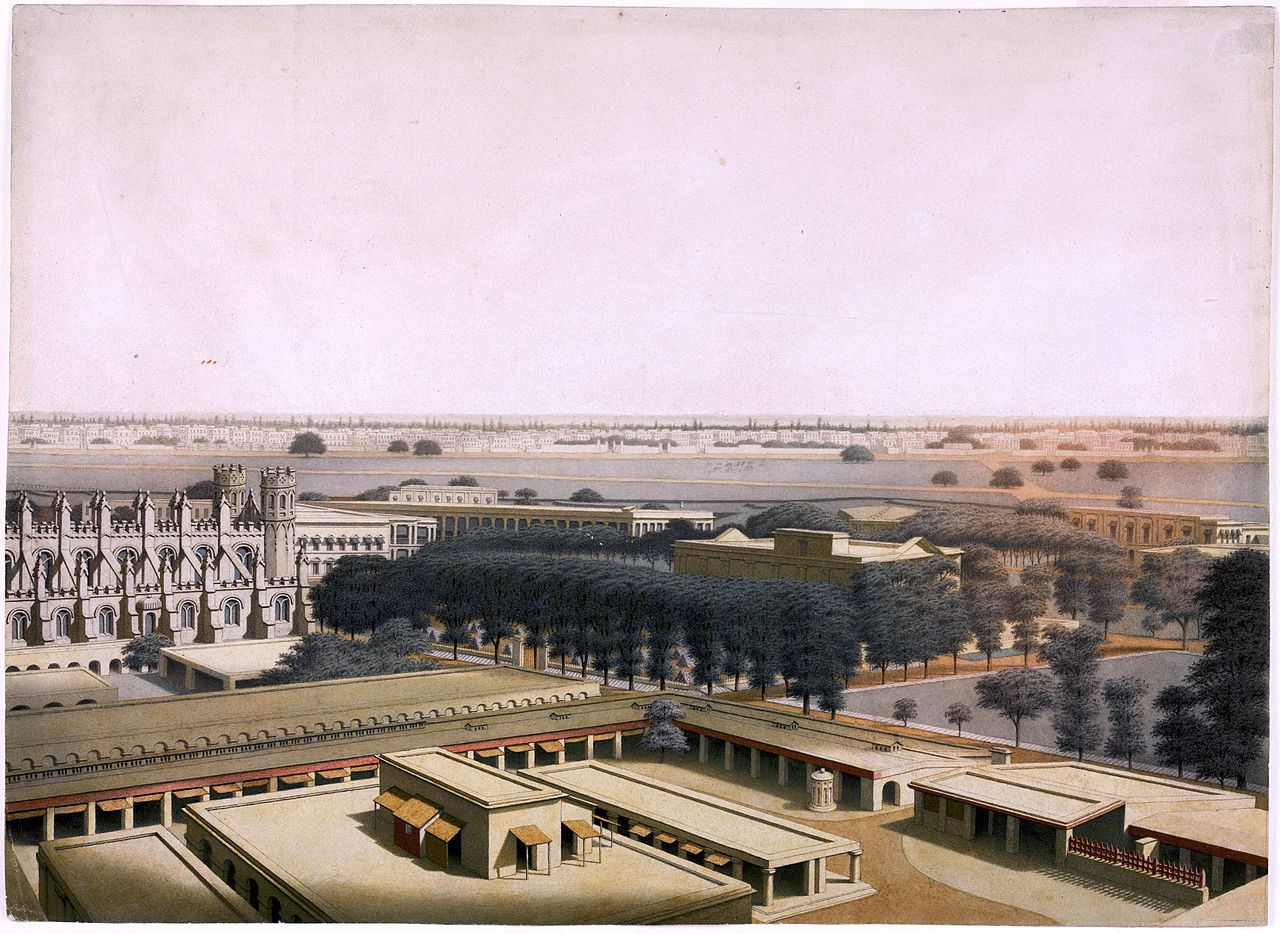
European artists and travelers of the 18th and 19th centuries often depicted Lalbagh Fort in their works, underscoring its prominence and architectural grandeur in the region's landscape.
Preservation and modern status
Today, Lalbagh Fort is one of the most visited historical sites in Dhaka, attracting tourists and scholars interested in Mughal history and architecture. Several pieces of original artillery remain displayed within the fort, offering insight into its defensive role.
Conservation efforts have been supported by organizations such as the Ambassadors Fund for Cultural Preservation, which funds restoration projects to maintain the fort's structural integrity and historical authenticity. These initiatives aim to preserve Lalbagh Fort as a cultural heritage landmark and educational resource.
The fort remains a powerful symbol of Mughal rule in Bengal and continues to contribute to the cultural identity and historical narrative of Bangladesh.
Frequently asked questions (FAQ)
- How do I get to Lalbagh Fort in Dhaka?
- Lalbagh Fort is located in the old city area of Dhaka and is accessible by taxi, rickshaw, or local bus services. It is well-signposted and near other historical landmarks in Dhaka.
- What are the opening hours of Lalbagh Fort?
- Lalbagh Fort is generally open to visitors from morning until late afternoon, typically between 9:00 AM and 5:00 PM daily, but it's advisable to check locally for any changes.
- Is there an entrance fee to visit Lalbagh Fort?
- There is a modest entrance fee to visit Lalbagh Fort, which helps fund its maintenance and preservation. Fees may vary for locals and foreign tourists.
- What architectural style is Lalbagh Fort built in?
- Lalbagh Fort is built in the Mughal architectural style with features typical of a bastioned fortress, including robust walls, bastions, ornamental gateways, and charbagh gardens.
- Can I see the tomb of Pari Bibi inside the fort?
- Yes, the tomb of Pari Bibi, the daughter of Shaista Khan, is located within Lalbagh Fort and is accessible to visitors as part of the historical complex.
- Why was the construction of Lalbagh Fort halted?
- Construction was halted after the death of Pari Bibi, Shaista Khan's daughter, who was buried inside the fort. Shaista Khan considered this a bad omen, leading to the suspension of further building.
- Are there guided tours available at Lalbagh Fort?
- Guided tours are often available and recommended to gain deeper insight into the fort's history, architecture, and significance within Mughal Bengal.
Photo gallery

Photo by No machine-readable author provided. Shmunmun assumed (based on copyright claims).•Public domain
Information
Current owner
Government of Bangladesh
Loading map...
Visitor reviews
No reviews yet. Been here? Write the first review and help other travelers!
Write the first reviewVisited this castle? Share your experience
Your review helps other travelers and adds first-hand knowledge to our encyclopedia.