Hajiganj Fort
Hajiganj Fort, also known as Khizirpur Fort, is a significant 17th-century Mughal bastioned fortress located in the Hajiganj locality of Narayanganj, Bangladesh. Positioned strategically on the western bank of the Shitalakshya River, this fort exemplifies the military architecture of the Mughal period, designed to protect the region from riverine invasions and maintain control over important waterways.
Historical context and strategic importance
Constructed during the Mughal era in the 17th century, Hajiganj Fort served as a crucial defensive structure in the Bengal region. The fort was part of a network of fortifications built to secure the prosperous trade routes along the rivers and to defend the Mughal territories from external threats, including pirates and rival factions. Its location on the Shitalakshya River allowed control over river traffic and provided a vantage point for monitoring movements along this vital waterway.
Architectural features and design
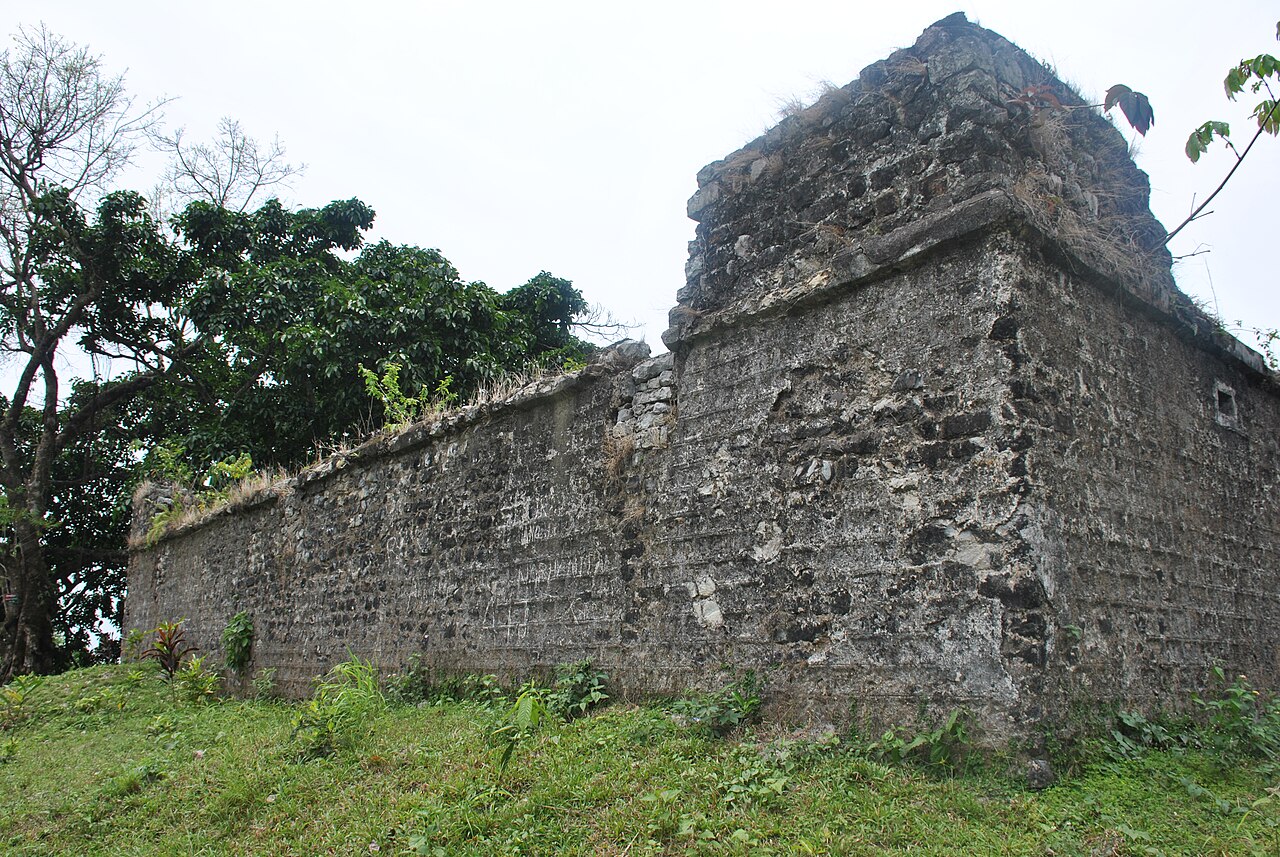
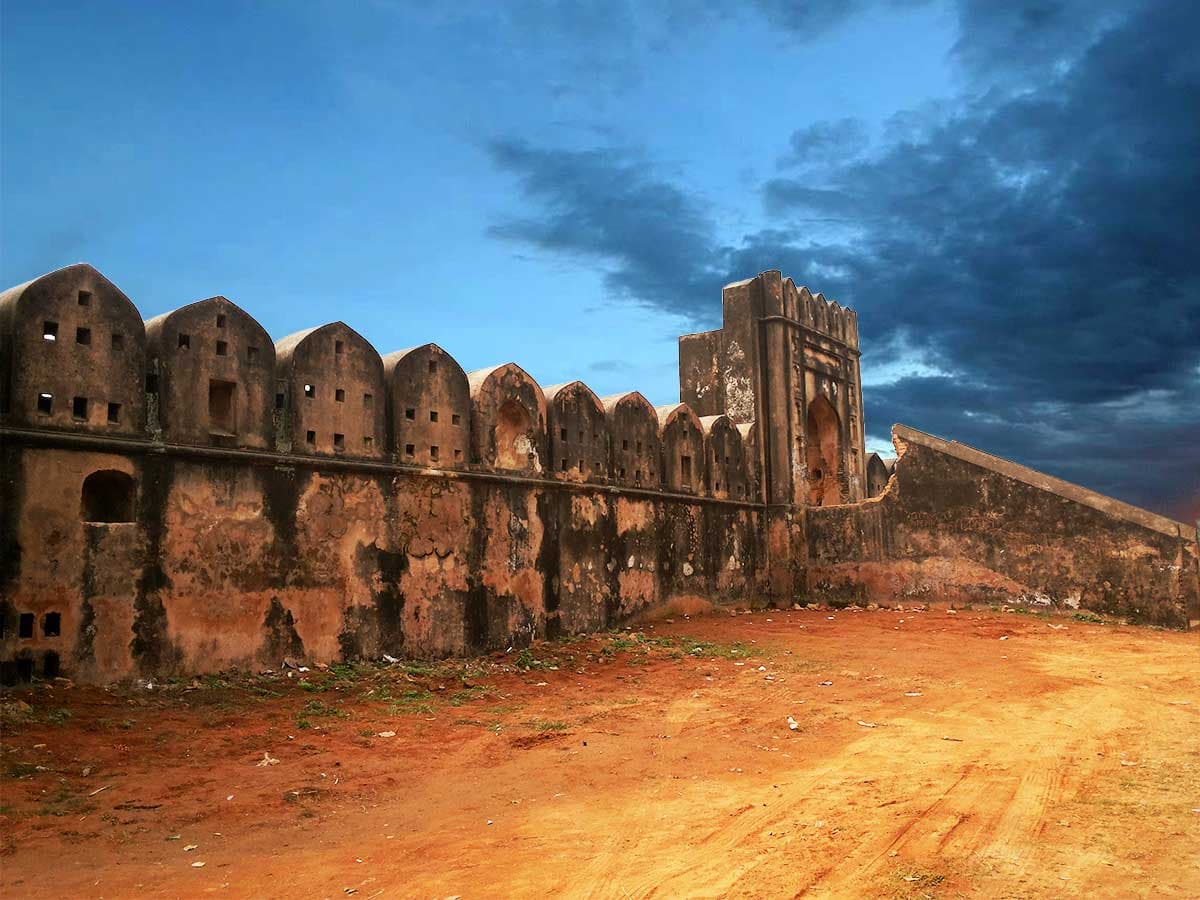
Hajiganj Fort is classified as a bastioned fortress, a style characterized by angular bastions projecting from the curtain walls. These bastions allowed defenders to cover adjacent walls with gunfire, eliminating blind spots and enhancing the fort's defensive capabilities. The fort's walls are robust and thick, constructed from brick and lime mortar, materials typical of Mughal military architecture in Bengal.
The fort's layout includes multiple bastions arranged to provide overlapping fields of fire. The entrance gate is fortified, likely featuring a heavy wooden door reinforced with iron spikes, typical of the period. Inside, the fort would have contained barracks, storage facilities, and possibly a small mosque or prayer area for the garrison. Although much of the internal structure has not survived intact, the remaining walls and bastions convey the fort's original scale and strength.
Defensive elements
The bastions are designed to mount cannons and other artillery, reflecting the military technology of the 17th century. The fort's position by the river also suggests the presence of a defensive moat or water barrier, enhancing protection against land assaults. The thick walls and limited entry points would have made the fort difficult to capture by force.
Cultural and historical significance
Hajiganj Fort is an important heritage site that offers insights into the military strategies and architectural practices of the Mughal period in Bengal. It stands as a testament to the region's historical role as a center of commerce and defense. The fort also reflects the Mughal emphasis on integrating military functionality with strategic geography, utilizing natural features like rivers to strengthen defenses.
Today, Hajiganj Fort is recognized as a protected archaeological site. Despite the ravages of time and environmental factors, the fort remains a prominent landmark in Narayanganj and attracts historians, architects, and tourists interested in Mughal military architecture and Bengal's history.
Preservation and current condition
The fort is currently in a state of partial preservation. While some bastions and sections of the curtain wall remain intact, other parts have deteriorated due to neglect and natural wear. Conservation efforts have been proposed to stabilize the structure and prevent further decay, but comprehensive restoration has yet to be undertaken.
Visitors to Hajiganj Fort can observe the imposing bastions and the outline of the original fortifications. The site offers a tangible connection to the Mughal era's military and architectural heritage in Bangladesh.
Photo gallery

Information
Loading map...
Visitor reviews
No reviews yet. Been here? Write the first review and help other travelers!
Write the first reviewVisited this castle? Share your experience
Your review helps other travelers and adds first-hand knowledge to our encyclopedia.