Fort William (West Bengal)
Fort William in Kolkata, India, is a prominent bastioned fortress constructed during the 17th century under British colonial administration in Bengal. Named after King William III, the fort was strategically positioned on the eastern banks of the River Hooghly, a vital distributary of the River Ganga. This location allowed the British to control river access and protect their interests in the region, making it one of the most significant military fortifications built during the early years of British rule in India.
The fort covers an extensive area of approximately seventy hectares, making it one of the largest British-era military complexes in eastern India, alongside counterparts in Bombay (Mumbai) and Madras (Chennai). Its design incorporates classic features of a bastioned fortress, including thick defensive walls, bastions for artillery placement, and a layout optimized for defense against both riverine and land-based threats.
Historical context and construction
Fort William was originally built between 1696 and 1702 to replace an earlier fortification that was deemed inadequate for defense. The construction was part of the British East India Company's efforts to consolidate their power in Bengal amidst competition from other European powers and local rulers. The fort's design reflects Renaissance military architecture principles adapted for the Indian context, emphasizing angled bastions and robust ramparts to withstand artillery bombardment.
The fort played a critical role during the 18th century, particularly during the Battle of Plassey in 1757, which marked the beginning of British dominance in Bengal. It also witnessed the infamous Black Hole of Calcutta incident in 1756, when an internal guard room was used to imprison British captives under harsh conditions, resulting in significant loss of life. This event heightened British resolve to strengthen their military presence in the region.
Architectural features and layout
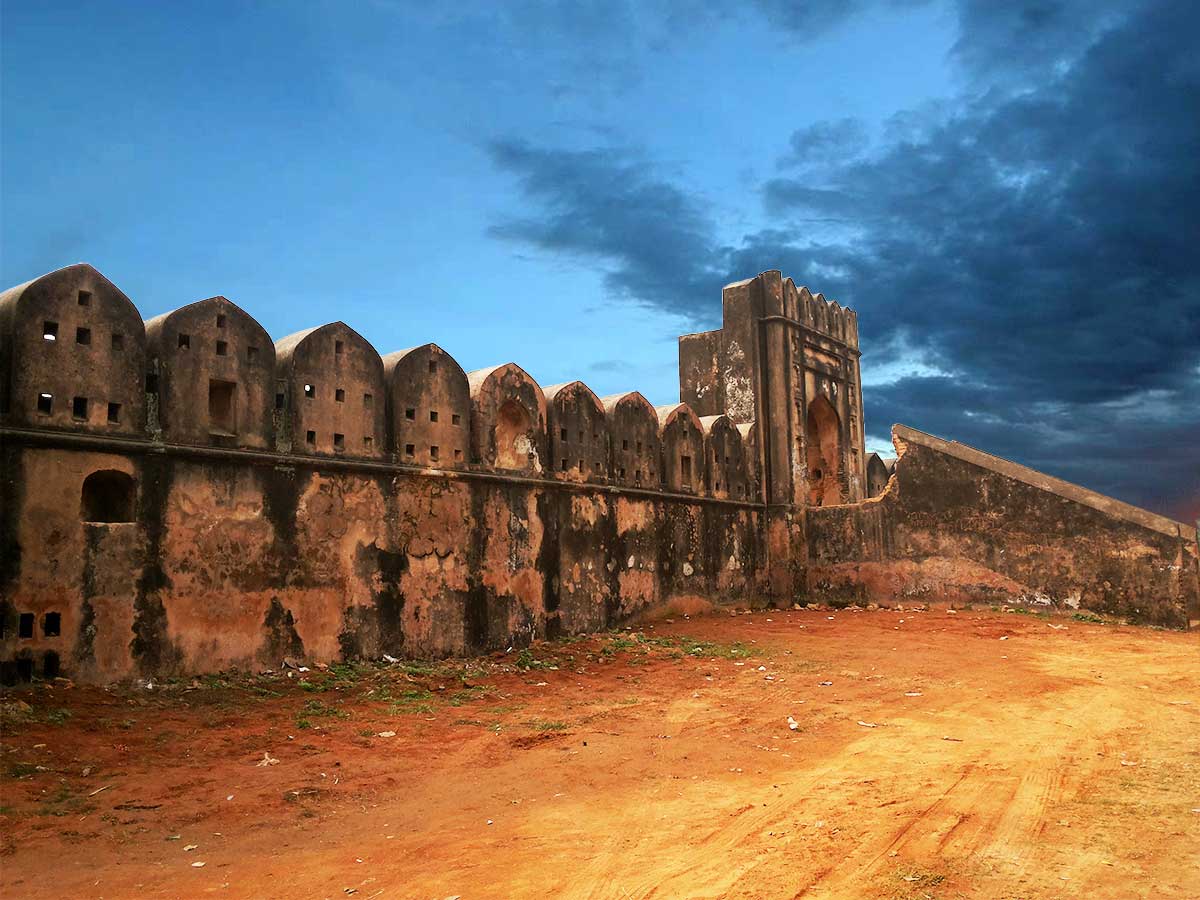
The fortress is characterized by its massive stone walls and bastions that provided overlapping fields of fire. The walls are punctuated by several gates, including the main entrance which was heavily fortified and guarded. Inside, the fort contains a complex of military buildings, barracks, armories, and administrative offices.
The fort's proximity to the river allowed for a defensive moat and facilitated supply and troop movements by water. The design includes a large parade ground known as the Maidan, which today remains the largest urban park in India, lying directly in front of the fort. This open space was historically used for military drills and public events.
The black hole of Calcutta
One of the most notorious events associated with Fort William is the Black Hole of Calcutta, a small dungeon within the fort where British prisoners were confined in overcrowded and suffocating conditions in 1756. The tragedy resulted in the deaths of many prisoners and became a symbol of colonial suffering and justification for British military intervention.
Modern significance and current use
Today, Fort William serves as the headquarters of the Eastern Command of the Indian Army. It remains a well-preserved example of colonial military architecture and is a restricted military area, not generally open to the public. The fort's enduring presence highlights its continued strategic importance and its role as a symbol of Kolkata's colonial past.
Its location adjacent to the Maidan park and the bustling city center makes it a prominent landmark. While public access inside the fort is limited, the surrounding areas and the Maidan are popular recreational spaces for residents and visitors alike.
Fort William's role in Kolkata's urban landscape
The fort's establishment influenced the urban development of Kolkata, shaping the city's layout and defense strategy. The expansive Maidan in front of the fort provides a green lung in the city, hosting cultural events, sports, and public gatherings. Fort William and the Maidan together form a historical and cultural axis that connects Kolkata's colonial heritage with its modern identity.
Frequently asked questions (FAQ)
- What is the historical significance of Fort William?
- Fort William, built in 1696, is a symbol of British colonial power in India. It played a crucial role during the various conflicts between the British and Indian forces, especially during the Battle of Plassey in 1757, marking a turning point in Indian history.
- When was Fort William completed?
- Construction of Fort William began in 1696 and was completed in 1706. The fort was named after King William III of England and has since been a key military installation in India.
- Can I visit Fort William?
- Yes, Fort William is open to visitors, but access is restricted as it is an active military base. Visitors may need to obtain permission and should check in advance for any specific entry requirements.
- What are the opening hours of Fort William?
- Fort William is generally open to the public from 9 AM to 5 PM. However, due to its status as a military installation, it is advisable to confirm the hours in advance, as they may vary based on security protocols.
- Is it possible to explore the architecture of Fort William?
- Yes, visitors can explore the impressive architecture of Fort William, which features a blend of European and Indian styles. The fort's ramparts, bastions, and the iconic black flagstaff are notable highlights for architecture enthusiasts.
- What is the best time to visit Fort William?
- The best time to visit Fort William is during the winter months, from November to February, when the weather is pleasant and ideal for sightseeing. During this time, visitors can enjoy a comfortable climate while exploring the fort and its surroundings.
- Are there any nearby attractions to Fort William?
- Yes, several attractions are located near Fort William, including the Victoria Memorial, Indian Museum, and the Maidan. These sites offer additional cultural and historical insights, making them perfect for a day of exploration in Kolkata.
- What are the ticket prices for visiting Fort William?
- Visiting Fort William may not require a ticket for entry, but visitors should confirm any applicable fees or permissions beforehand. If there are special tours or events, separate charges may apply.
- How do I get to Fort William?
- Fort William is located in the heart of Kolkata and is easily accessible by public transportation, including buses and the metro. Taxis and rideshare services are also readily available for a more direct route to the fort.
Photo gallery

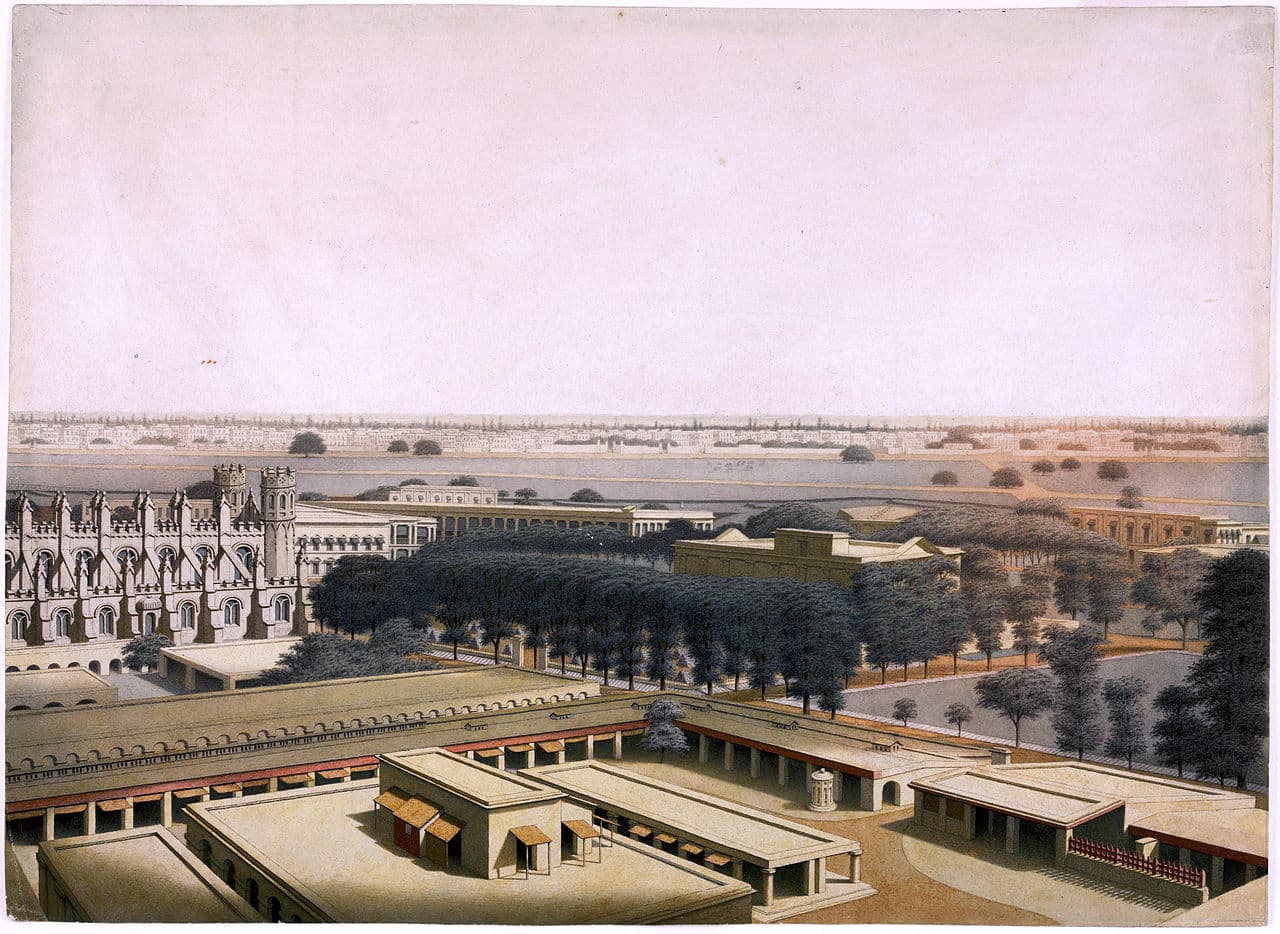
Photo by William Wood (fl. 1827–1833)•Public domain
Information
Current owner
Indian Army
Loading map...
Visitor reviews
No reviews yet. Been here? Write the first review and help other travelers!
Write the first reviewVisited this castle? Share your experience
Your review helps other travelers and adds first-hand knowledge to our encyclopedia.