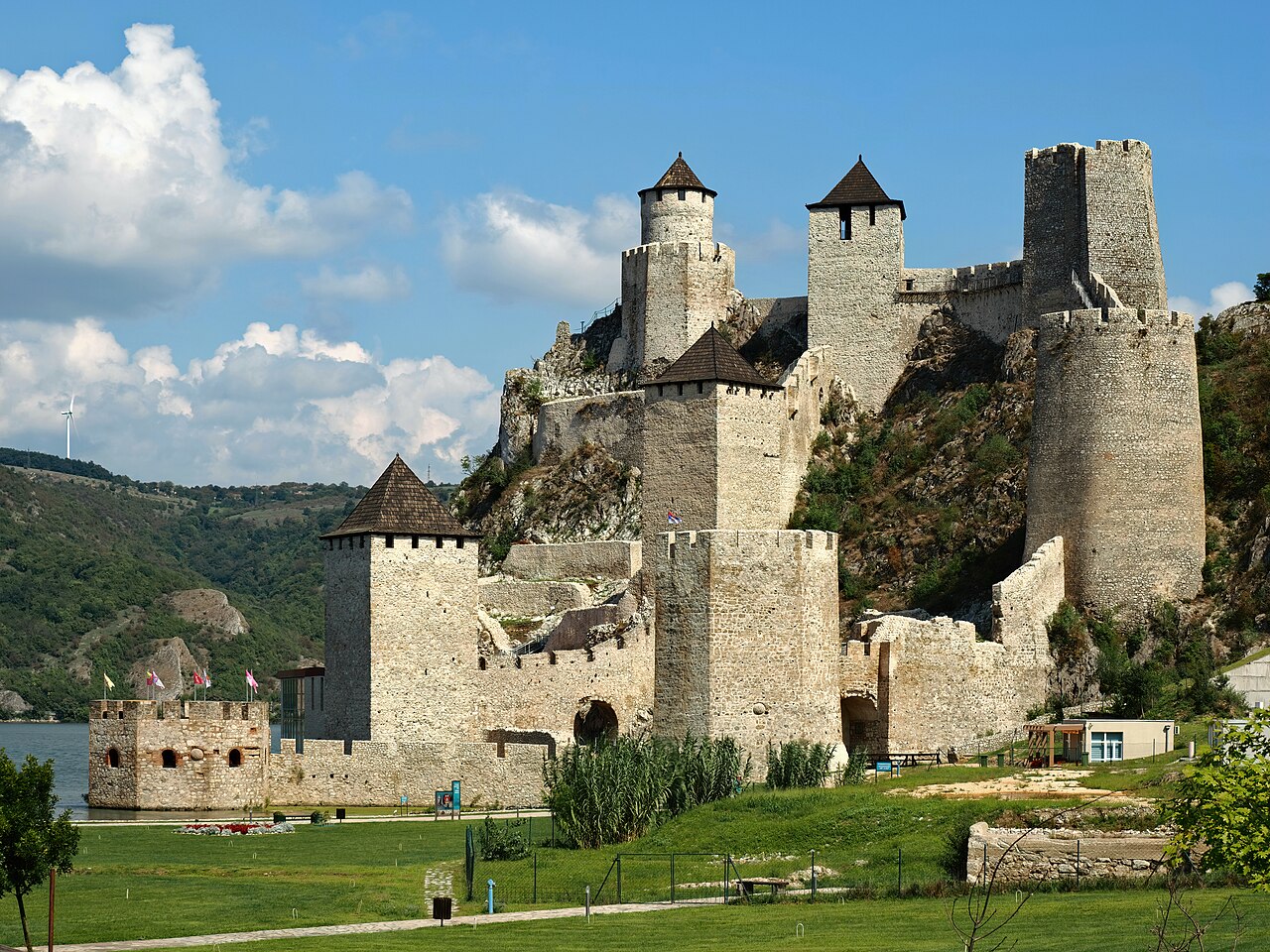
Ladislaus Fortress is a prominent example of a 15th-century bastioned fortress located in Romania. This late medieval military structure reflects the architectural and defensive innovations of its time, designed to withstand the evolving threats posed by artillery and siege warfare.
Historical context and strategic importance
The fortress was constructed during the 15th century, a period marked by significant military and political upheaval in Eastern Europe. The rise of the Ottoman Empire and frequent conflicts in the region necessitated the development of more robust fortifications. Ladislaus Fortress was built to serve as a defensive stronghold, protecting local territories and controlling key routes.
Its location in Romania placed it at a crossroads of cultural and military influences, where Western European bastion designs began to be integrated with local building traditions. This fusion resulted in a fortress that was both functional and adapted to the specific geographic and tactical demands of the area.
Architectural features and design
Ladislaus Fortress exemplifies the characteristics of a bastioned fortress, a style that emerged in response to the increased use of gunpowder artillery. The fortress features angular bastions projecting from its walls, allowing defenders to cover adjacent walls with overlapping fields of fire, minimizing blind spots.
The walls are constructed from robust stone masonry, designed to absorb and deflect cannon fire. The fortress likely includes thick curtain walls, moats, and earthen ramparts to enhance its defensive capabilities. The bastions would have been equipped with artillery positions, enabling defenders to launch counterattacks against besieging forces.
Inside, the fortress would have contained essential military and residential structures, including armories, barracks, and command posts. The layout was planned for both defense and the accommodation of a garrison capable of sustained resistance.
Construction techniques and materials
The builders employed local stone and mortar, ensuring the fortress blended with the surrounding landscape while providing maximum durability. The construction techniques reflect the transition from medieval to early modern fortification methods, incorporating lessons learned from contemporary European military architecture.
The use of bastions represented a shift from traditional high-walled castles to lower, thicker walls better suited to withstand artillery bombardment. This architectural evolution is evident in the fortress's design, which balances vertical and horizontal defensive elements.
Cultural and heritage significance
Ladislaus Fortress holds cultural importance as a symbol of regional resilience during a turbulent era. It represents the adaptation of military architecture to new technologies and threats, illustrating the historical narrative of Romania's borderlands.
Today, the fortress stands as a testament to the strategic ingenuity of its builders and offers insights into the military history of the late medieval period in Eastern Europe. It attracts historians, architects, and visitors interested in the development of bastioned fortifications and the historical dynamics of the region.
Preservation and current condition
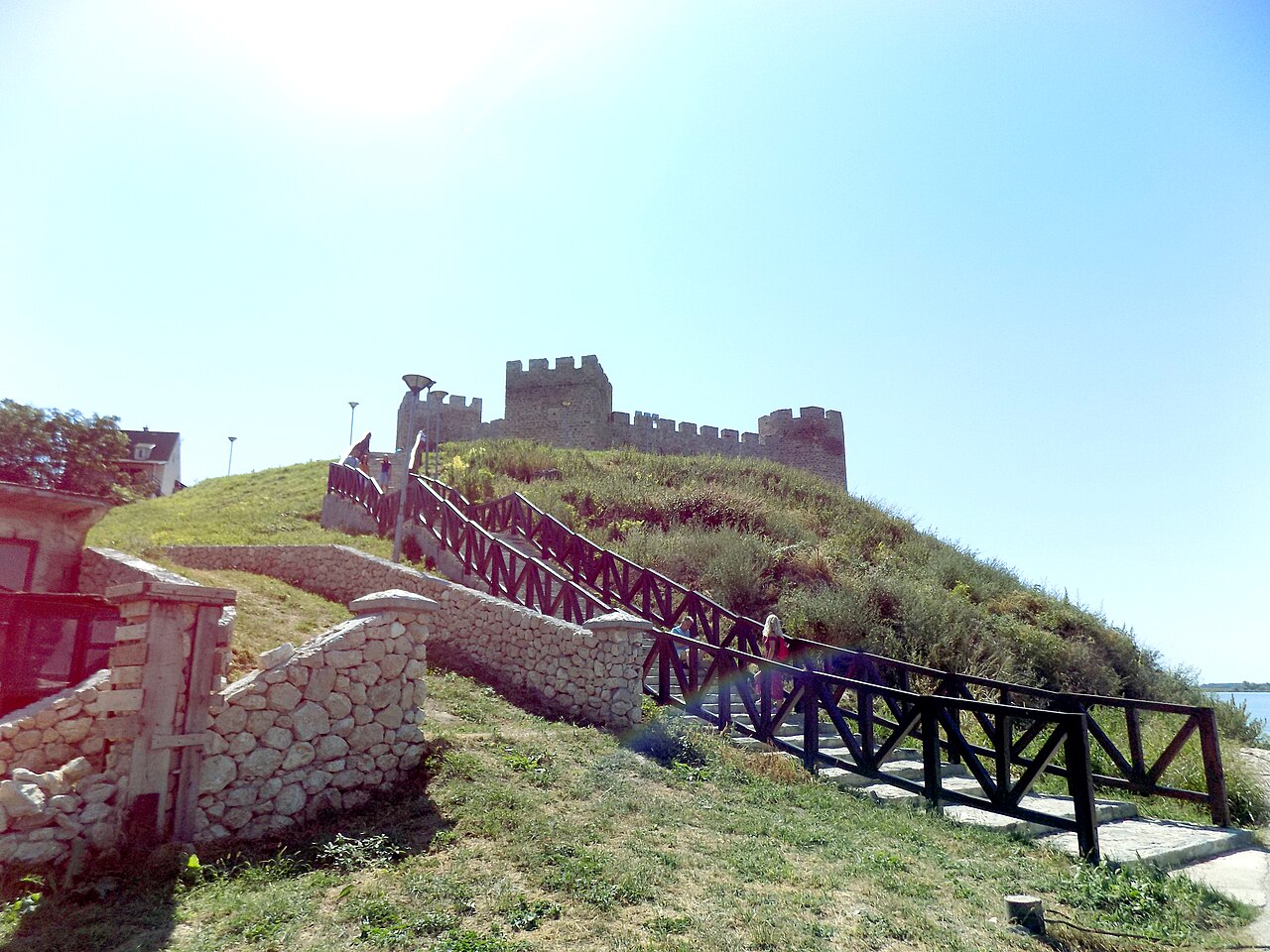
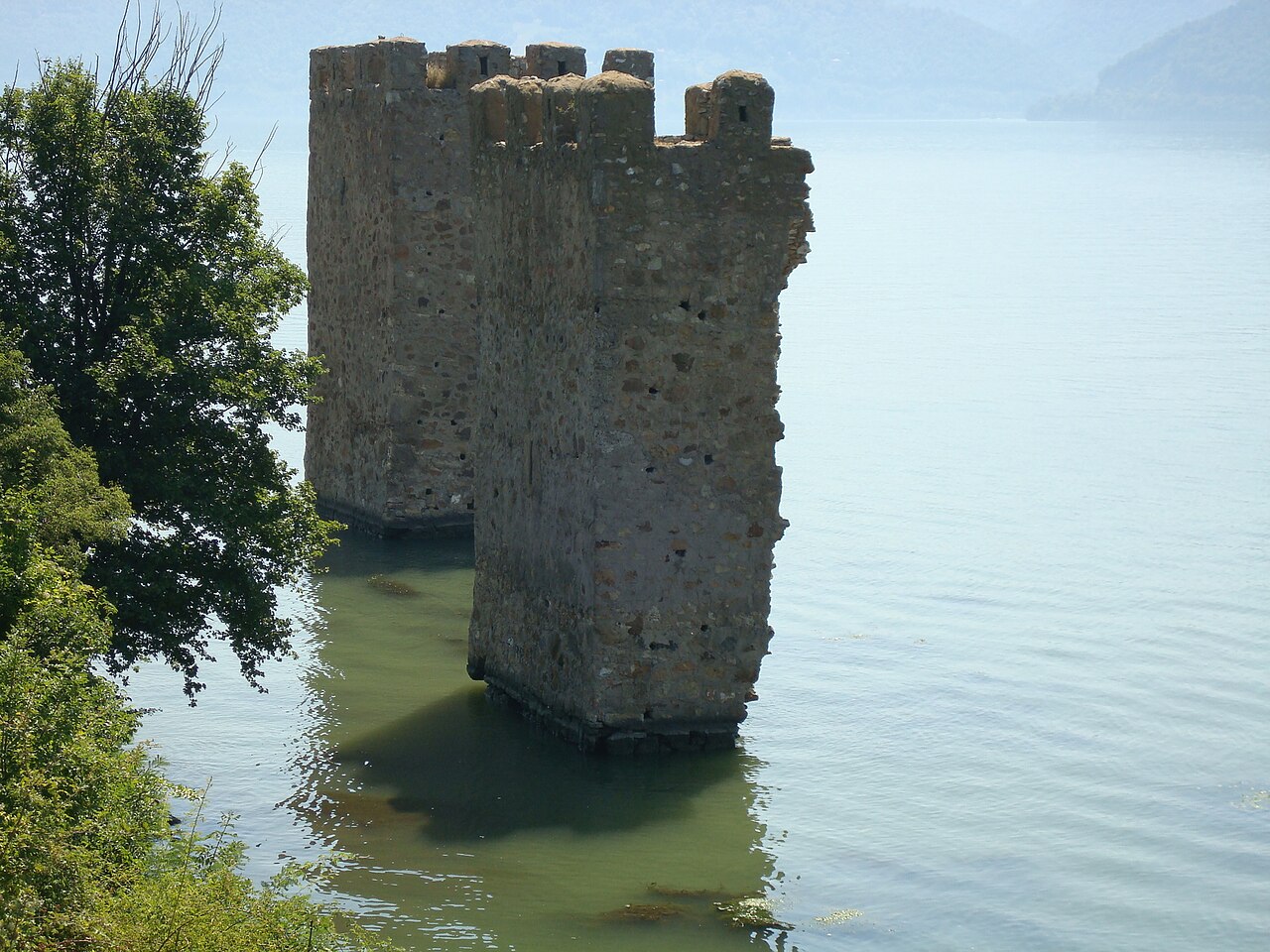
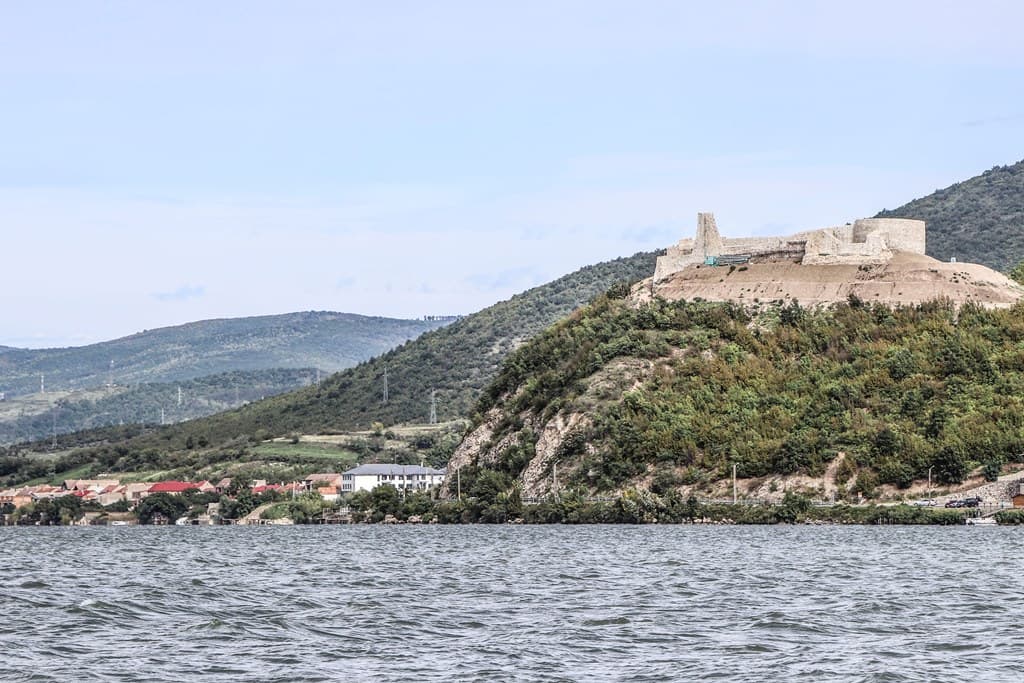
The fortress's current condition is best described as ruins, with many original structures partially preserved. Efforts to maintain and study the site have helped protect its remaining features, although some areas have suffered from natural decay and human impact over the centuries.
Preservation initiatives focus on stabilizing the existing walls and bastions to prevent further deterioration. The site is accessible to visitors interested in exploring the remnants of this significant bastioned fortress and learning about its historical context.
Visiting ladislaus fortress
Visitors to Ladislaus Fortress can explore the ruins and appreciate the defensive design elements characteristic of late medieval bastioned fortresses. The site offers a tangible connection to the military history of the 15th century and the architectural responses to emerging warfare technologies.
While specific visitor facilities and opening hours may vary, the fortress remains an important cultural landmark within Romania, contributing to the understanding of the region's historical landscape.
Frequently asked questions (FAQ)
- How do I get to Ladislaus Fortress?
- Ladislaus Fortress is located in Romania and can be accessed by car or public transportation. The nearest major city is Cluj-Napoca, from which you can take a bus or drive for approximately an hour to reach the fortress.
- What is the historical significance of Ladislaus Fortress?
- Ladislaus Fortress dates back to the 14th century and played a vital role in defending the region against invasions. It is named after King Ladislaus I of Hungary and is an important symbol of medieval architecture and history in Romania.
- When was Ladislaus Fortress built?
- Construction of Ladislaus Fortress began in the late 1300s, reflecting the strategic military architecture of the time. Over the centuries, it has undergone various renovations and restorations to preserve its structure and historical value.
- Can I visit Ladislaus Fortress year-round?
- Yes, Ladislaus Fortress is open to visitors throughout the year, although specific areas may be closed during the winter months for maintenance. It's advisable to check the official website for any seasonal restrictions or events before planning your visit.
- Why is Ladislaus Fortress considered an architectural marvel?
- The fortress showcases a blend of Gothic and Renaissance architectural styles, characterized by its imposing stone walls and intricate details. Its design not only served defensive purposes but also reflects the artistic trends of its time, making it a fascinating site for architecture enthusiasts.
- Is it possible to take guided tours of Ladislaus Fortress?
- Yes, guided tours are available and highly recommended for visitors who wish to gain deeper insights into the fortress's history and architecture. Knowledgeable guides provide engaging narratives that enhance the overall experience.
- What are the opening hours for visiting Ladislaus Fortress?
- Ladislaus Fortress is typically open from 9 AM to 6 PM during the peak season, with reduced hours in the off-peak season. It's best to verify the current hours on the official website before your visit to avoid any inconvenience.
- What are the ticket prices for entering Ladislaus Fortress?
- Ticket prices for Ladislaus Fortress are generally affordable, with discounts available for students and seniors. Children under a certain age may enter for free, making it an excellent destination for families.
- What nearby attractions can I visit after Ladislaus Fortress?
- After exploring Ladislaus Fortress, visitors can check out the picturesque town of Turda, known for its stunning salt mine and historical architecture. Other nearby attractions include the Turda Gorge and various hiking trails that offer beautiful views of the surrounding landscape.
Photo gallery

Information
Loading map...
Visitor reviews
No reviews yet. Been here? Write the first review and help other travelers!
Write the first reviewVisited this castle? Share your experience
Your review helps other travelers and adds first-hand knowledge to our encyclopedia.