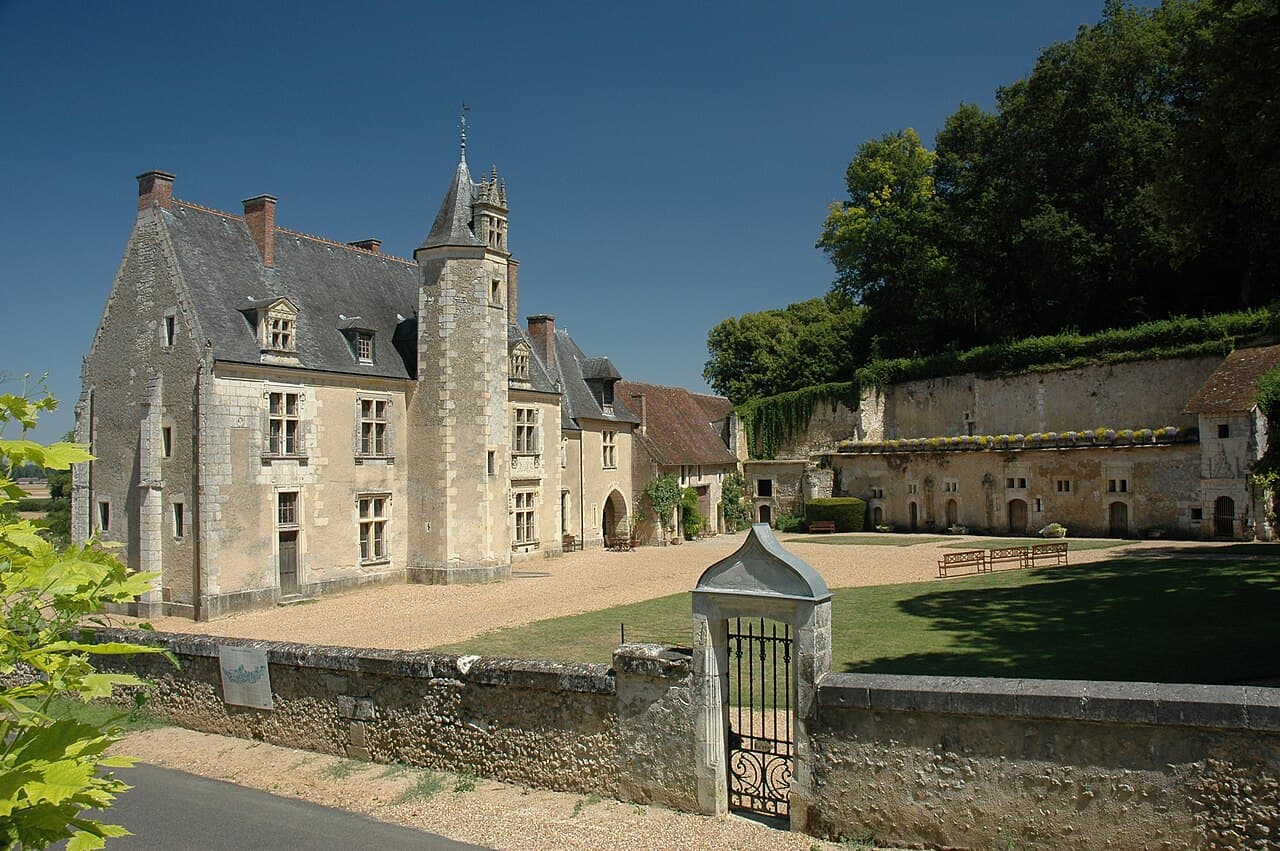
La Possonnière Castle
La Possonnière Castle stands as a remarkable example of early Renaissance architecture in the Loire Valley region, located in the Hauts-de-France area of France. Originally constructed in the early 16th century, the castle embodies the transition from medieval defensive structures to elegant noble residences that emphasized symmetry, artistic detail, and comfort. It is historically significant as the birthplace and childhood home of the renowned French poet Pierre de Ronsard, whose literary contributions have left a lasting cultural legacy.
Historical origins and noble lineage
The site of La Possonnière Castle has been inhabited since the 14th century, beginning with a modest rock-hewn fortress carved into the local tuffeau limestone. This early medieval stronghold laid the groundwork for the later manor house, reflecting the strategic importance of the location within the Loire Valley. Around 1480, Olivier de Ronsard, a nobleman entrusted with hunting oversight for the Counts of Vendôme, constructed the primary residential building featuring a distinctive octagonal tower. This structure marked the genesis of the estate's evolution from a fortified site to a Renaissance manor.
Subsequently, in approximately 1515, Loys (Louis) de Ronsard, a knight who served under Kings Louis XII and Francis I, undertook significant reconstruction and embellishment of the manor. His military campaigns in Italy during the War of the League of Cambrai and the Battle of Marignano exposed him to Italian Renaissance styles, which he integrated into the castle's design. This made La Possonnière one of the earliest Renaissance-style residences in the region, emphasizing harmony, classical motifs, and refined decoration.
Architectural features and artistic influences
Structural layout and materials
The castle's layout is centered around a rectangular main residence aligned with the original entrance gate and complemented by a series of lower service buildings. The integration of an octagonal stair tower is a notable architectural feature, providing both vertical circulation and aesthetic interest. A significant portion of the castle is carved directly into the tuffeau limestone, creating subterranean spaces such as kitchens, storage rooms, and wine cellars. These troglodyte areas are distinguished by their Italian Renaissance-style door frames, some bearing Latin inscriptions that denote their function.
Facade and decorative elements
The castle's facades are adorned with numerous mullioned windows framed by Renaissance motifs, reflecting the period's emphasis on light and proportion. Above the main entrance, a sculpted bust of Loys de Ronsard presides, flanked by Latin mottos such as "AVANT PARTIR" and "Voluptati et Gratiis", which convey themes of departure and pleasure. Inside, the ground floor hosts a spacious hall centered around a grand Renaissance fireplace decorated with a fire-breathing salamander, the emblem of King Francis I. This motif commemorates the king's victory at Marignano and is accompanied by the Latin inscription "NON FAL[L]UNT FUTURA MERENTEM", emphasizing the promise of future rewards for the deserving.
Later modifications and preservation efforts
Following the birth of Pierre de Ronsard in 1524, the manor underwent further expansions around 1536, including the addition of a chapel and a connecting wing extending toward the hillside. However, these structures were removed during a 19th-century restoration led by architect Eugène Fanost under the commission of Gabriel Delahaye. The renovations also altered the roofline, introducing dormer windows that adapted the manor to contemporary tastes while preserving its Renaissance character.
La Possonnière Castle's cultural and historical significance was formally recognized in 1862 when it was designated a protected Monument historique by the French government. Its legacy was further honored in 2019 with the label "Maison des Illustres", acknowledging its importance as the birthplace of an illustrious literary figure. In the early 21st century, the castle's gardens were revitalized, featuring a rose garden curated by renowned rosarian André Eve in 2004. The gardens were redesigned between 2019 and 2020 to reflect Renaissance garden traditions, enhancing the estate's historical ambiance.
Gardens and natural setting
The surrounding gardens cover approximately one hectare and include a diverse collection of over two hundred varieties of historic and modern roses. Complementing the rose garden are perennial flower beds and a kitchen garden cultivating rare vegetables and herbs, showcasing the estate's blend of ornamental and practical horticulture. The park area is landscaped in the English style, featuring mature trees such as linden, oak, beech, and hornbeam, which contribute to the serene natural environment.
Situated near the village of Couture-sur-Loir, the castle is nestled within a forest remnant historically managed by the Ronsard family. This setting underscores the estate's connection to its noble custodians and the surrounding regional landscape.
Legacy of Pierre de Ronsard and cultural significance
Pierre de Ronsard, born at La Possonnière in 1524, is celebrated as one of France's greatest poets and a leading figure of the French Renaissance literary movement. His upbringing at the castle and exposure to the refined cultural environment shaped his poetic voice and themes. The manor remains a symbol of the Renaissance humanist spirit and artistic flourishing in France.
Today, La Possonnière Castle stands not only as an architectural monument but also as a cultural heritage site that commemorates the life and work of Pierre de Ronsard. Its preservation and ongoing restoration efforts ensure that visitors can appreciate both its historical importance and its artistic beauty.
Frequently asked questions (FAQ)
- What is the historical significance of La Possonnière Castle?
- La Possonnière Castle is renowned for its exquisite Renaissance architecture and its role in French history. Constructed in the 16th century, it has witnessed numerous historical events and has connections to notable figures in French nobility.
- When was La Possonnière Castle built?
- La Possonnière Castle was built in the early 1500s, showcasing the elegance of the Renaissance period. Its construction reflects the artistic and architectural advancements of that era, making it a significant landmark.
- What are the opening hours for La Possonnière Castle?
- La Possonnière Castle is open to visitors from Tuesday to Sunday, 10 AM to 6 PM. It is advisable to check the castle's official website for any seasonal changes in opening hours or special events.
- Can I take guided tours of La Possonnière Castle?
- Yes, guided tours are available at La Possonnière Castle, providing an in-depth look at its history and architecture. Visitors can choose from different tour options, including audio guides and expert-led tours for a more enriching experience.
- Is it possible to visit La Possonnière Castle with accessibility needs?
- La Possonnière Castle is committed to providing an inclusive experience for all visitors. There are facilities and services available to assist guests with mobility challenges, including accessible pathways and restrooms.
- What are the ticket prices for La Possonnière Castle?
- Ticket prices for La Possonnière Castle vary depending on age and group size, with discounts available for students and seniors. Children under a certain age may enter for free, making it an affordable option for families.
- When is the best time to visit La Possonnière Castle?
- The best time to visit La Possonnière Castle is during the spring and early fall when the weather is pleasant, and crowds are smaller. Visiting during these seasons allows you to enjoy the beautiful gardens and surrounding landscapes.
- Are there any nearby attractions to La Possonnière Castle?
- Yes, there are several nearby attractions, including beautiful parks and historical sites that enhance your visit. The charming town surrounding the castle also offers quaint shops and local eateries, making it an ideal destination for a full day of exploration.

Information
Website
Visit websiteSources & official resources
Verify the information above using these authoritative references.
Loading map...
Visitor reviews
No reviews yet. Been here? Write the first review and help other travelers!
Write the first reviewVisited this castle? Share your experience
Your review helps other travelers and adds first-hand knowledge to our encyclopedia.



