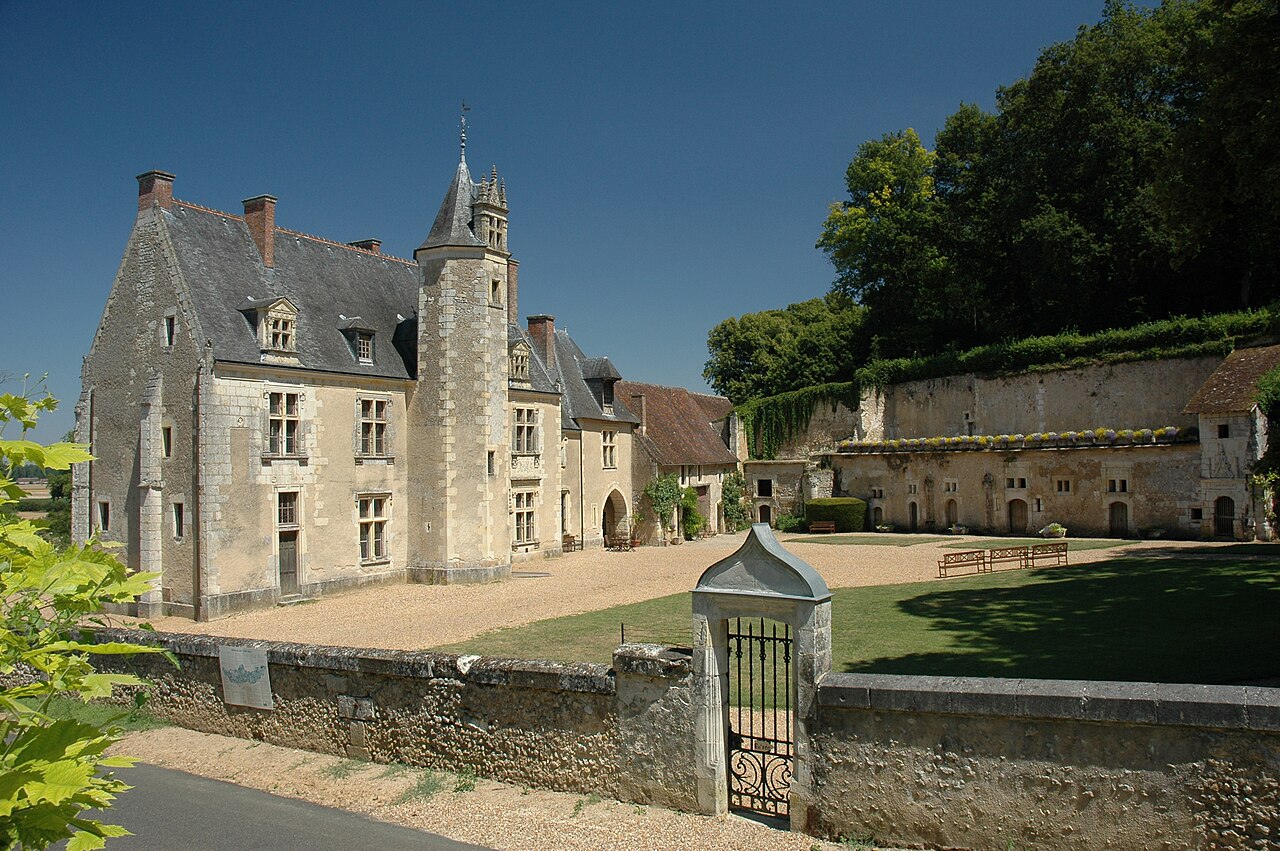
Château de Matval
Château de Matval is a historic castle located in the commune of Bonneveau, France, with origins dating back to the Merovingian period. The site initially hosted a Merovingian castrum named Matoval, which was destroyed during the Norman invasions of the 10th century. The current castle structure primarily dates from the 13th to 15th centuries, representing a significant example of high medieval military architecture in the region.
The castle's history is deeply intertwined with notable French noble families, especially the counts of Bourbon Vendôme, ancestors of King Henri IV. In 1459, the fiefdom was granted to Jean, an illegitimate son of Louis, Count of Vendôme, marking the beginning of Bourbon Vendôme's influence over the estate. The castle later became associated with prominent historical figures such as the Marquis de Louvois, Minister of War under Louis XIV, who made it his residence. It also hosted Napoleon II during the 19th century, reflecting its continued importance through French history.
Merovingian origins and early history
The original fortification on the site was a Merovingian castrum called Matoval, indicative of the site's strategic importance in early medieval France. This early fortress was destroyed by the Normans in the 10th century, a period marked by widespread Viking raids across northern France. The remnants of this early fortification include a rare Merovingian statuette located by the castle's entrance, considered a unique artifact in Europe. Additionally, the site once housed a Merovingian mint, underscoring its status as a royal domain where coins were produced.
Architectural features of Château de Matval
The castle's surviving structures demonstrate typical high medieval military architecture. The south-eastern corner of the main house features a defensive wall pierced by arrowslits, designed for archers to defend the castle while remaining protected. This wall was once connected to a round tower by a bretèche, a projecting defensive gallery allowing defenders to attack assailants at the base of the walls. The castle also contains extensive underground galleries running beneath the hill and the castle itself, likely used for storage, movement of troops, or as escape routes during sieges.
Defensive structures
The arrowslits and bretèche are characteristic of the period's focus on fortification against siege warfare. The round tower would have provided a vantage point for surveillance and defense, while the underground passages added to the castle's resilience. These features reflect the castle's role as a fortified noble residence during the turbulent Middle Ages.
Historical significance and notable residents
Château de Matval's ownership by the Bourbon Vendôme family links it to the broader history of French royalty. The Bourbon Vendôme lineage culminated in King Henri IV, who played a pivotal role in French history as the first Bourbon king of France. The castle's later association with the Marquis de Louvois during the reign of Louis XIV connects it to the era of French absolutism and military reform. Louvois, as Minister of War, was instrumental in strengthening France's military capabilities, and his residence at Matval underscores the castle's continued strategic and symbolic importance.
In the 19th century, the castle was linked to Napoleon II, the son of Napoleon Bonaparte, further embedding it in the narrative of France's imperial history. These successive occupants highlight the castle's role not only as a military stronghold but also as a noble residence reflecting shifting political powers.
Château de Matval and the origin of the reinettes du Mans apple
The castle is also renowned for its connection to the rennet apple variety, reinettes du Mans. According to tradition, Childebert I, a Merovingian king, brought grafts of apple trees from Spain and planted them in the castle's park. This act is credited with creating what became one of the most famous apple varieties in France. This agricultural heritage adds a unique cultural dimension to the castle's historical significance.
Preservation and current status
Today, Château de Matval remains a site of historical interest with partially preserved structures that provide insight into medieval military architecture and noble life. The castle's underground galleries, defensive walls, and surviving artifacts like the Merovingian statuette offer valuable evidence of its long history. Visitors can explore the castle grounds to appreciate its architectural features and its place in French history.
The castle's location in the Loire Valley region situates it among many other historic castles, contributing to the area's rich heritage tourism. Its connection to royal lineages and unique cultural contributions, such as the origin of the reinettes du Mans apple, make Château de Matval a noteworthy destination for those interested in medieval history and French heritage.
Frequently asked questions (FAQ)
- What is the historical significance of Château de Matval?
- Château de Matval is historically significant as a medieval fortress with origins in the Merovingian period, later owned by the counts of Bourbon Vendôme, ancestors of King Henri IV. It was also home to notable figures such as the Marquis de Louvois and Napoleon II.
- Can visitors explore the underground galleries at Château de Matval?
- The castle features underground galleries beneath the hill and main structures, which were likely used for storage or defense. Access may be limited for safety reasons, so visitors should check with local authorities or the site management for current availability.
- How does Château de Matval relate to the reinettes du Mans apple?
- Château de Matval is linked to the origin of the reinettes du Mans apple variety. Tradition holds that King Childebert I planted grafts brought from Spain in the castle's park, creating this famous French apple variety.
- What architectural features characterize Château de Matval?
- The castle exhibits typical high medieval military architecture, including walls with arrowslits, a bretèche connecting to a round tower, and extensive underground galleries. These features reflect its defensive role during the Middle Ages.
- When was Château de Matval built?
- The current structure of Château de Matval was built during the 13th century, with additions and modifications extending into the 15th century.
Information
Loading map...
Visitor reviews
No reviews yet. Been here? Write the first review and help other travelers!
Write the first reviewVisited this castle? Share your experience
Your review helps other travelers and adds first-hand knowledge to our encyclopedia.