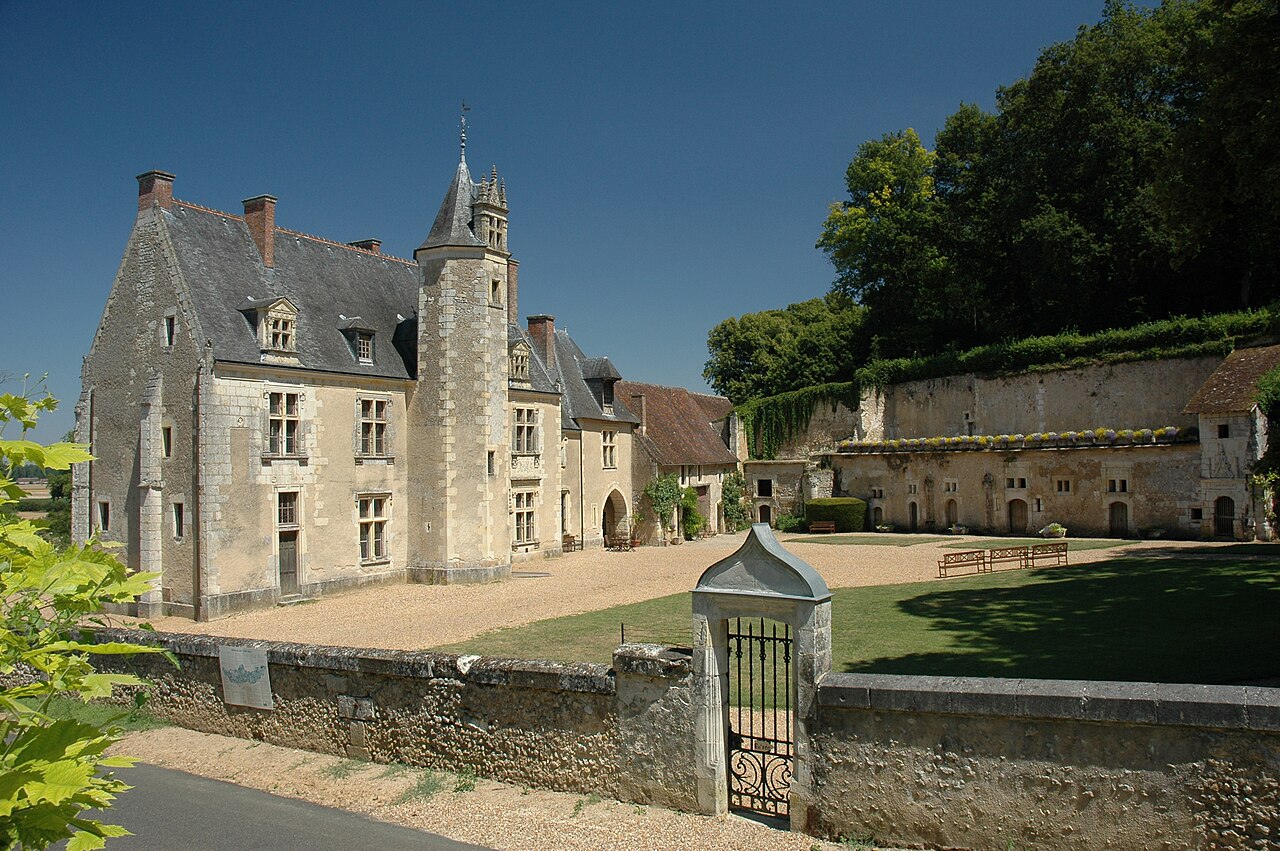
Château de Poncé-sur-le-Loir
The Château de Poncé-sur-le-Loir is a striking example of French architectural evolution, showcasing a transition from medieval fortification to Renaissance residence. Located in the municipality of Loir en Vallée, this château stands on a site with deep historical roots tied to the barons of Poncé, among the earliest noble families in the Vendômois region. Its layered history reflects the changing political and social landscape of France from the 11th century onward.
Medieval origins and feudal significance
The original castle on this site was constructed between the 11th and 13th centuries as a fortified stronghold, integral to the defense system of the region. Although only the bases of two medieval towers survive today, these remnants hint at the castle's strategic importance during the High medieval period. The lordship passed through notable families, including the Bouchard de Courtremblay in the early 14th century and subsequently to Jean d’Angennes, who served as panetier to King Charles VI. In 1414, Jean d’Angennes formally acknowledged the feudal authority of the Count of Vendôme, situating the château firmly within the feudal hierarchy of medieval France.
Renaissance transformation and architectural highlights
Significant reconstruction began in the mid-15th century when the Chambray family acquired the domain. By around 1542, a new château was completed near the medieval foundations, marking a shift from military fortress to Renaissance residence. This period introduced architectural elements reflecting Renaissance ideals, including symmetry, classical motifs, and decorative artistry.
The grand staircase
The château’s most renowned feature is its grand interior staircase, distinguished by six vaulted ceilings adorned with nearly 160 intricately carved panels. These panels depict a rich array of motifs, from plant designs and mythological scenes to biblical narratives and heraldic coats of arms. This staircase exemplifies Renaissance craftsmanship and remains remarkably well-preserved, offering insight into the artistic sensibilities of the era.
Structural composition and façades
The original stair tower was flanked symmetrically by two tall pavilions; the western pavilion remains intact, while the eastern pavilion was lost in the 18th century and replaced in 1804 by a simpler structure that maintains the original volume but lacks its Renaissance character. The north façade features an elegant Italian-inspired gallery on its upper floor, known today as the Caroline Terrace. This terrace is separately recognized as a historic monument, highlighting its architectural and cultural significance.
Outbuildings, gardens, and landscape features
The château grounds include several noteworthy features that contribute to the estate’s historical ambiance. A prominent 17th-century dovecote contains over 1,800 boulins, or nesting holes, and retains its original revolving ladders—an uncommon survival in such structures. Outbuildings dating from 1775 support the château’s ancillary functions, reflecting the estate’s operational history.
Gardens and terraces
The 16th-century charmille garden is a distinctive feature, comprising two linked sections with tree-lined walkways that create a natural tunnel effect. This garden includes small water basins and a labyrinth centered around a large plane tree estimated to have been planted circa 1580. Adjacent to the château, a terrace bordered by linden trees overlooks formal parterres—symmetrical patterned garden beds typical of Renaissance landscaping.
In the 1930s, an Italian-style garden was developed behind the château, integrating with the existing landscape to enhance the estate’s aesthetic appeal. These gardens, alongside the château’s architectural elements, have been protected as historic monuments, underscoring their cultural value.
Historic preservation and cultural importance
Throughout the 20th century, the château and its associated structures have been subject to various preservation efforts. Ownership changes, particularly the acquisition by Dr. Latron in 1924, initiated restoration work led by architects including Polti, Vérité, Lagrange, and Vassas. These efforts aimed to maintain and restore the château’s Renaissance features and historic fabric.
Multiple components of the estate are officially protected, including the façades and roofs, the grand staircase, the dovecote, the Caroline Terrace, interior spaces, outbuildings, the kitchen garden, and the landscaped gardens. This recognition reflects the château’s significance as a cultural and architectural landmark within the region.
Frequently asked questions (FAQ)
- What is the historical significance of Château de Poncé-sur-le-Loir?
- Château de Poncé-sur-le-Loir is notable for its stunning Renaissance architecture and rich history that dates back to the 15th century. It has played a significant role in the region's development, serving as a residence for nobility and a site for various historical events.
- When was Château de Poncé-sur-le-Loir built?
- The construction of Château de Poncé-sur-le-Loir began in the late 15th century and was completed in the early 16th century. Its design reflects the transition from medieval fortifications to the elegance of the Renaissance style, showcasing intricate details and expansive gardens.
- What are the opening hours for Château de Poncé-sur-le-Loir?
- Château de Poncé-sur-le-Loir is open to visitors from March to November, with varying hours depending on the season. Typically, you can visit from 10 AM to 6 PM, but it’s advisable to check the official website for any updates or changes to the schedule.
- Can I take guided tours of the château?
- Yes, guided tours are available and are highly recommended to fully appreciate the historical context and architectural details of the château. Tours are offered in multiple languages, providing insights into the castle's history and its significance in French culture.
- Is it possible to visit the gardens at Château de Poncé-sur-le-Loir?
- Absolutely! The gardens of Château de Poncé-sur-le-Loir are a beautiful extension of the castle and are open to visitors year-round. Strolling through the meticulously maintained grounds offers a serene experience and a glimpse into the historical landscaping styles of the time.
- What is the best time to visit Château de Poncé-sur-le-Loir?
- The best time to visit is during the spring and early autumn when the weather is pleasant, and the gardens are in full bloom. Additionally, these seasons often feature fewer tourists, allowing for a more intimate experience of the château and its surroundings.
- Are there any nearby attractions to visit along with Château de Poncé-sur-le-Loir?
- Yes, the region around Château de Poncé-sur-le-Loir is rich with attractions, including the charming village of Le Lude and other historic châteaux like Château de Saumur and Château de Brézé. Exploring these nearby sites can enhance your visit and provide a deeper understanding of the Loire Valley's cultural heritage.
- What are the ticket prices for visiting Château de Poncé-sur-le-Loir?
- Ticket prices for Château de Poncé-sur-le-Loir typically range from €8 to €12, depending on age and group discounts. Special rates may apply for children, students, and seniors, so it's best to check the official website for the most current pricing information.
- How do I get to Château de Poncé-sur-le-Loir?
- Château de Poncé-sur-le-Loir is easily accessible by car, located just off the main roads connecting to the Loire Valley. Public transportation options are also available, with local trains and buses providing convenient access to the château from nearby cities.
Information
Website
Visit websiteSources & official resources
Verify the information above using these authoritative references.
Loading map...
Visitor reviews
No reviews yet. Been here? Write the first review and help other travelers!
Write the first reviewVisited this castle? Share your experience
Your review helps other travelers and adds first-hand knowledge to our encyclopedia.