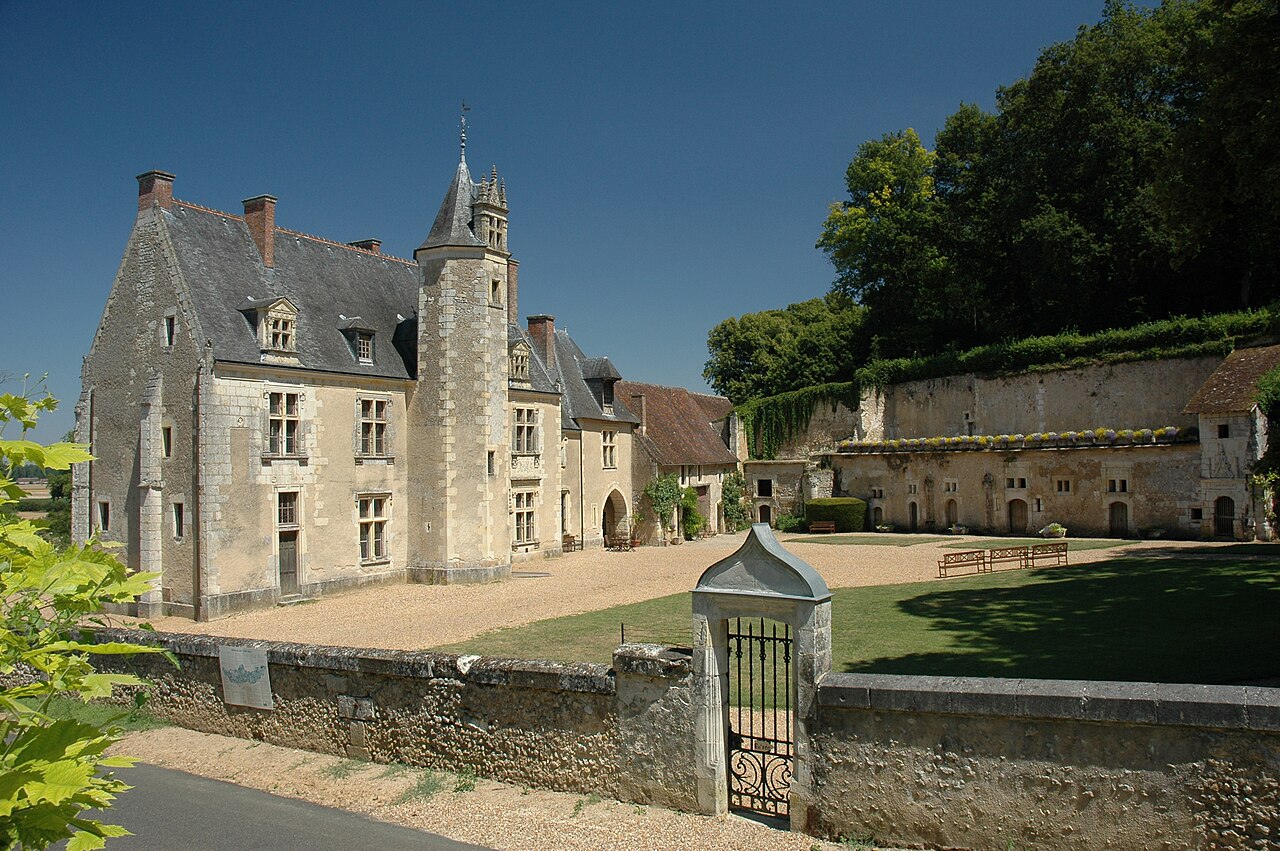
Château de Courtanvaux
Château de Courtanvaux is a notable historic castle located in Bessé-sur-Braye, France. Originally constructed in the 14th century, the castle underwent significant enlargement and restoration during the late medieval period between 1450 and 1490. This phase transformed the structure into a more fortified residence, reflecting the architectural and defensive needs of the time.
In the early 16th century, the castle entered a new phase of development under the ownership of the Souvré family, who held the estate from approximately 1500 to 1661. During their tenure, the castle was remodeled extensively in the Renaissance style, which introduced characteristic elements such as symmetrical layouts, classical proportions, and decorative stonework. These changes marked a shift from purely military functions towards a more comfortable and elegant noble residence.
Architectural evolution and styles
Medieval origins and late medieval expansion
The initial construction of Château de Courtanvaux in the 14th century established it as a fortified stronghold typical of the period. The late medieval expansion between 1450 and 1490 enhanced its defensive capabilities with thicker walls, towers, and possibly a moat system, although specific details of these features require further archaeological confirmation. The castle's layout from this period likely included a central keep or donjon surrounded by curtain walls and defensive towers, common in late medieval French castles.
Renaissance transformation under the Souvré family
During the Renaissance, the castle was adapted to reflect contemporary tastes and the increasing importance of comfort and aesthetics. The Souvré family incorporated Renaissance architectural elements, including larger windows to admit more light, ornamental façades, and refined interior spaces. The castle's appearance from this period would have blended medieval fortification with Renaissance elegance, a common trend in French noble residences of the time.
19th-century Neo-Gothic restoration
In the 19th century, Château de Courtanvaux underwent a significant restoration in the Neo-Gothic style, a revivalist architectural movement that sought to reintroduce Gothic forms and decoration. This restoration likely added pointed arches, decorative tracery, and other Gothic revival elements to the castle's exterior and interior, enhancing its romantic and historic character. Such restorations were typical in France during this period, reflecting a renewed interest in medieval heritage and aesthetics.
Ownership history and cultural significance
The castle remained in private hands for several centuries, owned successively by three families until 1978. Each family contributed to the castle's maintenance and adaptation, preserving its historical layers. The long-term stewardship helped retain the castle's architectural integrity and its surrounding landscape.
Park and grounds
Today, Château de Courtanvaux is surrounded by a vast 68-hectare park that is open to the public. The park features landscaped gardens and natural areas that complement the castle's historic setting. This extensive green space offers visitors an opportunity to experience the castle's environment as part of its heritage, providing scenic views and recreational opportunities.
Visiting Château de Courtanvaux
The castle itself is accessible during the summer season, allowing visitors to explore its architectural features and interiors. The combination of Renaissance and Neo-Gothic elements provides a rich visual experience, illustrating the castle's historical evolution. The public park remains open year-round, making Château de Courtanvaux a valuable cultural and recreational site in the region.
Information
Website
Visit websiteSources & official resources
Verify the information above using these authoritative references.
Loading map...
Visitor reviews
No reviews yet. Been here? Write the first review and help other travelers!
Write the first reviewVisited this castle? Share your experience
Your review helps other travelers and adds first-hand knowledge to our encyclopedia.