La Fontaine Castle
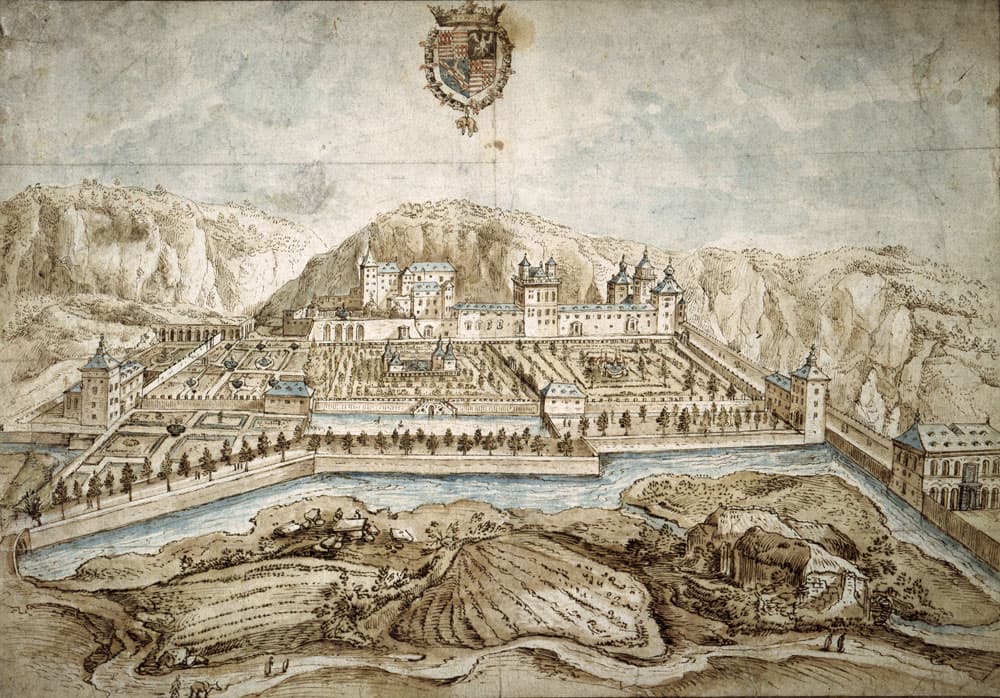
La Fontaine Castle, known in French as Château La Fontaine, in German as Schloss La Fontaine, and in Luxembourgish as Schlass La Fontaine, was a significant Renaissance-era residence located in the Clausen district of Luxembourg City. Constructed beginning in 1563, it served as the home of Peter Ernst I von Mansfeld-Vorderort, the governor of Luxembourg during the late 16th century. The castle is also referred to as the Palais Mansfeld or Mansfeld Palace, highlighting its association with this prominent historical figure.
Historical background and significance
Peter Ernst I von Mansfeld-Vorderort was appointed governor of Luxembourg in 1545 and remained in this position until his death in 1604. During his tenure, he undertook the ambitious construction and expansion of La Fontaine Castle, transforming it into an elaborate Renaissance residence. This period in Luxembourg was marked by significant architectural and cultural developments influenced by Renaissance ideals spreading across Europe.
The castle's construction began in 1563, a time when Renaissance architecture was becoming prominent in the region. Mansfeld's residence was a symbol of his status and power, reflecting the era's architectural trends and the political importance of Luxembourg within the Holy Roman Empire.
Architectural features and design
While almost nothing remains of La Fontaine Castle today, historical records indicate that it was an elaborate structure typical of Renaissance architecture. The castle likely featured ornate façades, symmetrical layouts, and decorative elements such as pilasters, cornices, and classical motifs inspired by Italian Renaissance designs.
The residence would have included spacious halls and living quarters befitting a governor of Luxembourg, as well as defensive features common to castles of the period, though its primary function was residential rather than military. The location in Clausen, a district known for its historical significance, provided a strategic and prestigious setting.
Decline and current condition
Over the centuries, La Fontaine Castle fell into disrepair and was eventually reduced to ruins. Today, only archaeological remains mark the site where the castle once stood. The loss of the physical structure limits detailed study, but the castle remains an important part of Luxembourg's heritage and history.
Archaeological efforts have helped to uncover some aspects of the castle's layout and construction techniques, providing valuable insights into Renaissance architecture in Luxembourg. The site serves as a reminder of the region's historical evolution and the legacy of its notable figures like Mansfeld.
La Fontaine Castle in the context of Luxembourg's heritage
Though the castle no longer stands, its historical significance endures. It represents a period when Luxembourg was a key political and cultural center in Europe. The association with Peter Ernst I von Mansfeld-Vorderort connects the site to broader European history, including the governance and military affairs of the Holy Roman Empire.
La Fontaine Castle's story contributes to understanding the Renaissance influence on Luxembourg's architectural and cultural landscape. It also highlights the challenges of preserving historical monuments, especially those that have not survived intact.
Visiting the site today
As an archaeological site with only ruins remaining, La Fontaine Castle does not offer extensive visitor facilities or reconstructed buildings. However, the location in Clausen is accessible and of interest to those studying Luxembourg's history or exploring its heritage sites.
Visitors can view the archaeological remains and appreciate the historical context of the castle within Luxembourg City's development. Informational plaques or guided tours may provide additional background on the castle's significance and Mansfeld's role in the region.
Frequently asked questions (FAQ)
- When was La Fontaine Castle built and who was its primary resident?
- La Fontaine Castle was built starting in 1563 and served as the residence of Peter Ernst I von Mansfeld-Vorderort, the governor of Luxembourg until 1604.
- What architectural style characterizes La Fontaine Castle?
- The castle was designed in the Renaissance architectural style, featuring elements such as symmetrical layouts and classical decorative motifs.
- What remains of La Fontaine Castle today?
- Today, only archaeological ruins remain of La Fontaine Castle, with no significant standing structures preserved.
- Is it possible to visit the site of La Fontaine Castle?
- Yes, visitors can access the archaeological site in Clausen, Luxembourg, where the castle once stood, though facilities are limited due to its ruinous state.
- Why is La Fontaine Castle historically important?
- La Fontaine Castle is significant for its association with Peter Ernst I von Mansfeld-Vorderort and as an example of Renaissance architecture and governance in Luxembourg.
Photo gallery

Photo by attributed to Tobie Verhaeght•Public domain
Information
Loading map...
Visitor reviews
No reviews yet. Been here? Write the first review and help other travelers!
Write the first reviewVisited this castle? Share your experience
Your review helps other travelers and adds first-hand knowledge to our encyclopedia.