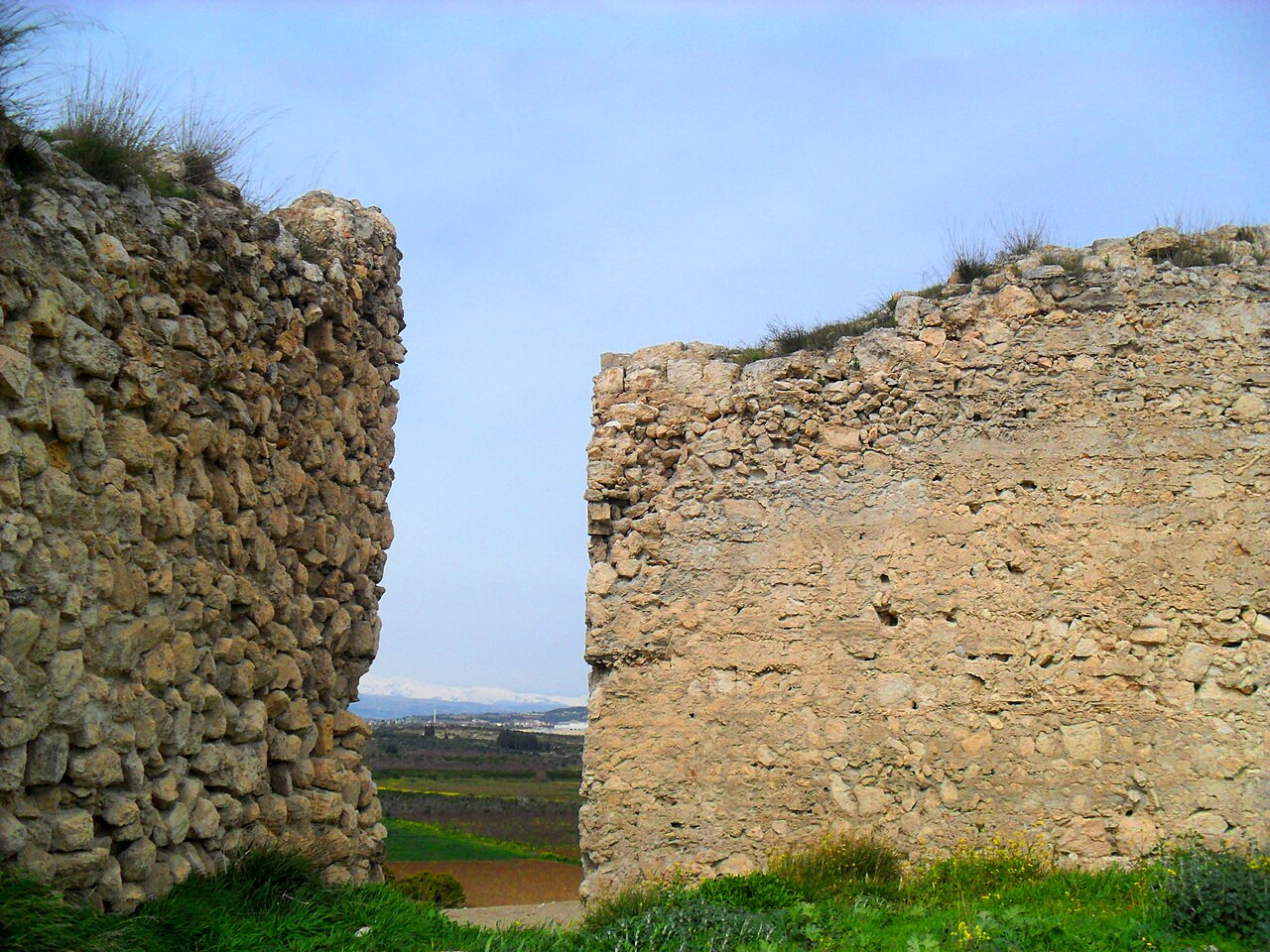
Kütüklü Castle, known locally as Kütüklü Kalesi, is a medieval fortress perched on a modest hillock near the village of Kütüklü in the Mersin province of Turkey. This castle is part of the historical region of Cilicia, an area that once hosted the Armenian Kingdom of Cilicia from the late 11th century until the late 14th century. Despite its historical significance, the castle’s original medieval name and detailed history remain unknown, a common situation for many fortifications in this region.
Historical context and regional significance
The region of Cilicia was a strategic crossroads during the medieval period, serving as a buffer zone between the Byzantine Empire, the Armenian Kingdom, and various Crusader states. Kütüklü Castle was constructed during a turbulent era marked by frequent military conflicts and shifting alliances. The castle’s estimated construction in the 13th century places it squarely in the period of Crusader influence and Armenian rule, reflecting the complex political landscape of the time.
While the castle’s exact origins are unclear, architectural evidence suggests it was likely granted as a fief by the Armenian rulers to the Knights Hospitaller, a military order active in the Crusades. This connection aligns with the castle’s design, which shares features with other nearby fortifications such as Karafrenk Castle, Tumil, and Yaka Castles, all of which exhibit Crusader architectural influences rather than traditional Armenian military styles.
Architectural features and design
Kütüklü Castle is characterized by a compact, square layout fortified by four round corner towers. This design is distinctive for the region because the use of round towers was uncommon in Armenian military architecture, which tended to favor different defensive forms. The castle’s plan suggests a focus on defense and surveillance, with towers providing vantage points for archers and guards.
The castle’s curtain walls, which connected the towers, are now largely reduced to their low, overgrown bases. These walls would have formed a continuous defensive barrier around the castle’s interior space. Inside the castle grounds, there is a noticeable depression in the terrain, which may indicate the collapse of a vaulted chamber or a cistern used for water storage, essential for withstanding sieges.
Although the castle’s remains are modest in height and heavily overgrown, they provide valuable insight into the military architecture of the Crusader period in Cilicia. The castle’s small size and layout suggest it functioned primarily as a garrison fort, housing a limited contingent of soldiers tasked with controlling the surrounding territory and protecting local routes.
Current condition and accessibility
Today, Kütüklü Castle stands as a partially preserved medieval ruin. The site is freely accessible to visitors, though it is surrounded by cultivated fields, which somewhat isolate it from major tourist routes. The low height of the remaining structures and the dense overgrowth mean that the castle is not a major tourist attraction, but it offers a quiet, off-the-beaten-path experience for those interested in medieval fortifications and Crusader history.
Visitors to the site should be prepared for minimal facilities and uneven terrain. The castle’s remote location and modest remains mean it is best suited to those with a specific interest in medieval military architecture or the history of Cilicia during the Crusades.
Comparative analysis with nearby fortifications
Kütüklü Castle shares architectural similarities with several other fortifications in the Cilician region, notably Karafrenk Castle and the castles of Tumil and Yaka. These castles collectively illustrate the influence of Crusader military design in an area otherwise dominated by Armenian architectural traditions. The square plan with round corner towers is a hallmark of Crusader fortifications, emphasizing strong defensive capabilities and the ability to mount counterattacks from multiple angles.
These castles were often part of a network of small forts and watchtowers that secured important trade routes and territorial boundaries. Their strategic placement on elevated ground allowed for early warning of approaching enemies and control over the surrounding landscape.
Historical legacy and cultural importance
While Kütüklü Castle may not be as grand or well-preserved as other medieval fortresses, it represents an important piece of the military and political history of Cilicia. Its architecture provides evidence of the complex interactions between Armenian rulers and Crusader military orders, highlighting the multicultural and contested nature of this borderland region during the High Medieval period.
The castle’s survival, even in a modest state, offers historians and archaeologists valuable clues about the defensive strategies employed in this frontier zone. It also contributes to the broader understanding of Crusader influence beyond the more famous sites in the Levant, showing how their military architecture adapted to local conditions and political realities.
Frequently asked questions (FAQ)
- How do I get to Kütüklü Castle?
- Kütüklü Castle is located in the village of Kütüklü, Turkey, and can be reached by car or public transportation from nearby cities like Kayseri or Nevşehir. The journey offers beautiful views of the surrounding landscape, making it a pleasant trip for visitors.
- What is the historical significance of Kütüklü Castle?
- Kütüklü Castle dates back to the Byzantine period and has a rich history that reflects the architectural and military advancements of its time. It served as a strategic fortress, protecting the region from invasions and playing a vital role in local governance.
- When was Kütüklü Castle built?
- The exact date of Kütüklü Castle's construction is not definitively known, but it is believed to have been built in the 10th century. Over the centuries, it has undergone various renovations and restorations, preserving its historical essence.
- Can I visit Kütüklü Castle year-round?
- Yes, Kütüklü Castle is open to visitors throughout the year. However, the best time to visit is during the spring and fall when the weather is mild and suitable for exploring the site.
- Is Kütüklü Castle accessible for people with disabilities?
- While Kütüklü Castle has some uneven terrain and steep paths, efforts have been made to improve accessibility. Visitors with mobility challenges may find it difficult to navigate certain areas, so it's advisable to plan ahead and check local resources for assistance.
- What are the opening hours for Kütüklü Castle?
- Kütüklü Castle typically opens to visitors from 9 AM to 6 PM daily. However, it is recommended to check local listings or contact the site directly, as hours may vary seasonally or due to special events.
- Are there any ticket prices to enter Kütüklü Castle?
- Yes, there is a small entrance fee to visit Kütüklü Castle, which helps maintain the site. Ticket prices are quite affordable, making it an accessible destination for both locals and tourists.
- What nearby attractions can I visit while in Kütüklü?
- In addition to Kütüklü Castle, visitors can explore the beautiful landscapes of Cappadocia, including fairy chimneys and underground cities. The region is rich in cultural heritage, offering numerous hiking trails, ancient churches, and local markets to enjoy.
Loading map...
Visitor reviews
No reviews yet. Been here? Write the first review and help other travelers!
Write the first reviewVisited this castle? Share your experience
Your review helps other travelers and adds first-hand knowledge to our encyclopedia.