Kutna Hora
Kutna Hora castle stands as a remarkable example of High Medieval architecture and royal administration in the heart of Czechia. Founded in the late 13th century under the initiative of King Wenceslaus II, the castle played a pivotal role in the defense and economic prosperity of the historic town of Kutna Hora. Originally conceived as a fortified complex separated from the town by a moat, it ensured both security and autonomy, reflecting the strategic importance of Kutna Hora as a center of silver mining and minting.
The castle was primarily established to serve as the seat of the royal official known as the župnik, who oversaw the extraction and management of the region's rich silver ore deposits. This proximity to abundant mineral resources motivated King Wenceslaus II to centralize the kingdom's minting operations within the castle walls. Following his monetary reform, smaller mints across various towns were closed, and their production consolidated in Kutna Hora. This led to the creation of the famous Prague groschen, a high-value silver coin that became widely circulated across Europe.
The architectural evolution of Kutna Hora castle
Original 13th-century fortifications and mint facilities
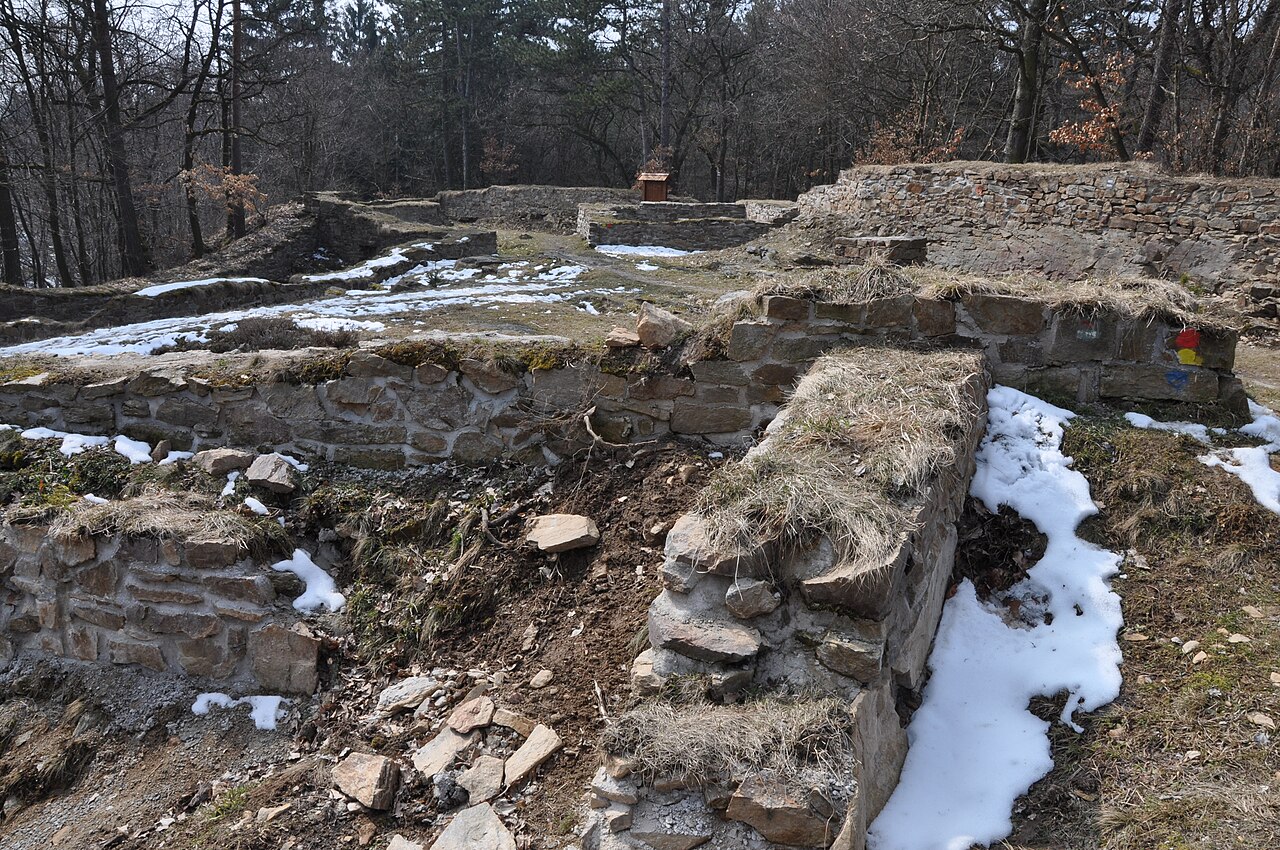
The initial castle complex featured robust defensive elements typical of High Medieval fortifications, including a moat and strong walls that separated it from the urban fabric. The southern building of the castle housed the smitny workshops, specialized rooms approximately four meters high, designed for metalworking and coin production. These workshops featured upper windows to ventilate smoke and dust generated during the minting process, highlighting the castle's dual role as a fortress and an industrial site.
Late 14th-century expansion under King Wenceslaus IV
Frequent royal visits, especially by King Wenceslaus IV, prompted significant enhancements to the castle. By the end of the 14th century, a two-story palace was constructed, providing comfortable residential quarters capable of hosting the royal court. This expansion included the addition of a chapel dedicated to St. Wenceslaus, the patron saint of Bohemia, and a vaulted treasury located beneath it, symbolizing the castle's importance as a secure repository for wealth and royal assets.
Early 16th-century renovations during the reign of Vladislaus II
Under the rule of Vladislaus II Jagiellon, the castle underwent further modifications to adapt to changing political and economic circumstances. As silver deposits began to deplete, the mint's significance gradually declined, culminating in its closure in 1727. Despite this, the castle remained an important municipal building, especially after a major fire in 1770 led to the relocation of the town hall to the castle premises.
Key features and interior spaces
The royal chapel and treasury
The royal chapel, built in 1386, is the castle's most treasured architectural element. Dedicated initially to St. Wenceslaus and later also to St. Ladislaus, the patron saint of Hungary, the chapel is notable for its richly decorated alcove facing the courtyard. This space exemplifies the fusion of religious devotion and royal power, serving both spiritual and symbolic functions within the castle complex.
The audience hall and minting workshops
The former audience hall reflects the castle's role as a center of governance and royal presence. Visitors can also explore the well-preserved heavily studded doors leading to the treasury, underscoring the emphasis on security. The workshops where coins were minted reveal the technical sophistication of medieval metallurgy and the high standards maintained by the royal mint.
Historical significance and legacy
Kutna Hora castle is not only a fortress but also a symbol of medieval Czech economic power and royal authority. Its establishment marked a turning point in the kingdom's monetary system, with the Prague groschen becoming a benchmark currency across Central Europe. The castle's history is intertwined with the fortunes of the Bohemian crown, reflecting shifts in political power, economic resources, and urban development.
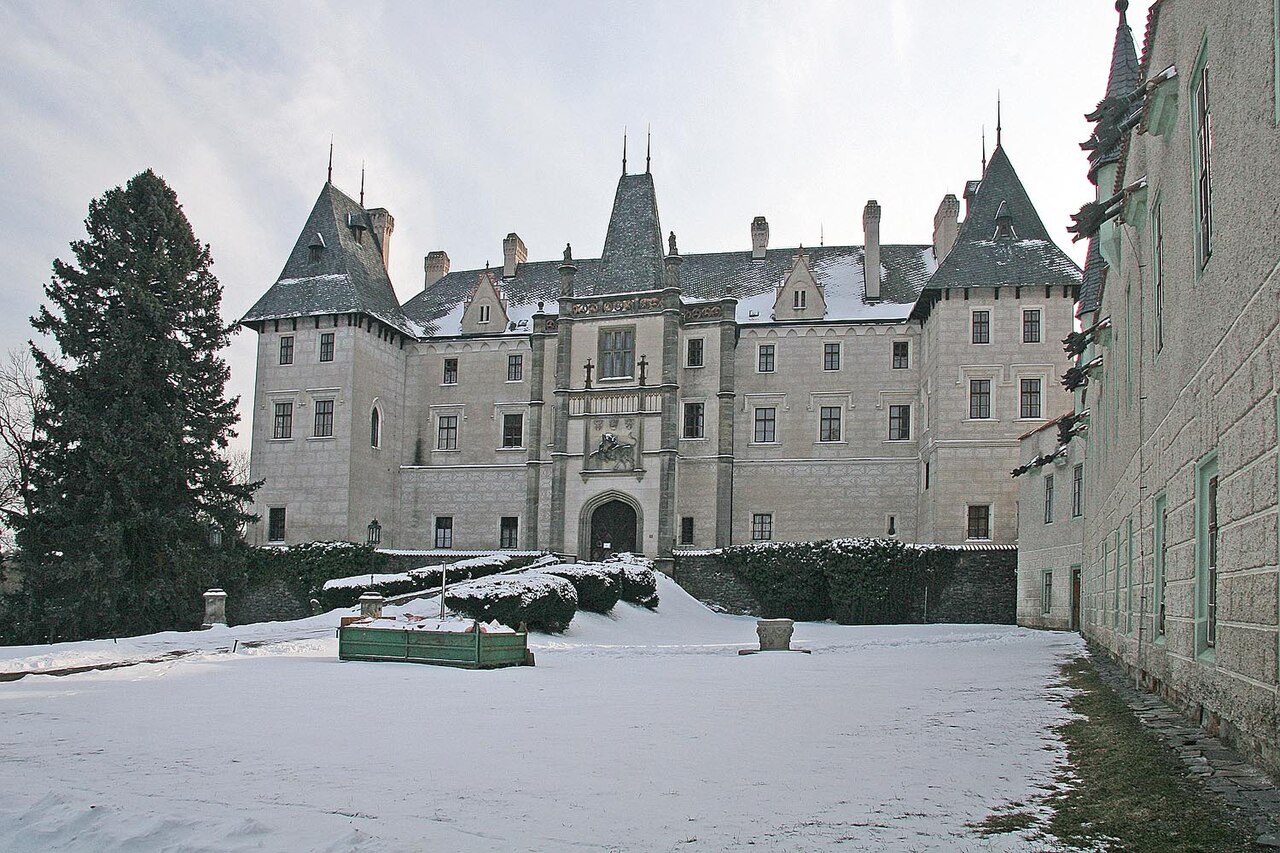
Today, the castle is restored and accessible to tourists, offering a unique glimpse into the medieval world of mining, minting, and royal administration. Visitors can learn about the intricate processes of coin production and the castle's role in shaping Czech history. The site remains a testament to the ingenuity and ambition of medieval rulers who harnessed natural resources to bolster their realm's wealth and influence.
Visiting Kutna Hora castle
The castle is open to the public, providing guided tours that detail its architectural features and historical context. Key highlights include the royal chapel, the audience hall, and the minting workshops. The site is a must-visit for those interested in medieval architecture, numismatics, and Central European history.
Frequently asked questions (FAQ)
- What is the historical importance of Kutna Hora castle?
- Kutna Hora castle was a key royal mint and administrative center in medieval Czechia, centralizing silver coin production and royal authority.
- Can I visit the royal chapel inside Kutna Hora castle?
- Yes, the royal chapel built in 1386 is open to visitors and is one of the castle's most significant architectural features.
- When was Kutna Hora castle built?
- The castle was constructed in the late 13th century under King Wenceslaus II to support silver mining and minting activities.
- Is Kutna Hora castle accessible year-round?
- The castle is generally open to tourists throughout the year, with specific visiting hours depending on the season and local regulations.
- Are there guided tours available at Kutna Hora castle?
- Yes, guided tours are offered to help visitors understand the castle's history, architecture, and the minting process.
Information
Current owner
Municipality
Loading map...
Visitor reviews
No reviews yet. Been here? Write the first review and help other travelers!
Write the first reviewVisited this castle? Share your experience
Your review helps other travelers and adds first-hand knowledge to our encyclopedia.