Kurume Castle
Kurume Castle (久留米城, Kurume-jō) stands as a significant historical site in Japan, reflecting the turbulent era of the late 16th century. Constructed in 1587 by Kobayakawa Hidekane, the ninth son of the renowned warlord Mōri Motonari, the castle played a strategic role during Japan's Sengoku period, a time marked by continuous military conflict and social upheaval.
Historical background and construction
The castle was established as a stronghold in the region of Kurume, which is located on the island of Kyushu. This period in Japanese history was characterized by the rise of powerful daimyo (feudal lords) who built castles to consolidate their power and defend their territories. Kurume Castle was built as part of this broader movement of castle construction that helped shape the political landscape of the era.
Kobayakawa Hidekane, a member of the influential Kobayakawa clan, was entrusted with the construction and governance of the castle. The Kobayakawa family was closely allied with the Mōri clan, one of the dominant forces in western Japan. Kurume Castle's establishment in 1587 coincided with the final years of the Sengoku period, just before the unification of Japan under the Tokugawa shogunate.
Architecture and castle features
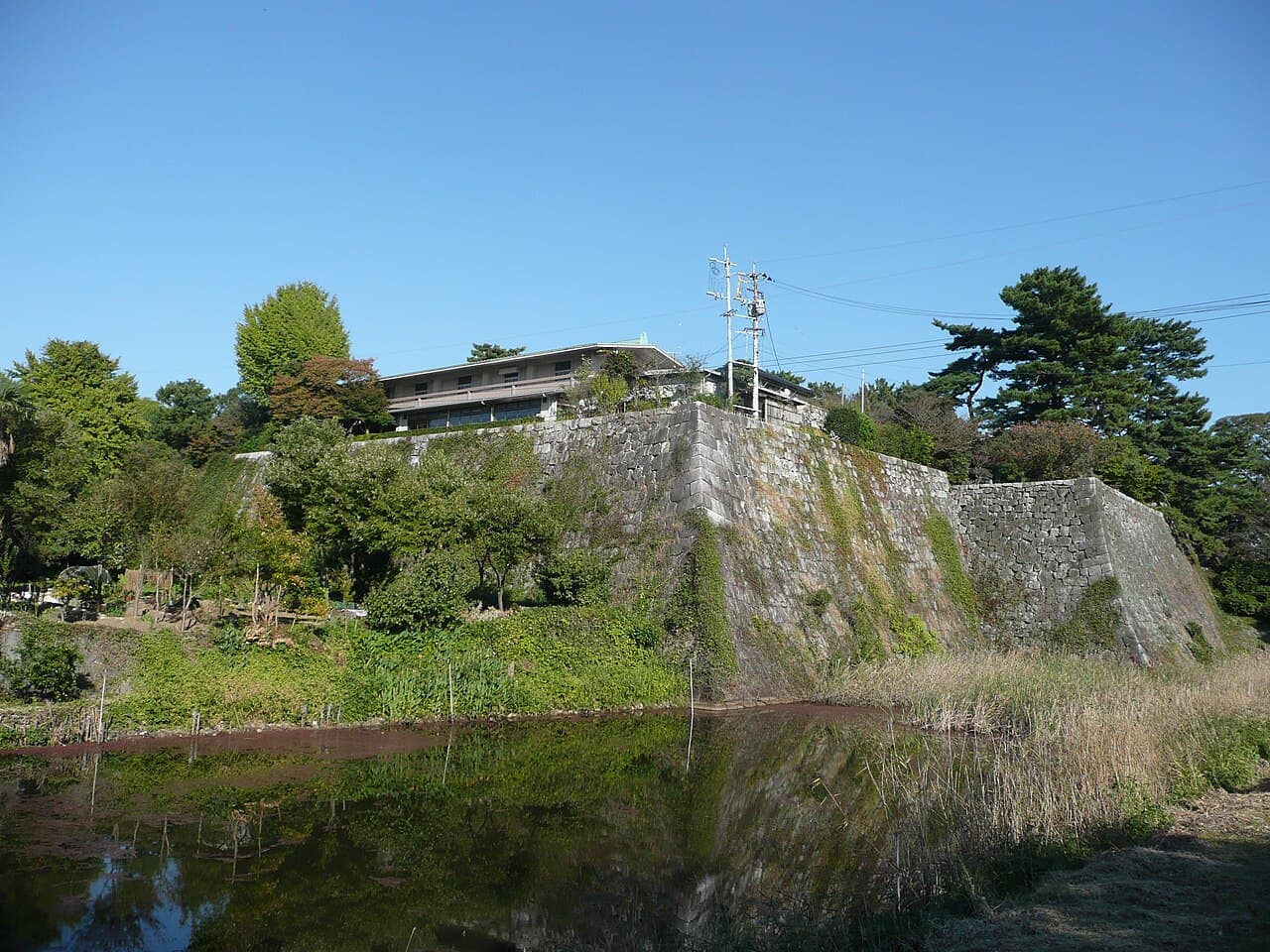
Though today Kurume Castle remains primarily as archaeological ruins, its original design reflected typical features of Japanese castles of the late 16th century. The castle was built with stone walls and surrounded by a water moat, elements that were essential for defense against sieges and attacks. The stone walls were constructed using traditional Japanese techniques that emphasized both strength and aesthetic harmony with the natural landscape.
The castle's layout likely included multiple baileys (courtyards) and defensive structures such as gates and watchtowers, although much of this has not survived. The presence of the moat indicates the strategic use of water defenses, common in Japanese castle architecture to impede enemy advances and protect the inner keep.
Current condition and preservation
Today, Kurume Castle is classified as ruins, with only portions of its stone walls and the moat remaining visible. Despite the loss of its main structures, the site remains an important cultural and historical landmark. It was recognized in 2017 as one of the Continued Top 100 Japanese Castles, a list that highlights castles of significant heritage value that may not be as well preserved as others but are crucial for understanding Japan's feudal past.
The ruins offer visitors a glimpse into the castle's original defensive features and the landscape it once dominated. Archaeological efforts and local preservation initiatives aim to maintain the site for educational and cultural purposes, allowing people to connect with Japan's rich history.
Kurume castle in regional context
Located in the Kyushu region, Kurume Castle was part of a network of fortifications that controlled key routes and territories during the Sengoku period. The castle's position would have been strategically chosen to oversee important transportation and communication lines. The surrounding area has evolved significantly since the castle's active use, but the ruins remain a testament to the region's feudal heritage.
Visiting Kurume castle ruins
Visitors to Kurume Castle today can explore the remnants of the stone walls and the moat, which provide a tangible connection to the castle's past. The site is accessible and offers opportunities for historical education and appreciation of traditional Japanese castle architecture. While the original buildings no longer stand, the ruins evoke the military and political significance of the castle during a pivotal era in Japanese history.
Frequently asked questions (FAQ)
- When was Kurume Castle built and by whom?
- Kurume Castle was built in 1587 by Kobayakawa Hidekane, the ninth son of the warlord Mōri Motonari, during the late Sengoku period.
- What remains of Kurume Castle today?
- Today, Kurume Castle exists primarily as ruins, with some stone walls and a water moat still visible, reflecting its original defensive features.
- Why is Kurume Castle historically significant?
- Kurume Castle played a strategic role during the Sengoku period, representing the power of the Kobayakawa clan allied with the Mōri family in Kyushu.
- Is Kurume Castle open to visitors?
- Yes, the castle ruins are accessible to the public, allowing visitors to explore the stone walls and moat and learn about its feudal history.
- What architectural features did Kurume Castle have?
- The castle featured stone walls and a water moat, common defensive elements in Japanese castles of the late 16th century, designed to protect against sieges.
Photo gallery

Photo by 上条ジョー•Public domain
Information
Loading map...
Visitor reviews
No reviews yet. Been here? Write the first review and help other travelers!
Write the first reviewVisited this castle? Share your experience
Your review helps other travelers and adds first-hand knowledge to our encyclopedia.