Yoshinogari
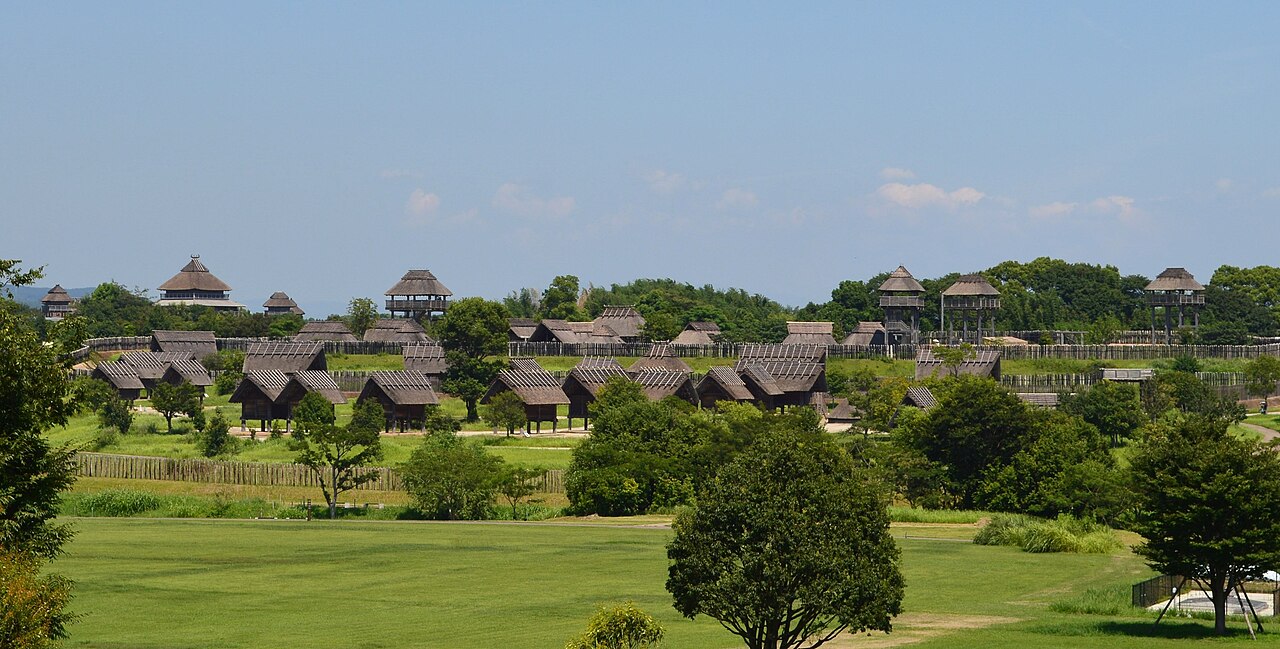
Yoshinogari settlement stands as one of the most significant archaeological sites in Japan, representing an extensive lowland castle complex dating back to the Yayoi period (300 B.C. - 300 A.D.). This fortified village exemplifies early Japanese efforts to protect communities amid growing populations and competition for resources. The site’s vast scale and complex defensive features make it a key example of prehistoric fortification in East Asia.
Historical context and significance
The Yayoi period marked a transformative era in Japanese prehistory, characterized by the introduction of wet-rice agriculture, metallurgy, and social stratification. As populations increased, settlements evolved from simple hamlets to fortified villages. Yoshinogari is a prime illustration of this evolution, with its extensive moats and defensive embankments constructed to safeguard inhabitants and valuable farmland.
Spanning approximately 117 hectares, Yoshinogari is among the largest known Yayoi period sites. Its scale has led scholars to speculate that it may have been the political center of the Yamatai kingdom, described in ancient Chinese chronicles. Although no definitive proof links Yoshinogari to Yamatai, the site's size and strategic location underscore its importance in regional power dynamics during the period.
Architectural features and fortifications
The settlement’s defensive system primarily consists of multiple concentric moats and raised earthen walls. These fortifications encircle the village, creating a formidable barrier against potential attackers. The moats vary in width and depth, demonstrating sophisticated engineering adapted to the local terrain and hydrology.
Within the enclosed area, archaeologists have uncovered remains of raised-floor dwellings, storage pits, and large communal buildings, indicating a complex social structure. The presence of watchtowers or elevated platforms is suggested by posthole patterns, although no complete wooden structures have survived. The site also contains several burial mounds or tumuli, some of which are accessible to visitors, displaying funerary pottery and grave goods in situ.
Burial mounds and ritual spaces
The burial mounds at Yoshinogari provide crucial insights into Yayoi funerary practices and social hierarchy. These mounds vary in size, with larger tumuli likely belonging to elite individuals or clan leaders. Excavations have revealed grave goods such as bronze mirrors, weapons, and jewelry, reflecting the wealth and status of the interred.
Visitors to the site can enter one of the burial mounds to view the burial pots and artifacts as they were originally placed, offering a rare glimpse into ancient ritual and mortuary customs.
Archaeological discovery and research
Although the Yoshinogari area was long known for yielding ancient relics, systematic excavations only began in 1986. These extensive digs have uncovered a wealth of information about Yayoi society, settlement patterns, and defensive architecture. The site’s preservation and ongoing study have made it a cornerstone of Japanese archaeology.
Fieldwork has been supported by both national and local authorities, with the site now functioning as an archaeological park open to the public. Interpretive displays, reconstructed buildings, and walking trails allow visitors to explore the settlement’s layout and understand its historical context.
Visiting Yoshinogari today
The site is accessible via a short walk from both JR Kanzaki Station and JR Yoshinogari Koen Station, making it convenient for travelers. The expansive area requires ample walking time, with about 63 hectares open for visitor exploration. Key highlights include the moat systems, reconstructed dwellings, and the burial mound interior.
Visitors are advised to take their time to fully appreciate the scale and complexity of this ancient fortified village. The site’s combination of archaeological remains and natural setting provides a unique window into Japan’s prehistoric past.
Frequently asked questions (FAQ)
- How do I get to Yoshinogari settlement?
- Yoshinogari settlement is accessible by a 15-minute walk from JR Kanzaki Station or JR Yoshinogari Koen Station, making it convenient for visitors traveling by train.
- What is the historical significance of Yoshinogari?
- Yoshinogari is one of the largest Yayoi period fortified settlements in Japan, offering valuable insights into early Japanese society, agriculture, and defense.
- Can I enter the burial mounds at Yoshinogari?
- Yes, visitors can enter at least one burial mound to see the burial pots and artifacts in situ, providing a unique glimpse into ancient funerary practices.
- What architectural features are notable at Yoshinogari?
- The site features multiple concentric moats, earthen walls, raised-floor dwellings, and burial mounds, reflecting sophisticated Yayoi period fortification and settlement planning.
- Is Yoshinogari linked to the Yamatai kingdom?
- While some researchers speculate that Yoshinogari was the capital of Yamatai as mentioned in ancient Chinese texts, there is no conclusive evidence to confirm this connection.
Information
Opening hours
January 1 - May 31 9:00 ~ 17:00; June 1 - August 31 9:00 ~ 18:00; September 1 - December 30 9:00 ~ 17:00 Adult (15 and up) 400yen
Website
Visit websiteSources & official resources
Verify the information above using these authoritative references.
Loading map...
Visitor reviews
No reviews yet. Been here? Write the first review and help other travelers!
Write the first reviewVisited this castle? Share your experience
Your review helps other travelers and adds first-hand knowledge to our encyclopedia.