Kii Castle
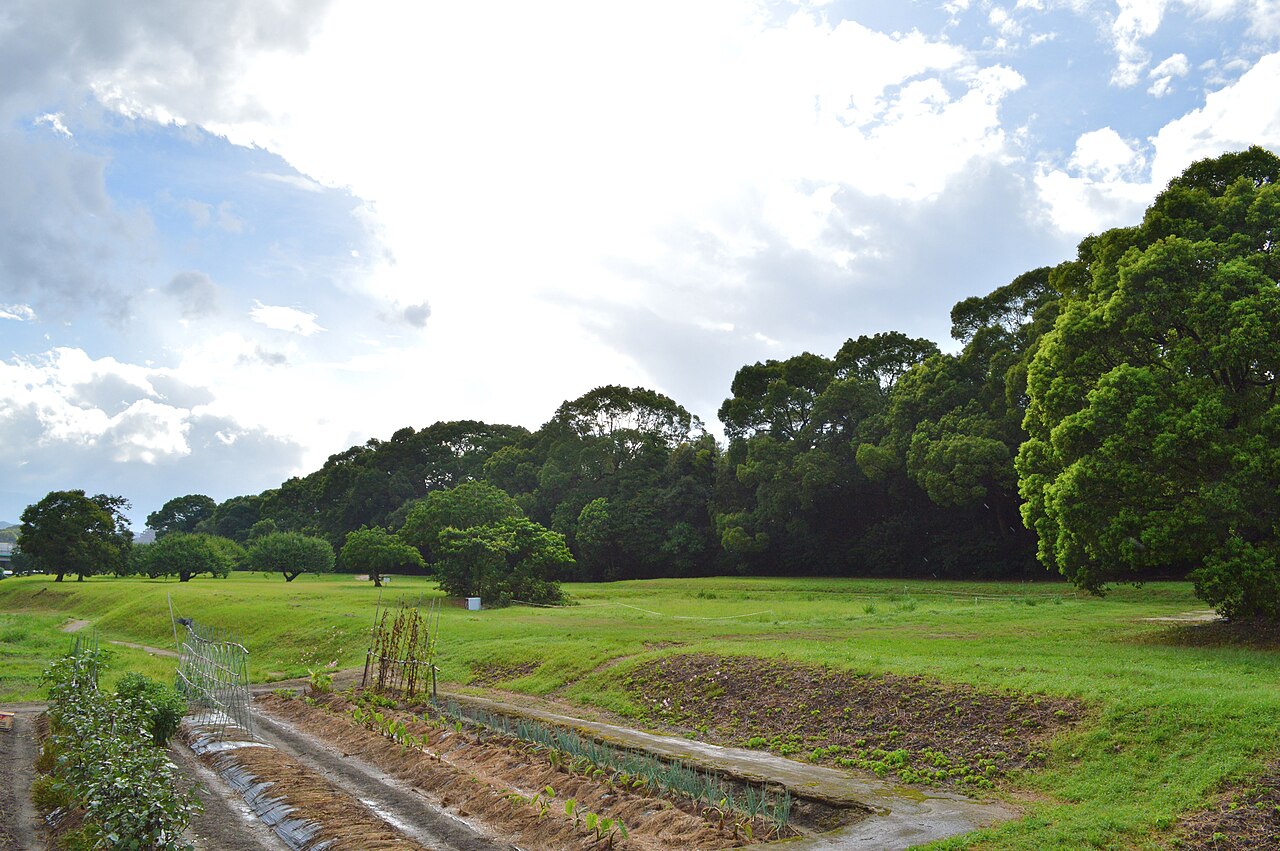
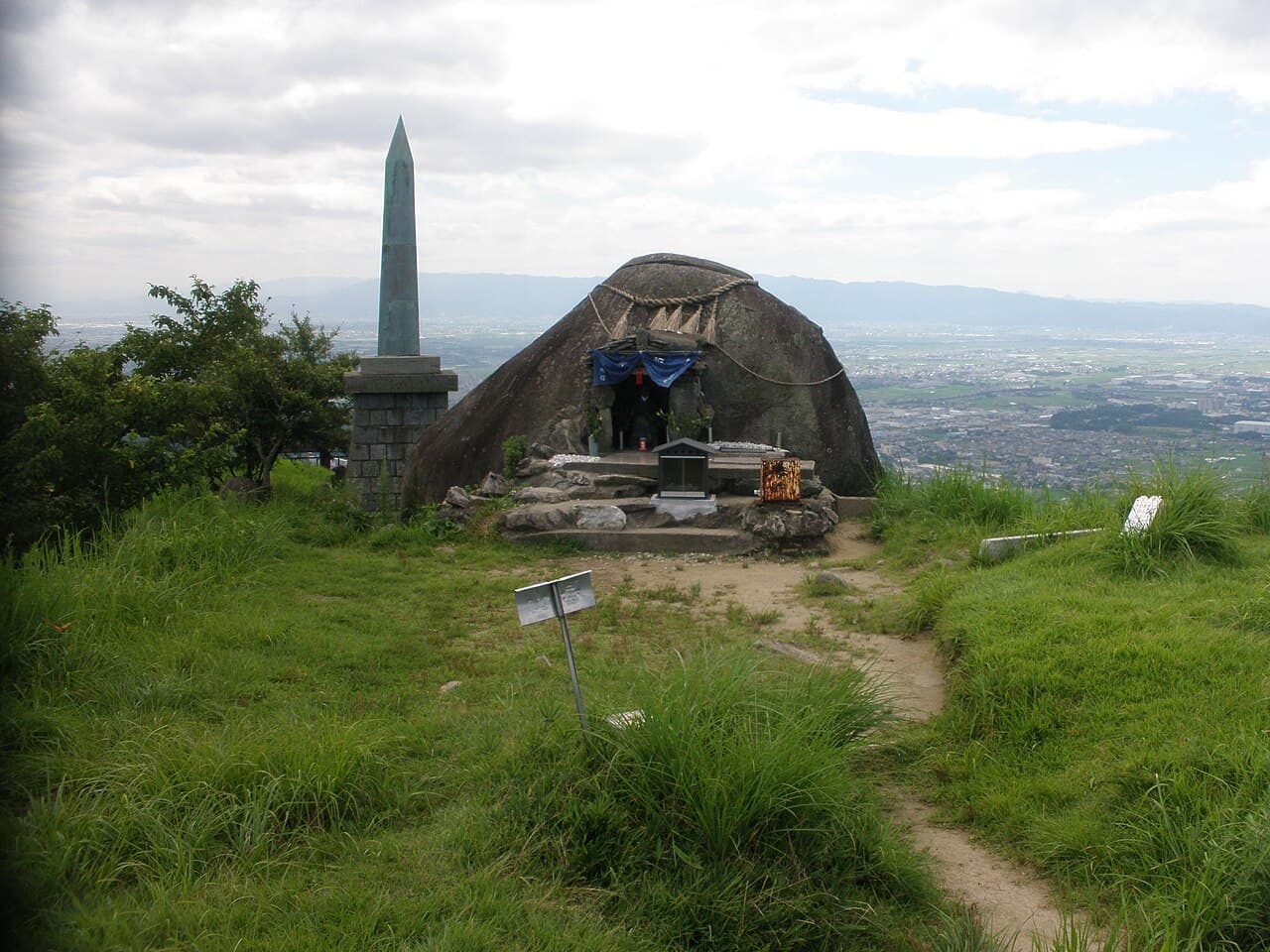
Kii Castle (基肄城, Kii-jō or Kii-no-ki) is a significant ancient fortress located on Mount Kizan, straddling the border between the city of Chikushino in Fukuoka Prefecture and the town of Kiyama in Saga Prefecture, Japan. This site represents one of the rare examples of Korean-style mountain fortresses (朝鮮式山城, Chōsen-shiki yamajiro) constructed during Japan's Early Medieval period, specifically in the 7th century. The castle's ruins have been recognized for their historical and cultural value, designated as a National Historic Site in 1937 and later elevated to a Special Historic Site status in 1954.
Historical context and significance
Kii Castle was built during a time of frequent military threats and political upheaval in East Asia. The fortress was part of Japan's strategic defensive network designed to protect the northern Kyushu region from potential invasions, particularly from the Korean Peninsula and Tang China. Its construction reflects the influence of continental military architecture, especially from the Korean kingdoms, which had a profound impact on Japan's fortification techniques during the 7th century.
Architectural features and design
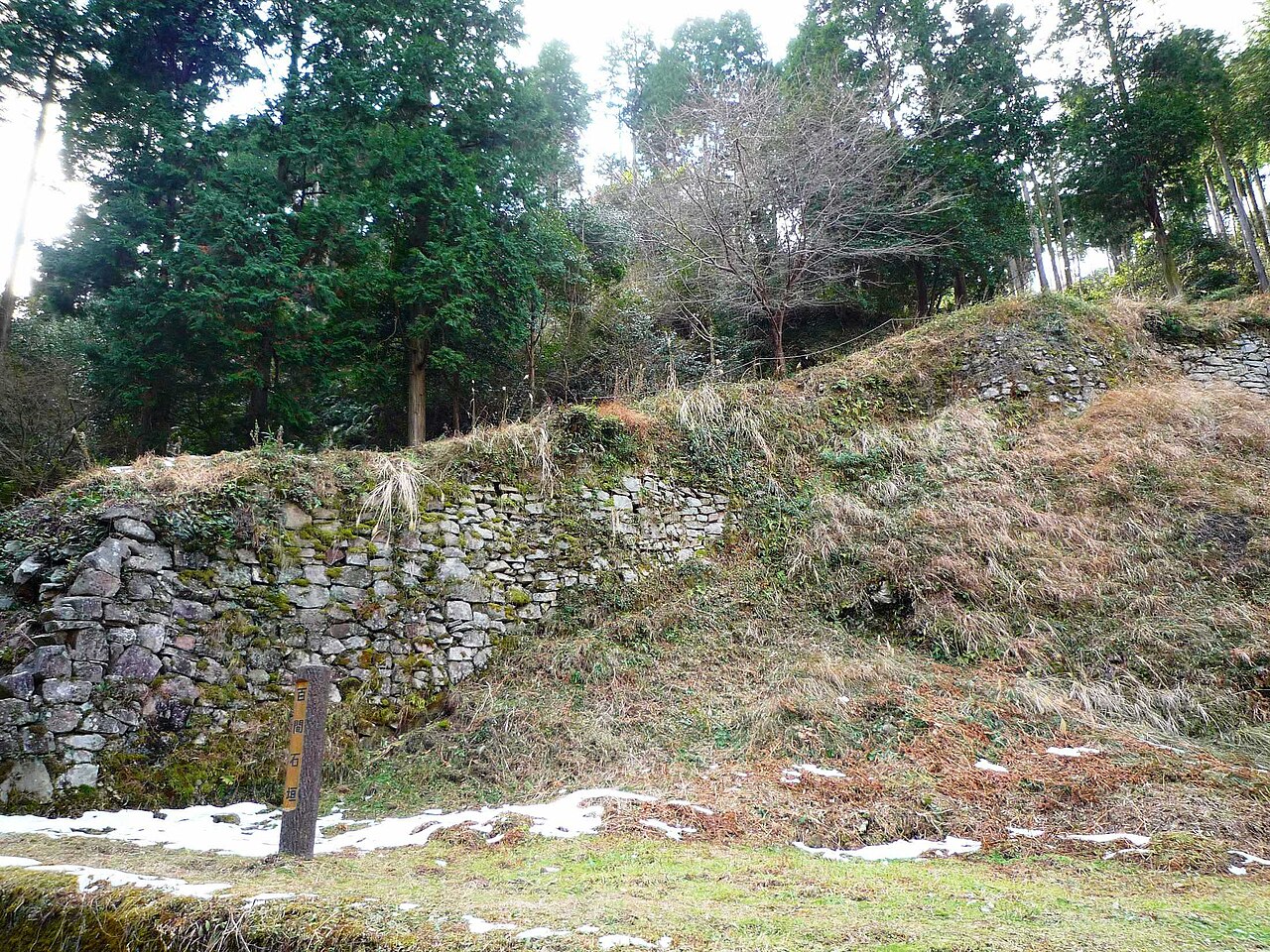
The castle exemplifies the Korean-style mountain fortress design, characterized by its strategic placement on elevated terrain to maximize defensive advantages. The fortress walls were constructed using stone and earthworks, forming an extensive enclosure that followed the natural contours of Mount Kizan. This design allowed defenders to utilize the steep slopes and natural barriers effectively against attackers.
Fortification elements
- Stone walls: Built to withstand sieges and provide durable defense against invaders.
- Earthen ramparts: These earthworks supplemented the stone walls, adding height and strength to the defensive perimeter.
- Gates and watchtowers: Strategically placed to monitor approaches and control access to the fortress.
Archaeological investigations and preservation
The ruins of Kii Castle have been the subject of extensive archaeological research since the early 20th century. Excavations have revealed the layout of the fortress, including remnants of walls, gates, and other defensive structures. These findings have provided valuable insights into the military architecture and defensive strategies of the period.
Preservation efforts have focused on maintaining the site's integrity as an archaeological ruin while making it accessible for educational and cultural purposes. The designation as a Special Historic Site underscores the importance of protecting this unique example of ancient Japanese-Korean military collaboration and architectural heritage.
Visiting Kii Castle ruins
Today, visitors to the Kii Castle ruins can explore the remains of this ancient fortress and enjoy panoramic views from Mount Kizan. The site offers a glimpse into Japan's early medieval defensive systems and the cross-cultural influences that shaped its military architecture.
Interpretive signage and guided tours help contextualize the site's historical significance. While the castle is in ruins, the preserved earthworks and stone foundations allow visitors to appreciate the scale and sophistication of the fortress.
Access and facilities
The ruins are accessible by hiking trails from nearby towns, with some facilities for visitors including informational panels and rest areas. The site is open year-round, with the best visiting seasons being spring and autumn when the surrounding landscape is particularly scenic.
Frequently asked questions (FAQ)
- What is the historical significance of Kii Castle?
- Kii Castle, built in the early 16th century, served as a strategic military fortress during the Sengoku period. It played a vital role in the unification of Japan and is considered an important site for understanding the region's feudal history.
- When was Kii Castle constructed?
- Kii Castle was constructed in 1540 by the powerful feudal lord, Matsudaira Nobuyasu. Over the years, it underwent several renovations and expansions, reflecting the architectural styles of different periods in Japanese history.
- How do I get to Kii Castle?
- Kii Castle is accessible by public transport, with the nearest station being Kii-Tanabe Station. From there, visitors can take a short bus ride or taxi to reach the castle grounds.
- Can I visit Kii Castle year-round?
- Yes, Kii Castle is open to visitors year-round, although the best time to visit is during the cherry blossom season in spring or the colorful foliage in autumn. These seasons provide stunning backdrops for photos and enhance the overall experience.
- What are the opening hours of Kii Castle?
- Kii Castle is typically open from 9 AM to 5 PM, with last entry at 4:30 PM. However, it is advisable to check for seasonal variations or special holiday hours before planning your visit.
- Is there an entrance fee to visit Kii Castle?
- Yes, there is a small entrance fee to explore Kii Castle, which helps maintain the site. The ticket prices are generally affordable, making it accessible for most visitors.
- Are there any nearby attractions to visit while at Kii Castle?
- Yes, visitors can explore several nearby attractions, including the Kii-Katsuura Onsen hot springs and the picturesque Nachi Falls. These sites offer a glimpse into Japan's natural beauty and cultural heritage.
- Is Kii Castle accessible for visitors with mobility issues?
- While Kii Castle has made efforts to accommodate visitors with mobility challenges, some areas may be difficult to access due to uneven terrain and stairs. It is recommended to contact the castle's visitor center for specific accessibility information and assistance.
Photo gallery

Information
Loading map...
Visitor reviews
No reviews yet. Been here? Write the first review and help other travelers!
Write the first reviewVisited this castle? Share your experience
Your review helps other travelers and adds first-hand knowledge to our encyclopedia.