Kuressaare Castle
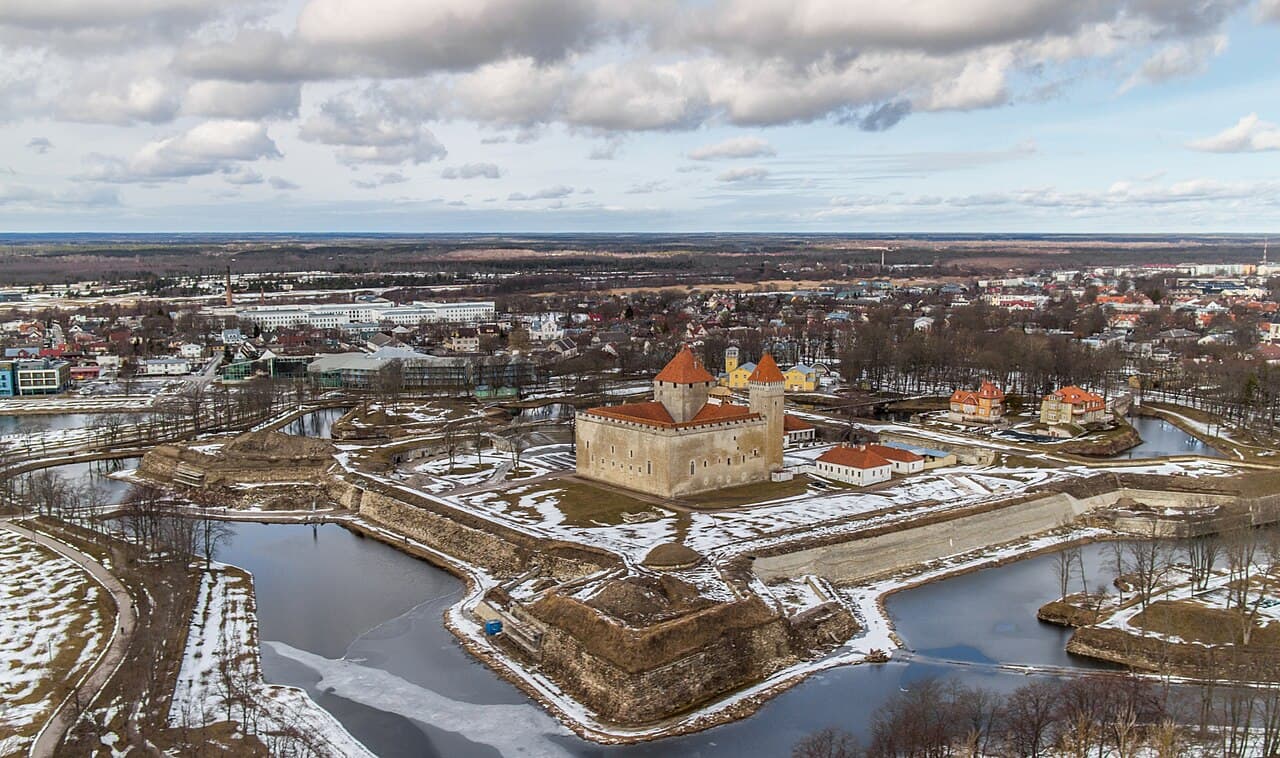
Kuressaare Castle, also known as the Episcopal Castle of Kuressaare, stands as one of the most remarkable medieval fortifications in the Baltic region. Located in the town of Kuressaare on the island of Saaremaa, Estonia, this castle embodies centuries of history, architectural evolution, and cultural significance. Originally constructed in the 14th century, Kuressaare Castle has survived through various political regimes and military conflicts, maintaining its structural integrity and historical authenticity. Today, it serves as the home of the Saaremaa Museum, offering visitors a rich experience of local history through permanent and temporary exhibitions.
The castle is distinguished as the only surviving medieval convent building in the Baltic States that has not undergone significant architectural alterations. Its preservation offers a rare glimpse into the late medieval defensive architecture and the lifestyle of the bishops who once ruled the Saare-Lääne bishopric (also known as Ösel-Wiek). The castle's construction began in the 1260s and spanned approximately 40 years, culminating in a complex that includes a convent building, defensive towers, and fortified walls.
Historical context and origins
The foundation of Kuressaare Castle is closely linked to the German crusaders' conquest of Saaremaa in 1227. Following the conquest, the Saare-Lääne bishopric was established as a feudal state comprising parts of western Estonia and the surrounding islands. The castle was built to serve as the residence and fortress of the bishops, symbolizing both religious authority and military power.
The earliest documented reference to the stone castle dates from 1381, although archaeological and historical research suggests that a wooden fortification may have existed on the site earlier. The castle's initial design featured a quadrangular convent layout with a centrally placed round defensive tower known as "Pikk Hermann". This tower, rising to 37 meters with seven stories, functioned as a watchtower, last refuge, and prison.
Architectural features and fortifications
Convent building and towers
The main convent building is organized around a roughly square courtyard, each side measuring about 43 meters. It is a prime example of late Gothic stone architecture, combining residential quarters with defensive structures. The building has three stories and includes two towers: the Defense Tower and the taller Watch Tower (Pikk Hermann). Notably, the watch tower lacked a roof until the 16th century, emphasizing its role as an observation post.
Defensive walls and artillery enhancements
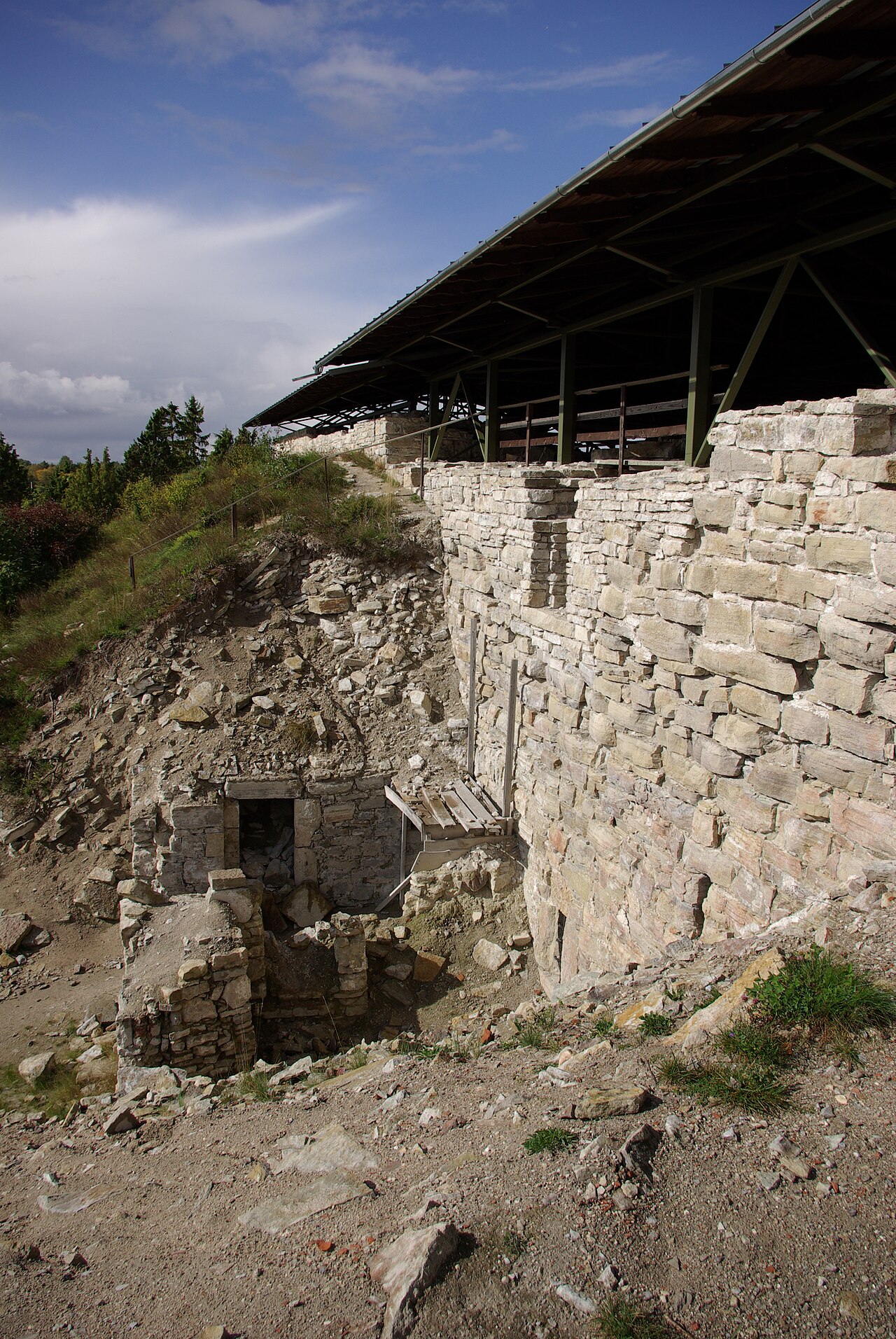
The castle was originally surrounded by massive defensive walls, some of which have survived to this day. An outer ring wall of approximately 625 meters in length and 7 meters in height enclosed the fortress, supplemented by bastions and artillery towers built in the 15th century to withstand the advent of gunpowder weaponry. One of the most significant additions was a large cannon tower constructed around 1470, which has since been restored.
In the 16th century, under Danish rule, the castle was further fortified with a moat filled with seawater, transforming it into a citadel. Subsequent Swedish and Russian rulers modernized the fortress, adapting it to contemporary military architectural styles, including the Vauban-style star fortifications introduced during the Swedish period.
Interior spaces and heating system
The castle's interior features vaulted halls supported by octagonal pillars, including the large refectory which served as a multifunctional space for meetings and religious gatherings. The chapel in the southern corner is the tallest room, adorned with Gothic ornamental details such as pinnacles and crockets.
An advanced hypocaust heating system was installed in the southwest and northwest wings, utilizing large fireplaces and a network of ducts to distribute warmth beneath floors and into key chambers. This system highlights the medieval innovation in ensuring comfort within the fortress.
Historical transformations and ownership
Throughout its history, Kuressaare Castle changed hands multiple times, reflecting the turbulent political landscape of the Baltic region. Originally the seat of the Saare-Lääne bishops, it was sold to the Danish crown in 1559 during the Livonian War. The Danes enhanced the fortifications, including the moat and bastions.
Following the Treaty of Brömsebro in 1645, the castle came under Swedish control, which brought further modernization efforts. The fortress was remodeled into a star fort by 1706, incorporating Italian-style bastions to improve resistance against artillery sieges.
After the Great Northern War, the castle became part of the Russian Empire. Its military importance declined, and by 1836 the garrison was withdrawn. The castle was sold to the Knighthood of Saaremaa, who undertook restoration efforts during the 19th and early 20th centuries. During this period, the castle was repurposed as a poorhouse, reflecting its diminished strategic role.
Darker chapters and modern use
The 20th century brought darker episodes to Kuressaare Castle. During the Soviet occupation in 1941, the castle was used as a prison and execution site, where approximately 90 civilians were executed in the courtyard. Under Nazi occupation, more than 300 people were killed on the premises. These tragic events are part of the castle's complex history and are remembered today as a somber chapter.
Today, Kuressaare Castle is owned by the Regional Museum of Saaremaa and serves as a cultural and historical center. It houses permanent exhibitions on the region's history and natural heritage, as well as temporary exhibitions and cultural events such as concerts. The castle's well-preserved interiors, including religious and defensive quarters, torture instruments, and dungeons, provide visitors with an immersive experience of medieval life and justice.
Castle grounds and surroundings
The castle grounds include a park established in 1861 and several wooden spa buildings dating from the late 19th and early 20th centuries. These additions reflect the site's evolution from a medieval fortress to a center of leisure and culture.
Kuressaare Castle remains a symbol of Saaremaa island and a testament to the region's rich history, architectural heritage, and resilience through centuries of change.
Frequently asked questions (FAQ)
- What is the historical significance of Kuressaare Castle?
- Kuressaare Castle, built in the 14th century, is one of the best-preserved medieval fortifications in Estonia. It served as a stronghold for the Livonian Order and played a crucial role in the region's history, reflecting the architectural and cultural influences of its time.
- When was Kuressaare Castle opened to the public?
- Kuressaare Castle was opened to the public in 1966 and has since become a popular tourist destination. Visitors can explore its well-preserved interiors, exhibitions, and beautiful surroundings throughout the year.
- What are the opening hours for Kuressaare Castle?
- The opening hours for Kuressaare Castle vary by season. Generally, it is open daily, with extended hours during the summer months and shorter hours in winter, so it's best to check the official website for the latest information before your visit.
- Can I visit Kuressaare Castle with a wheelchair?
- Yes, Kuressaare Castle is accessible for visitors with mobility challenges. The castle provides facilities and ramps to ensure that everyone can enjoy its historical significance and stunning architecture.
- What are the ticket prices for Kuressaare Castle?
- Ticket prices for Kuressaare Castle are generally affordable, with discounts available for students, seniors, and families. Children under a certain age can often enter for free, making it a great destination for family outings.
- When is the best time to visit Kuressaare Castle?
- The best time to visit Kuressaare Castle is during the late spring to early autumn months, when the weather is pleasant and the surrounding gardens are in full bloom. This is also when many cultural events and activities take place, enhancing the visitor experience.
- Is it possible to take guided tours at Kuressaare Castle?
- Yes, guided tours are available at Kuressaare Castle, offering visitors a deeper insight into its history and architecture. These tours are often conducted in multiple languages and provide an engaging way to learn about the castle's fascinating past.
- What nearby attractions can I explore while visiting Kuressaare Castle?
- While visiting Kuressaare Castle, you can also explore the beautiful Kuressaare Town Park, the Saaremaa Museum, and the charming local beaches. These attractions complement the castle experience, offering a well-rounded visit to the area.
Photo gallery

Information
Website
Visit websiteSources & official resources
Verify the information above using these authoritative references.
Loading map...
Visitor reviews
No reviews yet. Been here? Write the first review and help other travelers!
Write the first reviewVisited this castle? Share your experience
Your review helps other travelers and adds first-hand knowledge to our encyclopedia.