Kumbhalgarh
Kumbhalgarh Fort, often hailed as the Great Wall of India, is a monumental fortress situated on the western range of the Aravalli Hills in the Rajsamand district of Rajasthan, India. Constructed in the 15th century by the renowned ruler Rana Kumbha, this fort is a remarkable example of medieval military architecture in India. It lies approximately 48 kilometers from Rajsamand and 84 kilometers from the city of Udaipur, making it a significant landmark in the region.
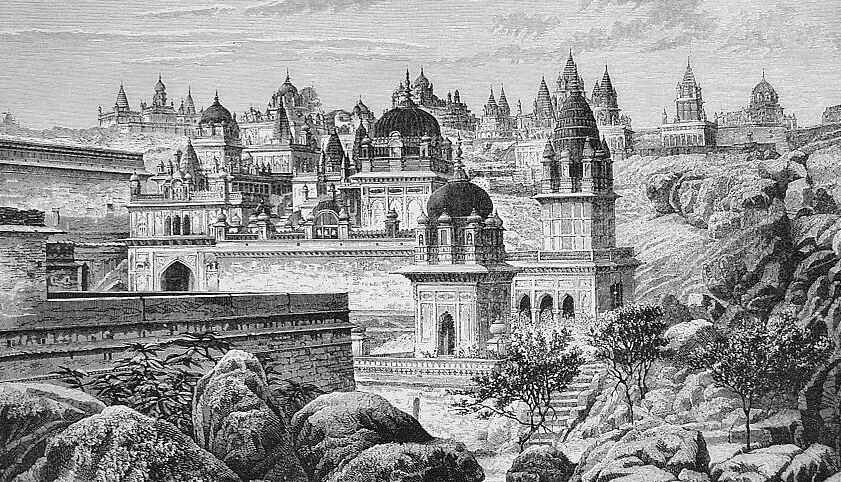
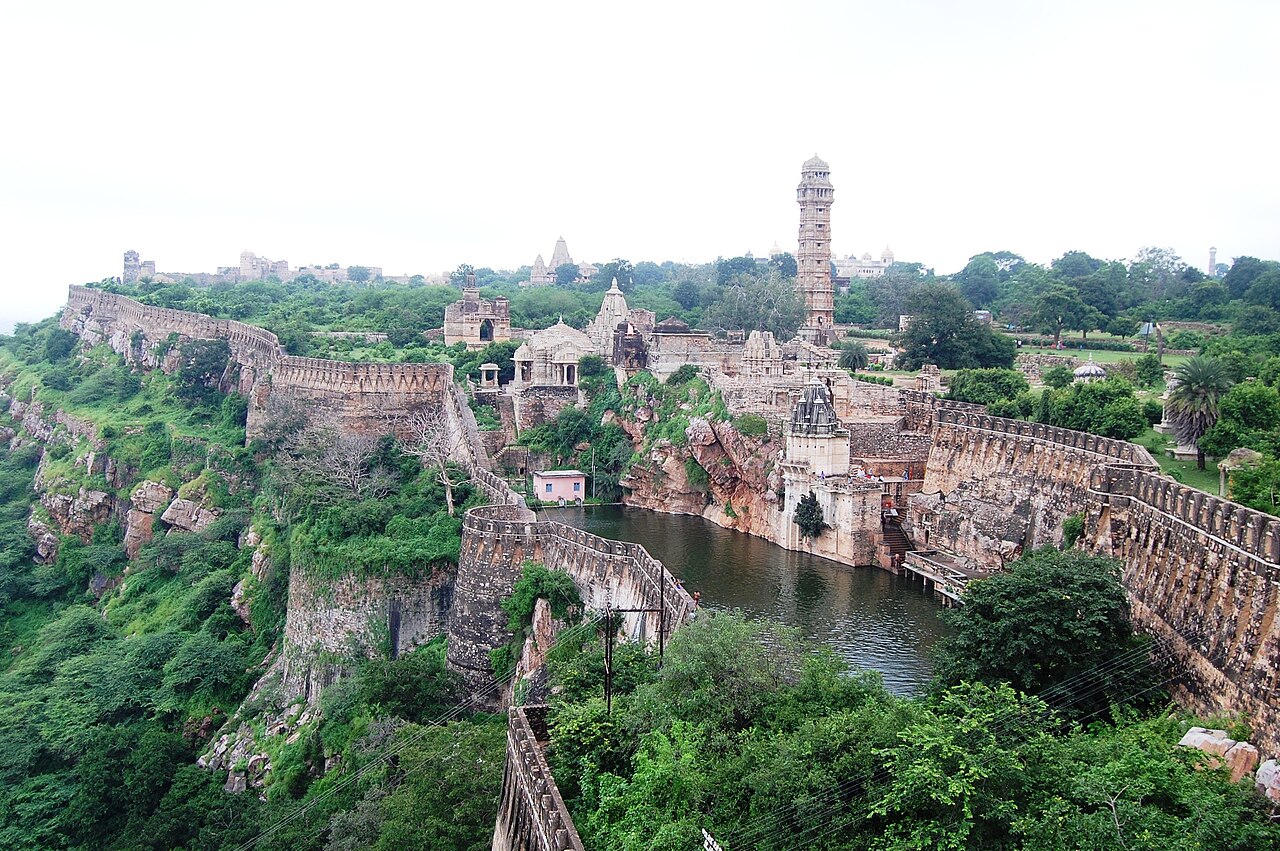
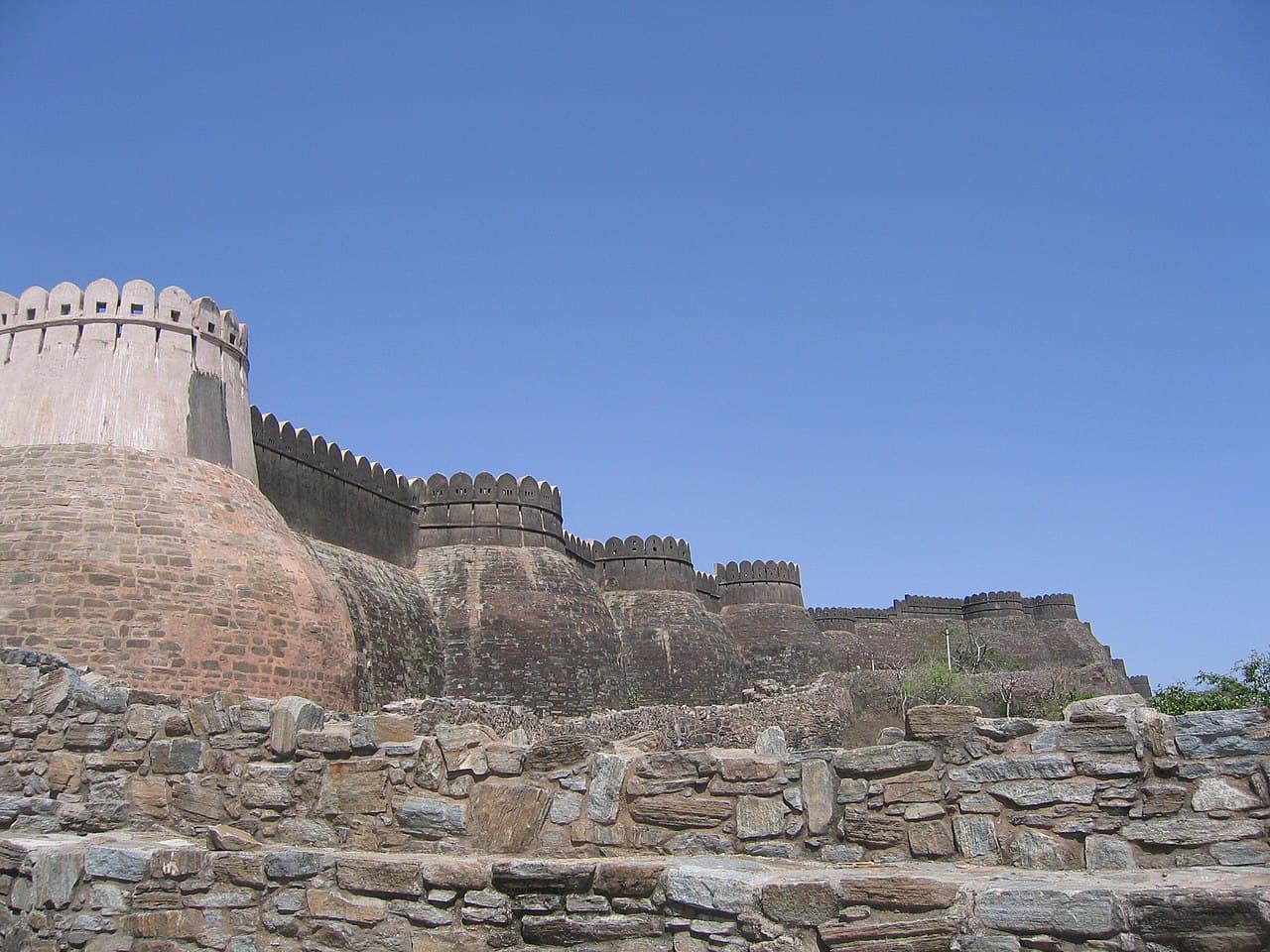
The fort is famed for its massive fortification walls that extend over 36 kilometers, making them among the longest continuous walls in the world. These walls were designed to withstand invasions and protect the kingdom of Mewar. The extensive battlements and bastions along the walls provided strategic vantage points for archers and guards. The fort’s walls enclose a complex of palaces, temples, and numerous other structures, reflecting the architectural and cultural heritage of the time.
Kumbhalgarh Fort holds historical significance as the birthplace of Maharana Pratap, one of the most celebrated kings and military leaders of Mewar. His legacy as a fearless warrior who resisted Mughal expansion is closely tied to this fortress, adding to its cultural importance.
Architectural features and fortifications
The fort’s design showcases a blend of defensive and aesthetic elements characteristic of Rajput military architecture. The massive bastioned walls are punctuated by numerous gates, including the main entrance known as the Hanuman Pol. This gate is guarded by statues of Hanuman, the Hindu monkey god, symbolizing protection and strength.
The walls are built from large stone blocks and rise up to 15 feet in height in some sections, with widths sufficient to allow horses to be ridden along the ramparts. The fortifications are supported by strategically placed bastions that allowed defenders to cover all approaches effectively. The walls also incorporate watchtowers and turrets for surveillance and defense.
Inside the fort, there are numerous temples dedicated to Hindu deities, including the Neelkanth Mahadev Temple and the Jain Temple. These religious structures highlight the spiritual dimension of the fort complex. The palaces within the fort, such as the Badal Mahal and Rani Mahal, exhibit intricate carvings and traditional Rajput architectural motifs.
Historical context and significance
Kumbhalgarh Fort was constructed during a period of frequent conflicts between Rajput kingdoms and invading forces. Built under the reign of Rana Kumbha in the mid-15th century, the fort served as a stronghold and refuge for the rulers of Mewar. Its location on a hilltop provided a natural defensive advantage, making it difficult for enemies to capture.
The fort played a crucial role in the defense strategies of the kingdom, especially during the Mughal invasions. It was never fully conquered, a testament to its formidable defenses and the resilience of its defenders. The fort also functioned as a center of administration and royal residence, housing the royal family and their court.
In addition to its military role, the fort was a hub of cultural and religious activity. The temples and palaces inside the walls reflect the patronage of arts and religion by the rulers of Mewar. The fort’s association with Maharana Pratap further enhances its historical prestige, as he is remembered for his resistance against Mughal emperor Akbar.
Modern recognition and preservation
In 2013, Kumbhalgarh Fort, along with five other forts in Rajasthan, was designated a UNESCO World Heritage Site under the collective title Hill Forts of Rajasthan. This recognition highlights the fort's outstanding universal value as an example of Rajput military architecture and its cultural significance in Indian history.
Today, the fort is a popular tourist destination, attracting visitors interested in history, architecture, and scenic views of the surrounding Aravalli Hills. Preservation efforts have been undertaken to maintain the structural integrity of the walls and the various buildings within the fort complex. The site offers a glimpse into the martial and cultural traditions of Rajasthan's Rajput rulers.
Visitor experience and accessibility
Visitors to Kumbhalgarh Fort can explore the extensive fortifications, walk along the ramparts, and visit the historic temples and palaces. The fort’s elevated position provides panoramic views of the surrounding landscape, including the hills and forests. Guided tours are available to provide historical context and architectural insights.
The fort is accessible by road from Udaipur and Rajsamand, with facilities for tourists including parking and local guides. The best time to visit is during the cooler months from October to March when the weather is more comfortable for exploring the vast complex.
Architectural legacy and influence
Kumbhalgarh Fort is an important example of Rajput military architecture that influenced the design of other forts in the region. Its extensive walls and bastions set a standard for defensive construction during the late medieval period in India. The integration of religious and residential structures within a fortified complex illustrates the multifunctional nature of Rajput forts.
The fort’s preservation allows scholars and visitors alike to study the techniques used in stone masonry, fortification design, and urban planning of the time. It stands as a cultural symbol of Rajput valor and architectural ingenuity.
Frequently asked questions (FAQ)
- When was Kumbhalgarh Fort built and by whom?
- Kumbhalgarh Fort was built in the 15th century by Rana Kumbha, a ruler of Mewar in Rajasthan.
- What makes Kumbhalgarh Fort unique among Indian forts?
- The fort is known for its massive 36-kilometer-long wall, one of the longest continuous walls in the world, earning it the nickname 'Great Wall of India.'
- Is Kumbhalgarh Fort a UNESCO World Heritage Site?
- Yes, Kumbhalgarh Fort was declared a UNESCO World Heritage Site in 2013 as part of the Hill Forts of Rajasthan group.
- What can visitors see inside Kumbhalgarh Fort?
- Visitors can explore extensive fortifications, palaces such as Badal Mahal and Rani Mahal, temples including Neelkanth Mahadev Temple, and enjoy panoramic views from the ramparts.
- How can visitors reach Kumbhalgarh Fort?
- The fort is accessible by road from Udaipur and Rajsamand, with local transport and guided tours available.
Photo gallery

Information
Loading map...
Visitor reviews
No reviews yet. Been here? Write the first review and help other travelers!
Write the first reviewVisited this castle? Share your experience
Your review helps other travelers and adds first-hand knowledge to our encyclopedia.