Kumbhalgarh Fortress
Kumbhalgarh fortress stands as a monumental symbol of Rajput military architecture and cultural heritage in the western Indian state of Rajasthan. Located in the Rajsamand District, this hill castle rises majestically at an elevation of approximately 1,100 meters above sea level on the Aravalli mountain range, offering commanding views that stretch over the surrounding landscape, including the distant Thar desert sand dunes. Recognized as a UNESCO World Heritage Site within the group of Hill Forts of Rajasthan, Kumbhalgarh is celebrated for its formidable defensive walls, extensive temple complex, and its historical significance as a refuge and stronghold of the Mewar kingdom.
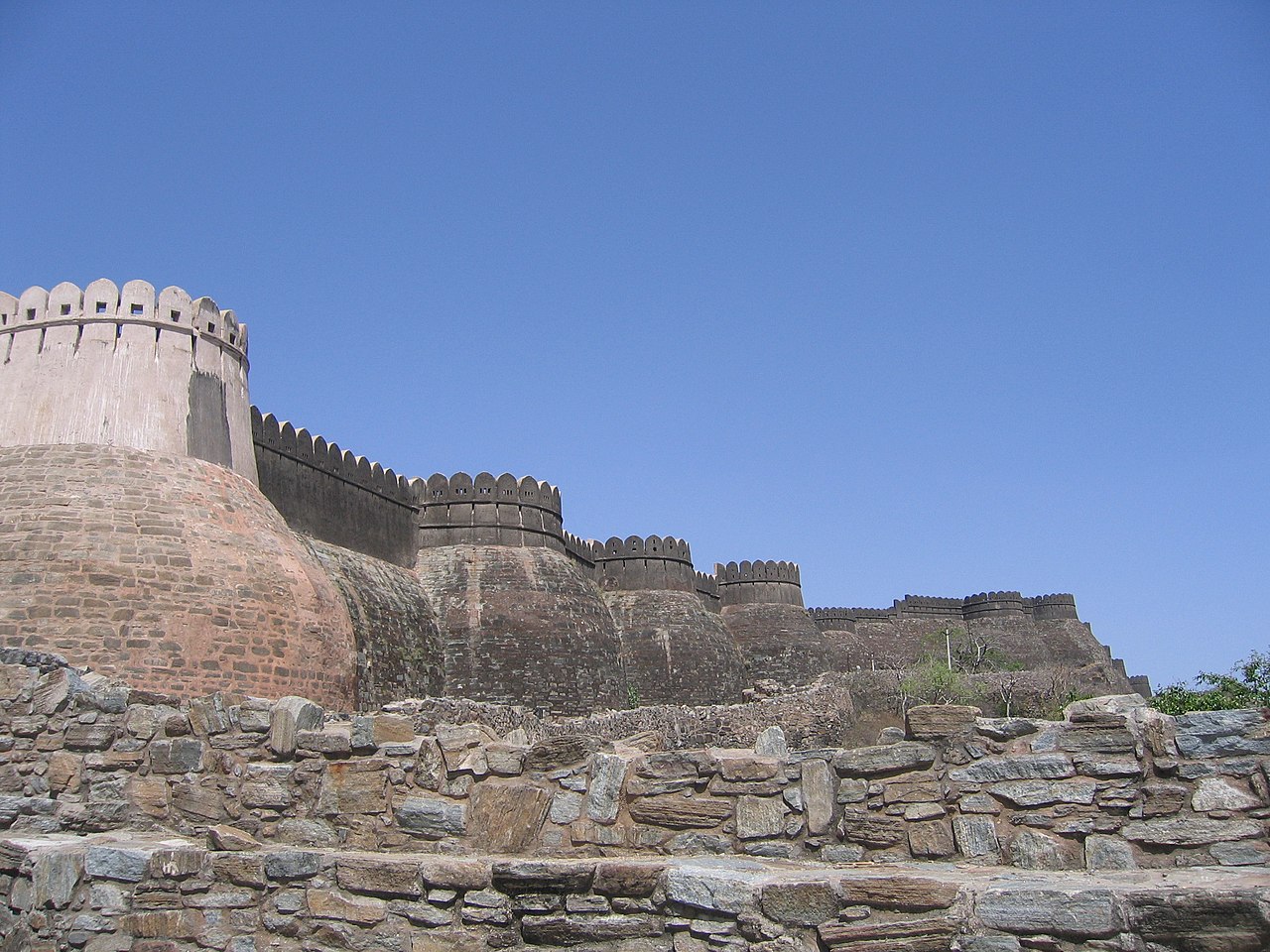
The fortress was originally constructed in the 15th century during the reign of Rana Kumbha (r. 1433–1468), a powerful ruler of the Sisodia Rajput dynasty. Rana Kumbha was a prolific builder and military strategist credited with designing and erecting numerous forts across his domain, with Kumbhalgarh being the largest and most complex among them. The fort's walls extend approximately 36 kilometers, making it the second longest continuous fortification wall in the world after the Great Wall of China. These walls, averaging about 5 meters thick, were engineered to withstand prolonged sieges and invasions, showcasing the advanced defensive architecture of the period.
Architectural features and fortifications
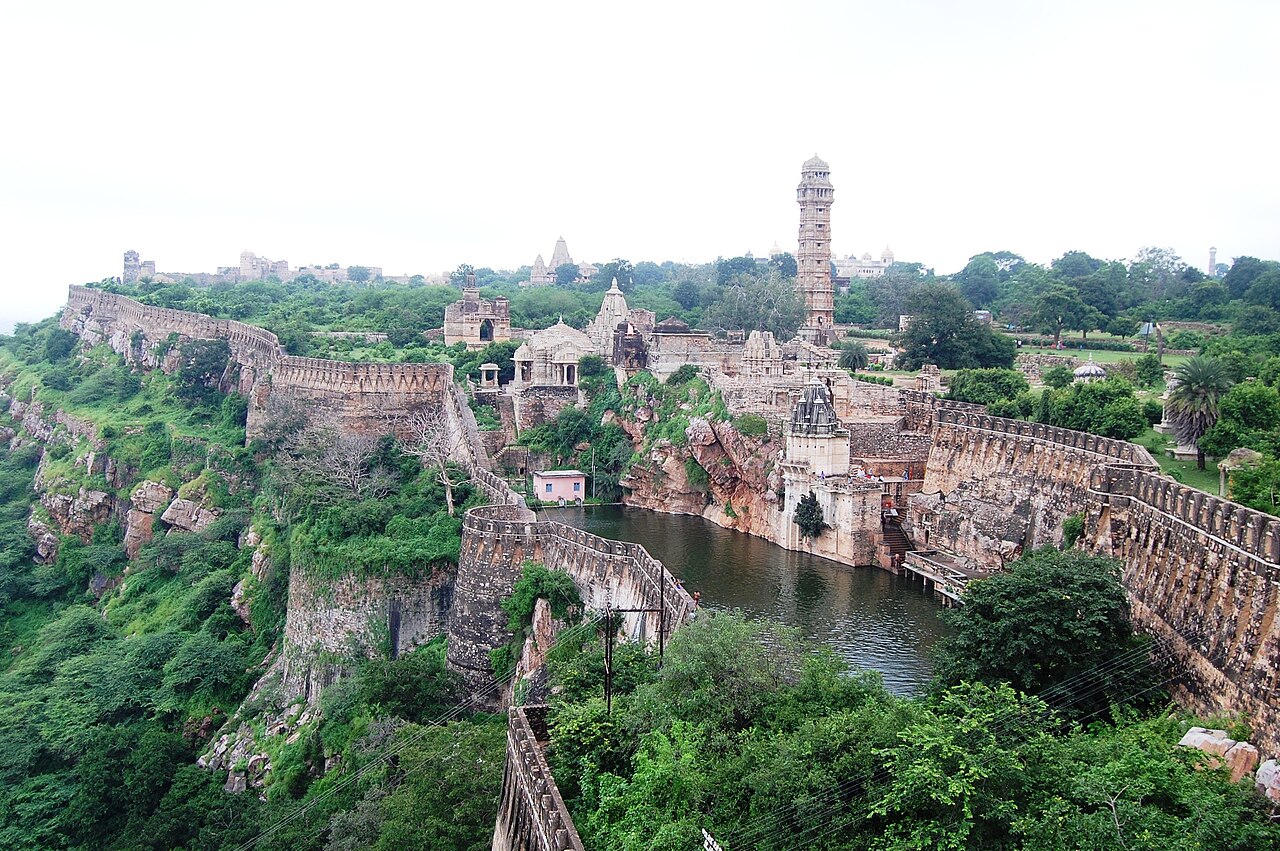
The fortification system of Kumbhalgarh is a masterpiece of medieval military architecture. The massive walls snake along the ridges of the Aravalli hills, enclosing an area that once housed a thriving community. The fortress includes seven fortified gates, each serving as a critical checkpoint and defensive barrier. The main gate, known as Hanuman Pol, holds special cultural and spiritual significance due to its association with the legendary human sacrifice that is said to have ensured the stability of the fort's construction.
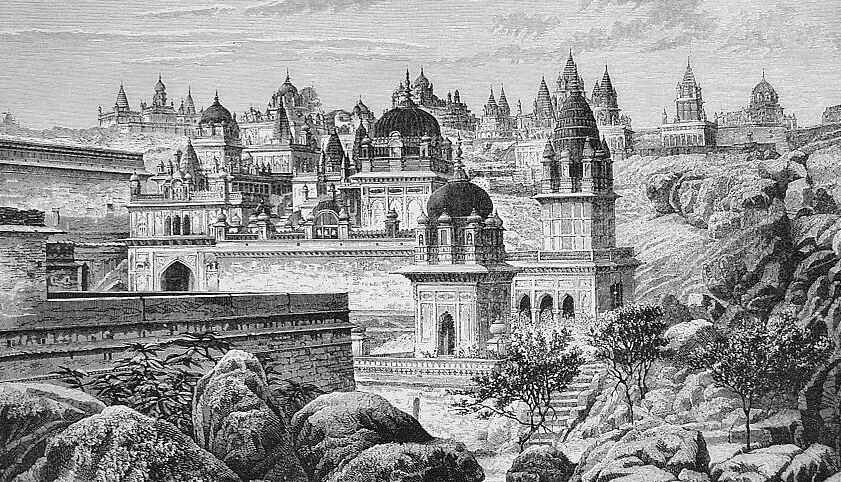
Within the walls, Kumbhalgarh contains over 360 temples, predominantly Jain temples numbering around 300, with the remainder being Hindu shrines. These temples reflect the religious diversity and architectural richness of the region, featuring intricate carvings, ornate pillars, and traditional Rajput styles. The presence of so many temples within a military fortress underscores the integration of spiritual life with martial culture in Mewar society.
The fort also includes numerous battlements, bastions, watchtowers, and residential quarters, demonstrating a self-sufficient complex designed to sustain long-term defense. Water reservoirs and step wells within the fort ensured a reliable water supply, a critical factor in its near impregnable status. The fort's strategic location and robust construction made it a key refuge during times of conflict.
Historical significance and notable events
Kumbhalgarh's history is deeply intertwined with the legacy of the Mewar kingdom and its rulers. It served as a sanctuary for the royal family during periods of invasion and political turmoil. Most famously, it was the birthplace of Maharana Pratap, one of the most revered warrior kings of Mewar, known for his resistance against Mughal expansion.
In 1535, during a siege of the nearby fort of Chittorgarh by Mughal forces, the young Prince Udai Singh II was secretly smuggled to Kumbhalgarh for safety. He later ascended the throne and founded the city of Udaipur, which became the new capital of Mewar. The fort's impregnable defenses made it a strategic fallback position for the Sisodia rulers.
Despite its strength, Kumbhalgarh fell only once in its history, due to a shortage of drinking water. This occurred during a combined siege by the forces of Mughal Emperor Akbar, Raja Man Singh of Amber, Raja Udai Singh of Mewar, and the Sultan of Gujarat. However, the fort's walls and defensive design successfully repelled numerous direct assaults, cementing its reputation as one of the most secure fortresses in India.
Legend of the human sacrifice
A famous legend surrounds the construction of Kumbhalgarh's walls. According to tradition, Rana Kumbha faced repeated failures in building the massive fortifications. A spiritual preceptor advised that a voluntary human sacrifice was necessary to appease the forces obstructing the construction. Eventually, a pilgrim (or in some versions a soldier or the preceptor himself) willingly sacrificed his life. A temple was erected at the site where his head fell, integrated into the Hanuman Pol gate, which stands today as a memorial to this sacrifice.
Cultural heritage and tourism
Today, Kumbhalgarh fortress is a major tourist attraction and a symbol of Rajasthan's rich cultural heritage. The fort is open to the public and features a spectacular nightly light and sound show that narrates its history and legends, attracting visitors from around the world. Its vast walls, intricate temples, and panoramic views of the Aravalli hills offer a unique glimpse into medieval Rajput life and architecture.
Visitors can explore the extensive fortifications, ancient temples, and the surrounding natural landscape. The fort's location approximately 82 kilometers northwest of Udaipur makes it accessible for day trips from this historic city. Kumbhalgarh's combination of military might, architectural grandeur, and spiritual significance makes it a must-visit site for those interested in India's medieval history and heritage.
Architectural style and period
The fortress exemplifies Rajput military architecture of the late medieval period, blending functional fortification techniques with religious and cultural elements. Its design reflects the strategic use of natural topography, robust stone masonry, and complex gate systems characteristic of hill forts in Rajasthan. The presence of numerous Jain and Hindu temples within the fort also highlights the religious pluralism and artistic achievements of the region during the 15th to 19th centuries.
Legacy of rana kumbha
Rana Kumbha's reign marked a golden era for Mewar's fortifications and cultural development. Beyond Kumbhalgarh, he is credited with constructing or renovating 32 forts, showcasing his vision for a fortified and culturally vibrant kingdom. His architectural legacy and military prowess remain celebrated aspects of Rajasthan's history.
Frequently asked questions (FAQ)
- What is the best time to visit Kumbhalgarh fortress?
- The best time to visit Kumbhalgarh fortress is during the cooler months from October to March, when the weather is pleasant for exploring the extensive fort and its surroundings.
- How do I reach Kumbhalgarh from Udaipur?
- Kumbhalgarh is located about 82 kilometers northwest of Udaipur. Visitors can reach the fort by road via car or bus, with a journey time of approximately 2 to 3 hours.
- Can visitors explore the temples inside Kumbhalgarh fortress?
- Yes, visitors can explore over 360 temples within the fort complex, including ancient Jain and Hindu temples, which showcase exquisite carvings and architectural styles.
- Is Kumbhalgarh fortress open to the public year-round?
- Yes, Kumbhalgarh fortress is open to visitors throughout the year, although it is advisable to check local conditions and timings before planning a visit.
- What makes Kumbhalgarh's walls unique?
- Kumbhalgarh's walls stretch approximately 36 kilometers, making them the second longest continuous fortification walls in the world, known for their thickness and strategic design.
Information
Loading map...
Visitor reviews
No reviews yet. Been here? Write the first review and help other travelers!
Write the first reviewVisited this castle? Share your experience
Your review helps other travelers and adds first-hand knowledge to our encyclopedia.