Jalore Fort
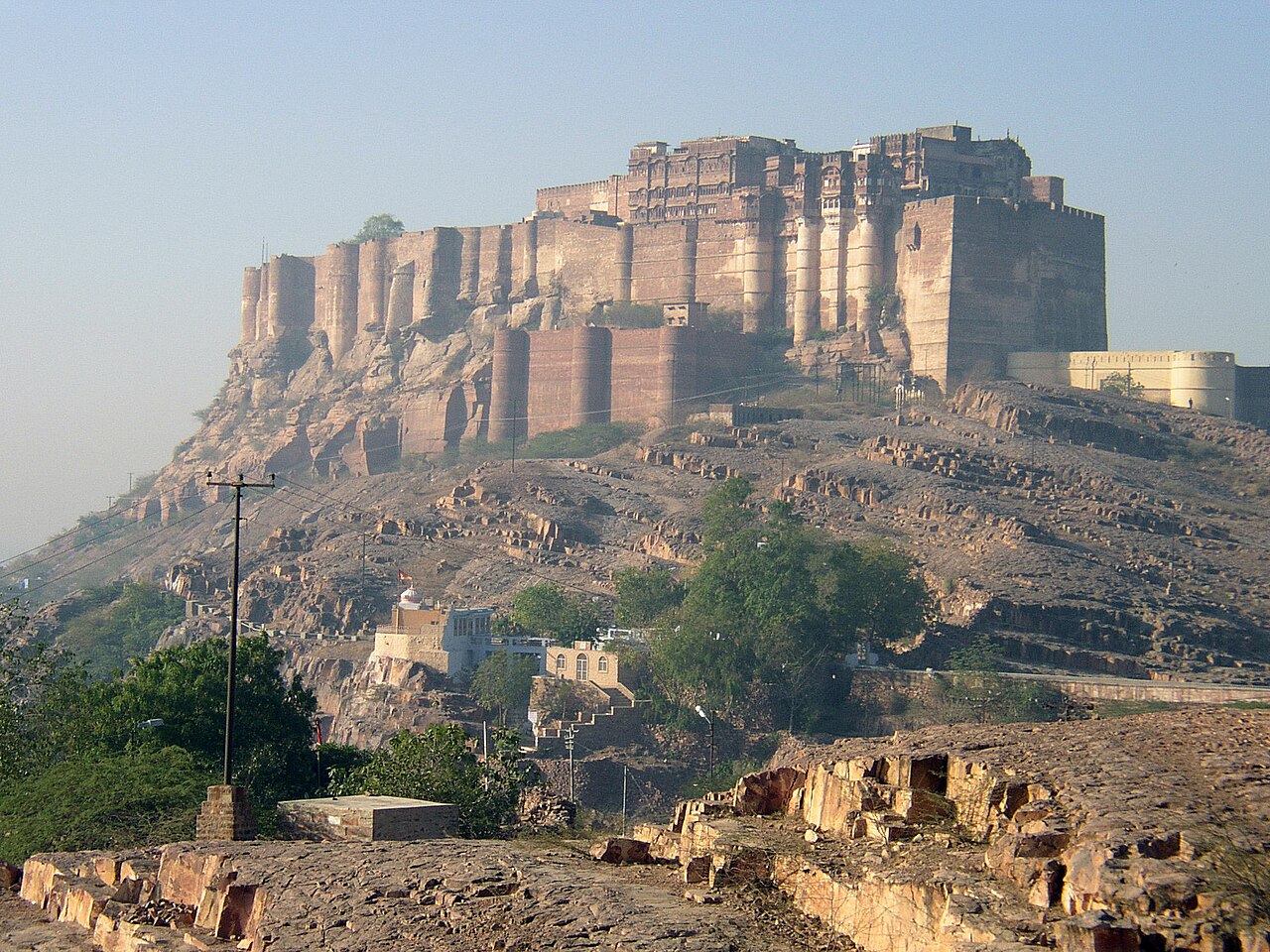
Jalore Fort, also known historically as Swarnagiri or the "golden mountain," is a prominent bastioned fortress located in the town of Jalore in the Indian state of Rajasthan. This fort stands as a significant monument in the region's history, renowned for its impressive architecture and strategic importance. It is one of the nine forts of the Maru and dates back to the 10th century, when it was under the control of the Paramara dynasty. The fort's elevated position on a hillock provides commanding views of the surrounding landscape, which was a critical defensive advantage in medieval warfare.
Historical significance and early origins
The origins of Jalore Fort trace to the early medieval period, with its initial construction attributed to the Paramaras in the 10th century. The fort later came under the control of the Songra Chauhans, a Rajput clan known for their valor and resistance against invading forces. The fort gained particular fame during the reign of the Songra Chauhans when they successfully resisted the armies of the Delhi Sultanate, especially the forces led by Alauddin Khalji in the early 14th century. This victory was seen as a pivotal moment in the fort's history, symbolizing Rajput resilience and military skill.
Architectural features and fortifications
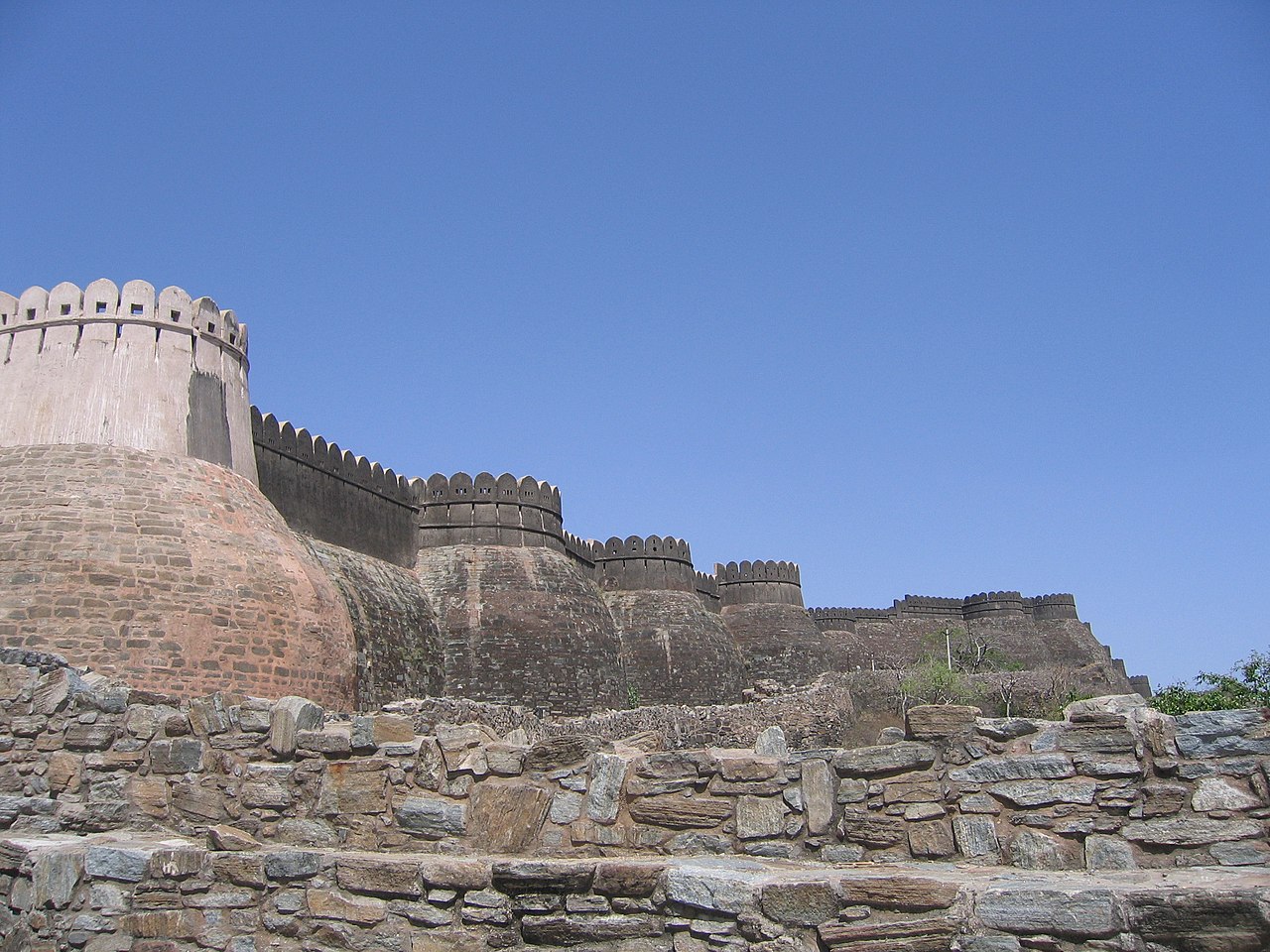
Jalore Fort exemplifies the characteristics of a bastioned fortress, featuring robust defensive walls reinforced with bastions at strategic points. These bastions allowed defenders to cover all approaches with overlapping fields of fire, a sophisticated military design for its time. The fort's walls are constructed from locally sourced stone, thick and high enough to withstand prolonged sieges. The entrance gates are fortified with heavy wooden doors and iron spikes to resist battering.
Inside the fort, there are remnants of various structures including palatial buildings, temples, and water reservoirs. The presence of temples dedicated to Kuldevi Maa Ashapura, also known as Modara Mata, highlights the fort's cultural and religious significance to the local population. The fort complex includes courtyards and chambers that served both residential and administrative functions.
Defensive design elements
The fort's location on a hillock, combined with its massive walls and bastions, made it a formidable defensive site. The design incorporates narrow pathways and steep approaches that hindered enemy advances. Additionally, the fort had strategically placed watchtowers that provided early warning of approaching threats. Moats or dry ditches may have been part of the original defensive system, typical of bastioned fortresses in the region.
Cultural and religious importance
Jalore Fort holds deep cultural and religious significance, especially due to the worship of Kuldevi Maa Ashapura, the clan goddess of the Chauhans. The goddess is credited with blessing the defenders during critical battles, including the famous victory over Alauddin Khalji's forces. The temple dedicated to Maa Ashapura within the fort is a pilgrimage site and continues to attract devotees.
Legacy and present condition
Today, Jalore Fort is recognized as one of Rajasthan's most impressive historical forts. While some parts of the fort have suffered from the effects of time and weathering, significant portions remain well-preserved, allowing visitors to appreciate its architectural grandeur and historical context. The fort is a protected monument and serves as a major tourist attraction in the region, drawing historians, architects, and travelers interested in Rajasthan's martial heritage and medieval architecture.
Efforts have been made to maintain and restore parts of the fort to ensure its structural integrity and to enhance visitor experience. The fort's blend of military architecture, religious significance, and scenic location continues to make it a compelling site for study and tourism.
Frequently asked questions (FAQ)
- When was Jalore Fort built and by whom?
- Jalore Fort was originally built in the 10th century by the Paramara dynasty and later controlled by the Songra Chauhans.
- What architectural style characterizes Jalore Fort?
- Jalore Fort is a bastioned fortress featuring thick stone walls, bastions, fortified gates, and defensive watchtowers typical of medieval military architecture in Rajasthan.
- What is the significance of Kuldevi Maa Ashapura at Jalore Fort?
- Kuldevi Maa Ashapura, also known as Modara Mata, is the clan goddess of the Chauhans and is believed to have blessed the defenders of Jalore Fort, especially during battles against Alauddin Khalji.
- Is Jalore Fort open to visitors and what can be seen there?
- Jalore Fort is open to visitors who can explore its bastioned walls, ancient temples, palatial ruins, and enjoy panoramic views from its hilltop location.
- How did Jalore Fort resist Alauddin Khalji's invasion?
- The fort's strong bastioned walls, strategic hilltop position, and the valor of the Songra Chauhans enabled it to withstand the siege by Alauddin Khalji's forces.
Photo gallery

Photo by The original uploader was Malaiya at English Wikipedia.•Public domain
Information
Loading map...
Visitor reviews
No reviews yet. Been here? Write the first review and help other travelers!
Write the first reviewVisited this castle? Share your experience
Your review helps other travelers and adds first-hand knowledge to our encyclopedia.