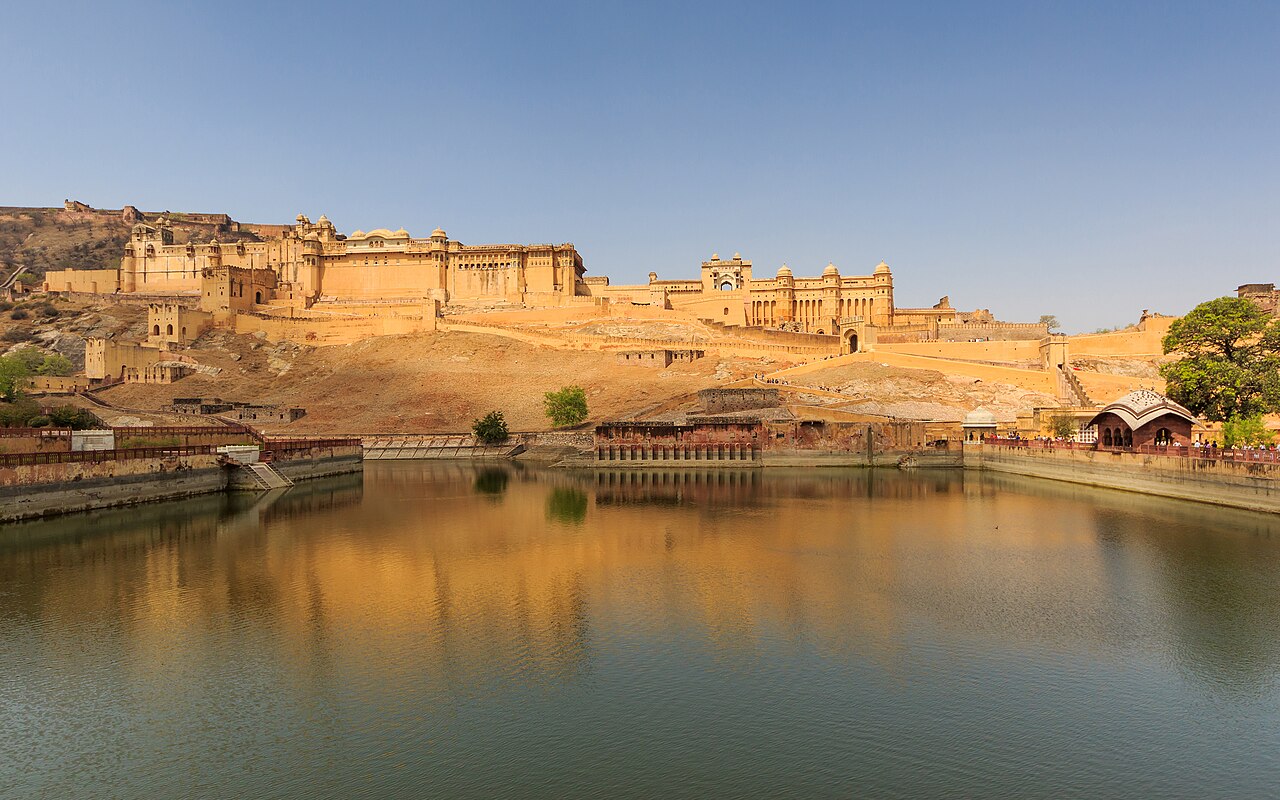
Chittorgarh Fort
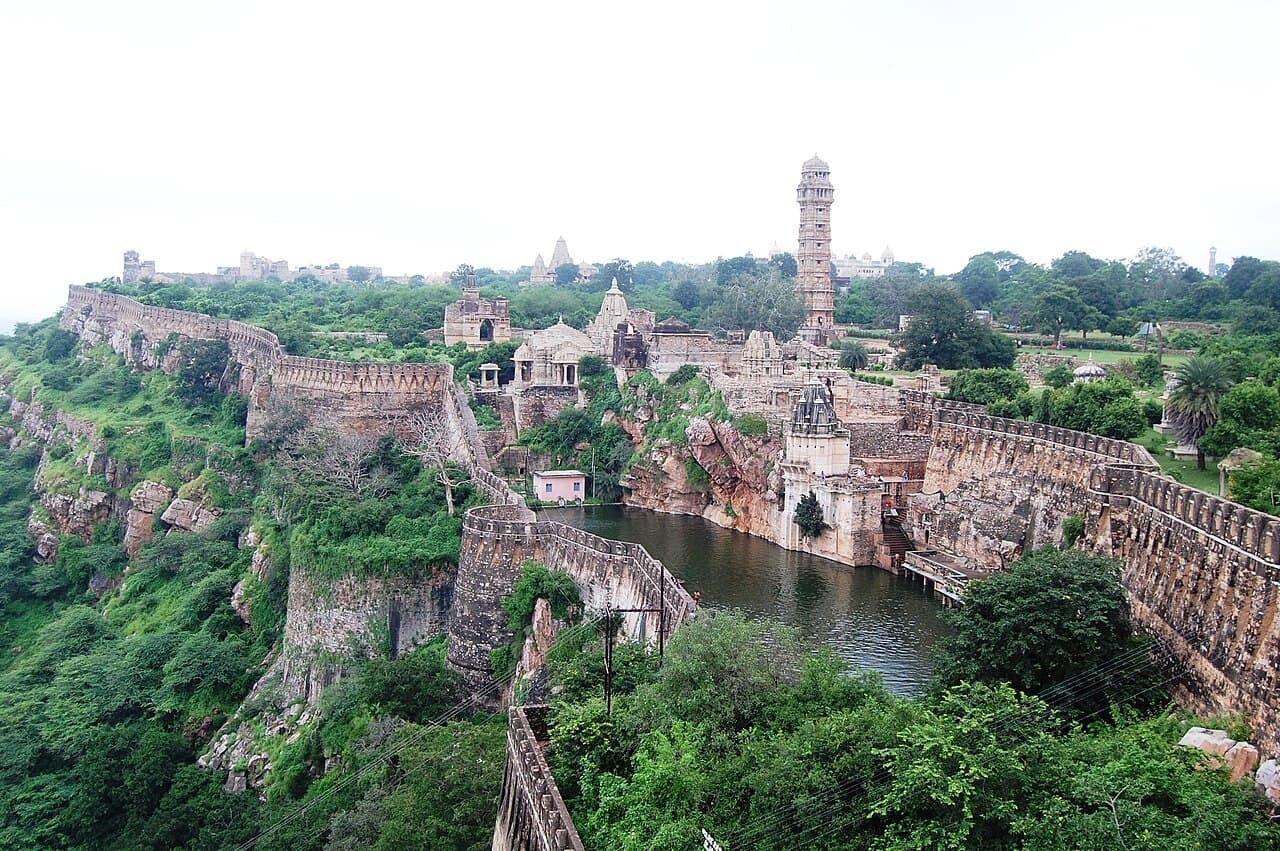
Chittorgarh Fort, also known as Chittod Fort, stands as one of the largest and most historically significant forts in India. Located in the present-day city of Chittorgarh in Rajasthan, this massive bastioned fortress sprawls across a hill rising 180 meters above the surrounding plains. Covering an extensive area of 280 hectares (691.9 acres), the fort overlooks the valley drained by the Berach River, providing a commanding strategic position that was crucial for defense and governance.
The fort served as the capital of the historic kingdom of Mewar, a major Rajput state known for its resistance against invasions. Chittorgarh Fort's history spans several centuries, with its origins traditionally dated to the 7th century, although much of the current fortifications and structures reflect developments from the medieval period, particularly between the 13th and 16th centuries. The fort is a remarkable example of Rajput military architecture with its massive bastioned walls, imposing gates, and numerous defensive features designed to withstand prolonged sieges.
Architectural features and layout
The fort complex encompasses over 65 historic structures, including four palaces, 19 large temples, 20 large water bodies, four memorials, and several victory towers or vijay stambhas. The palaces within the fort exhibit a blend of Rajput and Mughal architectural styles, featuring intricately carved balconies, expansive courtyards, and ornate windows. The temples, dedicated to various Hindu deities, are notable for their detailed stone carvings and sculptural work, reflecting the religious and cultural importance of the fort.
Water management was a critical aspect of the fort's design, given its hilltop location. The numerous large water bodies, including reservoirs and step wells, ensured a reliable water supply during sieges. These water features also contribute to the fort's aesthetic and functional landscape, demonstrating advanced engineering knowledge of the time.
Defensive structures and gates
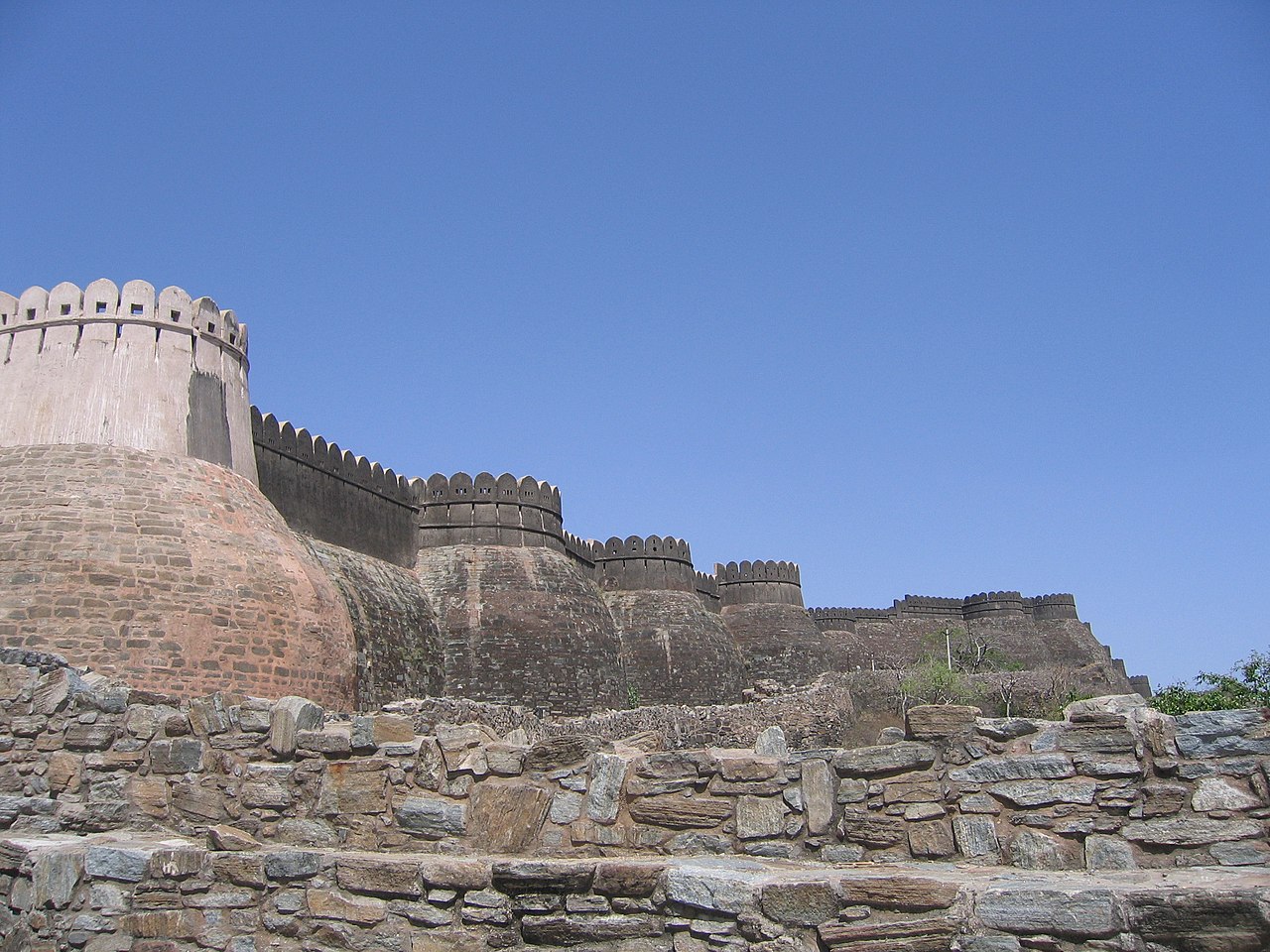
The fort is protected by massive bastioned walls that extend for several kilometers, making it one of the most formidable fortresses in India. The walls are punctuated by numerous bastions and towers that allowed defenders to monitor and repel attackers effectively. The fort has seven major gates, each with unique defensive mechanisms, including the famous Pole Gate and Lohapol (Iron Gate), designed to withstand battering and infiltration attempts.
Historical significance and events
Chittorgarh Fort has witnessed numerous historic events, including epic battles and sieges involving Rajput rulers and invading forces such as the Delhi Sultanate and the Mughal Empire. It was the site of three major sieges in the 14th, 15th, and 16th centuries, each marking significant moments in Rajput resistance. These sieges are remembered for acts of valor and sacrifice, including the practice of Jauhar, where women committed self-immolation to avoid capture.
The fort's rulers, including the legendary Maharana Pratap, are celebrated for their defiance against Mughal expansion. The fort's history is intertwined with tales of heroism, loyalty, and tragedy, making it a symbol of Rajput pride and resilience.
Cultural and heritage importance
In recognition of its outstanding universal value, Chittorgarh Fort was inscribed as a UNESCO World Heritage Site in 2013, as part of the group known as the Hill Forts of Rajasthan. This designation highlights the fort's architectural grandeur, historical depth, and cultural significance. It remains a major tourist attraction and a site of pilgrimage for those interested in Rajput history and Indian heritage.
Visitor experience and preservation
Today, Chittorgarh Fort is well-preserved, with ongoing conservation efforts to maintain its extensive structures. Visitors can explore the sprawling complex, including the palaces, temples, and battlements, while enjoying panoramic views of the surrounding landscape. The fort's large area and diverse monuments offer a rich experience for history enthusiasts and architecture lovers alike.
Accessibility to the fort is facilitated by the nearby city of Chittorgarh, which provides amenities and transport links. Guided tours and informational signage help visitors understand the fort's complex history and architectural features. The site hosts cultural events and festivals that celebrate Rajput heritage, further enriching the visitor experience.
Frequently asked questions (FAQ)
- How do I get to Chittorgarh Fort?
- Chittorgarh Fort is located in the city of Chittorgarh, Rajasthan. It is accessible by road and rail, with the nearest railway station being Chittorgarh Junction. Regular buses and taxis connect the fort to nearby cities.
- What is the best time to visit Chittorgarh Fort?
- The best time to visit Chittorgarh Fort is during the cooler months from October to March when the weather is pleasant for exploring the extensive fort complex.
- Are there guided tours available at the fort?
- Yes, guided tours are available at Chittorgarh Fort. Local guides provide detailed historical and architectural insights, enhancing the visitor experience.
- What are the main attractions inside Chittorgarh Fort?
- Key attractions include the palaces such as the Rana Kumbha Palace, the numerous temples like the Meera Temple, the massive bastioned walls, and the victory towers including the Vijay Stambha.
- Is Chittorgarh Fort wheelchair accessible?
- Due to the fort's hilltop location and uneven terrain, wheelchair access is limited. Visitors with mobility issues may find it challenging to explore all areas of the fort.
Photo gallery

Information
Opening hours
9:00-17:00, daily
Ticket prices
₹50 adult, ₹25 child
Current owner
Government of Rajasthan
Loading map...
Visitor reviews
No reviews yet. Been here? Write the first review and help other travelers!
Write the first reviewVisited this castle? Share your experience
Your review helps other travelers and adds first-hand knowledge to our encyclopedia.