Kuldiga
Kuldiga Castle, originally known as Jesusburg and later Gołdynga, stands as a significant medieval fortress in Kuldiga, Latvia. Constructed in the 13th century, it was first mentioned in historical records in 1242. The castle was built under the approval of the Livonian Order's master Dietrich von Grüningen to replace a burnt wooden fort of the Curonians. Strategically located in the heart of Courland, it guarded the vital route connecting Livonia to Prussia and served as a military base for campaigns against Samogitia and Lithuania.
Strategic location and natural defenses
The castle was erected on the left bank of the Venta River near a ford, where several important roads converged. This site offered natural protection: the high riverbank to the east, the small tributary Aleskupite to the north and west, and a defensive moat excavated to the south. These natural and man-made defenses made Kuldiga a formidable stronghold in the region.
Architectural design and features
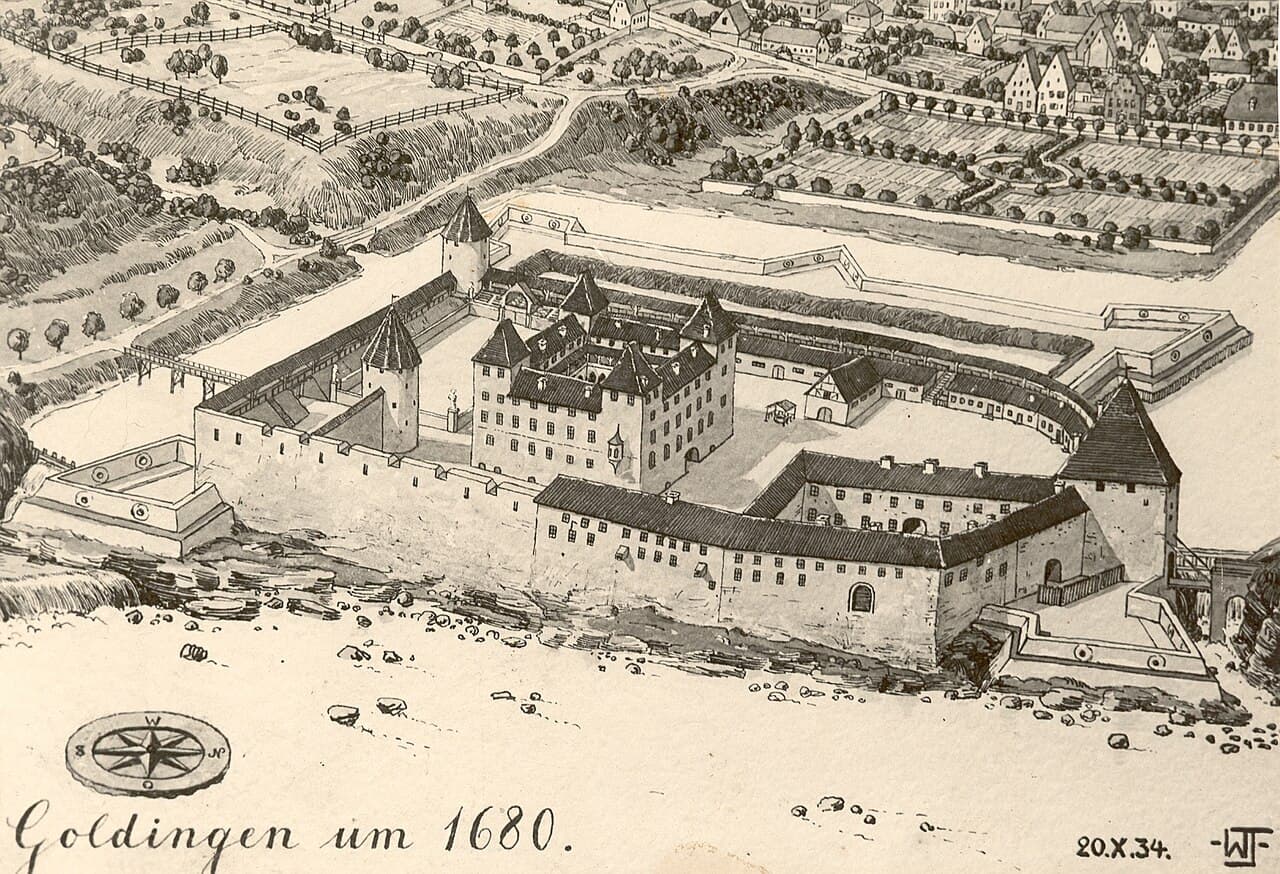
Kuldiga Castle was a classic example of a Teutonic Order convent castle, built on a square plan approximately 60 meters per side. The three-story structure enclosed a central courtyard with an arcaded cloister, characteristic of the Order's architecture. The corners likely featured square towers similar to those found in Prussian castles, enhancing the castle's defensive capabilities.
The northern wing housed the main convent hall (refectory) on the upper floor, adjacent to which was a chapel later transformed into a castle church with a distinctive star vault ceiling. The entrance to the castle was through a fortified outer bailey surrounded by its own defensive walls. In the northwestern corner of the bailey stood a gate tower with a drawbridge spanning a mill pond. The bailey also contained service buildings, soldiers' barracks, and a large well, essential for sustaining the garrison during sieges.
Historical significance and ducal residence
After the secularization of the Livonian branch of the Teutonic Order in 1561, Kuldiga Castle became one of the two residences of Gotthard Kettler, the first Duke of Courland and Semigallia. Following his death and the division of the duchy between his sons, the castle served as the seat of Duke Wilhelm. From 1596 to 1617, Kuldiga was the capital of the Duchy of Courland before the capital moved to Mitau (now Jelgava).
Fortifications and military history
In the 17th century, the castle's defenses were enhanced with earthen fortifications, including five bastions equipped with artillery. Despite these improvements, the castle was captured by Swedish forces in 1658, who plundered the castle and church, causing significant damage. Polish troops occupied the castle nine months later, further contributing to its deterioration.
Renaissance modifications and decline
After returning from captivity, Duke Jacob Kettler ordered repairs and reorganization of the castle. His son, Duke Frederick Casimir, transformed the castle into a residence, converting the former refectory into a ballroom adorned with paintings of the 44 ships commissioned by the duke, symbolizing the duchy's naval ambitions.
During the Great Northern War in 1701, Swedish troops reoccupied the castle. Their prolonged occupation led to the castle's ruin and abandonment. Over the 18th century, the castle fell into disrepair, with local residents dismantling the ruins for building materials. By the early 20th century, a city park was established on the former castle grounds.
Current state and archaeological remains
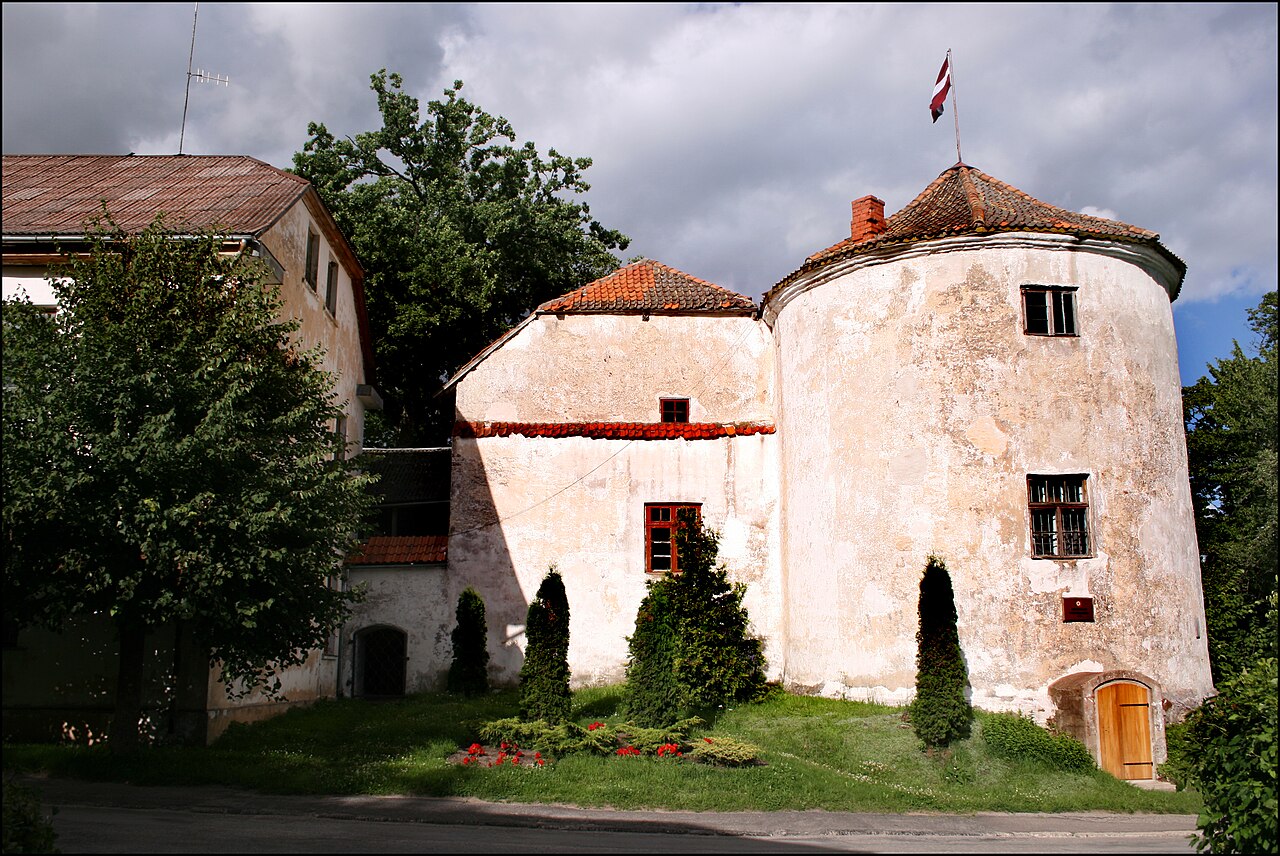
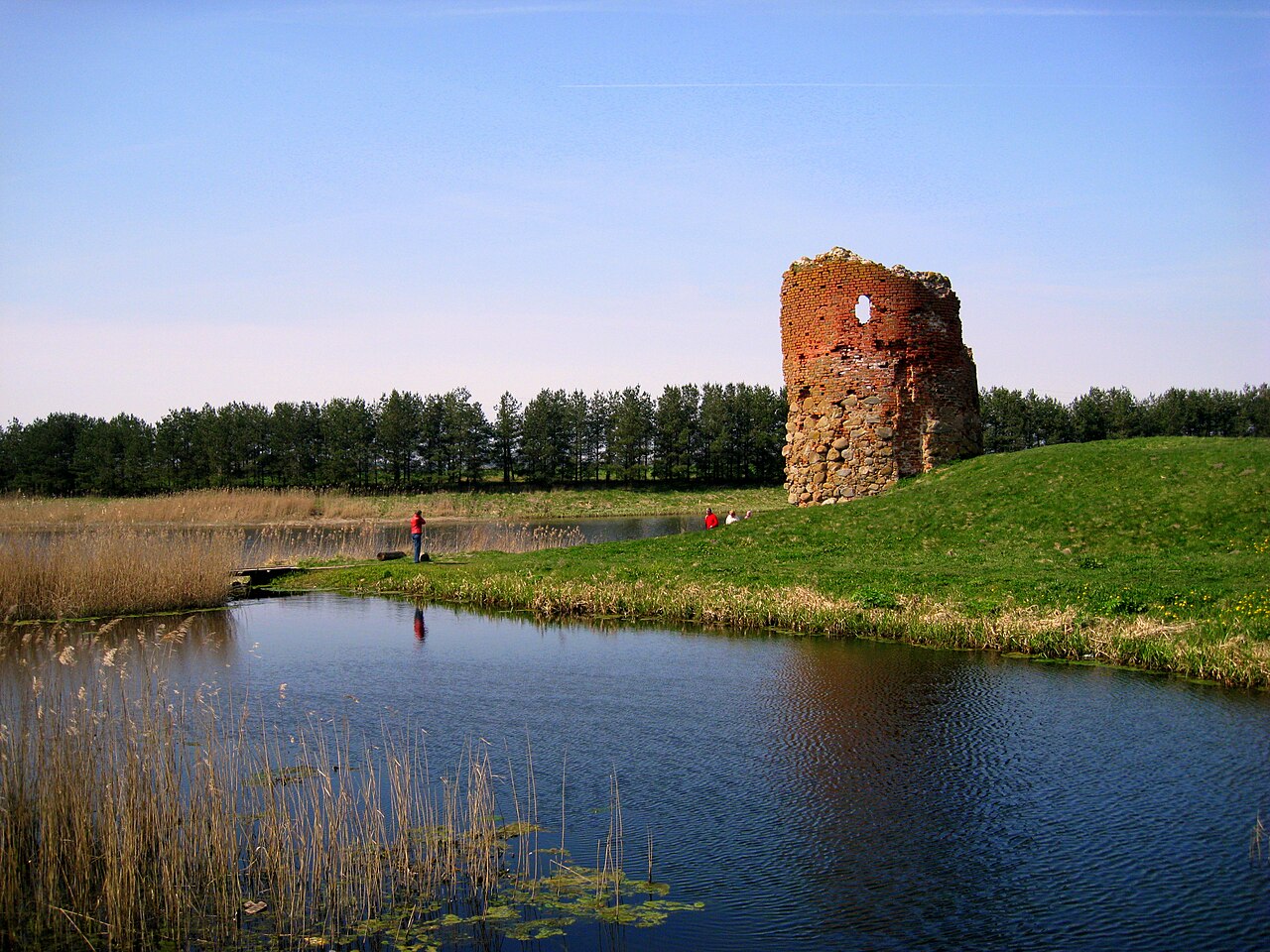
Today, only the foundations hidden underground and a fragment of the cellar with a cross vault ceiling survive from the original Teutonic castle. The site remains an important archaeological and historical landmark, reflecting the military, political, and cultural history of Courland and the Baltic region.
Cultural heritage and tourism
Kuldiga Castle's ruins and the surrounding park attract visitors interested in medieval architecture and Baltic history. The castle's story illustrates the transition from a military fortress to a ducal residence and its role in the turbulent history of the Baltic states. Visitors can explore the site to appreciate the castle's strategic placement and architectural legacy.
Frequently asked questions (FAQ)
- What is the historical significance of Kuldiga Castle?
- Kuldiga Castle, built in the 17th century, serves as a remarkable example of the architectural and cultural heritage of Latvia. It played a pivotal role in the area's history, reflecting the influence of various ruling powers over the centuries, and is a testament to the region's medieval past.
- When was Kuldiga Castle constructed?
- Kuldiga Castle was constructed between 1652 and 1660, during the time of the Duchy of Courland and Semigallia. Its establishment marked the beginning of a new architectural style in the region, combining elements of Renaissance and Baroque design.
- What are the opening hours for Kuldiga Castle?
- Kuldiga Castle is open for visitors from 10 AM to 6 PM during the summer months and from 10 AM to 4 PM in the winter months. It's advisable to check the official website for any seasonal changes or special holiday hours.
- Can I access Kuldiga Castle with mobility challenges?
- Yes, Kuldiga Castle is designed to be accessible for visitors with mobility challenges. There are ramps and pathways that facilitate easier access to different areas of the castle.
- Is there an admission fee to visit Kuldiga Castle?
- Yes, there is a nominal admission fee to enter Kuldiga Castle, which helps maintain the site and support its preservation. Ticket prices are usually around 5 euros for adults, with discounts for students and children.
- What is the best time to visit Kuldiga Castle?
- The best time to visit Kuldiga Castle is during the late spring and summer months, from May to September, when the weather is pleasant and various events and activities take place. This period also allows you to enjoy the beautiful surrounding gardens and landscapes.
- Are there any nearby attractions to Kuldiga Castle?
- Yes, nearby attractions include the picturesque Ventas Rumba waterfall, which is one of the widest in Europe, and the charming old town of Kuldiga, known for its well-preserved wooden architecture. These sites provide a wonderful opportunity to explore the rich cultural heritage of the area.
Photo gallery

Photo by Unknown authorUnknown author•Public domain
Information
Loading map...
Visitor reviews
No reviews yet. Been here? Write the first review and help other travelers!
Write the first reviewVisited this castle? Share your experience
Your review helps other travelers and adds first-hand knowledge to our encyclopedia.