Kuh-e Qaen Castle
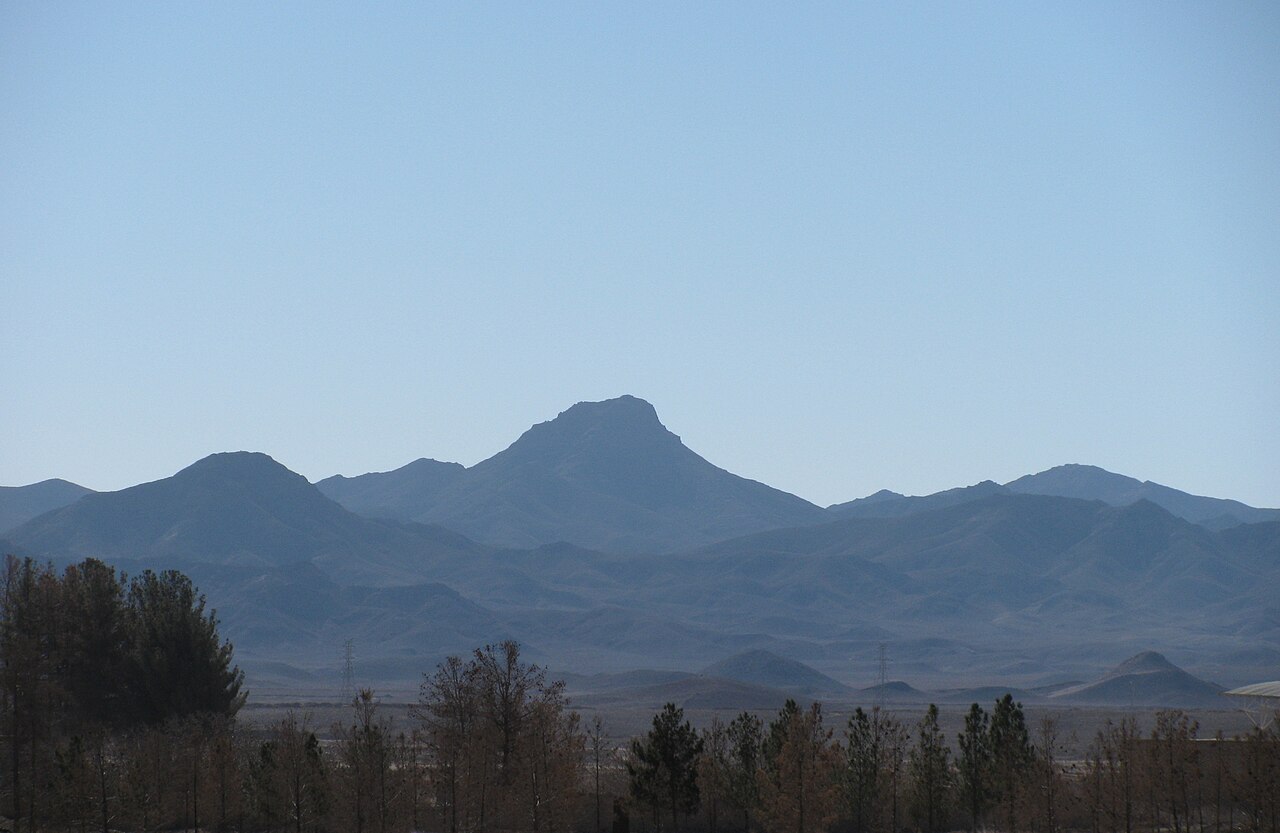
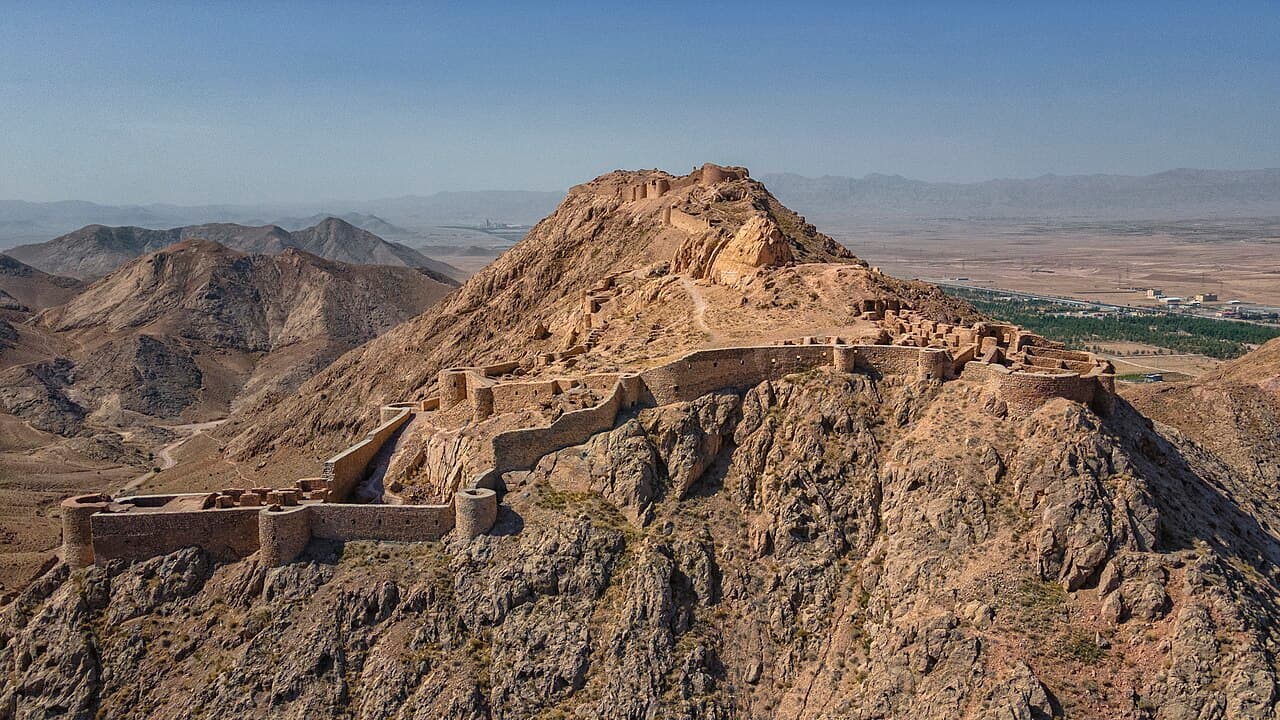
Kuh-e Qaen castle, also known as Ghal'eh-Kuh of Qa'en and Husayn Qa'ini Castle, is a significant historical fortress situated in Qaen County within South Khorasan Province, Iran. This hill castle is notable for its association with the Ismaili sect during the Alamut period, marking it as one of the most important strongholds in the region historically known as Quhistan.
Historical background and significance
The castle's origins trace back to the medieval Islamic era, specifically during the time when the Nizari Ismailis established a network of fortresses across Persia to protect their communities and assert control over strategic locations. Kuh-e Qaen castle was integral to their defensive system in eastern Iran, serving both military and administrative purposes. Its role was crucial in safeguarding the Ismaili presence in the region against rival factions and invasions.
This fortress reflects the broader geopolitical struggles of the 11th to 13th centuries, when the Ismailis faced continuous threats from the Seljuks, Mongols, and other regional powers. Kuh-e Qaen castle's endurance through these turbulent centuries highlights its strategic construction and the importance of Quhistan as a frontier zone.
Architectural features and construction
Perched atop a steep hill, Kuh-e Qaen castle exemplifies the typical hill castle design favored for defensive advantages. The elevated position provided extensive visibility over the surrounding landscape, allowing early detection of approaching enemies. The castle's walls and fortifications were constructed using local stone and mortar, adapted to the rugged terrain.
The fortress likely included multiple defensive layers, such as curtain walls, battlements, and towers positioned to cover vulnerable approaches. Within its enclosure, there would have been residential quarters, storage facilities, and possibly a water cistern to support prolonged sieges. The design reflects practical military architecture of the Ismaili fortresses, emphasizing durability and defensibility rather than ornamental features.
Strategic location
The castle's placement in Quhistan was strategic for controlling trade routes and local settlements. This region was a frontier zone between various competing powers, making Kuh-e Qaen a critical point for monitoring movements and securing the Ismaili territories.
Preservation and current condition
Today, Kuh-e Qaen castle remains a partially preserved ruin. The passage of centuries and natural erosion have affected much of the original structure. However, significant portions of the walls and foundations are still visible, offering valuable insights into medieval fortress construction in eastern Iran.
Archaeological interest in the site has grown due to its connection with the Ismaili heritage and the Alamut period's historical narrative. Preservation efforts focus on stabilizing the remaining structures to prevent further decay while allowing visitors to explore the site safely.
Visiting Kuh-e Qaen castle
While the castle is located in a relatively remote area, it attracts historians, archaeologists, and tourists interested in Islamic medieval history and architecture. Visitors should prepare for a hike to reach the hilltop fortress, as access involves navigating rugged terrain.
The site offers panoramic views of the surrounding landscape, enhancing the experience of exploring a fortress that once played a pivotal role in regional history. Due to its condition, visitors are advised to exercise caution while touring the ruins.
Frequently asked questions (FAQ)
- What is the historical significance of Kuh-e Qaen Castle?
- Kuh-e Qaen Castle, located in Qaen, Iran, is a remarkable example of Persian architecture that dates back to the medieval period. It served as a strategic military fortress, reflecting the historical importance of the region in protecting trade routes and influencing local governance.
- When was Kuh-e Qaen Castle built?
- The construction of Kuh-e Qaen Castle is believed to have taken place during the 11th century, showcasing the architectural styles of that era. Over the centuries, it has undergone various renovations, which highlight the evolving techniques and aesthetics of Persian fortifications.
- Can I visit Kuh-e Qaen Castle?
- Yes, visitors are welcome to explore Kuh-e Qaen Castle and its surrounding areas. It is advisable to check local guidelines and regulations prior to your visit to ensure a smooth experience.
- What are the opening hours for Kuh-e Qaen Castle?
- Kuh-e Qaen Castle is typically open to visitors from 9 AM to 5 PM, but it's recommended to confirm the hours before your visit as they may vary seasonally or due to special events. Planning your visit during the day allows you to fully appreciate the architecture and views.
- Is it possible to access Kuh-e Qaen Castle by public transportation?
- While public transportation options may be limited, there are local buses and taxis available that can take you to the vicinity of Kuh-e Qaen Castle. Many visitors also choose to drive or hire a taxi for convenience, especially if they wish to explore the surrounding attractions.
- What is the best time to visit Kuh-e Qaen Castle?
- The best time to visit Kuh-e Qaen Castle is during the spring (March to May) or autumn (September to November) when the weather is mild and pleasant. These seasons provide ideal conditions for exploration and photography of the castle and its stunning landscape.
- Are there any nearby attractions to Kuh-e Qaen Castle?
- Yes, there are several nearby attractions, including the beautiful Qaen village and the historical mosques in the area. Visitors can also explore the scenic landscapes of the surrounding mountains, making it a perfect destination for both history enthusiasts and nature lovers.
- What are the ticket prices for visiting Kuh-e Qaen Castle?
- Ticket prices for Kuh-e Qaen Castle are generally affordable, allowing visitors to enjoy a rich historical experience without breaking the bank. It’s best to check the current prices on-site or through local tourism websites before your visit to ensure you have the correct amount.
Photo gallery

Information
Loading map...
Visitor reviews
No reviews yet. Been here? Write the first review and help other travelers!
Write the first reviewVisited this castle? Share your experience
Your review helps other travelers and adds first-hand knowledge to our encyclopedia.