Bidesgan Castle
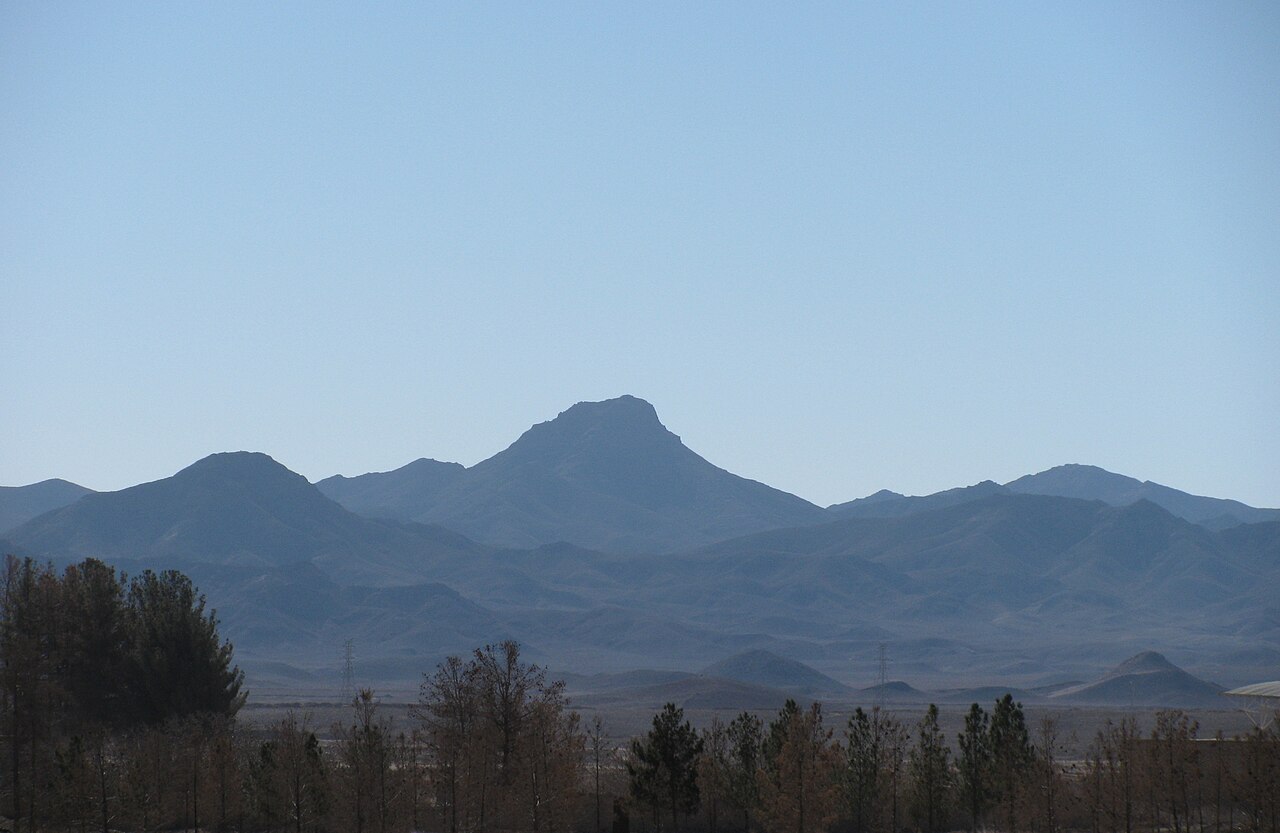
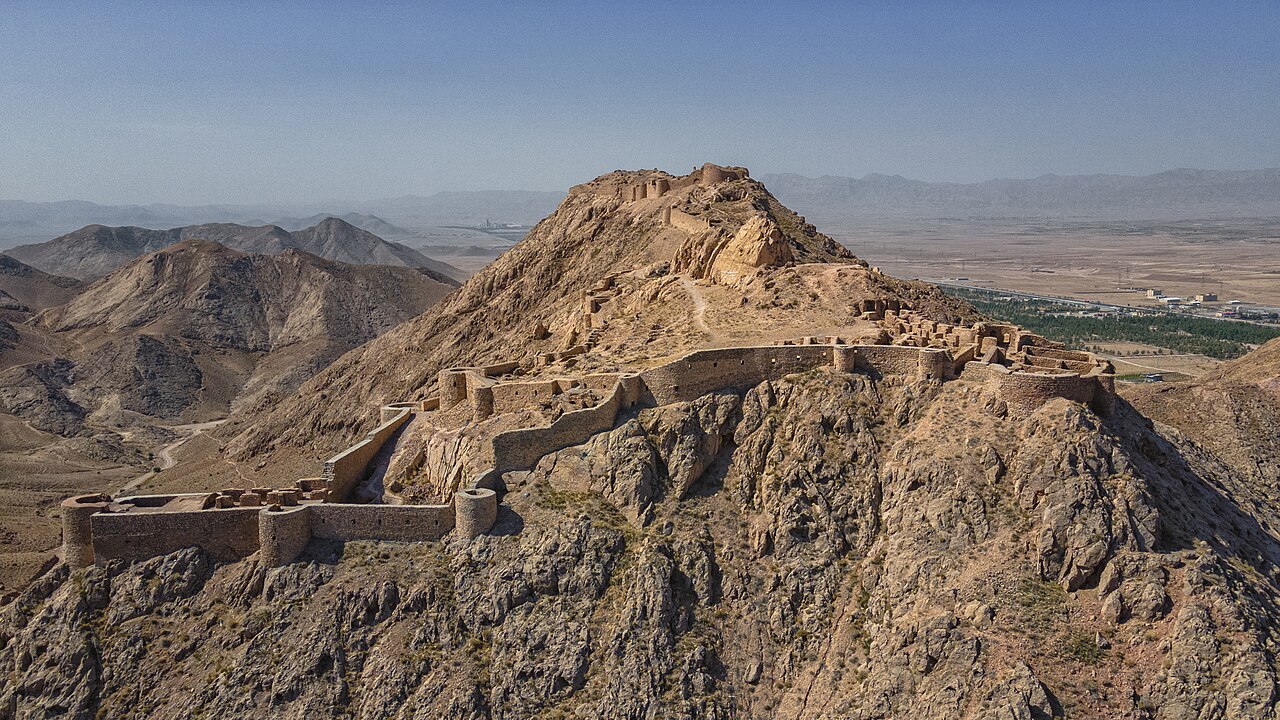
Bidesgan castle (قلعه بیدسکان) is a significant historical fortress situated in Ferdows County within the South Khorasan Province of Iran. This hill castle stands as a testament to the architectural and military traditions of the Qajar dynasty, which ruled Persia from the late 18th to the early 20th century. The castle's strategic location on elevated terrain allowed for effective defense and surveillance over the surrounding region, a common feature of hill castles designed to maximize natural fortifications.
Historical context and significance
Constructed during the Qajar period, Bidesgan castle reflects the military and administrative needs of the era. The Qajar dynasty faced numerous internal and external challenges, including tribal conflicts and foreign interventions, which necessitated robust defensive structures. Castles like Bidesgan were integral in maintaining local control and safeguarding trade routes in the eastern parts of Iran.
The fortress likely served as a local stronghold for regional governors or tribal leaders allied with the Qajar monarchy. Its endurance through time highlights its importance in regional defense and governance.
Architectural features and construction
Bidesgan castle exemplifies typical features of hill castles from the Qajar era, combining natural topography with man-made fortifications. The castle's walls are constructed from locally sourced materials, predominantly stone and brick, designed to withstand both siege and the harsh climatic conditions of the region.
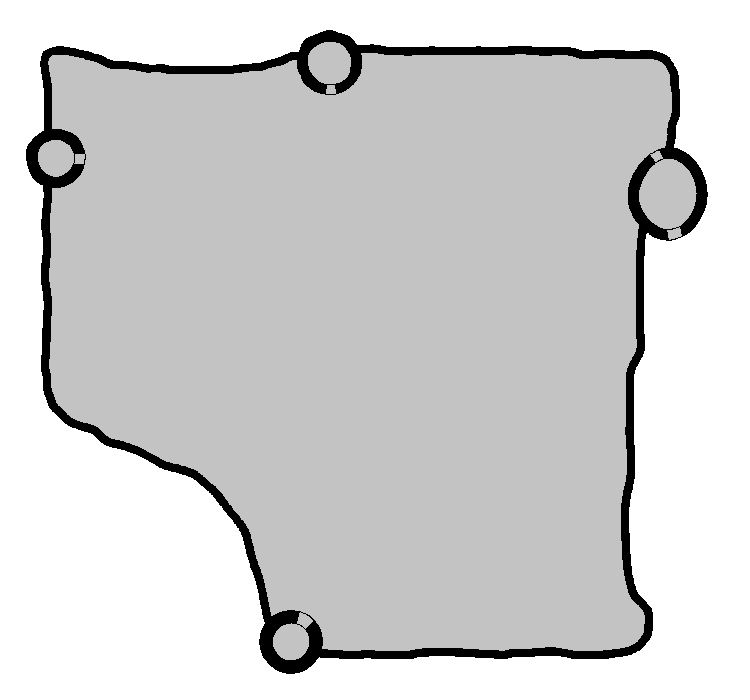
The fortress includes thick defensive walls with battlements and watchtowers positioned to provide panoramic views of the surrounding landscape. These towers enabled early detection of approaching enemies and facilitated communication signals. The castle's layout likely includes a central courtyard, surrounded by various chambers used for storage, living quarters, and administrative purposes.
Entrances to the castle are fortified with heavy gates and possibly a gatehouse, common in Persian fortifications to control access and provide additional layers of defense.
Defensive elements
The castle's elevated position on a hill enhances its natural defense, making direct assaults difficult. The walls may feature arrow slits or embrasures allowing defenders to repel attackers while remaining protected. The use of moats or ditches around the base, although not confirmed, is a common defensive feature in Persian hill castles and might have been present.
Cultural and regional importance
Located in South Khorasan Province, an area rich in history and cultural exchange, Bidesgan castle is part of the broader heritage of Persian fortifications. The region's position along historical trade routes, including branches of the Silk Road, underscores the castle's likely role in protecting commerce and local settlements.
Today, the castle is recognized as a valuable cultural monument, offering insights into the military architecture and regional history of the Qajar dynasty. It contributes to the understanding of Persian defensive strategies and the socio-political landscape of eastern Iran during the 18th and 19th centuries.
Current condition and preservation
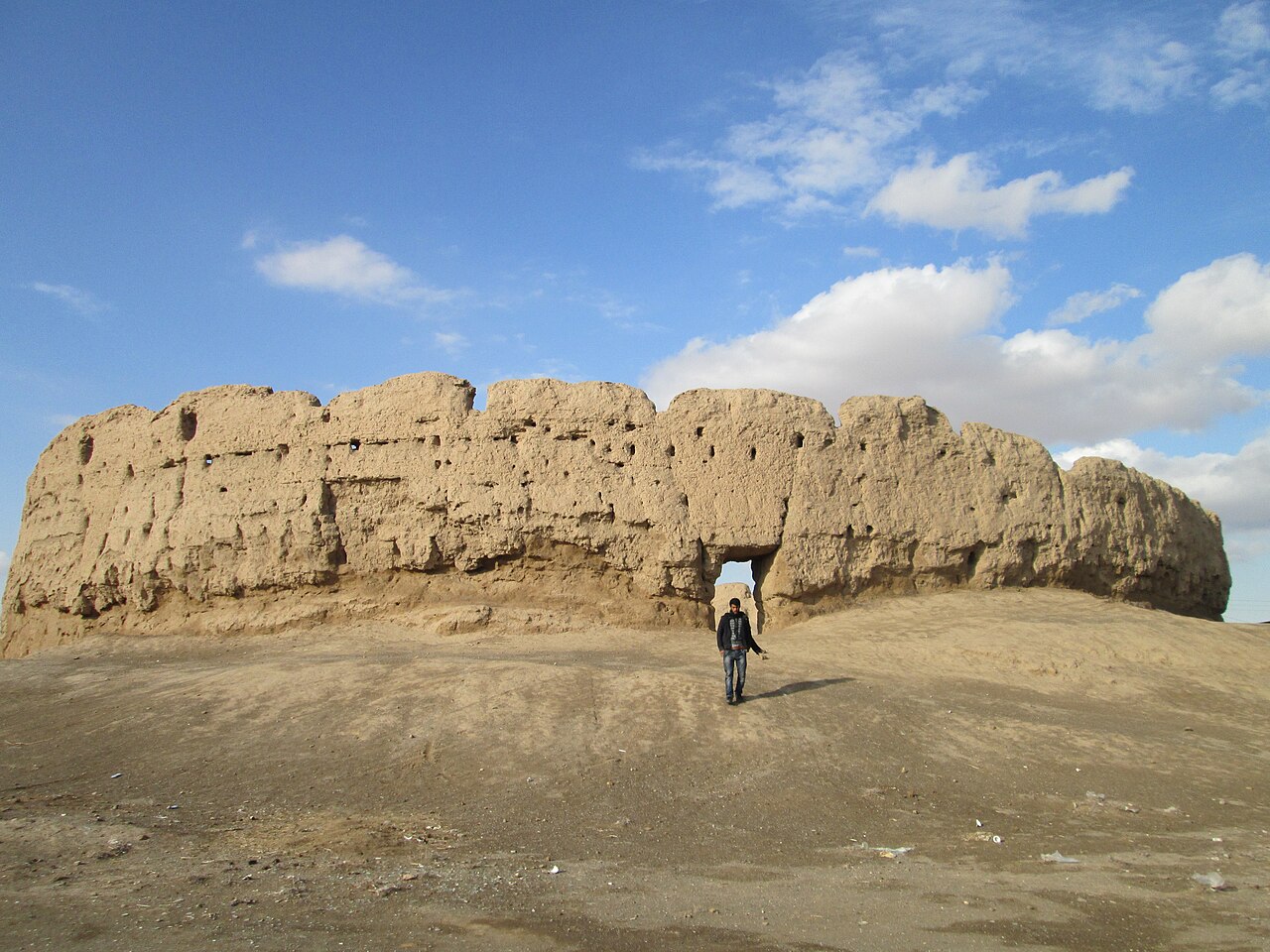
Bidesgan castle remains a prominent ruin, with portions of its walls and towers still standing, though it is not fully preserved. The structure's condition reflects centuries of exposure to natural elements and limited restoration efforts. Preservation initiatives are important to maintain the site's integrity and promote its historical significance.
Visitors to the site can observe the castle's layout and architectural details, providing a tangible connection to Iran's Qajar-era fortifications.
Visiting information and accessibility
The castle is accessible from Ferdows County and serves as a destination for those interested in Persian history and architecture. Due to its status as a historical ruin, visitors should prepare for uneven terrain and limited facilities. Exploring the castle offers a unique opportunity to engage with Iran's rich cultural heritage in a scenic hilltop setting.
While specific visiting hours and ticketing information are not widely published, local tourism offices in South Khorasan Province can provide guidance for planning visits.
Frequently asked questions (FAQ)
- How do I get to Bidesgan Castle?
- Bidesgan Castle is located in Ferdows County, Iran, and can be reached by car or public transportation from nearby cities. The nearest major city is Mashhad, which is approximately 200 kilometers away. Local taxis or guided tours are also available for a more convenient visit.
- What is the historical significance of Bidesgan Castle?
- Bidesgan Castle is a remarkable example of medieval Persian architecture and has great historical significance as a military fortification. It dates back to the Sassanian era and showcases the strategic importance of the region during ancient times. The castle has witnessed numerous battles and serves as a testament to the rich history of Ferdows County.
- When was Bidesgan Castle built?
- Bidesgan Castle was constructed during the Sassanian period, which spanned from 224 to 651 AD. Its architecture reflects the design principles of that era, emphasizing strength and aesthetics. Over the centuries, the castle has undergone various renovations, preserving its historical essence.
- Can I enter Bidesgan Castle?
- Yes, visitors can enter Bidesgan Castle and explore its impressive structure and surroundings. There are designated pathways and viewing areas to ensure a safe and enjoyable experience. However, it's advisable to check for any specific visitor regulations or restrictions before your visit.
- Why is Bidesgan Castle popular among tourists?
- Bidesgan Castle attracts tourists due to its stunning historical architecture and picturesque location. The castle offers breathtaking views of the surrounding landscape, making it a perfect spot for photography and sightseeing. Its rich history and cultural significance also contribute to its popularity as a tourist destination.
- Is it possible to visit Bidesgan Castle year-round?
- Yes, Bidesgan Castle is open to visitors year-round, but the best time to visit is during the spring and autumn months when the weather is mild and pleasant. Summer can be quite hot, while winter may bring cooler temperatures. It's advisable to check local weather conditions before planning your visit.
- What are the opening hours for Bidesgan Castle?
- Bidesgan Castle typically opens at 9 AM and closes at 6 PM, but these hours may vary depending on the season and local holidays. It is recommended to verify the current opening hours before you go. Guided tours are also available during these hours for a more informative experience.
- Are there any nearby attractions to Bidesgan Castle?
- Yes, there are several attractions near Bidesgan Castle, including ancient ruins and beautiful natural landscapes. Visitors can explore nearby historical sites and enjoy hiking in the scenic areas surrounding the castle. Local cultural experiences, such as traditional Persian cuisine, can also enhance your visit.
- What are the ticket prices for visiting Bidesgan Castle?
- The ticket prices for Bidesgan Castle are quite affordable, with discounts available for students and children. Current prices can be checked at the ticket booth upon arrival. It’s advisable to carry cash, as card payments may not be accepted at all locations.
Photo gallery

Information
Loading map...
Visitor reviews
No reviews yet. Been here? Write the first review and help other travelers!
Write the first reviewVisited this castle? Share your experience
Your review helps other travelers and adds first-hand knowledge to our encyclopedia.