Kuh-e-Ghal'eh, Ferdows
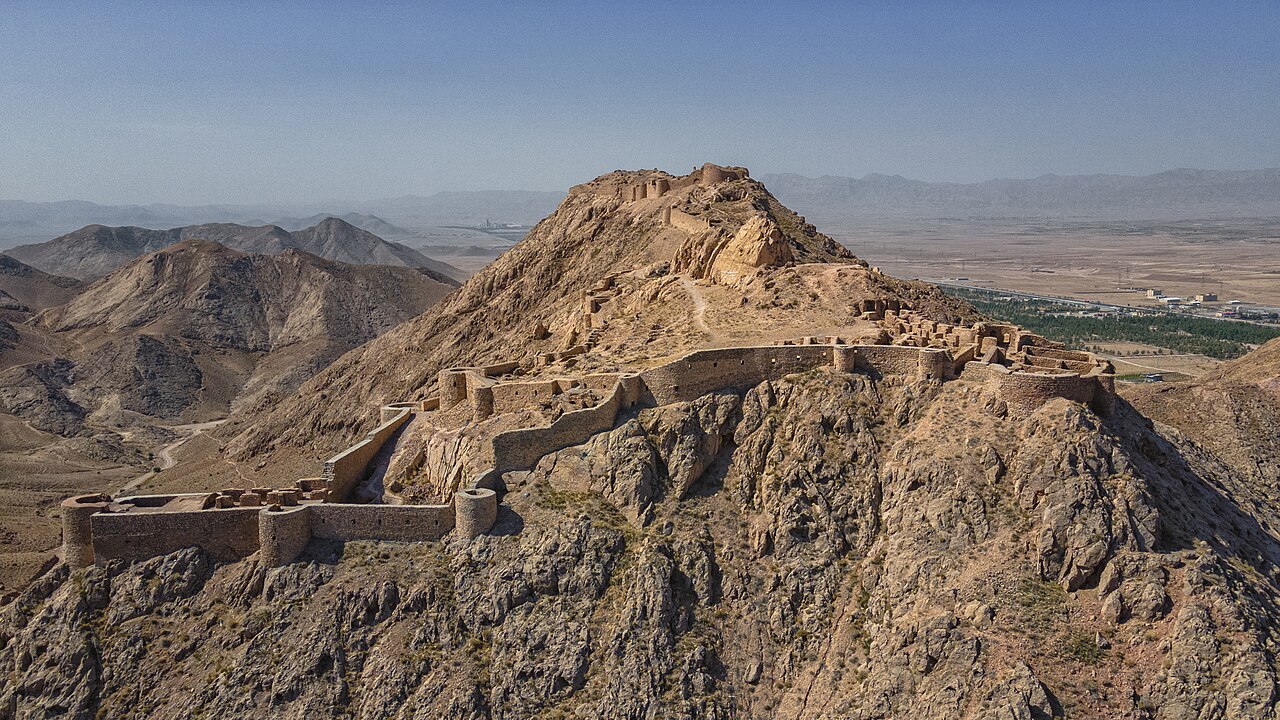
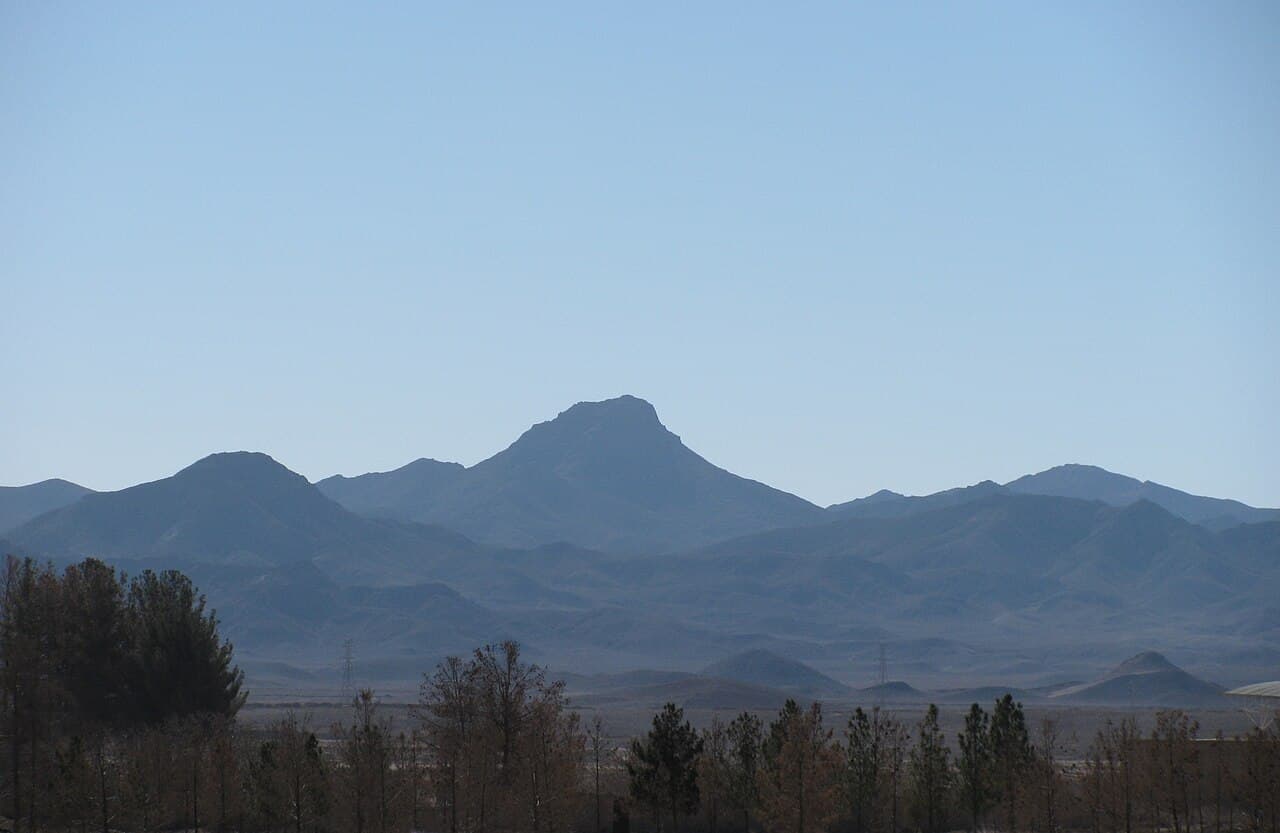
Kuh-e-Ghal'eh of Ferdows is a significant ruined fortress perched atop the mountain known as Kuh-e Ghal'eh south of Ferdows (historically Tun) in South Khorasan Province, Iran. This fortress served as the largest Nizari Ismaili stronghold in the Quhistan region during the Alamut period, a time when the Nizari Ismailis established a network of mountain fortresses across Persia. The fortress's prominence is documented in the Tarikh-i Jahangushay, a historical chronicle that highlights its strategic and military importance.
Historical significance and Nizari Ismaili control
The fortress was a key bastion for the Nizari Ismailis, a sect known for their fortified mountain castles that served as centers of resistance and administration. Kuh-e-Ghal'eh's location provided natural defenses and a commanding view of the surrounding landscape, making it a formidable stronghold against invading forces. Its control was crucial for the Nizaris in maintaining their autonomy in the region during the 12th and 13th centuries.
The Alamut period and Quhistan region
During the Alamut period, the Nizari Ismailis expanded their influence beyond the Alamut Castle in northern Iran to other regions, including Quhistan in the east. Kuh-e-Ghal'eh was the largest fortress in Quhistan, serving as a regional center for military operations and governance. The fortress's strategic position allowed it to oversee important trade routes and local settlements, reinforcing the Nizaris' control.
Architectural features and subterranean connections
Although now in ruins, Kuh-e-Ghal'eh once featured typical elements of Nizari fortifications, including thick defensive walls, towers, and secure gates adapted to the mountainous terrain. Excavations and studies have revealed that the fortress was connected by secret subterranean passages to nearby fortresses such as Ghal'eh Kuh of Hasanabad (also known as Ghal'eh Dokhtar) and to the city of Tun itself. These underground tunnels provided safe and concealed routes for communication, movement of troops, and escape during sieges.
Discovery of subterranean passages
The existence of these secret tunnels came to light following the 1968 Dasht-e Bayaz and Ferdows earthquakes, which disturbed the ground and exposed previously hidden entrances. These passages exemplify the sophisticated defensive planning of the Nizari Ismailis, emphasizing their emphasis on secrecy and protection.
Destruction by the Mongols
Kuh-e-Ghal'eh's prominence came to an abrupt end in May 1256 when the fortress was captured and destroyed by the invading Mongol forces led by commanders Kitbuqa and Köke Ilgei. The Mongol invasion, which swept through Persia during the mid-13th century, targeted Nizari strongholds to dismantle their power. The fortress was burned and left in ruins, marking the decline of Nizari influence in the region.
Impact of the Mongol conquest
The fall of Kuh-e-Ghal'eh was part of a broader campaign by the Mongols to subdue the region and eliminate fortified centers of resistance. The destruction significantly weakened the Nizari Ismaili presence in Quhistan and contributed to the eventual dissolution of their territorial holdings in Persia.
Current condition and archaeological importance
Today, Kuh-e-Ghal'eh stands as an archaeological ruin reflecting its turbulent history and the architectural ingenuity of the Nizari Ismailis. The site offers valuable insights into medieval fortress construction, defensive strategies, and the socio-political landscape of 12th and 13th century Persia. Archaeological studies continue to uncover details about the fortress's layout, construction techniques, and its role within the network of Nizari castles.
The ruins attract historians, archaeologists, and visitors interested in the legacy of the Nizari Ismailis and the Mongol invasions. Preservation efforts focus on safeguarding the remaining structures and subterranean passages to facilitate study and public education.
Frequently asked questions (FAQ)
- What is the historical significance of Kuh-e-Ghal'eh?
- Kuh-e-Ghal'eh, also known as the Castle of Ferdows, is a significant historical site in Iran, showcasing the architectural styles of the region during the medieval period. It served as a strategic fortress and a residence for local rulers, reflecting the rich history and culture of the area.
- When was Kuh-e-Ghal'eh built?
- The construction of Kuh-e-Ghal'eh dates back to the Sassanian era, around the 3rd to 7th centuries AD. This ancient fortress has withstood the test of time and continues to be a testament to the engineering skills of its builders.
- Can I visit Kuh-e-Ghal'eh?
- Yes, Kuh-e-Ghal'eh is open to visitors who wish to explore its historical grounds. Make sure to check local guidelines as opening hours may vary, and guided tours can enhance your experience.
- What are the opening hours for Kuh-e-Ghal'eh?
- Kuh-e-Ghal'eh typically opens to visitors from 9 AM to 5 PM daily. However, it's advisable to confirm the current hours before your visit, as they may change due to local holidays or special events.
- Is it possible to access Kuh-e-Ghal'eh by public transportation?
- Yes, there are public transportation options available to reach Kuh-e-Ghal'eh from Ferdows city center. Local buses and taxis can take you to the site, making it accessible for visitors without personal vehicles.
- What is the best time to visit Kuh-e-Ghal'eh?
- The best time to visit Kuh-e-Ghal'eh is during the spring (March to May) and autumn (September to November) when the weather is mild and pleasant. Visiting during these seasons allows for a more enjoyable experience as you explore the castle's ruins.
- Are there any nearby attractions to Kuh-e-Ghal'eh?
- Yes, there are several nearby attractions, including the historical city of Ferdows itself, which offers additional cultural sites and museums. Exploring the surrounding natural landscapes can also enhance your visit to the castle.
- What are the ticket prices for Kuh-e-Ghal'eh?
- Ticket prices for Kuh-e-Ghal'eh are generally affordable, allowing many visitors to enjoy the site. It is recommended to check the latest pricing and any available discounts for students or groups before your visit.
- What unique architectural features can I see at Kuh-e-Ghal'eh?
- Kuh-e-Ghal'eh showcases unique architectural features including its robust stone walls and strategic placement on a hill, providing both defense and a stunning view of the surrounding landscape. The intricate designs and remnants of ancient structures reflect the artistic capabilities of the period.
Photo gallery

Information
Loading map...
Visitor reviews
No reviews yet. Been here? Write the first review and help other travelers!
Write the first reviewVisited this castle? Share your experience
Your review helps other travelers and adds first-hand knowledge to our encyclopedia.