Kuelap
Kuélap is a remarkable ancient fortress located in the highlands of the Amazonas region of northern Peru. Constructed by the Chachapoyas culture around the 6th century AD, this walled settlement sits atop a mountain ridge overlooking the Utcubamba Valley. The fortress is one of the most significant archaeological sites in Peru, notable for its massive stone walls and complex architectural design.
Architectural features and layout
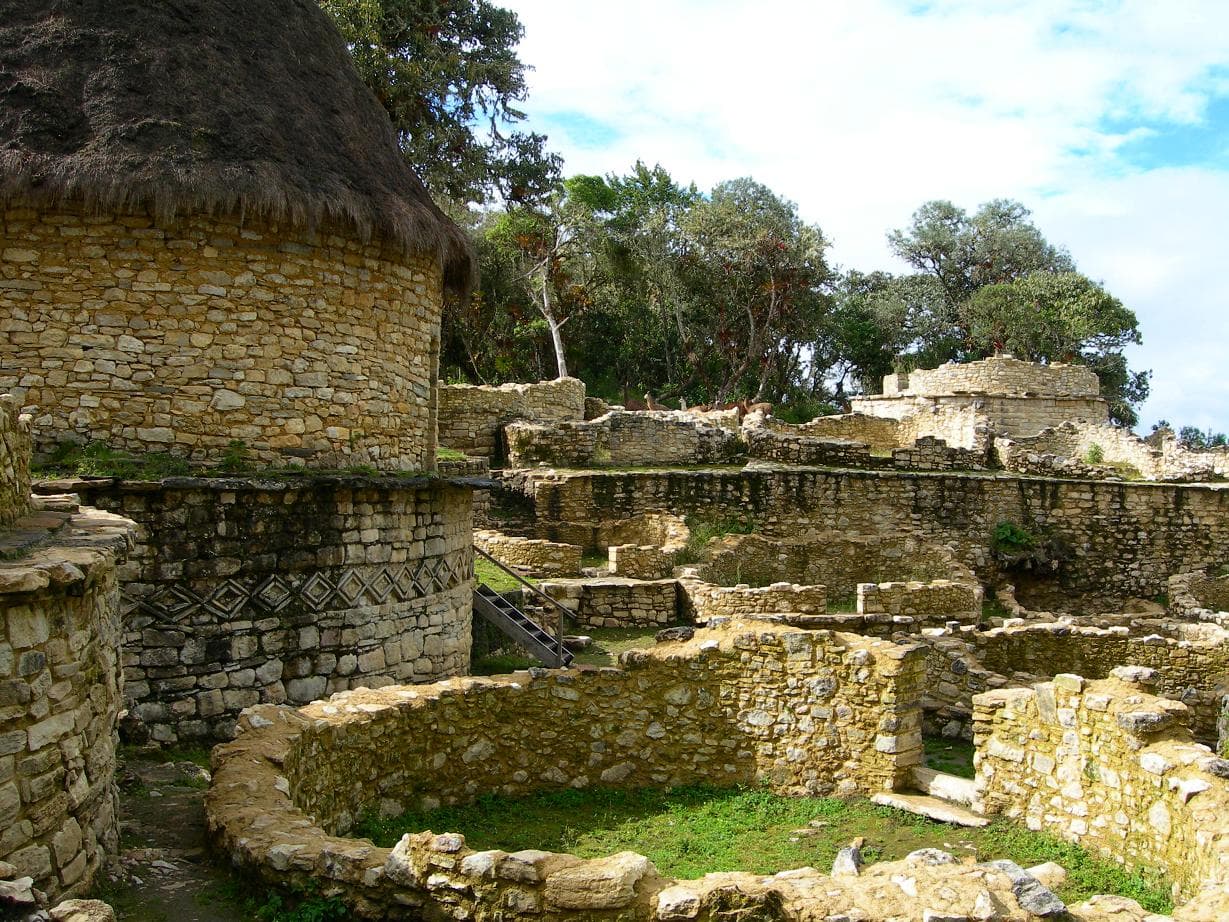
The fortress is characterized by its imposing massive stone walls which can reach up to 20 meters in height in some sections, enclosing an area of approximately 6 hectares. The walls are built using large limestone blocks carefully fitted together without mortar, a technique that has helped preserve the structure over centuries. The site contains over 400 circular and rectangular buildings arranged within the walls, which served as dwellings, storage, and ceremonial spaces.
Kuélap’s layout is unique among Andean fortresses. It features multiple entrance gates, some of which are narrow and designed for defensive purposes, allowing control over access. The fortress also includes a series of terraces and platforms that follow the natural contours of the ridge, maximizing defensive advantages and making use of the steep terrain.
Historical context and cultural significance
The Chachapoyas people, often called the "Warriors of the Clouds," inhabited this region before the rise of the Inca Empire. Kuélap was a central settlement and likely served as a political, military, and religious center for the Chachapoyas culture. Its construction reflects sophisticated knowledge of engineering and social organization.
The site’s strategic location allowed the inhabitants to monitor and control movement through the Utcubamba Valley, an important corridor in the region. Kuélap’s fortifications and elevated position provided strong defense against potential invaders, including the expanding Inca Empire, which eventually conquered the Chachapoyas in the late 15th century.
Construction techniques and materials
The builders of Kuélap employed dry stone masonry, carefully shaping and fitting limestone blocks to create thick, durable walls. This technique contributed to the fortress's resilience against earthquakes and weathering. The circular buildings inside the walls have stone foundations and were likely topped with wooden roofs covered in thatch.
Some of the buildings feature intricate stone carvings and friezes, which represent one of the few examples of decorative stonework in Chachapoyan architecture. These artistic elements provide insight into the cultural and religious practices of the inhabitants.
Modern rediscovery and preservation efforts
Kuélap was largely forgotten by the outside world until the 19th century when explorers and archaeologists began documenting the site. It has since become a focus of archaeological study and cultural preservation. Efforts have been made to stabilize and restore parts of the fortress to prevent further deterioration.
Today, Kuélap is accessible to visitors via a cable car system installed in recent years, which has improved access to the remote site. It is an important tourist destination and a symbol of Peru’s rich pre-Columbian heritage.
Visitor experience and significance
Visitors to Kuélap can explore the extensive ruins, including the towering walls, residential compounds, and ceremonial buildings. The site offers panoramic views of the surrounding cloud forests and valleys, enhancing its appeal. Interpretive signage and guided tours provide historical context and architectural insights.
Kuélap stands as a testament to the ingenuity and resilience of the Chachapoyas culture, offering a unique glimpse into a civilization that thrived in the Andean highlands centuries before the Inca.
Frequently asked questions (FAQ)
- How do I get to Kuélap fortress in Peru?
- Kuélap is located in the Amazonas region of Peru. Visitors typically reach the site by traveling to the nearby town of Chachapoyas, then taking a cable car or hiking up to the fortress located on a mountain ridge.
- What is the historical significance of Kuélap?
- Kuélap was built by the Chachapoyas culture in the 6th century AD and served as a fortified settlement, political center, and religious site. It showcases advanced stone masonry and defensive architecture in pre-Inca Peru.
- Can I explore the entire Kuélap site?
- Visitors can explore much of Kuélap's extensive ruins, including its massive stone walls, circular buildings, and terraces. Some areas may be restricted for preservation, but guided tours provide comprehensive access to key sections.
- When is the best time to visit Kuélap?
- The best time to visit Kuélap is during the dry season from May to September when weather conditions are more favorable for hiking and outdoor exploration.
- Is Kuélap accessible for people with limited mobility?
- Due to its mountainous location and uneven terrain, Kuélap may be challenging for visitors with limited mobility. However, the cable car system helps reduce the physical effort required to reach the site.
Photo gallery

Information
Loading map...
Visitor reviews
No reviews yet. Been here? Write the first review and help other travelers!
Write the first reviewVisited this castle? Share your experience
Your review helps other travelers and adds first-hand knowledge to our encyclopedia.