Chornokozyntsi Castle — Ukraine castle

Chornokozyntsi Castle

Chornokozyntsi Castle: an 18th-century hill castle in Ukraine
Post-Renaissance (17th–18th c.)

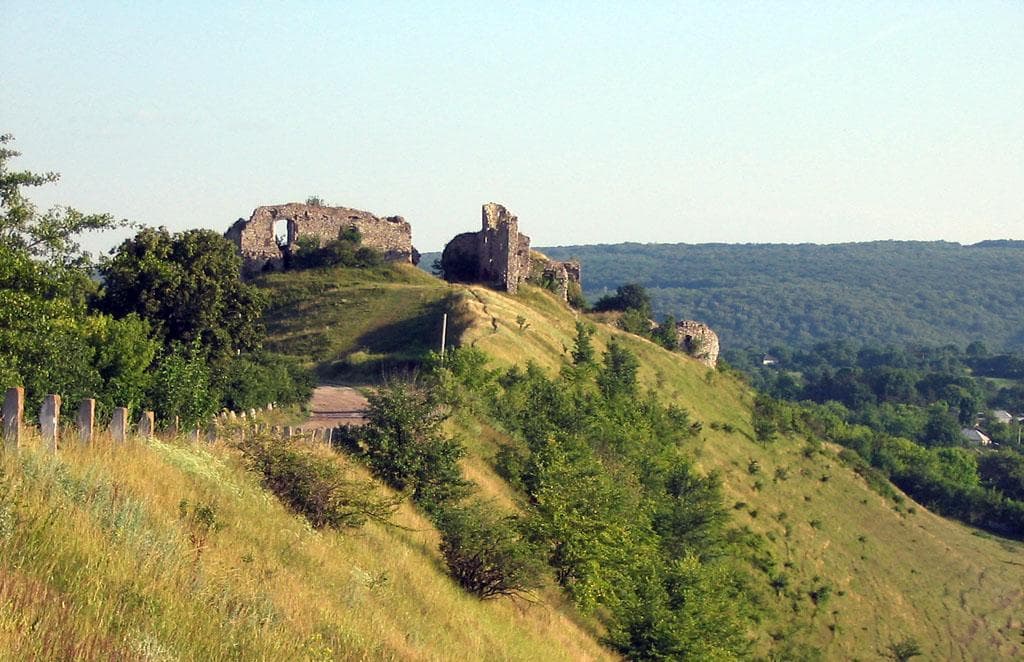
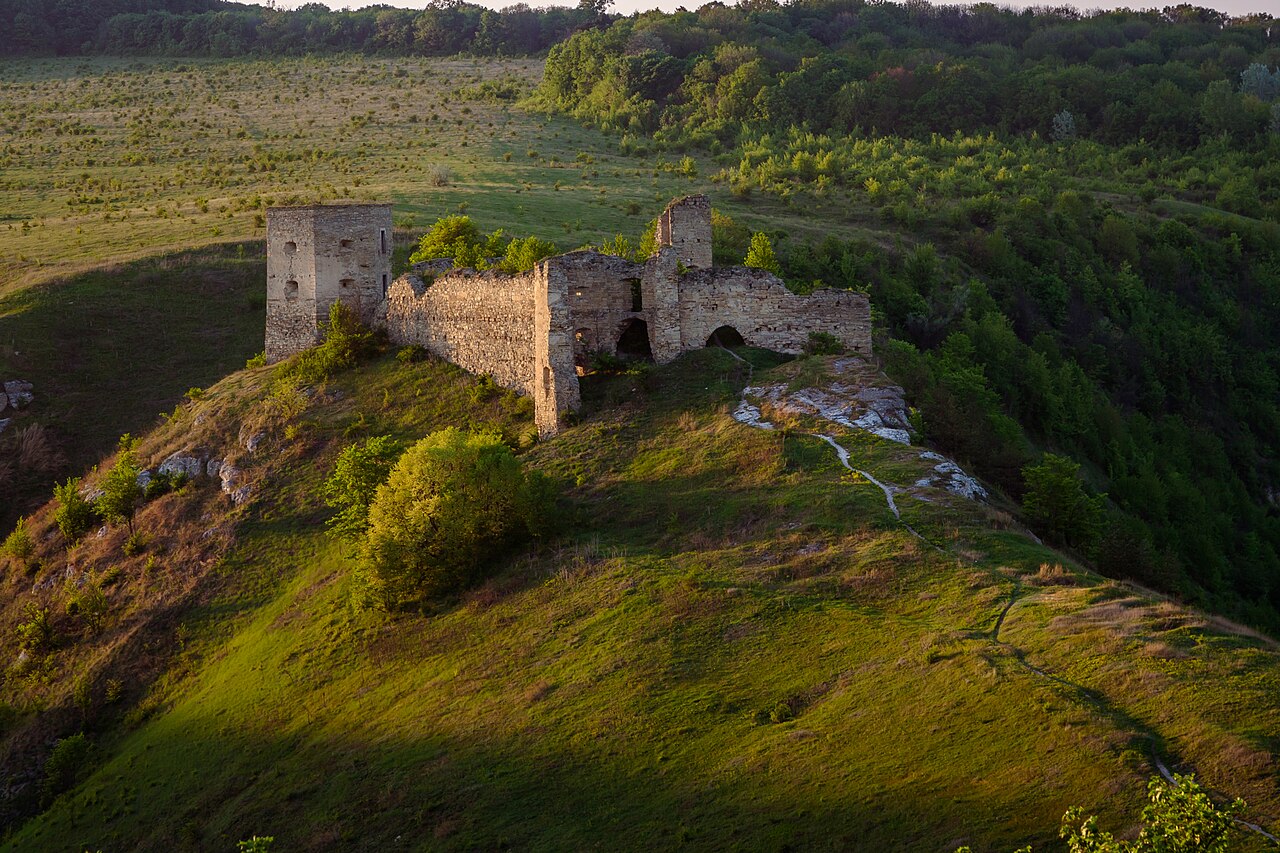
Chornokozyntsi Castle is a notable example of an 18th-century hill castle located in Ukraine. Built during the post-Renaissance period, this castle reflects the architectural and defensive styles that were prevalent in Eastern Europe during this era. The castle's strategic position on elevated terrain provided natural defense advantages, a common characteristic of hill castles.

Historical context and construction

The castle was constructed in the 18th century, a time marked by significant political and military changes in the region. This period followed the Renaissance and preceded the modern era, during which fortifications began to adapt to new warfare technologies such as artillery. The design of Chornokozyntsi Castle incorporates these adaptations, balancing traditional defensive features with the evolving needs of the time.

Architectural features

Chornokozyntsi Castle exhibits characteristics typical of post-Renaissance architecture, including robust stone walls and a layout optimized for defense. The castle's elevated position on a hill allowed for commanding views of the surrounding landscape, crucial for early detection of approaching forces. While specific details about its towers, gates, and internal structures are limited, the castle likely included standard elements such as battlements and fortified gates to enhance its defensive capabilities.

Defensive structures

The castle's design would have incorporated thick walls and possibly bastions or angled fortifications to withstand artillery fire, reflecting the military architectural trends of the 18th century. The hilltop location itself served as a natural moat, making direct assaults more difficult.

Role and significance

Throughout its history, Chornokozyntsi Castle played a role in regional defense and control. Castles of this type were often centers of local administration and military command, overseeing the surrounding territory. Although detailed historical records of specific events at Chornokozyntsi Castle are scarce, its construction period suggests it was part of broader efforts to secure borders and maintain feudal authority during a turbulent era in Ukrainian history.

Current condition and preservation

The current state of Chornokozyntsi Castle is not extensively documented, but like many historic castles in Ukraine, it may be partially preserved or in ruins. Preservation efforts in the region vary, with some castles maintained as cultural heritage sites while others have suffered from neglect and environmental wear.

Visiting and cultural importance

Chornokozyntsi Castle represents an important cultural landmark within Ukraine's architectural heritage. Visitors interested in military history and post-Renaissance architecture may find the site of interest. However, due to limited public information, potential visitors should seek local guidance regarding access and visiting conditions.

Overall, Chornokozyntsi Castle stands as a testament to the architectural and military strategies of the post-Renaissance period in Eastern Europe, embodying the transition from medieval fortifications to early modern defensive structures.

Frequently asked questions (FAQ)

What is the historical significance of Chornokozyntsi Castle?
Chornokozyntsi Castle is a remarkable example of medieval architecture in Ukraine, reflecting the region's tumultuous history. Built in the 14th century, it served as a strategic fortress against invasions and a residence for local nobility, showcasing the architectural styles of its time.
When was Chornokozyntsi Castle built?
Chornokozyntsi Castle was constructed in the 14th century, making it an important historical site that has witnessed many significant events over the centuries. Its construction reflects the defensive needs of the period, as well as the influences of various architectural styles that have evolved over time.
What are the opening hours for Chornokozyntsi Castle?
Chornokozyntsi Castle is typically open to visitors from 9 AM to 6 PM daily, though hours may vary seasonally. It is advisable to check the official website or local tourist information for the most current visiting times before planning your trip.
Can I take guided tours of Chornokozyntsi Castle?
Yes, guided tours are available at Chornokozyntsi Castle to enrich your visit with detailed historical insights and architectural highlights. These tours are led by knowledgeable guides who can provide a deeper understanding of the castle's significance and its stories.
Is it possible to access Chornokozyntsi Castle with public transportation?
Yes, Chornokozyntsi Castle is accessible via public transportation, with bus and train services connecting it to major nearby cities. Visitors are encouraged to check local schedules and routes for the most convenient travel options.
What is the best time to visit Chornokozyntsi Castle?
The best time to visit Chornokozyntsi Castle is during the spring and early autumn when the weather is mild and ideal for exploring the grounds. Additionally, the surrounding landscape is particularly beautiful during these seasons, enhancing your overall experience.
Are there any nearby attractions to visit along with Chornokozyntsi Castle?
Yes, there are several nearby attractions worth visiting, including local museums and natural parks that offer beautiful scenery and cultural experiences. Exploring the surrounding area can provide a well-rounded understanding of the region's history and natural beauty.
What are the ticket prices for visiting Chornokozyntsi Castle?
Ticket prices for Chornokozyntsi Castle are generally affordable, making it accessible for most visitors. Discounts may be available for students, seniors, and groups, so it's a good idea to inquire about any available offers upon arrival.

Photo gallery

Chornokozyntsi Castle
Click to view

Photo by Сергій Клименко•CC BY-SA 3.0

1 photo • Click any image to view in full screen

Information

Hill Castle

Loading map...

Visitor reviews

No reviews yet. Been here? Write the first review and help other travelers!

Write the first review

Visited this castle? Share your experience

Your review helps other travelers and adds first-hand knowledge to our encyclopedia.
Write a review

(5/5)

0/2000 characters

Your review will be visible after admin approval

Nearby castles

5.5 km
Kudryntsi Castle — Ukraine castle

Kudryntsi Castle

, Ukraine

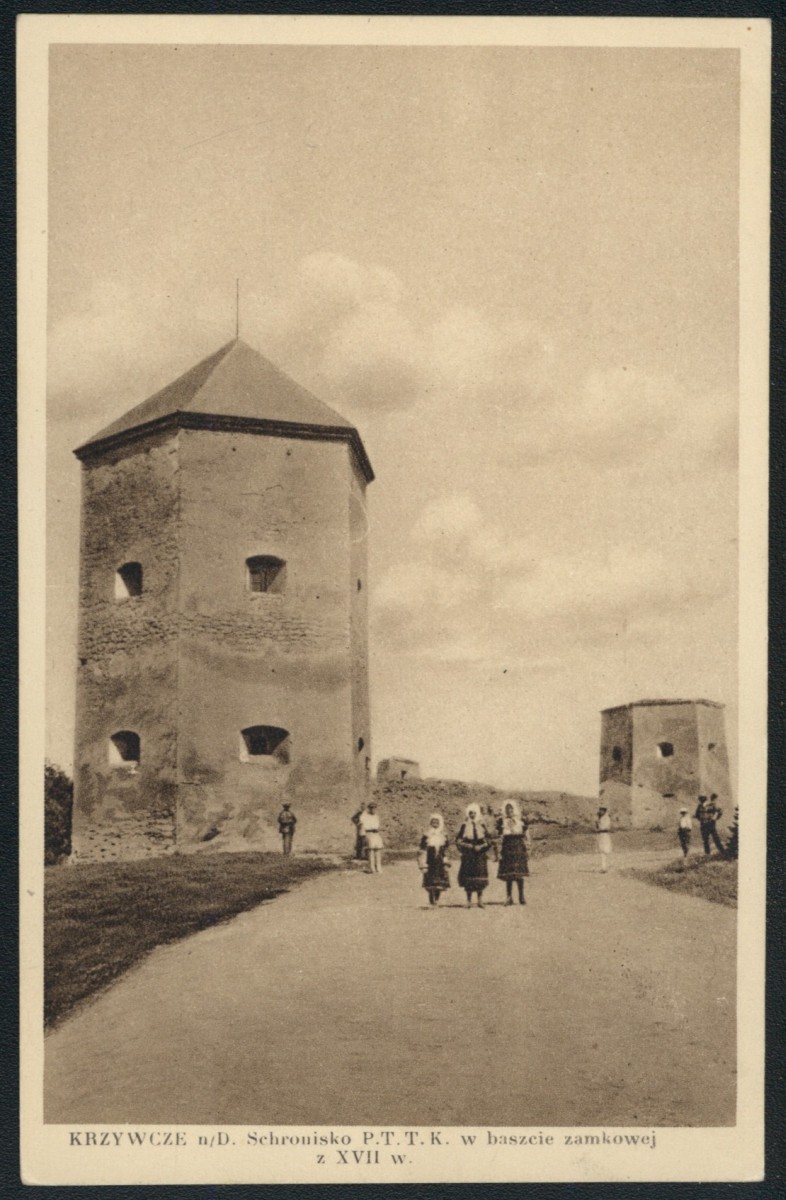
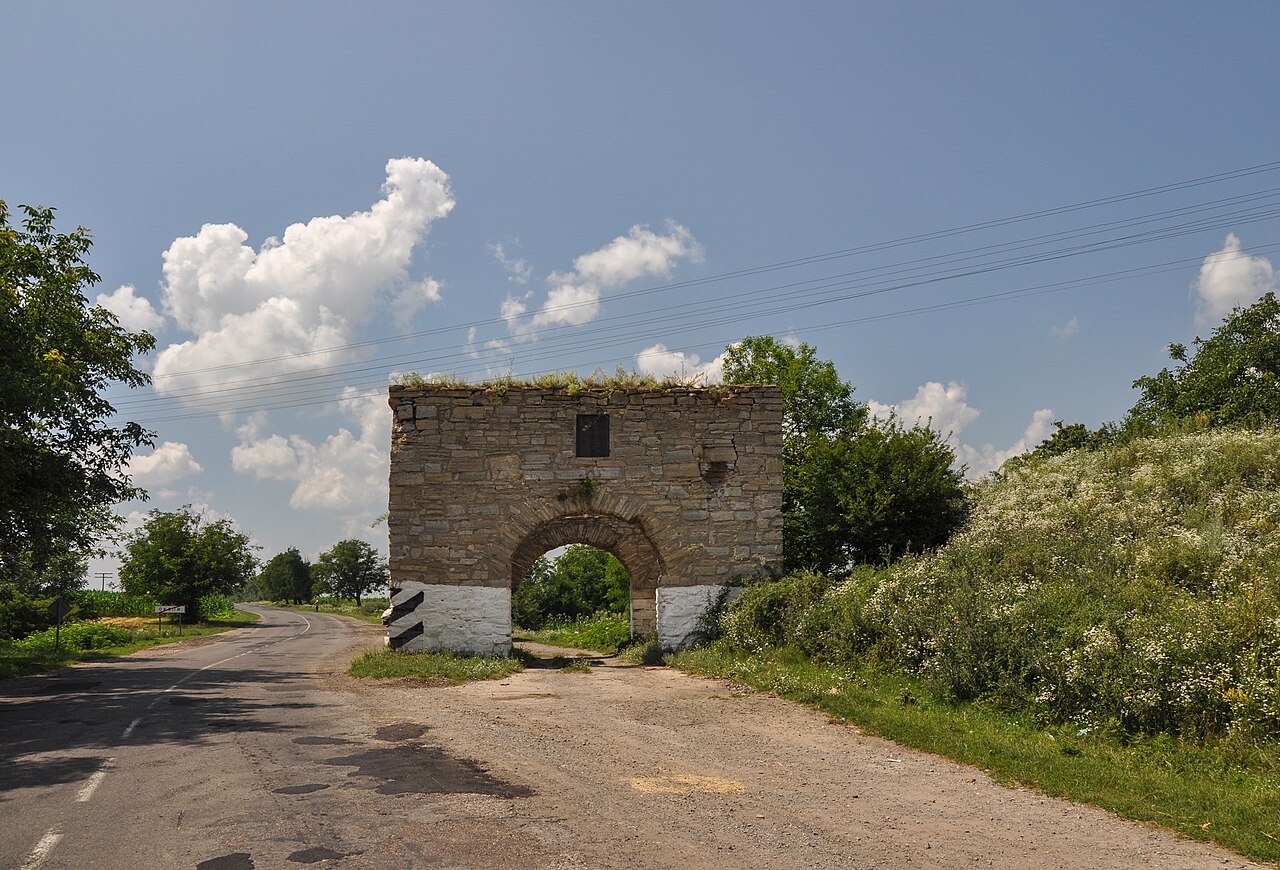
Kudryntsi Castle (Ukrainian: Кудринецький замок, Polish: Zamek w Kudryńcach) is a notable example of a 17th-century Renaissance hill castle located in the Ternopil Oblast of Ukraine. Perched strategically on a hilltop overlooking the Zbruch River, the castle was constructed to serve as a defensive stronghold in a region marked by frequent military conflicts during the early modern period. Historical context and construction The castle was built in the early 17th century by the Polish nobleman Jan Szczęsny Herburt, a prominent figure in the Polish–Lithuanian Commonwealth. Its location in the Chortkiv Raion placed it near the volatile borderlands that were often contested by various powers, including the Ottoman Empire, the Crimean Tatars, and Cossack forces. Kudryntsi Castle was part of a network of fortifications designed to protect the Commonwealth's eastern frontiers, including the larger and more famous fortress at Kamianets-Podilskyi, situated about 25 kilometers to the east. Architectural features and design Kudryntsi Castle exemplifies Renaissance military architecture adapted to the hilly terrain. The castle's design incorporates stone defensive walls with bastions and towers positioned to maximize fields of fire over the surrounding landscape and the river below. The hilltop location provided a natural advantage, making direct assaults difficult. The castle complex included a courtyard, living quarters, and storage facilities, all enclosed within thick walls designed to withstand artillery bombardment, which was becoming increasingly important in fortress design during this period. Defensive structures The castle featured battlements and arrow slits, allowing defenders to repel attackers while remaining protected. Its walls were constructed from local stone, and the layout was compact yet effective for defense. Although the castle was not as large as some contemporaneous fortresses, its position and fortifications made it a formidable obstacle to invading forces. Military history and sieges Throughout the 17th century, Kudryntsi Castle witnessed numerous sieges and attacks, primarily from Cossack uprisings and Ottoman incursions. The castle's strategic importance made it a target during the turbulent times of the Khmelnytsky Uprising and the wars between the Polish–Lithuanian Commonwealth and the Ottoman Empire. Despite its defenses, the castle changed hands multiple times and suffered damage during these conflicts. Cossack and Turkish assaults The Cossacks, known for their guerrilla warfare tactics, repeatedly besieged the castle as part of their efforts to challenge Polish rule. Similarly, Ottoman forces sought to expand their influence into Podolia, leading to several military campaigns that involved attempts to capture Kudryntsi Castle. These attacks tested the resilience of the fortress and its garrison but also contributed to the gradual deterioration of its structures. Decline and current condition By the 19th century, the castle had fallen into disuse and partial ruin. The walls began to crumble as maintenance ceased, and the fortress was abandoned. Today, Kudryntsi Castle remains a ruined hill castle, with significant portions of its walls and towers still visible but deteriorated. Its ruins continue to attract visitors interested in military architecture and the history of the region. Preservation and tourism Despite its ruined state, Kudryntsi Castle is recognized for its cultural and historical significance. Efforts to preserve the site focus on stabilizing existing structures and promoting awareness of its heritage. The castle's location offers panoramic views of the Zbruch River valley, making it a popular destination for tourists and history enthusiasts exploring western Ukraine's fortified heritage.

Renaissance (15th–17th c.)
Details
14.1 km
Kryvche Castle — Ukraine castle

Kryvche Castle

Kryvche, Ukraine

Kryvche Castle (Ukrainian: Кривченський замок, romanized: Kryvchen'skyi zamok) is a historic hill castle located in the village of Kryvche, within the Ternopil Oblast of western Ukraine. Constructed in the first half of the 17th century, this castle is an important example of Renaissance military architecture in the region. It was built by the noble Kątski family, who were influential landowners during this period. Historical context and significance The construction of Kryvche Castle took place during a turbulent era marked by frequent conflicts in Eastern Europe, including the struggles between the Polish-Lithuanian Commonwealth and the Ottoman Empire, as well as various Cossack uprisings. The castle's strategic position on a hill provided a defensive advantage, overseeing the surrounding landscape and controlling important local routes. This location was typical for hill castles, which were favored for their natural defensive benefits. As a Renaissance fortress, Kryvche Castle reflects the transition in military architecture from medieval fortifications to early modern designs that incorporated artillery defense. Although it was not a large fortress, its design included features adapted to the evolving warfare technology of the time. Architectural features and layout Kryvche Castle was built primarily of stone, utilizing the natural rocky terrain to enhance its defenses. The castle's walls were thick and robust, designed to withstand sieges and artillery fire. The structure included a main keep or donjon, which served as the last line of defense and a residence for the lord and his family. The castle complex likely included battlements, towers for observation and defense, and a courtyard that would have housed auxiliary buildings such as stables, workshops, and storage facilities. A moat or ditch may have been incorporated to add an additional barrier against attackers, although specific details on this are limited. Renaissance influences The Renaissance style of Kryvche Castle is evident in its balanced proportions and some decorative elements, which distinguish it from purely medieval fortresses. This style often combined functionality with aesthetic considerations, reflecting the cultural influences spreading through Europe at the time. Current condition and preservation Today, Kryvche Castle is considered an architectural monument of national importance in Ukraine. However, it exists mostly in a state of ruins. The remaining structures provide valuable insights into the castle's original layout and construction techniques. Efforts have been made to preserve the site, but the castle faces challenges typical of many historic ruins, including weathering, vegetation overgrowth, and limited funding for restoration. Visitors to the site can explore the ruins and appreciate the castle's historical significance and commanding hilltop views. Visiting Kryvche Castle The castle is accessible to the public, although facilities are minimal due to its ruinous condition. It attracts history enthusiasts, hikers, and those interested in Renaissance military architecture. The surrounding landscape of Ternopil Oblast offers additional cultural and natural attractions, making Kryvche Castle a noteworthy destination for regional tourism. Nearby attractions Visitors to Kryvche Castle can also explore the rich cultural heritage of Ternopil Oblast, including nearby historic churches, traditional villages, and natural reserves. The region's blend of history and nature provides a comprehensive experience for travelers. Legacy and cultural importance Kryvche Castle stands as a testament to the region's complex history during the Renaissance period. Its remains are a valuable resource for understanding the evolution of fortification architecture in Ukraine and Eastern Europe. The castle's connection to the Kątski family highlights the role of noble families in shaping the political and military landscape of the time. Preserving Kryvche Castle contributes to the broader effort to maintain Ukraine's cultural heritage and promote awareness of its historical landmarks.

Renaissance (15th–17th c.)
Details
16.6 km
Okopy Castle — Ukraine castle

Okopy Castle

Okopy, Ukraine

Okopy Castle, also known locally as the Holy Trinity Trenches (Fortetsya Svyatoyi Triytsi), is a significant Renaissance fortress located in Okopy, Ternopil Oblast, Ukraine. Founded in 1692 by Hetman Stanisław Jan Jabłonowski, it was constructed as a strategic bastion fortress to protect the Polish-Lithuanian Commonwealth's eastern borders against Ottoman incursions. The castle sits on a hill castle site near the confluence of the Dniester and Zbruch Rivers, a location chosen for its natural defensive advantages and control over vital waterways. Historical context and strategic purpose The fortress was built during a turbulent period marked by frequent conflicts between the Polish-Lithuanian Commonwealth and the Ottoman Empire. The primary purpose of the Holy Trinity Trenches was to block communication and supply routes between the Ottoman garrison stationed at Kamianets-Podilskyi, approximately 23 kilometers away, and Moldavia. Moldavia served as a base from which convoys supplied the Ottoman forces. By controlling this passage, the fortress aimed to cut off vital reinforcements and supplies, thereby weakening the Ottoman military presence in the region. The fortress lost its military significance after the Treaty of Karlowitz in 1699, which ended hostilities between the Ottoman Empire and the Holy League, resulting in the Polish-Lithuanian Commonwealth regaining control of Kamianets-Podilskyi. This treaty shifted the balance of power, rendering the fortress's defensive role obsolete. Architectural design and features Okopy Castle was designed by the renowned architect Tylman van Gameren, a prominent figure in Polish Renaissance and Baroque architecture. The fortress exemplifies the Renaissance bastion fortress style, characterized by angular bastions and thick defensive walls designed to withstand artillery fire. The fortress is a classic example of a hill castle, utilizing the elevated terrain to enhance its defensive capabilities. Its design includes a system of trenches and earthworks that complement the stone bastions, creating multiple layers of defense. The walls are reinforced with bastions at the corners, allowing defenders to cover all approaches with crossfire. The layout reflects the military engineering principles of the late 17th century, focusing on maximizing defense against cannon fire and sieges. The fortress's position near the river also provided a natural moat and an additional barrier against attackers. Preservation and cultural significance Today, Okopy Castle stands as an architectural monument of national importance in Ukraine. While it no longer serves a military purpose, the fortress remains a valuable cultural and historical site, attracting visitors interested in military architecture and Eastern European history. The site preserves many of its original defensive structures, including the bastions and trenches, providing insight into the military strategies of the Renaissance period. Its location on the Dniester River offers scenic views and a tangible connection to the region's past conflicts and geopolitical shifts. Visiting Okopy Castle Visitors to Okopy Castle can explore the extensive remains of the bastion fortress and its surrounding trenches. The site offers a unique opportunity to study Renaissance military architecture in a relatively well-preserved context. Interpretive signage and guided tours often highlight the fortress's role in the Polish-Ottoman wars and its architectural innovations. The castle's remote location means that visitors should plan their trip carefully, but the historical and architectural rewards make it a significant destination for enthusiasts of fortifications and Eastern European history.

Renaissance (15th–17th c.)
Details