Krimulda
Krimulda Castle is a historically significant medieval hill castle located in the municipality of Sigulda, Latvia, perched on a naturally defensible plateau overlooking the Gauja River valley. The castle's origins date back to the early 13th century, built as a strategic fortification by the Archbishopric of Riga to assert control over territories on the right bank of the Gauja River. This area was contested between the Livonian Order and the Riga bishopric, making Krimulda an important military and administrative site during the turbulent medieval period.
Historical background and strategic importance
The castle was constructed following the division of conquered pagan Livonian lands in 1207 between the Bishop of Riga and the Order of the Sword Brothers, later known as the Livonian Order. The bishopric received the right bank of the Gauja River, while the Order controlled the left bank. To fortify their holdings and counterbalance the Order's Sigulda Castle on the opposite bank, the bishops commissioned the building of several castles, including Krimulda (historically known as Kremon or Kremon Castle), first mentioned in written records in 1312.
Krimulda served as a key fortress in the ongoing conflicts between the Archbishopric of Riga and the Livonian Order, witnessing numerous sieges and occupations. The castle was occupied by the Livonian Order from 1312 to 1318 and later became a focal point in the regional power struggles throughout the 14th to 16th centuries. During the Livonian Wars and subsequent conflicts, Krimulda changed hands multiple times, reflecting the shifting political landscape of medieval Livonia.
Location and natural defenses
Krimulda Castle's location on a high bank of the Gauja River near the confluence with the Vikmeste River provided formidable natural defenses. The castle was protected on three sides by steep slopes descending approximately 70 meters to the river below, creating a natural moat. The fourth side was defended by a man-made ditch crossed by a wooden drawbridge, enhancing its security. This strategic siting made the fortress difficult to assault and allowed control over the river valley and surrounding lands.
Architectural features and layout
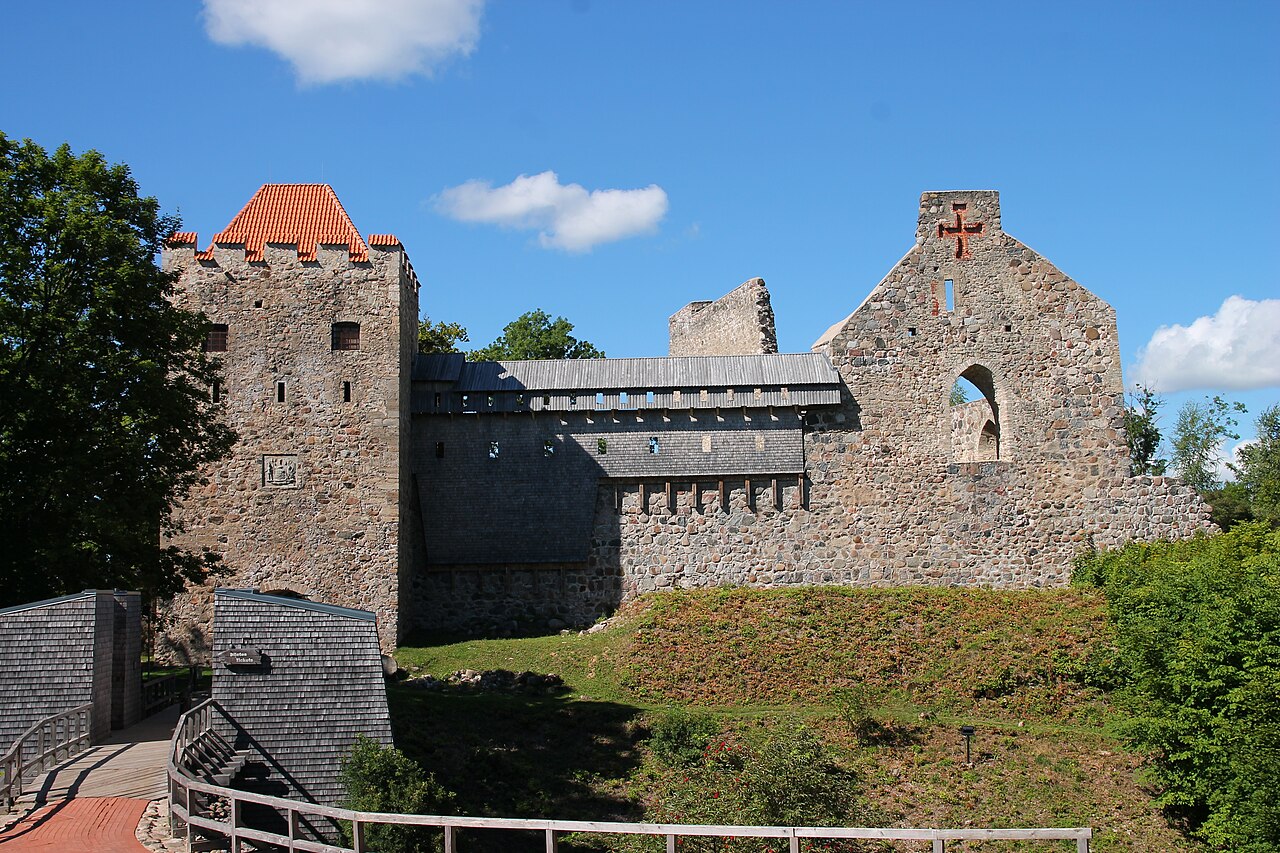
The castle was built primarily from large fieldstones bonded with lime mortar, with carefully cut limestone blocks reinforcing corners and key structural points. Unlike nearby Turaida Castle, which incorporated more brickwork, Krimulda's construction emphasized massive stone walls approximately 2 meters thick at ground level. The castle's irregular oval courtyard conformed to the shape of the plateau, enclosed by robust defensive walls.
At the southern corner stood the main residential building, a three-story structure measuring roughly 54 by 17 meters. The ground floor housed service rooms including a kitchen, while the first floor contained the castle's most representative chambers, likely including a refectory or great hall for communal gatherings. The top floor served defensive purposes, with battlements and firing positions.
A small square tower was located at the northern corner of the courtyard, supplementing the castle's defenses. The main entrance was fortified and accessed via a drawbridge spanning the defensive ditch on the southwest side. The castle complex also included an outer bailey or forecourt enclosed by thick stone walls, which contained wooden economic buildings that have not survived.
Historical events and decline
Throughout its history, Krimulda Castle was a witness to numerous military confrontations. In 1558, during the Livonian War, it was captured by Moscow's forces. Later, the castle became part of the Polish–Lithuanian Commonwealth after the secularization of the archbishopric's lands. In 1601, during the Polish-Swedish War, the castle was seized by Swedish troops. Upon retreat, the Swedes reportedly destroyed the castle's walls and set it on fire to prevent its use by opposing forces, leaving it in ruins.
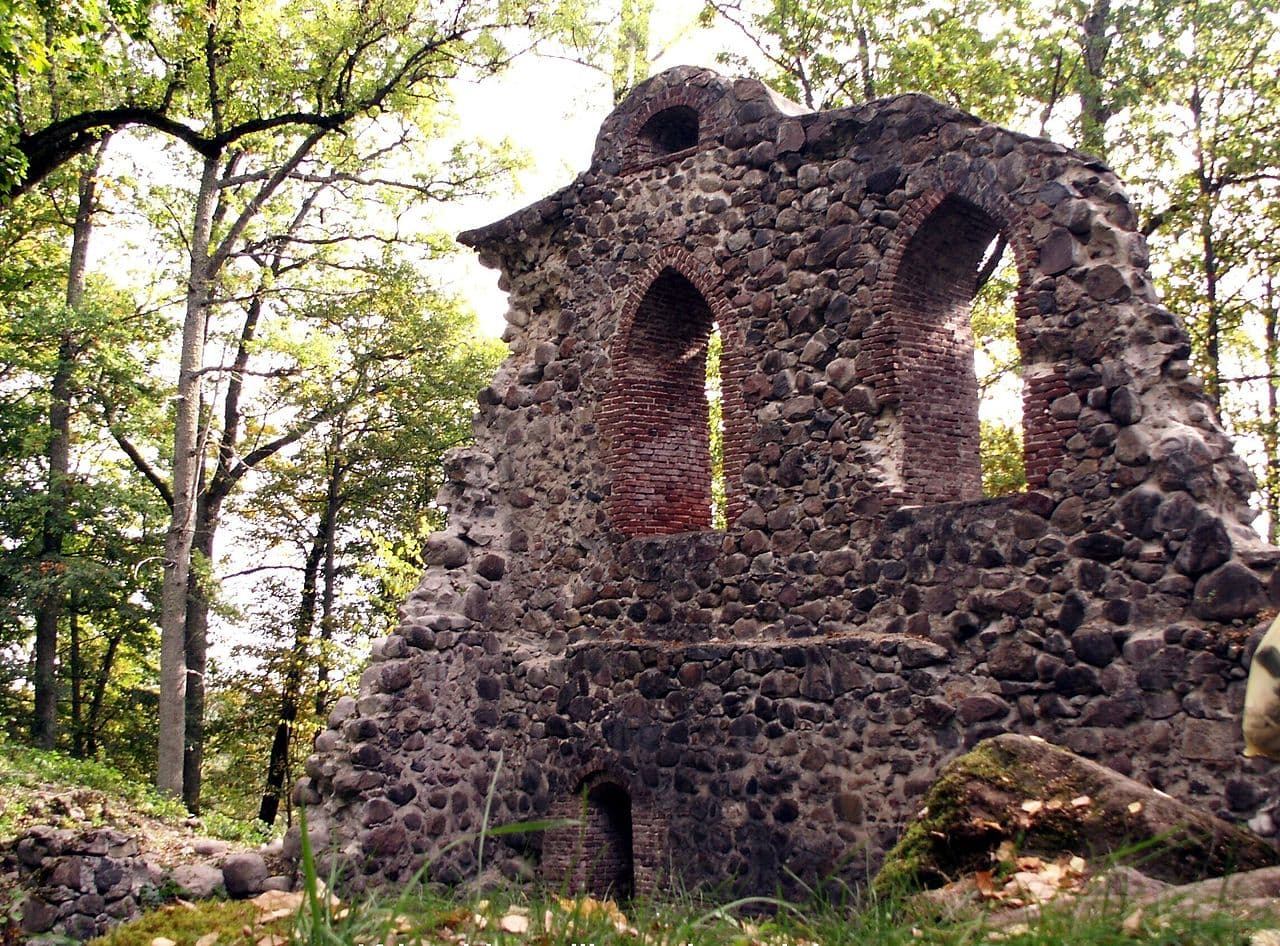
Following its destruction, Krimulda Castle was never rebuilt as a military fortress. It passed into private ownership, including the noble families of Oxenstierna and Helmersen. By the 19th century, the ruins were acquired by Russian Lieutenant General Johann Georg von Lieven, who undertook partial restoration efforts. These efforts included a romanticized Gothic revival style renovation of some surviving walls, transforming the site into a picturesque element of the surrounding parkland rather than a functional fortress.
Current state and cultural significance
Today, only fragments of the original castle walls remain, including sections of the perimeter wall and a several-meter-high portion of the main building's southern wall. The site is valued for its historical and architectural heritage, offering visitors a glimpse into medieval Livonian fortifications and the complex history of the region.
The castle ruins are situated near the village of Krimulda and provide scenic views of the Gauja River valley, including the nearby famous Bellevue lookout point. The surrounding estate includes manor buildings in classic style, such as the steward's house and Swiss cottage, reflecting the 19th-century transformation of the site into a romantic park complex.
Architectural comparison with neighboring castles
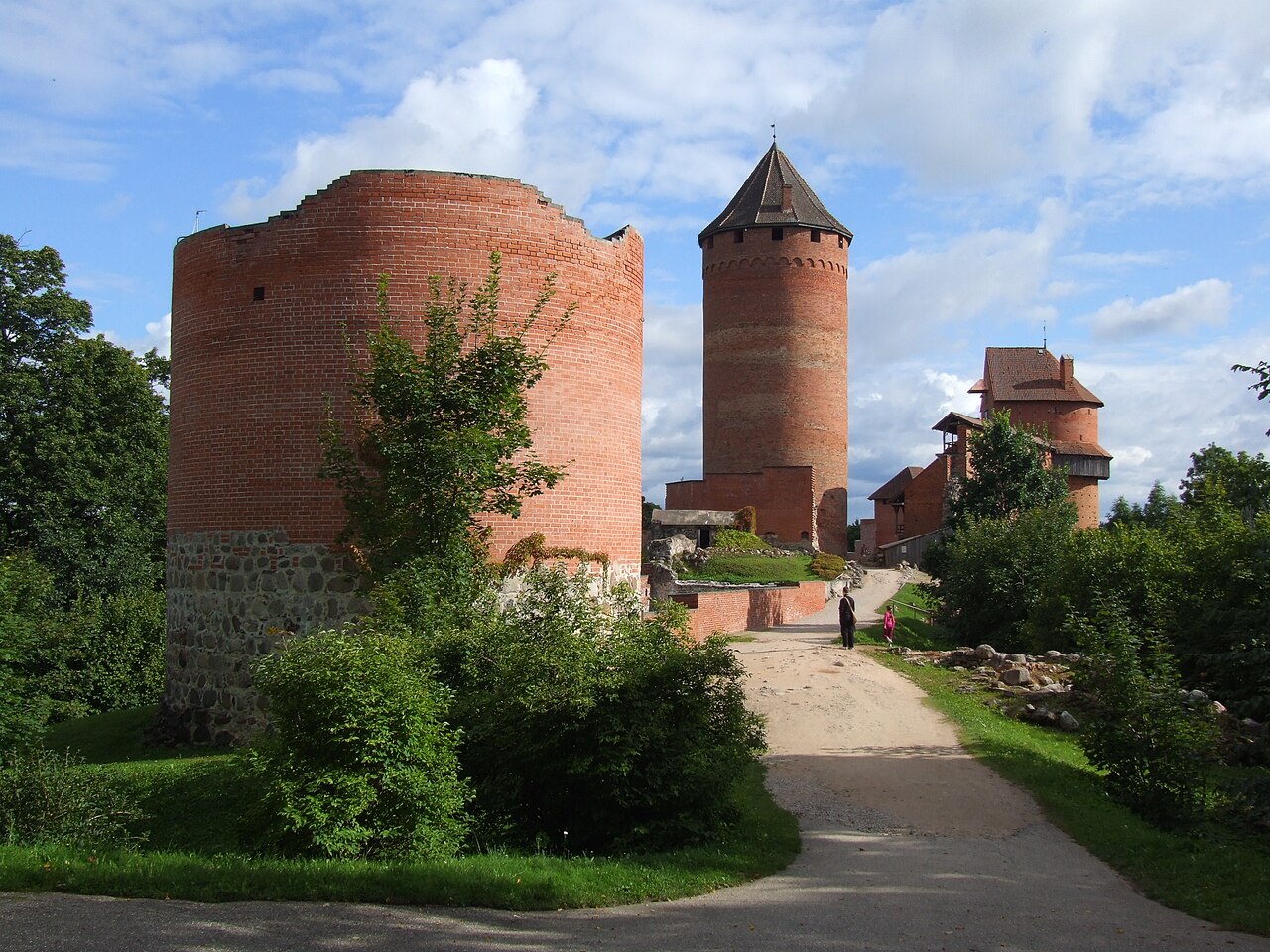
Krimulda Castle's stone construction and natural defensive position contrast with the brick and mortar architecture of nearby Turaida Castle. The emphasis on large fieldstones and the adaptation to the irregular plateau shape demonstrate medieval builders' skill in integrating fortifications with the landscape.
Visitor information
The castle ruins are accessible to the public and serve as a cultural monument within the Sigulda region. Visitors can explore the remains and enjoy panoramic views of the Gauja River and surrounding forests. The site is part of the Gauja National Park, which offers numerous hiking trails and historical sites, making Krimulda a popular destination for history enthusiasts and nature lovers alike.
Frequently asked questions (FAQ)
- How do I get to Krimulda Castle?
- Krimulda Castle is located in the picturesque region of Krimulda, Latvia. You can reach it by car, with ample parking available nearby, or via public transport, including buses that connect from the nearest city, Sigulda. The scenic drive through the Gauja National Park makes the journey even more enjoyable.
- What is the historical significance of Krimulda Castle?
- Krimulda Castle dates back to the 13th century and is one of the oldest castles in Latvia. It played a crucial role in the region's history, serving as a stronghold during various conflicts and showcasing the architectural styles of the time. Today, it stands as a symbol of Latvia's rich medieval heritage.
- When was Krimulda Castle built?
- Construction of Krimulda Castle began in the late 13th century, specifically around 1270. Throughout the centuries, it underwent several renovations and expansions, reflecting the architectural trends of different eras. Its current structure primarily represents elements from the 18th century.
- Can I visit Krimulda Castle year-round?
- Yes, Krimulda Castle is open to visitors throughout the year, although opening hours may vary seasonally. It's advisable to check the official website or local tourist information for the specific hours of operation before planning your visit. This ensures you have the best experience and do not miss out on any guided tours.
- Why is Krimulda Castle a popular tourist attraction?
- Krimulda Castle attracts visitors due to its stunning views of the Gauja River Valley and its rich history. The castle is surrounded by beautiful nature, making it an ideal spot for photography and hiking. Additionally, various cultural events and exhibitions are held throughout the year, enhancing its appeal.
- Is it possible to access the castle with mobility issues?
- Krimulda Castle has made efforts to improve accessibility for visitors with mobility challenges. While some areas may be difficult to navigate due to the castle's historical architecture, there are accessible paths and facilities available. It is recommended to contact the castle administration in advance to ensure a comfortable visit.
- What are the ticket prices for Krimulda Castle?
- Ticket prices for Krimulda Castle are quite reasonable, with discounts often available for students, seniors, and families. Children under a certain age may enter for free, making it an affordable destination for families. It’s best to check the official site for the latest pricing and any special offers.
- When is the best time to visit Krimulda Castle?
- The best time to visit Krimulda Castle is during the late spring and early autumn months, when the weather is mild and the surrounding nature is in full bloom. Summer also attracts many tourists, so visiting during weekdays can help avoid crowds. Each season offers a unique perspective of the castle and its grounds.
- What nearby attractions should I visit while in Krimulda?
- While visiting Krimulda Castle, you can explore the stunning Gauja National Park, which offers numerous hiking and biking trails. The nearby Sigulda Castle and Turaida Castle are also worth visiting for their historical significance and beautiful landscapes. Don't miss out on the local eateries that serve traditional Latvian cuisine.
Photo gallery

Information
Website
Visit websiteSources & official resources
Verify the information above using these authoritative references.
Loading map...
Visitor reviews
No reviews yet. Been here? Write the first review and help other travelers!
Write the first reviewVisited this castle? Share your experience
Your review helps other travelers and adds first-hand knowledge to our encyclopedia.