Kreuzberg Castle
Kreuzberg Castle, located in Altenahr, Germany, is a significant example of a late-medieval fortress with origins tracing back to the early medieval period. First documented in 893 as "Cruceberg," the site has a rich history spanning over a millennium. Around 1100, the castle and its surrounding settlement came under the ownership of the Counts of Are, who established an initial residential structure for their administrator, marking the beginning of the castle's development as a noble residence and defensive stronghold.
Historical development and ownership
The castle's early history is closely tied to the Counts of Are, a noble family influential in the region during the Middle Ages. The initial construction likely began with a residential house built for administrative purposes on the strategic hill known as Kreuzberg. This early phase set the foundation for the later expansion of the castle complex. Although the castle is primarily recognized for its 14th-century origins, there is some debate about the dating of its bergfried (keep). While traditionally attributed to the 15th century, architectural analysis suggests that the bergfried may be part of the oldest surviving structures, possibly dating back to the 14th century, making it a key element of the castle's medieval fortifications.
Architectural features and layout
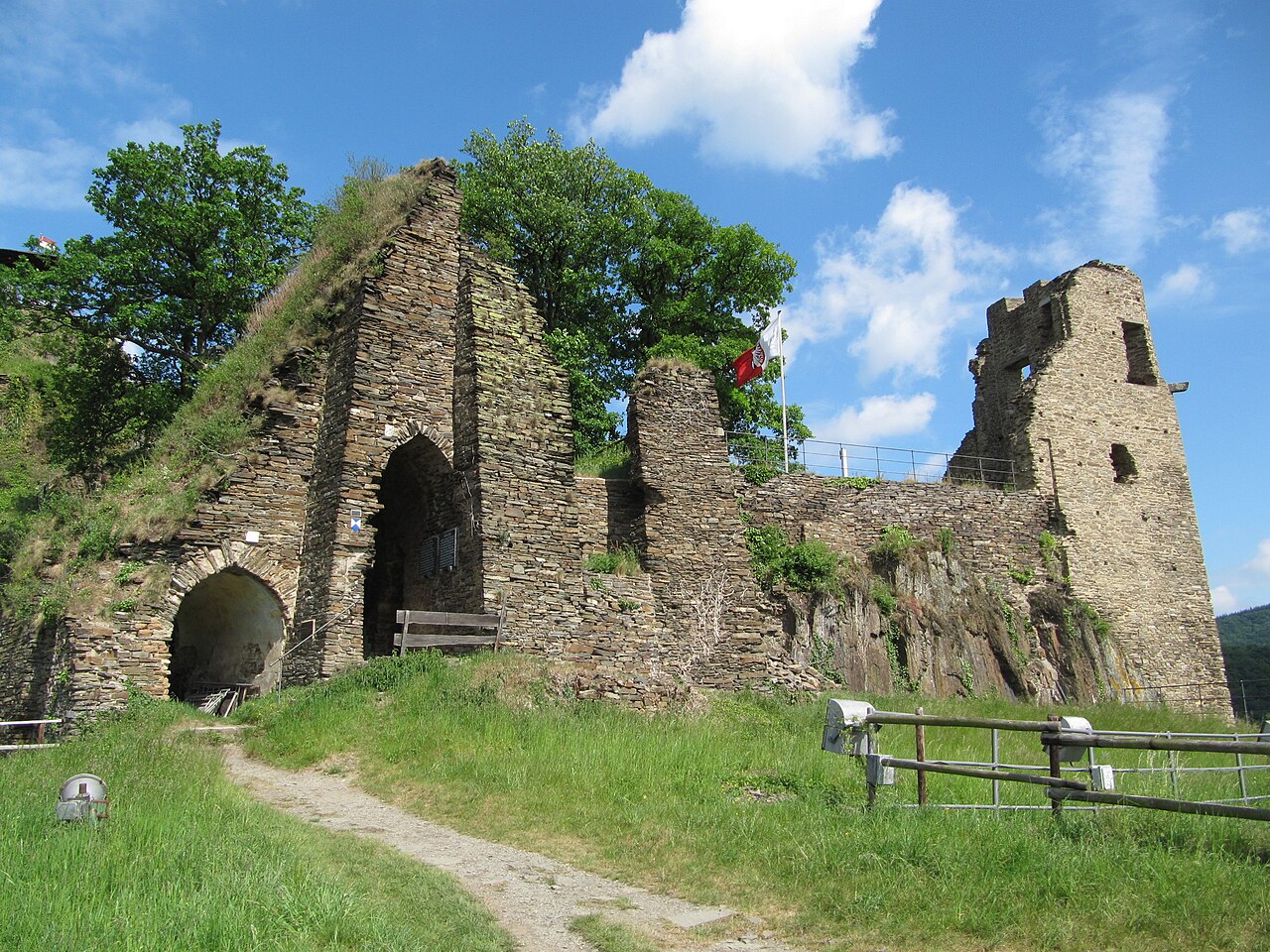
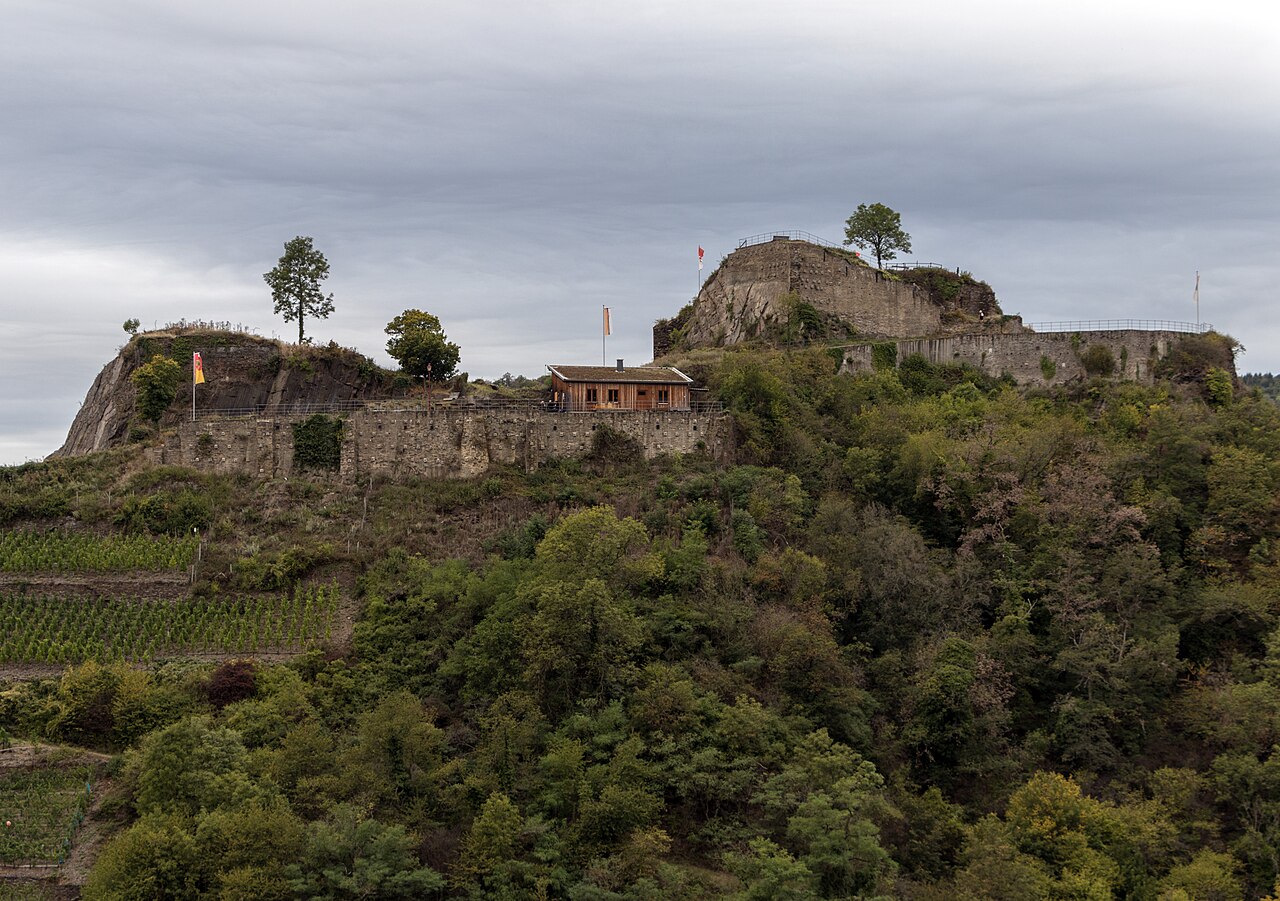
The castle is situated on an artificial plateau with an almost triangular ground plan, a design that follows the natural contours of the hill and enhances its defensive capabilities. The main castle area is enclosed by an inner curtain wall, which would have served as a formidable barrier against attackers. This wall defines the perimeter of the core fortress and protects the residential and administrative buildings within.
The bergfried (keep)
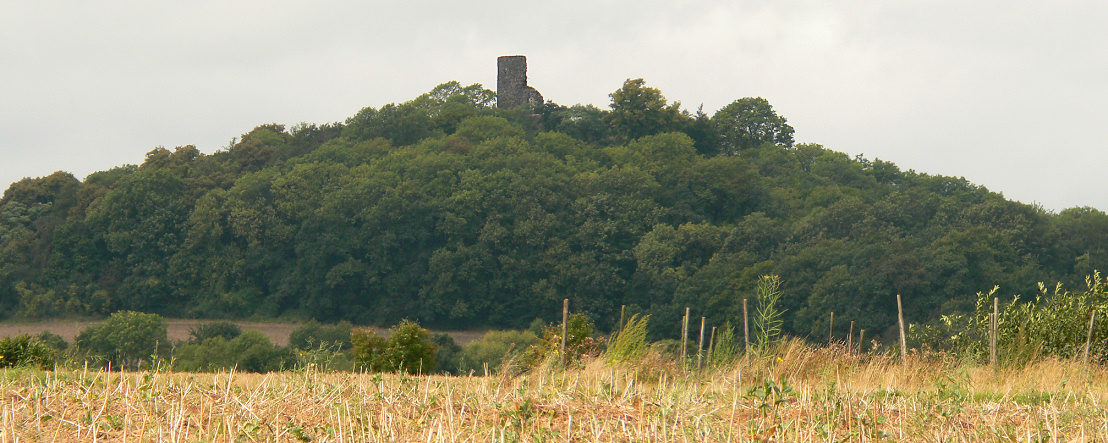
The bergfried is a prominent feature of Kreuzberg Castle, traditionally considered the central defensive tower. Its robust construction and strategic placement provided a vantage point for surveillance and defense. The possibility that it dates from the 14th century highlights its importance as one of the earliest components of the castle, reflecting medieval military architecture focused on strong vertical elements for defense and refuge.
Residential buildings
On the northern side of the main castle area stands a baroque, two-story residential building constructed from rubble stones. This structure represents a later phase of architectural development, indicating the castle's continued use and adaptation through the centuries. The Baroque style of this residence contrasts with the medieval fortifications, reflecting changes in architectural tastes and the transformation of castles from purely military fortresses to more comfortable noble residences.
Destruction and current condition
Kreuzberg Castle suffered significant damage when it was destroyed by French troops in 1686. This event marked the end of the castle's military significance and led to its decline as a defensive structure. Despite this, the main castle remains partially preserved, with key elements such as the bergfried and the curtain walls still standing. The baroque residential building also survives, providing insight into the castle's post-medieval history.
Significance and heritage
The castle's long history from the early medieval period through the late medieval and baroque eras makes it an important cultural and historical monument in the region. Its architectural evolution from a medieval fortress with a bergfried to a residence with baroque features illustrates broader trends in castle construction and usage in Germany. Today, Kreuzberg Castle stands as a valuable site for understanding medieval military architecture, noble residence development, and the impact of historical conflicts on regional landmarks.
Frequently asked questions (FAQ)
- When was Kreuzberg Castle originally built?
- Kreuzberg Castle dates back to the 14th century, with its first mention as Cruceberg in 893 and significant construction by the Counts of Are around 1100.
- What architectural style characterizes Kreuzberg Castle?
- The castle features medieval military architecture with a 14th-century bergfried and a later baroque two-story residential building made of rubble stones.
- What happened to Kreuzberg Castle in 1686?
- French troops destroyed Kreuzberg Castle in 1686, leading to its decline as a military fortress and partial preservation of its structures.
- Can visitors explore the bergfried at Kreuzberg Castle?
- The bergfried is a key feature of Kreuzberg Castle, and while access may vary, it remains a prominent part of the castle's historical architecture visible to visitors.
- What is the layout of Kreuzberg Castle?
- Kreuzberg Castle is built on an artificial triangular plateau surrounded by an inner curtain wall, designed to maximize defense and follow the hill's natural contours.
Information
Loading map...
Visitor reviews
No reviews yet. Been here? Write the first review and help other travelers!
Write the first reviewVisited this castle? Share your experience
Your review helps other travelers and adds first-hand knowledge to our encyclopedia.