Krapperup Castle
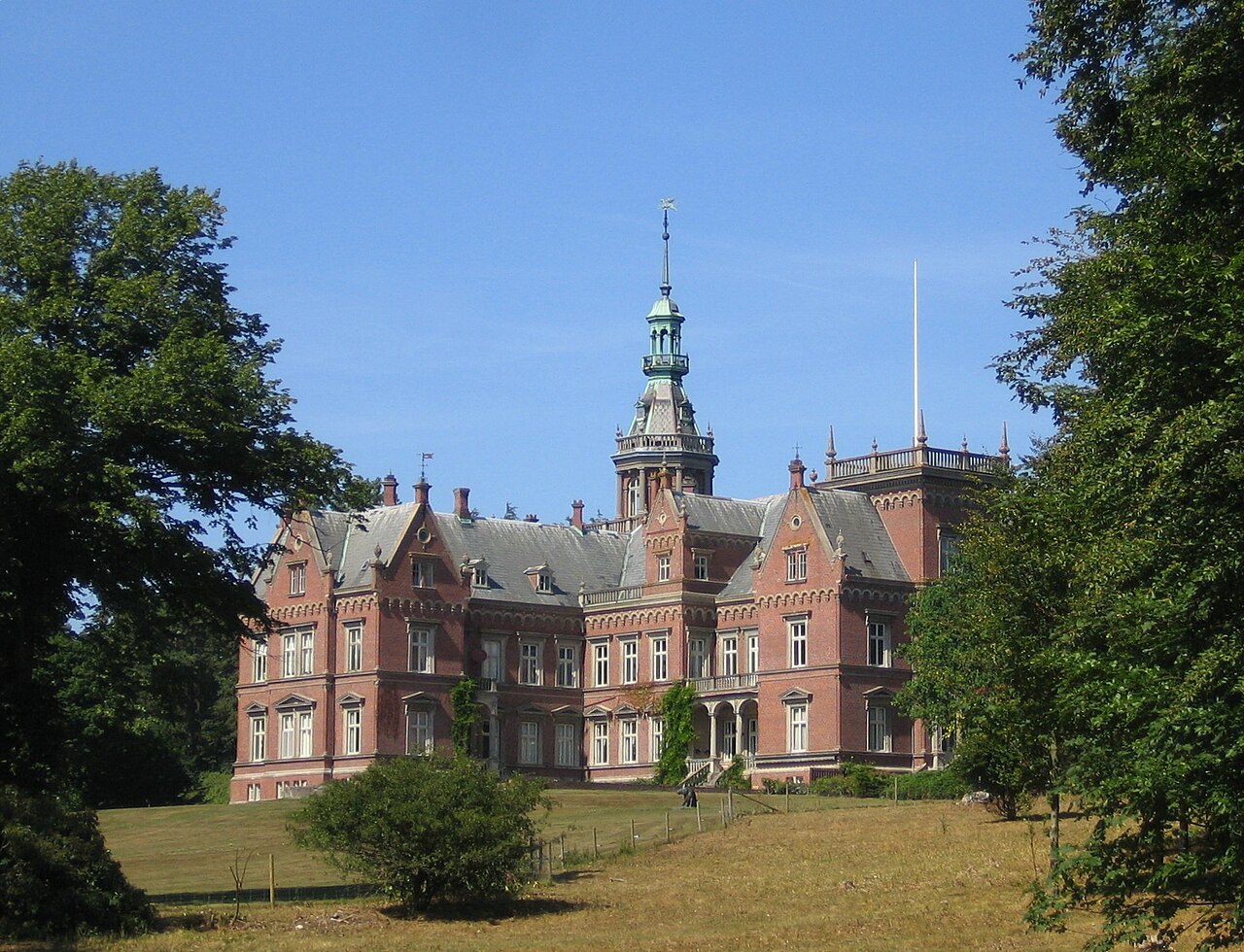
Krapperup Castle stands as a significant Renaissance manor in Höganäs Municipality, Scania, Sweden. The estate's origins trace back to medieval times, but the main structure visible today primarily dates from the 16th century, specifically the 1570s. The castle was originally constructed when Skåne was part of the Danish kingdom, a fact that deeply influenced its early history and architecture. The Podebusk family initiated the building of the castle, which was later embellished with the seven-pointed star emblem of the Gyldenstierne family at the start of the 17th century.
Historical background and ownership transitions
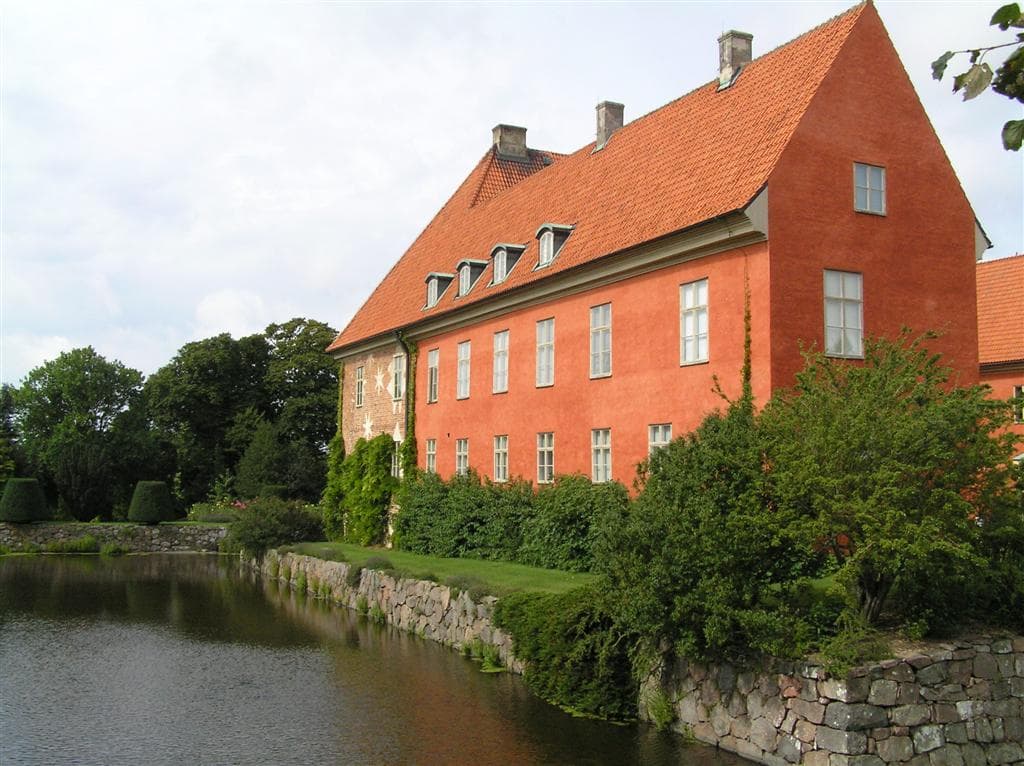
During the early 1600s, the castle's facades were marked with the Gyldenstierne coat-of-arms, symbolizing the family's ownership and status. The political landscape shifted dramatically when Denmark ceded Skåne to Sweden in 1658 under the Treaty of Roskilde. This transfer of sovereignty brought new ownership to Krapperup, with Maria Sophia de la Gardie becoming its first Swedish proprietor. Throughout the 18th century, the estate passed through the hands of the Hildebrand and von Kochen families, before finally being inherited by the Gyllenstierna family in the 19th century. The Gyllenstiernas maintained the emblematic seven-pointed star, linking the estate's identity to its noble heritage.
Architectural features and estate layout
The castle's main building houses the state rooms, which showcase Victorian interiors reflecting 19th-century tastes and refinements. These rooms are distinct from the wings of the manor, which serve as private apartments for the family. Architecturally, the manor presents a blend of Renaissance design with later period modifications, retaining its historic character while accommodating modern use.
Gardens and landscape design
The surrounding gardens cover approximately 80 acres and evolved significantly during the 19th century. Originally formal and utilitarian, the gardens were transformed into a romantic landscape featuring winding paths, carp ponds, and a variety of plants including abundant rhododendrons and an attractive rose garden. This design reflects the 19th-century European trend towards naturalistic garden layouts that emphasize scenic beauty and leisurely strolls.
Modern use and public access
In 1967, the estate was converted into a foundation known as the Gyllenstiernska Krapperupstiftelsen, with the goal of preserving the castle, gardens, and surrounding rural landscape. Despite this institutional ownership, the estate continues to operate as a working agricultural holding spanning about 5,000 acres. The former farm buildings near the old stableyard have been repurposed to house a museum, an art gallery, a music hall, and a small café and shop for visitors.
While the manor itself is open only to visitors with prior booking, the gardens remain accessible throughout the year, offering a scenic retreat for tourists and locals alike. This combination of historical preservation and active agricultural management makes Krapperup Castle a unique example of a living heritage estate in Sweden.
Cultural significance and heritage preservation
Krapperup Castle embodies the complex history of the Scania region, reflecting its transition from Danish to Swedish rule and the continuity of noble estates through centuries. The preservation efforts by the foundation have ensured that both the architectural integrity of the manor and the natural beauty of its grounds are maintained for future generations. The estate serves not only as a cultural landmark but also as a center for art and music, enhancing its role in the local community.
Architectural style and construction details
The castle exemplifies Renaissance architecture typical of the late 16th century in Scandinavia, characterized by its symmetrical façades and use of decorative elements such as the Gyldenstierne star. The wings, which remain from the original construction, complement the main building's historic style. Over time, Victorian interior elements were introduced, particularly in the state rooms, adding layers of historical and aesthetic value.
Location and setting
Situated on a slight elevation, Krapperup Castle is classified as a hill castle, providing strategic views over the surrounding countryside. Its location in Höganäs Municipality places it within the rich cultural landscape of Scania, an area known for its fertile lands and historical estates.
Frequently asked questions (FAQ)
- What is Krapperup Castle known for?
- Krapperup Castle is renowned for its stunning Renaissance architecture and beautiful gardens. Built in the 16th century, it serves as a prime example of the transition from medieval to modern design in Swedish castles.
- When was Krapperup Castle built?
- Krapperup Castle was constructed in the early 16th century, specifically starting in 1540. It has undergone various renovations and restorations over the centuries, maintaining its historical charm.
- Can I visit Krapperup Castle?
- Yes, Krapperup Castle is open to visitors, allowing them to explore its rich history and beautiful surroundings. Guided tours are often available to enhance the experience and provide deeper insights into the castle's significance.
- What are the opening hours for Krapperup Castle?
- The opening hours for Krapperup Castle may vary depending on the season. Typically, it is open from late spring to early autumn, but it is recommended to check the official website for the most current hours before planning your visit.
- Is Krapperup Castle accessible for individuals with disabilities?
- Krapperup Castle strives to be accessible to all visitors, including those with disabilities. However, due to its historical architecture, some areas may have limitations, so it's best to contact the castle in advance for specific accessibility information.
- What is the best time to visit Krapperup Castle?
- The best time to visit Krapperup Castle is during the late spring and summer months when the gardens are in full bloom. This period offers pleasant weather and various events that showcase the castle's historical significance.
- Are there any nearby attractions to visit alongside Krapperup Castle?
- Yes, there are several attractions near Krapperup Castle, including the beautiful beaches of Höganäs and the picturesque village of Hålehall. Visitors can also explore local art galleries and enjoy outdoor activities in the surrounding nature.
- What are the ticket prices for Krapperup Castle?
- Ticket prices for Krapperup Castle typically vary based on age and group size, with discounts often available for students and children. It is advisable to check the official website or contact the castle for the most accurate pricing information.

Information
Website
Visit websiteSources & official resources
Verify the information above using these authoritative references.
Loading map...
Visitor reviews
No reviews yet. Been here? Write the first review and help other travelers!
Write the first reviewVisited this castle? Share your experience
Your review helps other travelers and adds first-hand knowledge to our encyclopedia.