Krak des Chevaliers Castle
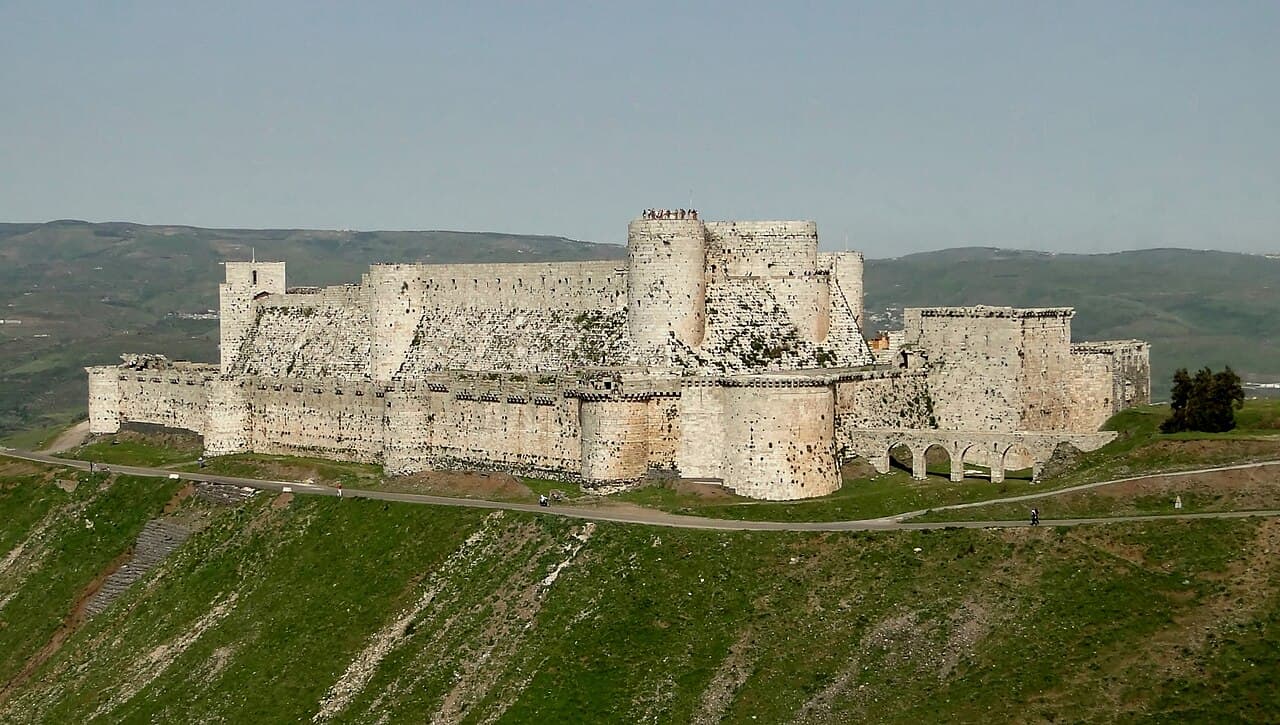
Krak des Chevaliers Castle, also known locally as Qalaat al-Hisn or Hisn al-Akrad, stands as one of the most iconic and well-preserved medieval military fortresses in the world. Located strategically between the cities of Tartus and Homs in Syria, it dominates the Homs Gap, a crucial corridor linking the Syrian interior with the Mediterranean coast. This castle is widely recognized as a symbol of the Crusader era, reflecting the military and architectural prowess of the Knights Hospitaller during the High Medieval period.
The origins of Krak des Chevaliers date back to 1031, when the first fortification was established by the Emir of Homs. This initial structure, known as Hisn al-Akrad or "Castle of the Kurds," was a modest fortress comprising a single enclosure that roughly corresponds to the castle's present inner ward. The castle's location on a prominent hill approximately 650 meters high provided commanding views over the surrounding landscape and the vital trade and military route through the Homs Gap.
Early crusader control and hospitaller transformation
During the First Crusade in 1099, the fortress was briefly captured by Raymond IV, Count of Toulouse, also known as Raymond de St. Gilles. However, this initial occupation lasted only about ten days, as the Crusader forces pressed onward toward Jerusalem. Permanent Crusader control was established in 1110 when Tancred, Prince of Galilee, seized the castle. In 1142, facing financial difficulties, Raymond II, Count of Tripoli, transferred ownership of Krak des Chevaliers to the Knights Hospitaller.
The Hospitallers embarked on a series of extensive building and fortification projects that transformed the castle into a formidable military stronghold. After suffering damage from two significant earthquakes in 1157 and 1169, the castle underwent major restoration starting in 1170. The Hospitallers fortified the castle's defenses, adapting it to the evolving demands of medieval siege warfare.
Architectural evolution and concentric fortifications
Around 1201, another earthquake caused substantial damage, prompting a comprehensive rebuilding campaign by the Hospitallers, who were then at the height of their power. This reconstruction included strengthening the western side of the castle, converting towers into circular forms for improved defense, and adding a talus—a sloping base wall designed to absorb and deflect siege impacts and provide earthquake resistance.
One of the most significant architectural enhancements was the construction of the outer ring wall, which converted Krak des Chevaliers into a classic example of a concentric castle. This outer curtain wall, approximately nine meters tall and three meters thick, featured seven large round towers projecting outward to offer overlapping fields of fire. The southern side, considered the most vulnerable, was heavily fortified with a curtain wall connecting three massive towers, reaching up to eight meters in thickness at its center. This defensive layout created multiple layers of protection, forcing attackers to overcome successive fortified barriers.
The castle's entrance was ingeniously designed with a zigzagging fortified passage about 137 meters long, equipped with murder holes and machicolations to expose attackers to relentless defensive fire. A deep moat-like ditch further enhanced the castle's defenses. Within the inner ward, vaulted chambers, living quarters for knights, and a large cistern supplied by an aqueduct ensured the castle could sustain prolonged sieges.
Military history and sieges
Krak des Chevaliers played a pivotal role in the Crusader states' military network. It successfully withstood a month-long siege by Saladin in 1188, a testament to its formidable defenses. The castle also resisted an attack by Nur ad-Din in 1163. However, in 1271, after a 36-day siege involving trebuchets, the fortress fell to the Mamluk Sultan Baibars. Historical accounts suggest the castle's surrender was influenced by a forged order purportedly from the Hospitaller Grand Master, instructing the garrison to capitulate.
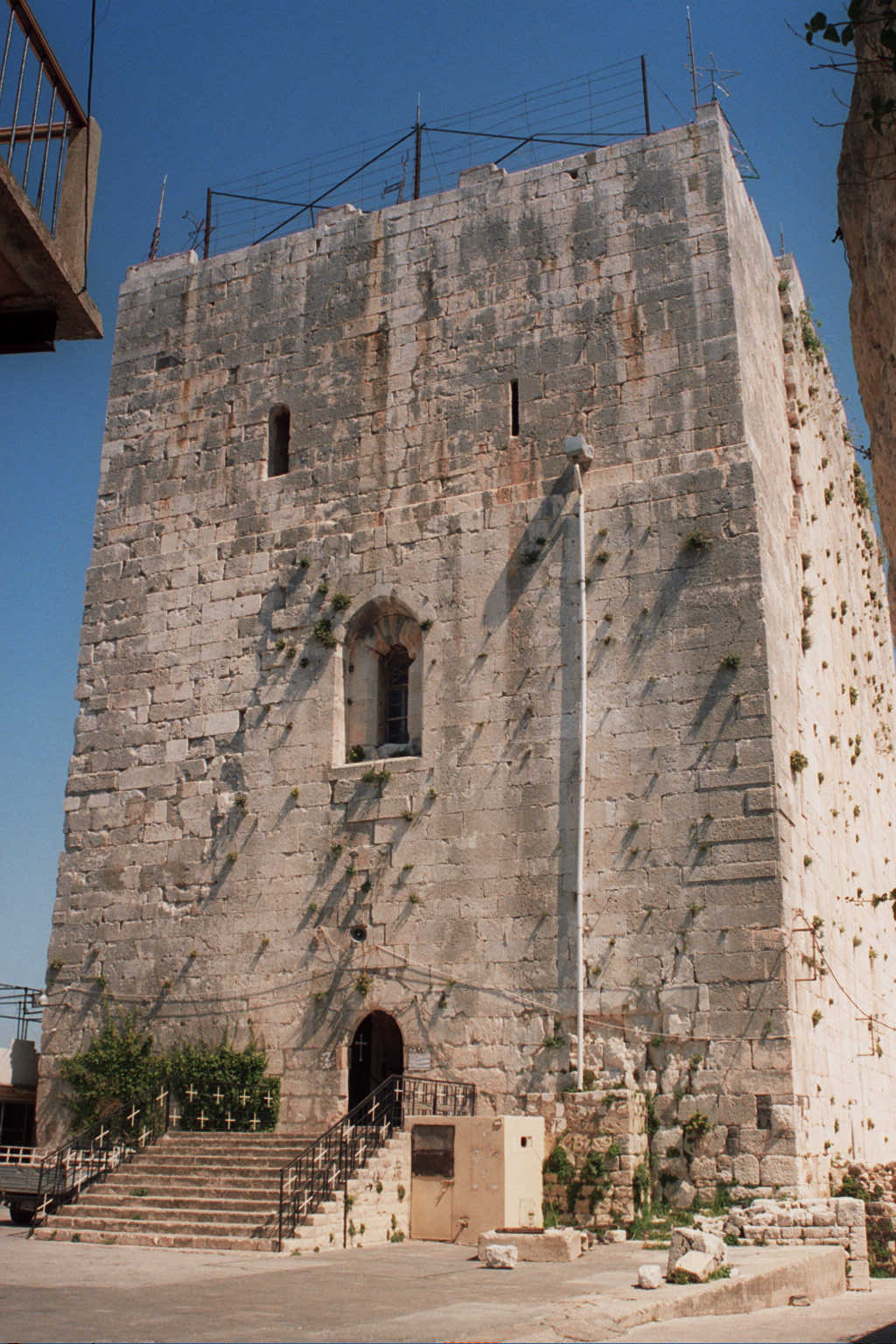
Following its capture, Baibars repaired the siege damage and repurposed the castle as a military base against the Crusader County of Tripoli. The Mamluks converted the Hospitaller chapel into a mosque, installing mihrabs to indicate the direction of Mecca. Sultan Al Mansur Qalawun added a square tower in the southern outer enclosure in 1285, further enhancing the fortress.
Later history and preservation efforts
Under Ottoman rule from 1516, Krak des Chevaliers gradually lost its strategic importance. By the 19th century, a small village had developed within the castle walls, causing damage to the historic structure. In 1927, the castle was acquired by the French state, which removed the village and initiated restoration efforts. After Syria's independence in 1947, the castle came under Syrian government management.
In 2006, Krak des Chevaliers was inscribed as a UNESCO World Heritage Site alongside nearby Qal’at Salah El-Din, recognizing its outstanding cultural and historical value. Despite suffering damage during the Syrian civil war, including shelling and airstrikes between 2012 and 2013, the castle was recaptured by government forces in 2014. Restoration and preservation efforts continue to safeguard this remarkable monument.
Architectural features and interior highlights
Inner ward and living quarters
The inner ward of Krak des Chevaliers, dating from the mid-12th century, is set on steep slopes that naturally protect most sides except the south. Its curtain wall is reinforced by square towers and encloses vaulted chambers, a central courtyard, and residential quarters. The southwestern tower served as the Grand Master's residence. The castle could house up to 2,000 knights at its peak, though the inner ward accommodated about 60 knights.
Chapel and religious art
A notable feature is the Romanesque chapel, rebuilt after the 1170 earthquake. This barrel-vaulted structure, approximately 21.5 meters long and 8.5 meters wide, is oriented east-west and ends in an apse. Fragments of Crusader-era frescoes, including depictions of the Presentation of Jesus at the Temple, survive despite damage from mold and smoke. The chapel was converted into a mosque following the Mamluk conquest, with the addition of mihrabs.
Outer defenses and water supply
The outer ward features a curtain wall with seven large round towers equipped with machicolations and arrow slits for comprehensive defensive coverage. The castle's water supply was secured by a large cistern in the southern outer ward, capable of sustaining the garrison during extended sieges. Latrines were cleverly integrated into the outer walls, demonstrating advanced medieval sanitary design.
Defensive innovations
Krak des Chevaliers exemplifies advanced medieval military architecture with features such as a talus for earthquake resistance, concentric walls for layered defense, a bent entrance to slow attackers, murder holes, and chemin de ronde (wall-walks) for defenders to patrol and launch counterattacks. The castle's design reflects the evolving art of fortification in the Crusader period.
Cultural significance and visitor experience
Today, Krak des Chevaliers remains a powerful symbol of Crusader military heritage and medieval fortification engineering. It attracts historians, architects, and tourists fascinated by its scale, preservation, and historical context. The castle occasionally hosts cultural events, though modern additions for these purposes can detract from the medieval ambiance.
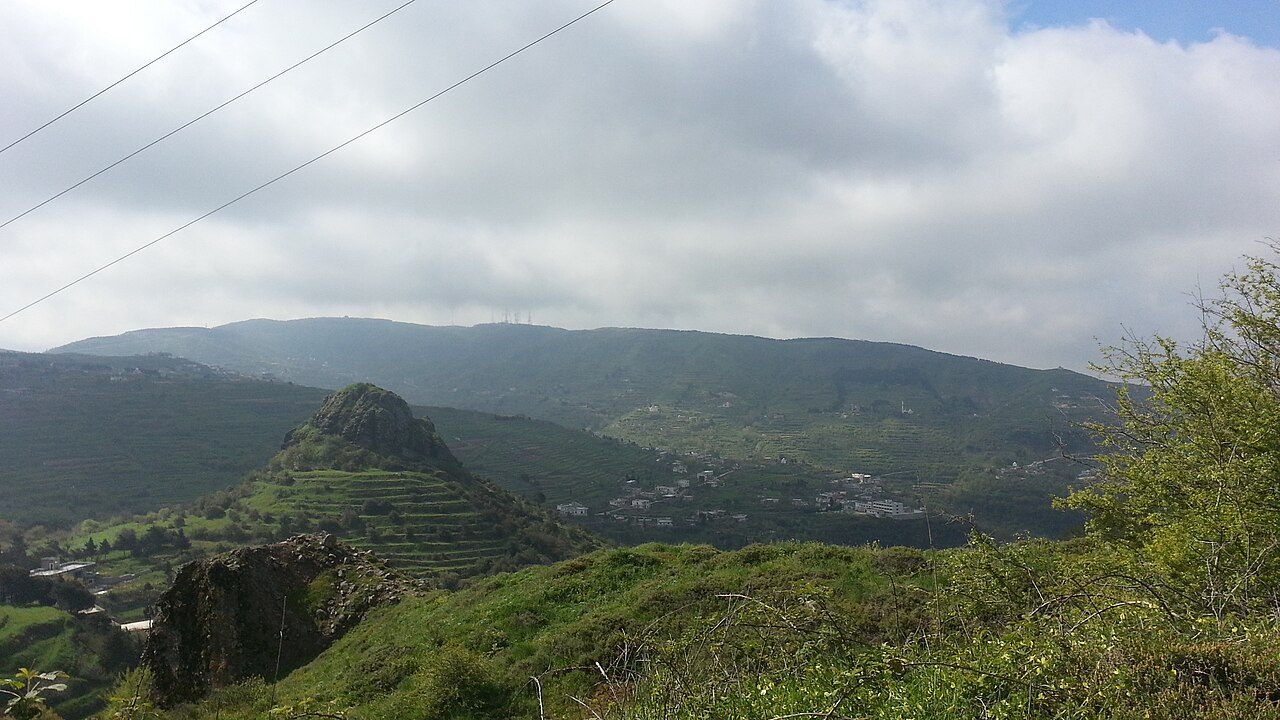
Visitors can explore the extensive walls, towers, and interiors, gaining insight into the life of knights and the strategic importance of the site. The castle's commanding views over the Homs Gap and surrounding landscape enhance its appeal as a historical monument and architectural marvel.
Frequently asked questions (FAQ)
- How do I get to Krak des Chevaliers Castle?
- Krak des Chevaliers Castle is located approximately 40 kilometers northwest of Homs in Syria. You can reach the castle by car or taxi from Homs, and there are also local buses that serve the area. The journey offers picturesque views of the surrounding landscape, making it a delightful trip.
- What is the historical significance of Krak des Chevaliers Castle?
- Krak des Chevaliers Castle is one of the best-preserved examples of a Crusader castle and has immense historical significance. Built in the 12th century, it served as a strategic stronghold during the Crusades and showcases the military architecture of the time. The castle is recognized as a UNESCO World Heritage site, highlighting its importance in medieval history.
- When was Krak des Chevaliers Castle built?
- Construction of Krak des Chevaliers Castle began in 1142 and continued over several decades, with significant enhancements made in the 13th century. The castle was primarily built by the Knights Hospitaller, who expanded its fortifications to create an imposing military stronghold. Its design reflects the architectural innovations of the medieval period.
- Can I visit Krak des Chevaliers Castle year-round?
- Yes, Krak des Chevaliers Castle is open to visitors year-round, although access may vary depending on local conditions and any ongoing restoration work. It is advisable to check local travel advisories or contact local tourism offices for the latest updates before planning your visit. The site is particularly stunning in the spring and autumn when the weather is mild.
- Why is Krak des Chevaliers Castle considered an architectural marvel?
- Krak des Chevaliers Castle is considered an architectural marvel due to its impressive fortifications, including massive stone walls, towers, and a complex system of gates. The castle's design incorporates elements from different periods and cultures, showcasing the engineering expertise of the Crusaders. Its strategic location and military architecture reflect its historical importance in the region.
- Is it possible to explore the interior of Krak des Chevaliers Castle?
- Yes, visitors can explore the interior of Krak des Chevaliers Castle, which includes various rooms, towers, and extensive fortifications. Guided tours are often available, providing insights into the castle's history and architecture. Be prepared for some steep climbs and uneven surfaces as you navigate through this historic site.
- What are the opening hours for Krak des Chevaliers Castle?
- The opening hours for Krak des Chevaliers Castle can vary depending on the season, but it typically opens around 9 AM and closes at 5 PM. During peak tourist seasons, the hours may be extended to accommodate more visitors. It’s recommended to check the official website or local sources for the most current hours before your visit.
- What are the ticket prices for visiting Krak des Chevaliers Castle?
- Ticket prices for Krak des Chevaliers Castle are generally very reasonable, with discounts available for students and children. As prices can change, it is best to check with local tourism offices or at the entrance for the latest information. The small fee contributes to the maintenance and preservation of this historic site.
- Are there any nearby attractions to visit while at Krak des Chevaliers Castle?
- Yes, there are several nearby attractions worth visiting, including the ancient city of Homs and the scenic landscapes of the surrounding mountains. The nearby ruins of the ancient city of Apamea are also a popular destination for history enthusiasts. Exploring these sites can enhance your understanding of the region’s rich history and culture.
Photo gallery

Information
Loading map...
Visitor reviews
No reviews yet. Been here? Write the first review and help other travelers!
Write the first reviewVisited this castle? Share your experience
Your review helps other travelers and adds first-hand knowledge to our encyclopedia.