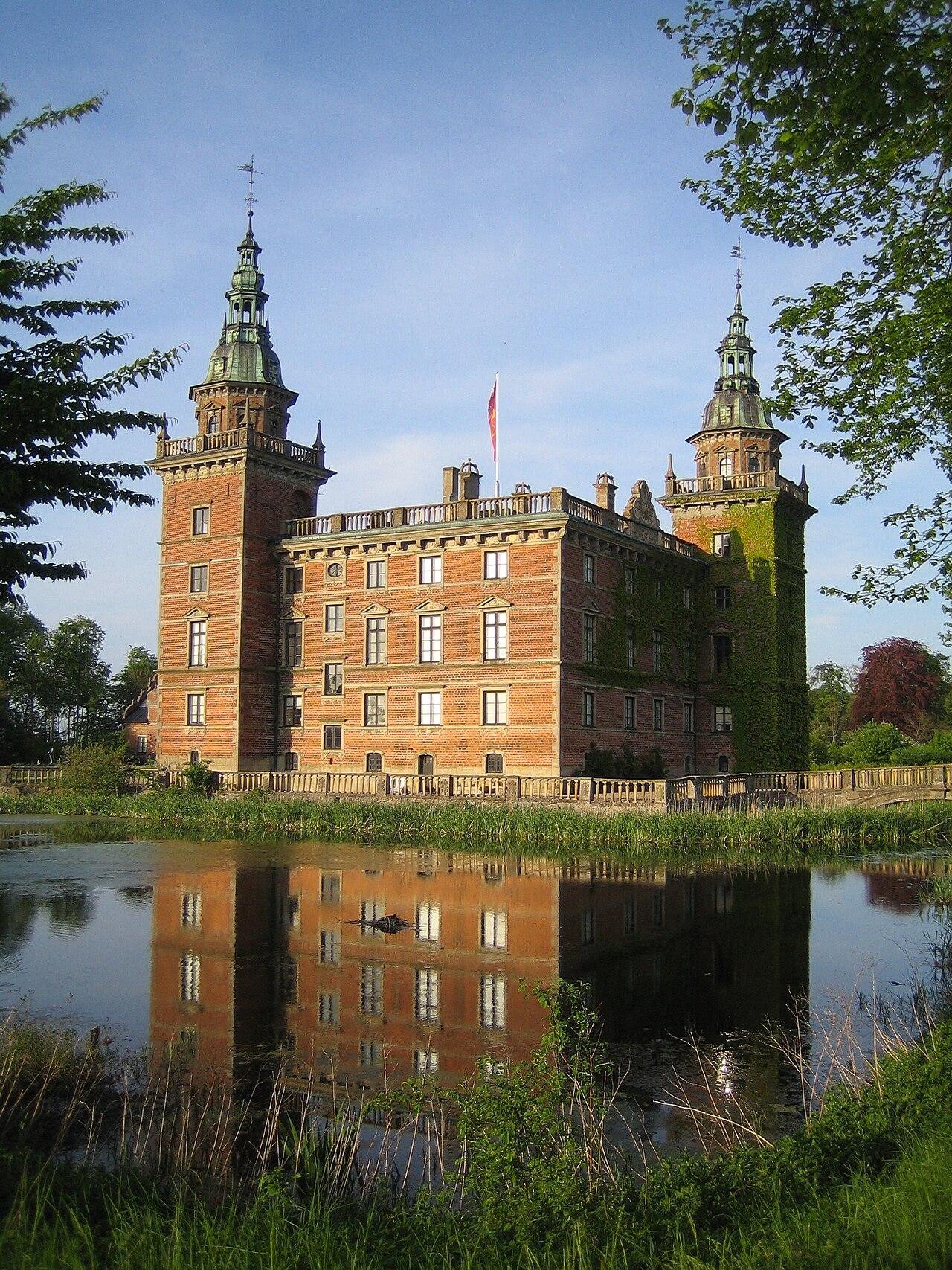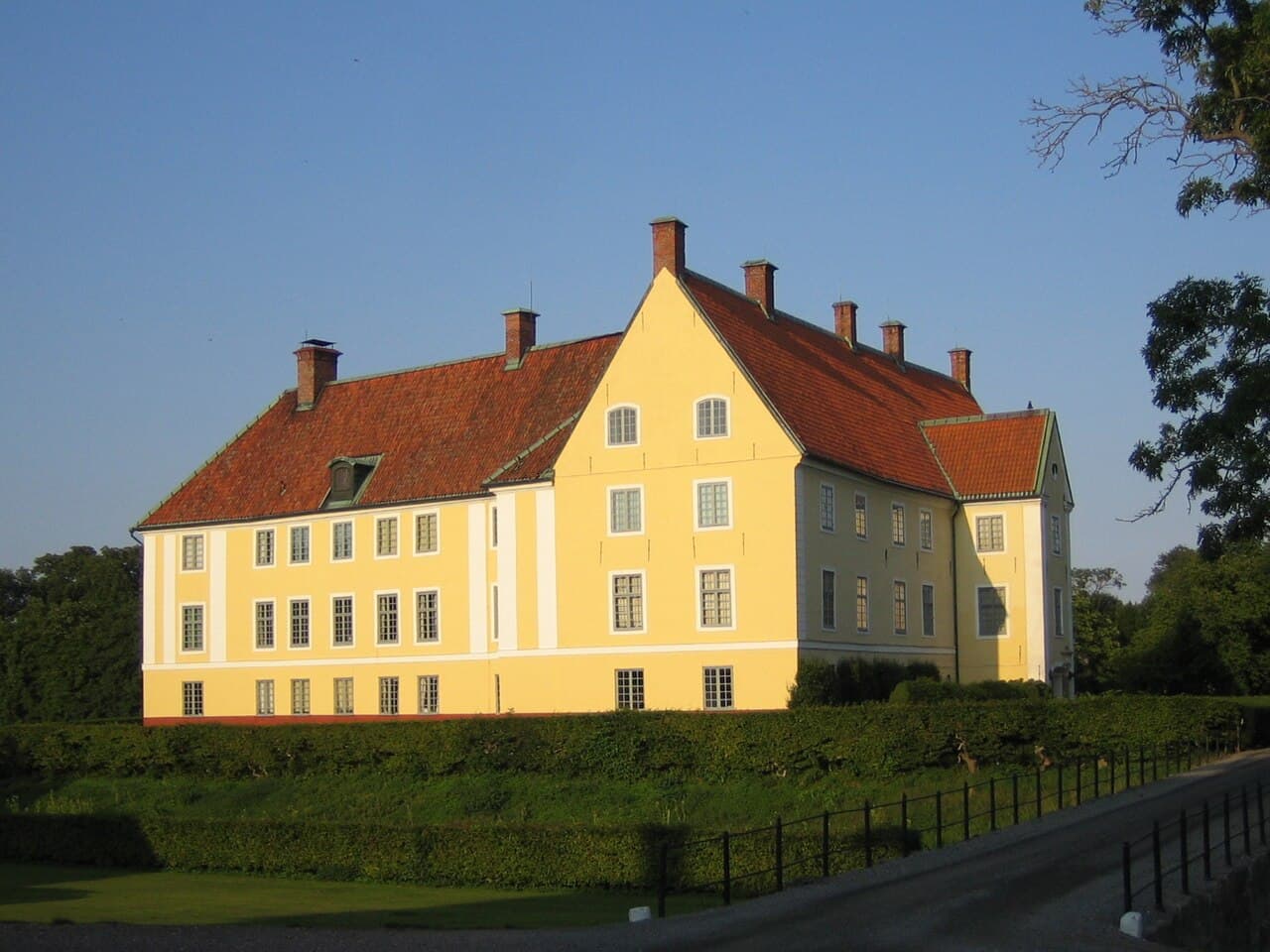
Krageholm Castle
Krageholm Castle, located in Ystad Municipality in the province of Scania, Sweden, is a prominent example of a Renaissance hill castle with a rich history spanning several centuries. The estate's origins trace back to the 14th century when it was owned by the noble Due family. Over the following centuries, ownership passed through notable Scandinavian noble families including the Tott and Brahe families, reflecting the shifting political and social landscape of medieval and early modern Sweden.
Early history and noble ownership
The estate first gained prominence during the Middle Ages as a significant noble holding. By the 17th century, in 1642, ownership was transferred to Otto Marsvin, a distinguished nobleman of the time. The castle's strategic location and fortifications made it a target during the frequent conflicts between Sweden and Denmark, particularly during the reign of King Carl XI in the late 17th century. The estate sustained damage during these wars, which necessitated significant restoration and rebuilding efforts in the following decades.
Architectural evolution and 18th-century transformation
The current appearance of Krageholm Castle largely dates from the 1720s, when the estate underwent major reconstruction under the ownership of Carl Piper, who acquired it in 1704. This period saw the castle transformed into a refined residence reflecting the Renaissance architectural style with influences from the early Baroque period, characterized by symmetry, proportion, and classical details.
The castle complex consists of a main building flanked by two annexes, all surrounded by a protective moat and set within a landscaped park. This layout is typical of noble estates of the period, combining defensive features with elegant residential and ceremonial spaces.
St. Paul's Chapel
One of the most significant architectural features of the castle is St. Paul's Chapel, located in the east wing. Designed by the renowned Swedish architect Tessin the Younger, the chapel was inaugurated in 1723. It exemplifies early 18th-century ecclesiastical architecture with refined detailing and serves as a testament to the cultural and religious importance of the estate's owners.
Later ownership and preservation
Following the 18th-century renovations, the estate remained in the possession of the Piper family for most of the subsequent centuries. However, between 1897 and 1930, the estate briefly returned to the hands of the Brahe family, marking a notable chapter in its ownership history. Throughout this time, the castle has been preserved as a private estate, maintaining much of its historical character and architectural integrity.
Cultural and historical significance
The grounds of Krageholm Castle include two Viking Age runestones located near the southern entrance in the castle park. These ancient artifacts provide a tangible link to the region's early medieval past and highlight the long-standing historical importance of the site.
Today, Krageholm Castle stands as a well-preserved example of a Renaissance hill castle in southern Sweden, offering insights into the architectural styles, noble lifestyles, and historical events that shaped the region over several centuries.
Photo gallery

Information
Website
Visit websiteSources & official resources
Verify the information above using these authoritative references.
Loading map...
Visitor reviews
No reviews yet. Been here? Write the first review and help other travelers!
Write the first reviewVisited this castle? Share your experience
Your review helps other travelers and adds first-hand knowledge to our encyclopedia.