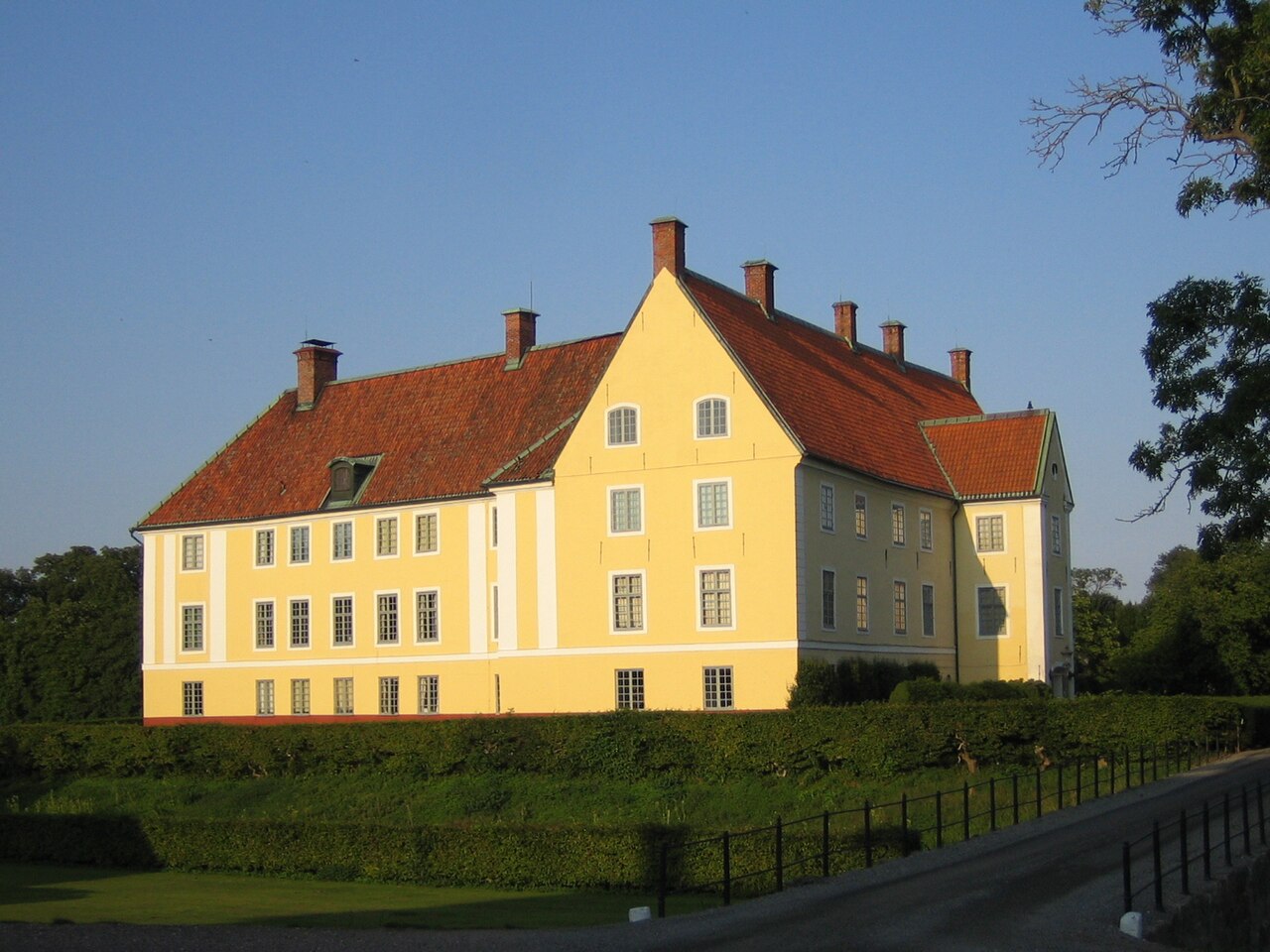
Bjärsjöholm Castle

Bjärsjöholm Castle: a Renaissance manor with Romantic additions in Ystad
Ystad, Sweden
Renaissance (15th–17th c.)
Partially Preserved

Bjärsjöholm Castle, located near Ystad, Sweden, is a notable example of Renaissance architecture originating from the 16th century. The estate's history stretches back to the Middle Ages, with archaeological excavations revealing a manor existing on the site well before the castle's documented origins. The first recorded mention of the estate dates to 1344, establishing its long-standing presence in the region.

Historical ownership and development

Throughout its history, Bjärsjöholm has been owned by several prominent families, including the Munk, Rotfeld, Kaas, Ugerup, and Thott families, reflecting its significance in Swedish noble circles. In 1668, the estate was acquired by Ebba Brahe, the wife of Jacob de la Gardie, a notable Swedish statesman and military leader. Following the de la Gardie family, ownership passed to figures such as War Marshal Otto Wilhelm Königsmarck, highlighting the castle's connection to important military and political personalities.

Architectural features of the original castle

The original Bjärsjöholm Castle was designed as a Renaissance manor consisting of four brick buildings arranged around a central courtyard. This layout was typical for the period, emphasizing both defense and residential comfort. Today, only two of these original buildings remain, as extensive renovations and partial demolitions have altered the estate's structure over the centuries.

Renovations and preservation

In 1890, one of the Renaissance buildings underwent significant renovations due to deterioration, during which only the gables of the original structure were preserved. This partial preservation reflects challenges in maintaining historic brick structures exposed to the Scandinavian climate.

The bergsjöholm castle addition

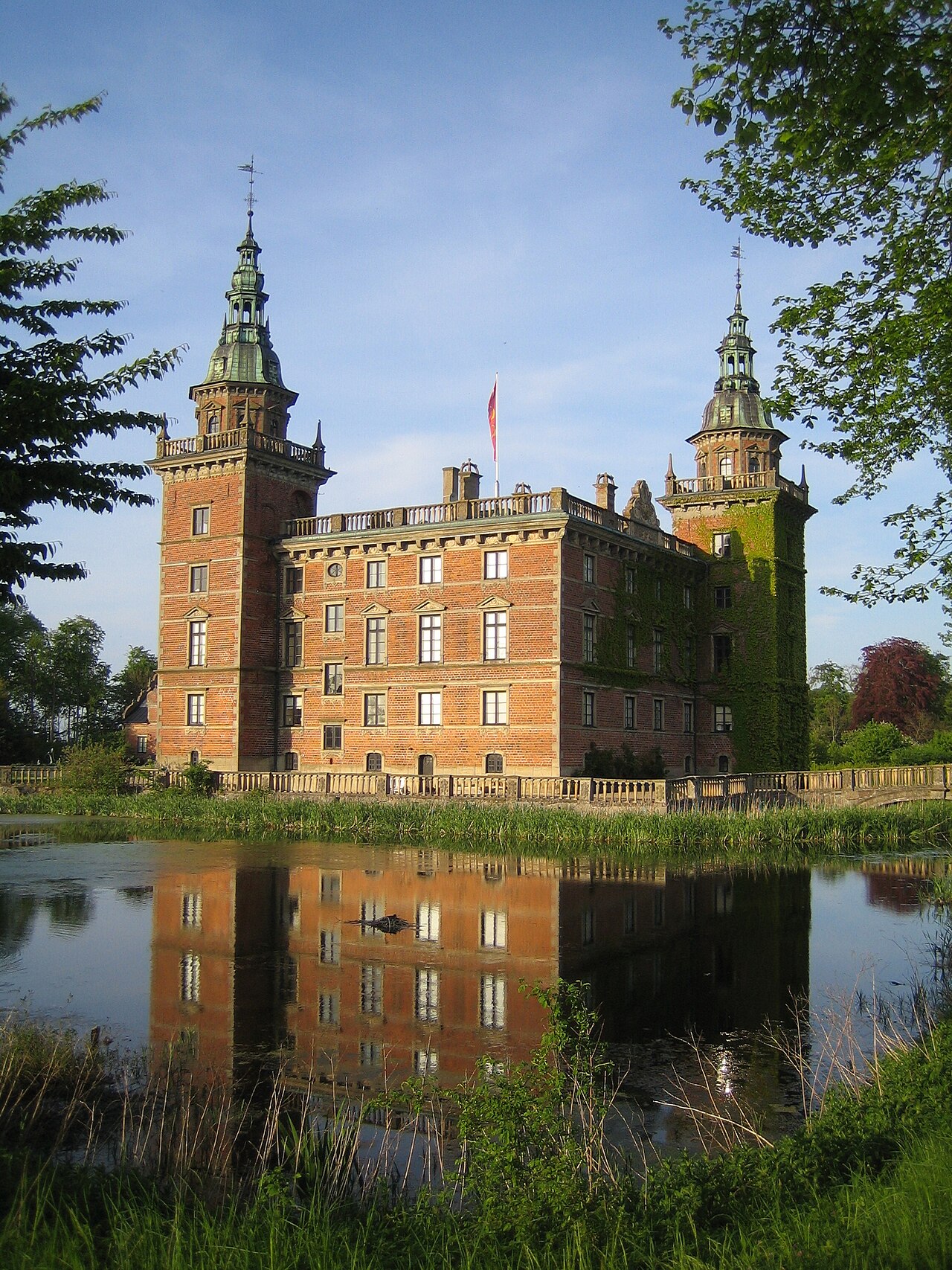
Near the original estate stands the Bergsjöholm Castle, a later addition built between 1849 and 1850. This structure represents a distinct Romantic German architectural style, contrasting with the Renaissance origins of the old castle. Situated on a hill just south of the original manor, Bergsjöholm Castle is a three-story building flanked by two square towers, embodying the 19th-century fascination with medieval and romantic aesthetics.

Architectural significance

The juxtaposition of the Renaissance manor and the Romantic Bergsjöholm Castle provides a unique architectural narrative, showcasing evolving tastes and influences over several centuries. The newer castle's prominent towers and elevated position enhance its visual dominance in the landscape, while the original castle's brick courtyard layout reflects functional design priorities of the Renaissance era.

Cultural and historical importance

Bjärsjöholm Castle holds cultural significance as a witness to Sweden's noble history and architectural evolution. Its association with prominent historical figures and families adds to its heritage value. The estate's layered history, from medieval origins through Renaissance construction to 19th-century Romantic additions, offers insights into regional development and aristocratic lifestyle in southern Sweden.

Visitor experience and preservation status

Today, Bjärsjöholm Castle is recognized as a partially preserved Renaissance castle with significant historical layers. Visitors can appreciate the surviving architectural elements and the contrasting styles of the original manor and the Bergsjöholm addition. Preservation efforts focus on maintaining the remaining Renaissance structures and the distinctive features of the Romantic castle, ensuring the estate's legacy endures.

Information

Lowland Castle

Loading map...

Visitor reviews

No reviews yet. Been here? Write the first review and help other travelers!

Write the first review

Visited this castle? Share your experience

Your review helps other travelers and adds first-hand knowledge to our encyclopedia.
Write a review

(5/5)

0/2000 characters

Your review will be visible after admin approval

Nearby castles

4.6 km
Marsvinsholm Castle — Sweden castle

Marsvinsholm Castle

Ystad, Sweden

Marsvinsholm Castle is a notable Renaissance hill castle located in Ystad Municipality, Scania, in southern Sweden. It stands approximately 12 kilometres from the town of Ystad, offering a unique glimpse into Sweden's architectural and noble heritage. The castle's origins trace back to the early 12th century, when the estate was known by names such as Bosöe, Borsöe, and Bordsyö, reflecting its long-standing presence in the region. Early history and ownership By the mid-14th century, the estate was held by the Ulfeld family, a notable noble lineage. Ownership changed hands several times over the centuries, passing through prominent families including the Thott, von Königsmarck, de la Gardie, Sjöblad, Ruuth, Piper, Tornerhielm, and Wachtmeister. This succession of noble families reflects the castle's importance as a regional seat of power and influence. Construction and architectural features The castle as it stands today was constructed between 1644 and 1648 by Otto Marsvin, who acquired the estate around 1630 and renamed it after himself. The name Marsvinsholm derives from an Old Norse word for porpoise, linking the castle to maritime heritage. Originally, the castle was built on wooden poles in a small lake, a distinctive feature that underscores its defensive and aesthetic design. The structure forms a square spanning four floors, with its northeast and southwest corners reinforced by five-story towers. These towers not only enhanced the castle's defensive capabilities but also contributed to its imposing silhouette. The castle's layout and construction techniques are characteristic of the Renaissance architectural style prevalent in northern Europe during the mid-17th century. Renovations and restorations Significant renovations were undertaken between 1782 and 1786 under Count Erik Ruuth, who modernized and expanded the castle's facilities. Later, in 1856-1857, Baron Jules Sjöblad carried out restorations that preserved much of the castle's Renaissance character while adapting it to contemporary needs. Later ownership and current status In 1854, Count Carl Wachtmeister sold the castle and its remaining lands to Baron Jules Stjernblad. The estate then passed to his daughter, Duchess Ida Eherensvärd, and subsequently to her children, who owned it until 1910. It was sold to Dame Johannes Jahennesen, and later inherited by his daughter Anna Margrethe and her husband Jörgen Wedelboe-Larsen. Their son sold the property in 1978 to Bengt Iacobaeus, and it remains in the family, currently owned by Tomas Iacobaeus. Architectural significance and cultural heritage Marsvinsholm Castle stands as an example of Renaissance architecture adapted to the Swedish landscape, combining defensive features with residential grandeur. The castle's square plan, multi-story towers, and construction on poles in a lake highlight innovative building techniques of the period. Its enduring presence and the lineage of noble owners contribute to its cultural and historical value in the region. Structural elements and design The castle's four-story main building is complemented by two prominent five-story towers at opposite corners, which were likely used for both defense and as status symbols. The original foundation on wooden poles in a lake is a rare feature that demonstrates adaptation to the local environment and defensive needs. Landscape and surroundings The castle is set within a landscape typical of southern Sweden, with water features that historically enhanced its defense and aesthetic appeal. Its proximity to Ystad places it within a region rich in history and medieval architecture.

Renaissance (15th–17th c.)
Details
4.7 km
Krageholm Castle — Sweden castle

Krageholm Castle

Ystad, Sweden

Krageholm Castle, located in Ystad Municipality in the province of Scania, Sweden, is a prominent example of a Renaissance hill castle with a rich history spanning several centuries. The estate's origins trace back to the 14th century when it was owned by the noble Due family. Over the following centuries, ownership passed through notable Scandinavian noble families including the Tott and Brahe families, reflecting the shifting political and social landscape of medieval and early modern Sweden. Early history and noble ownership The estate first gained prominence during the Middle Ages as a significant noble holding. By the 17th century, in 1642, ownership was transferred to Otto Marsvin, a distinguished nobleman of the time. The castle's strategic location and fortifications made it a target during the frequent conflicts between Sweden and Denmark, particularly during the reign of King Carl XI in the late 17th century. The estate sustained damage during these wars, which necessitated significant restoration and rebuilding efforts in the following decades. Architectural evolution and 18th-century transformation The current appearance of Krageholm Castle largely dates from the 1720s, when the estate underwent major reconstruction under the ownership of Carl Piper, who acquired it in 1704. This period saw the castle transformed into a refined residence reflecting the Renaissance architectural style with influences from the early Baroque period, characterized by symmetry, proportion, and classical details. The castle complex consists of a main building flanked by two annexes, all surrounded by a protective moat and set within a landscaped park. This layout is typical of noble estates of the period, combining defensive features with elegant residential and ceremonial spaces. St. Paul's Chapel One of the most significant architectural features of the castle is St. Paul's Chapel, located in the east wing. Designed by the renowned Swedish architect Tessin the Younger, the chapel was inaugurated in 1723. It exemplifies early 18th-century ecclesiastical architecture with refined detailing and serves as a testament to the cultural and religious importance of the estate's owners. Later ownership and preservation Following the 18th-century renovations, the estate remained in the possession of the Piper family for most of the subsequent centuries. However, between 1897 and 1930, the estate briefly returned to the hands of the Brahe family, marking a notable chapter in its ownership history. Throughout this time, the castle has been preserved as a private estate, maintaining much of its historical character and architectural integrity. Cultural and historical significance The grounds of Krageholm Castle include two Viking Age runestones located near the southern entrance in the castle park. These ancient artifacts provide a tangible link to the region's early medieval past and highlight the long-standing historical importance of the site. Today, Krageholm Castle stands as a well-preserved example of a Renaissance hill castle in southern Sweden, offering insights into the architectural styles, noble lifestyles, and historical events that shaped the region over several centuries.

Renaissance (15th–17th c.)
Details
5.9 km

Charlottenlund Castle

Ystad, Sweden

Charlottenlund Castle, located approximately eight kilometres west of Ystad in southern Sweden, is a notable example of 19th-century manor architecture inspired by medieval styles. Constructed in 1849, the castle presents a blend of historicism with a strong influence from the Romanesque revival style, which was popular in the mid-19th century. This architectural approach sought to evoke the solidity and grandeur of medieval European castles and churches, characterized by rounded arches, robust masonry, and symmetrical façades. Architectural style and features The design of Charlottenlund Castle reflects the Romanesque revival style, evident in its rounded arch windows and doors, thick walls, and simple yet imposing structural forms. Unlike authentic medieval castles, Charlottenlund was built as a stately home rather than a fortress, emphasizing aesthetic appeal and comfort over military defense. The manor's exterior is marked by clean lines and restrained ornamentation, typical of Romanesque-inspired architecture, which contrasts with the more elaborate Gothic revival style prevalent elsewhere in Europe during the same period. The castle is surrounded by landscaped gardens that enhance its picturesque setting. These gardens are designed to complement the manor's architectural style, featuring carefully planned pathways, ornamental plantings, and open green spaces that provide a tranquil environment. The integration of the natural landscape with the built environment is a hallmark of 19th-century estate design. Historical context and significance Built in the mid-19th century, Charlottenlund Castle represents the era's fascination with medieval architecture and romanticized notions of the past. This period saw many European aristocrats and wealthy landowners constructing country estates that reflected historical styles, blending functionality with cultural symbolism. While not a medieval fortress, Charlottenlund embodies the historicist movement that sought to preserve and reinterpret architectural traditions. The castle has remained a significant cultural site in the region, housing an excellent collection of Nordic art. This collection includes paintings, sculptures, and decorative arts that highlight the artistic heritage of Scandinavia. The manor also contains a fine library, supporting scholarly research and cultural activities. These collections make Charlottenlund an important center for Nordic cultural preservation. Current use and visitor information Today, Charlottenlund Castle functions as a cultural venue and private residence. Although it is not a public museum, guided tours are available for groups by prior arrangement, allowing visitors to explore the manor's interiors, art collections, and grounds. The tours provide insight into the castle's architectural features, historical background, and the significance of its art holdings. The castle's location near Ystad makes it accessible for visitors interested in exploring southern Sweden's rich cultural landscape. The surrounding countryside offers scenic views and opportunities for outdoor activities, complementing the cultural experience of visiting the manor. Architectural details and preservation Charlottenlund Castle has been well preserved since its construction, maintaining its original architectural integrity. The building's condition is classified as well preserved, with ongoing maintenance ensuring the longevity of its structural and decorative elements. The manor's preservation allows it to serve as a valuable example of 19th-century Romanesque revival architecture in Sweden. The castle's layout includes several key features typical of manorial estates of the period, such as a grand entrance, reception halls, private chambers, and service areas. The interior design complements the exterior style, often featuring period-appropriate furnishings and decorative motifs that reflect the historicist aesthetic.

Modern (19th–20th c.)
Details