Bellinga Castle
Bellinga Castle, located near the town of Ystad in Sweden, is a historic estate with origins dating back to the 14th century. The castle was first documented in 1346, marking it as a site with a long-standing presence in the region's history. During the 16th century, it served as a seat farm for the nearby Sövdeborg Castle, indicating its role within the local feudal and agricultural landscape.
Historical background and ownership
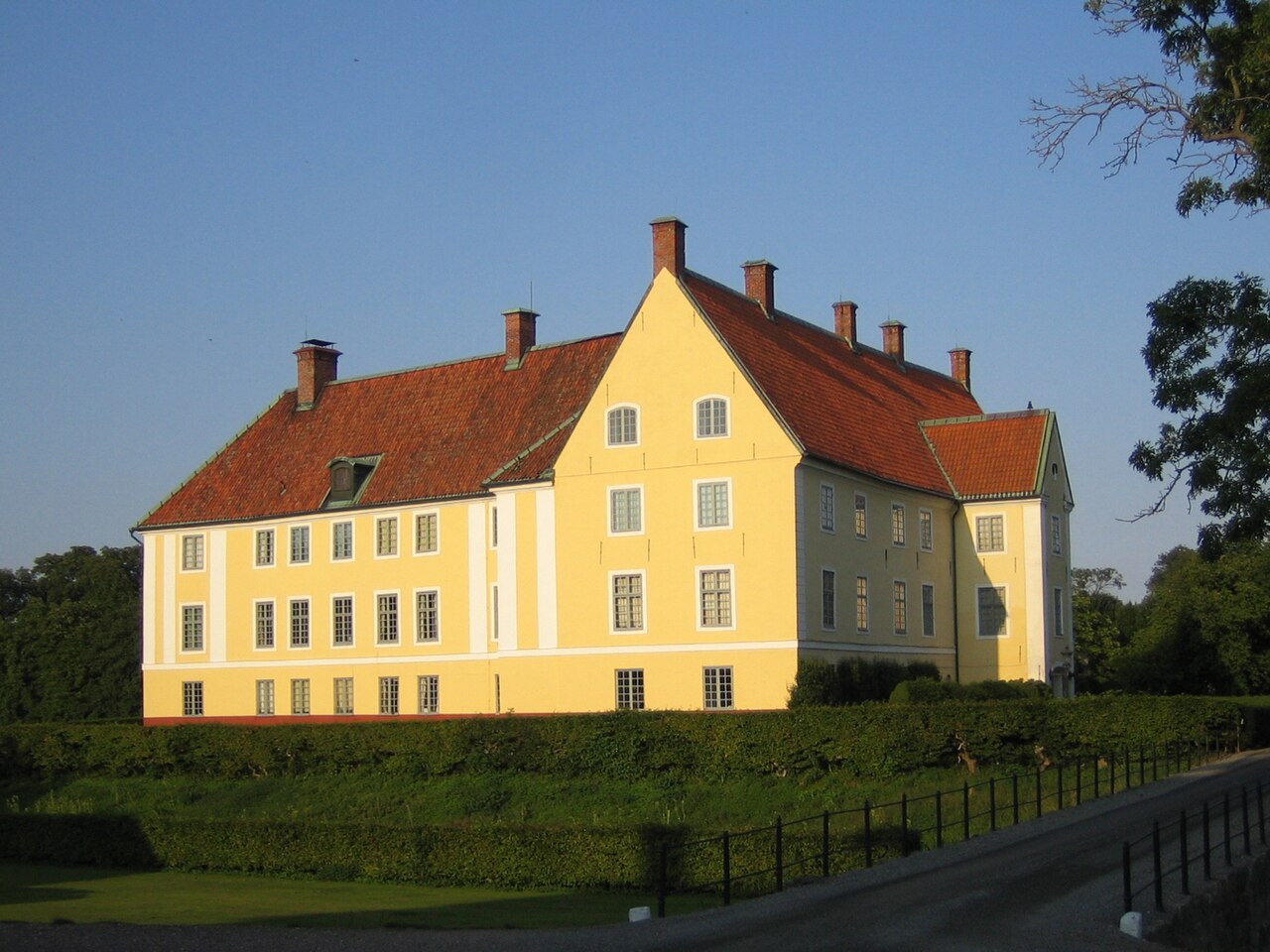
The estate underwent significant transformation in the 1860s when it came under the ownership of the Piper family. Elizabeth Piper and her husband, Carl Fredrik Hochschild, were responsible for constructing the current main building. This structure reflects the architectural trends of its time, designed in a manor house style rather than a traditional medieval fortress.
Architectural features and style
The present building at Bellinga Castle is characterized by its 19th-century manor architecture, which typically includes a symmetrical facade, large windows, and a pitched roof, designed more for residential comfort and aesthetic appeal than for defensive purposes. The castle does not retain medieval fortifications such as battlements or moats, which aligns with its function as a manor rather than a military stronghold.
Main building and estate layout
The main building, constructed in the 1860s, serves as the centerpiece of the estate. It likely features formal reception rooms, private chambers, and service areas typical of manor houses of that period. The surrounding grounds would traditionally include gardens, parkland, and agricultural land, supporting the estate's role as a seat farm historically.
Current status and accessibility
Today, Bellinga Castle remains in private ownership and is not open to the public. Its private status means that the estate is preserved as a residence rather than a tourist site, limiting access but also protecting its historical integrity.
Significance in regional history
While not a fortress in the medieval sense, Bellinga Castle represents the evolution of noble estates in southern Sweden from feudal agricultural centers to stately homes reflecting 19th-century tastes and lifestyles. Its continuous ownership by prominent families like the Pipers and Hochschilds ties it to the social history of the region.
Despite the limited public access, Bellinga Castle contributes to the cultural landscape of Skåne County and offers insight into the architectural and social developments of Swedish manor houses in the 19th century.
Frequently asked questions (FAQ)
- Can I visit Bellinga Castle?
- Bellinga Castle is privately owned and not open to the public, so visits are not permitted.
- When was Bellinga Castle originally built?
- The castle was first mentioned in historical records in 1346, with the current manor-style building constructed in the 1860s.
- What architectural style is Bellinga Castle?
- The main building reflects 19th-century manor architecture, characterized by a residential manor house style rather than medieval fortifications.
- Who owns Bellinga Castle today?
- Since the 1860s, Bellinga Castle has been owned by the Piper family and remains in private ownership.
- What was Bellinga Castle's role in the 16th century?
- In the 16th century, Bellinga Castle served as a seat farm for the nearby Sövdeborg Castle, indicating its agricultural and administrative function.
Information
Current owner
Private owner
Loading map...
Visitor reviews
No reviews yet. Been here? Write the first review and help other travelers!
Write the first reviewVisited this castle? Share your experience
Your review helps other travelers and adds first-hand knowledge to our encyclopedia.