Kozukue Castle
Kozukue Castle (小机城, Kozukue-jō) represents the earthly remains of a late medieval Japanese castle located in the Kozukue area of Kōhoku-ku ward, Yokohama, Kanagawa Prefecture. Constructed in the 15th century, this castle played a strategic role during the turbulent Sengoku period, a time defined by frequent military conflicts among feudal lords.
Historical background and significance
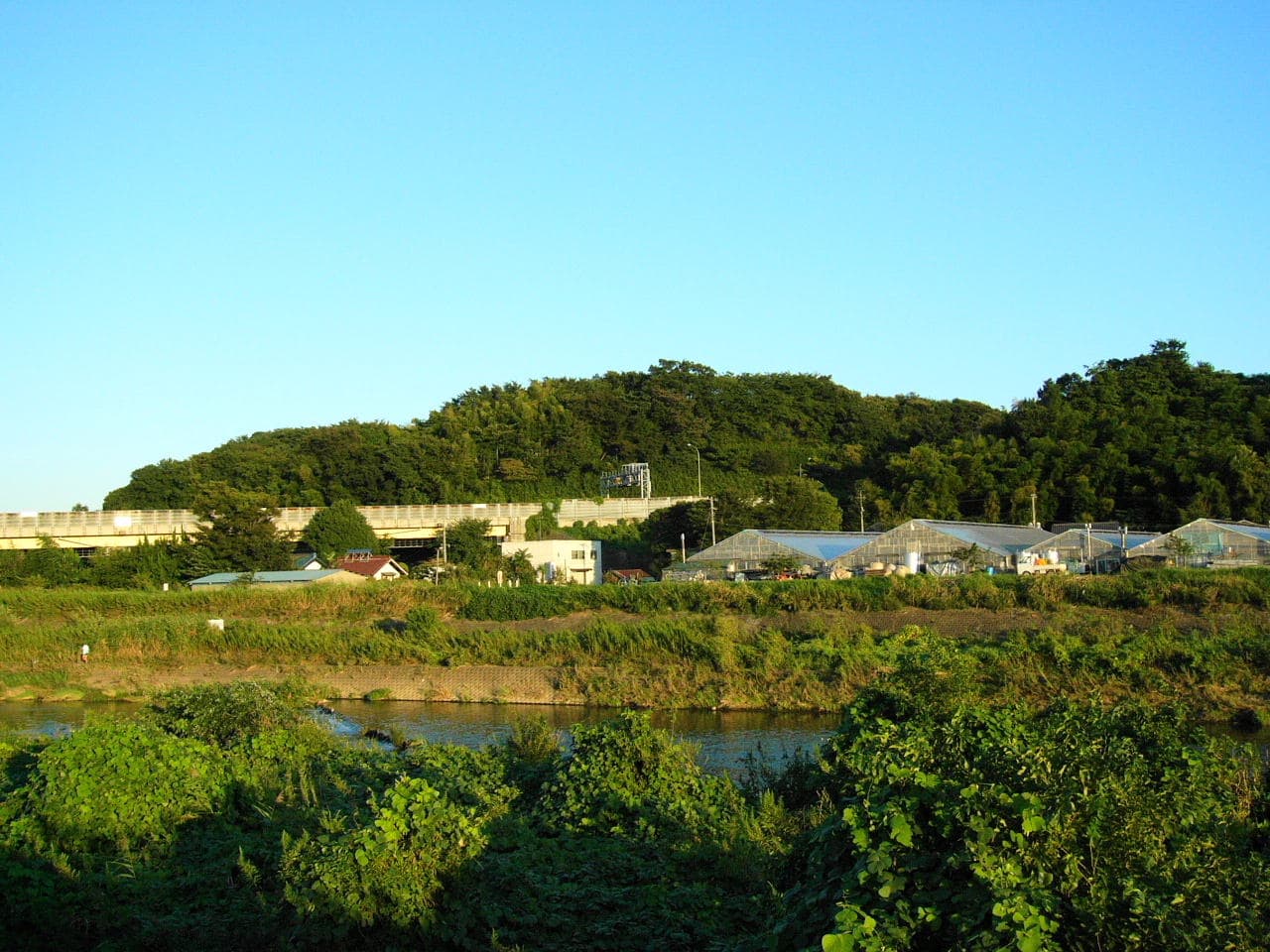
The castle was built during the Muromachi period, specifically in the late medieval era, a period marked by the rise of regional warlords and the need for fortified structures to defend territories. Kozukue Castle was originally controlled by the Uesugi clan, a powerful samurai family influential in the Kantō region. Its location near the Tsurumi River and close to important transportation routes enhanced its strategic value.
Throughout its history, Kozukue Castle witnessed several sieges and military engagements, especially during the Sengoku period (1467–1615), when the Kantō region was a hotbed of conflict. The castle's defenses were designed to withstand attacks from rival clans, reflecting the military architecture of the time.
Architectural features and layout
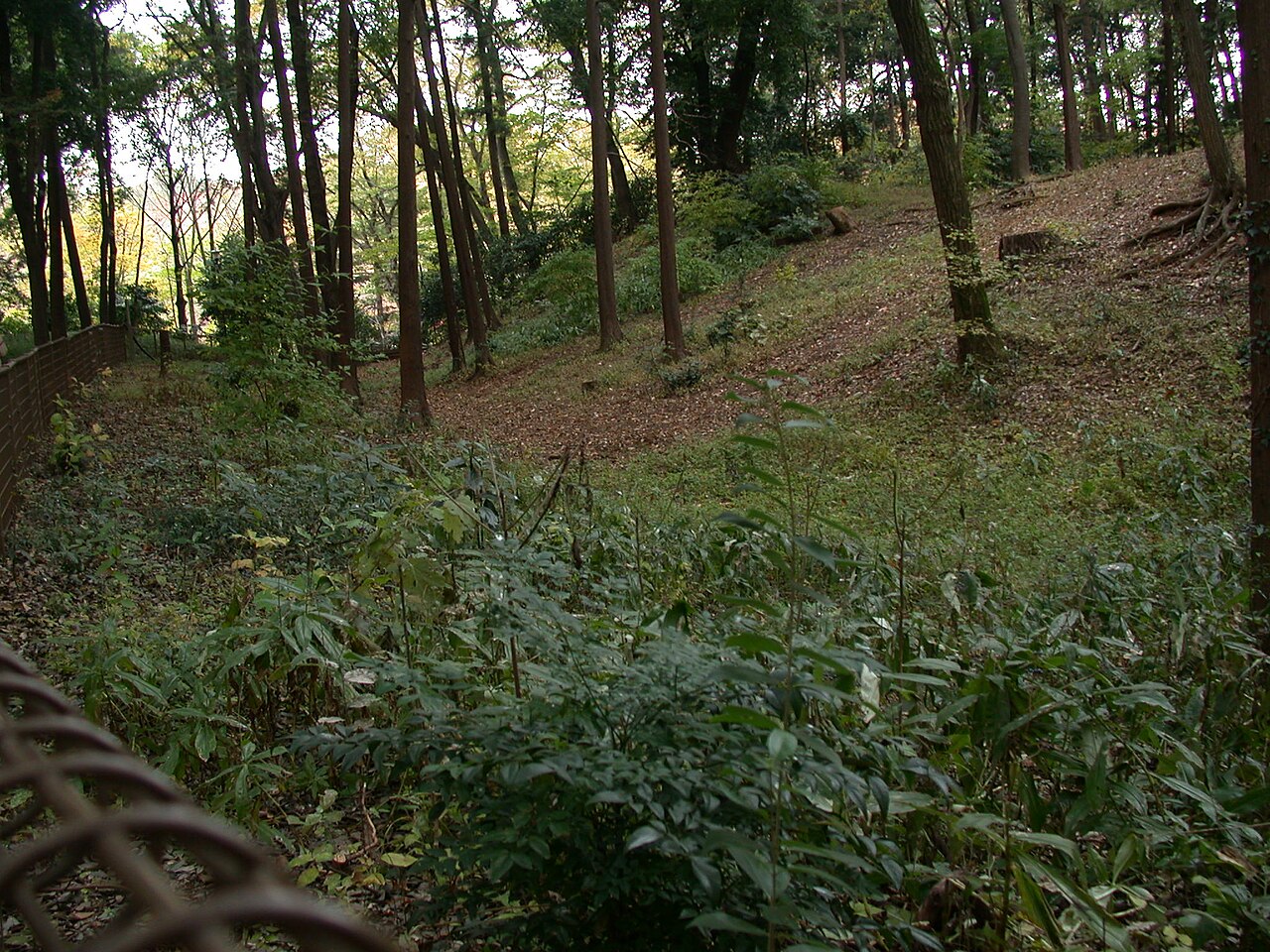
Kozukue Castle was a hirayama-style castle, built on a low hill to maximize natural defensive advantages. The castle's layout included multiple baileys (kuruwa) protected by earthen walls and dry moats, typical of Japanese fortifications of the period. The main enclosure (honmaru) was situated at the highest point, surrounded by secondary enclosures that housed residences, storehouses, and defensive structures.
Although the castle is now in ruins, archaeological excavations have revealed the foundations of stone walls, remnants of earthen ramparts, and traces of moats. These features illustrate the castle's defensive strategy, which relied on natural terrain augmented by man-made barriers. The absence of a large stone keep (tenshu) aligns with many regional castles of the late medieval period, focusing more on earthworks and wooden fortifications.
Defensive structures
The castle's defensive system included multiple layers of protection, such as dry moats and earthen embankments, designed to slow down enemy forces. The baileys were connected by narrow pathways that could be easily defended. The strategic placement of gates and watchtowers allowed for surveillance of approaching enemies.
Decline and current status
Kozukue Castle fell into disuse after the unification of Japan under the Tokugawa shogunate in the early 17th century, as many regional fortifications were dismantled or abandoned. Today, the site is classified as archaeological ruins and is protected as a cultural heritage site by local authorities.
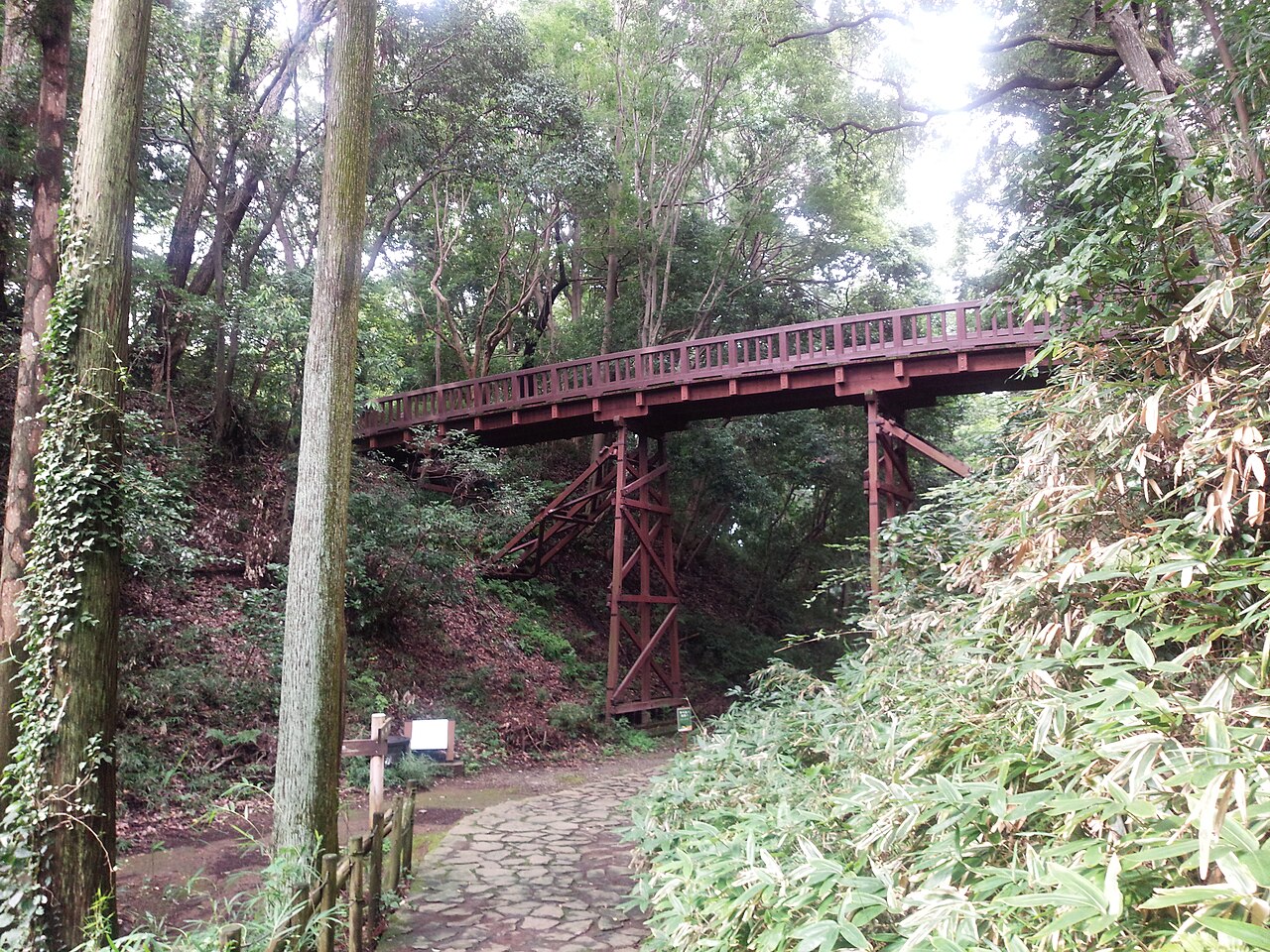
Visitors to the site can explore the remains of the castle's earthworks and stone foundations, which offer insight into the defensive techniques of the period. The ruins are surrounded by modern urban development but retain a quiet, historical atmosphere. Interpretive signs provide information about the castle's history and layout, making it a valuable destination for those interested in Japanese medieval fortifications.
Access and visitor information
The ruins of Kozukue Castle are accessible to the public year-round, with no entrance fee. The site is located within a park area in Kōhoku-ku, Yokohama, making it convenient for visitors combining historical exploration with urban sightseeing. While the castle remains are primarily earthworks and foundations, the site offers walking paths and viewing points to appreciate the castle's former strategic position.
Nearby attractions include other historical sites in Kanagawa Prefecture and cultural landmarks in Yokohama, enhancing the visitor experience with a blend of history and modern city life.
Frequently asked questions (FAQ)
- What is the historical significance of Kozukue Castle?
- Kozukue Castle, built in the early 16th century, played a crucial role in the regional power dynamics of the Kanagawa area during the Sengoku period. It served as a strategic military outpost and a residence for samurai leaders, reflecting the feudal history of Japan.
- When was Kozukue Castle constructed?
- Kozukue Castle was constructed in the early 1500s, around 1530, and has undergone various renovations throughout its history. Its foundations date back to a time when Japan was characterized by warfare and shifting allegiances among samurai clans.
- Can I visit Kozukue Castle?
- Yes, Kozukue Castle is open to the public and welcomes visitors interested in exploring its historical grounds. The site features remnants of the original castle structure, beautiful gardens, and informative displays about its history.
- What are the opening hours for Kozukue Castle?
- Kozukue Castle is open daily from 9:00 AM to 5:00 PM. It is advisable to check for any holiday closures or special events that might affect access before your visit.
- Is there an admission fee for Kozukue Castle?
- Admission to Kozukue Castle is free, allowing visitors to explore the site without any cost. However, some special exhibitions or guided tours may have a nominal fee, so it's best to verify in advance.
- When is the best time to visit Kozukue Castle?
- The best time to visit Kozukue Castle is during the spring months of March to May when cherry blossoms bloom, creating a picturesque setting. Autumn, from September to November, also offers stunning foliage, making both seasons ideal for a visit.
- How accessible is Kozukue Castle for visitors with disabilities?
- Kozukue Castle is designed to be accessible to all visitors, with pathways that accommodate wheelchairs and those with mobility challenges. Staff members are available to assist if needed, ensuring a pleasant experience for everyone.
- What nearby attractions can I visit while in Yokohama?
- While visiting Kozukue Castle, you can explore nearby attractions such as the Yokohama Museum of Art and the historic Sankeien Garden. Both locations offer a glimpse into the rich culture and natural beauty of Yokohama.
- Can I take photographs at Kozukue Castle?
- Yes, photography is allowed at Kozukue Castle, so feel free to capture the stunning architecture and scenic views. Just be mindful of any signs indicating restrictions, especially in designated areas.
Photo gallery

Photo by by Pqks758•Public domain
Information
Loading map...
Visitor reviews
No reviews yet. Been here? Write the first review and help other travelers!
Write the first reviewVisited this castle? Share your experience
Your review helps other travelers and adds first-hand knowledge to our encyclopedia.