Košice Castle
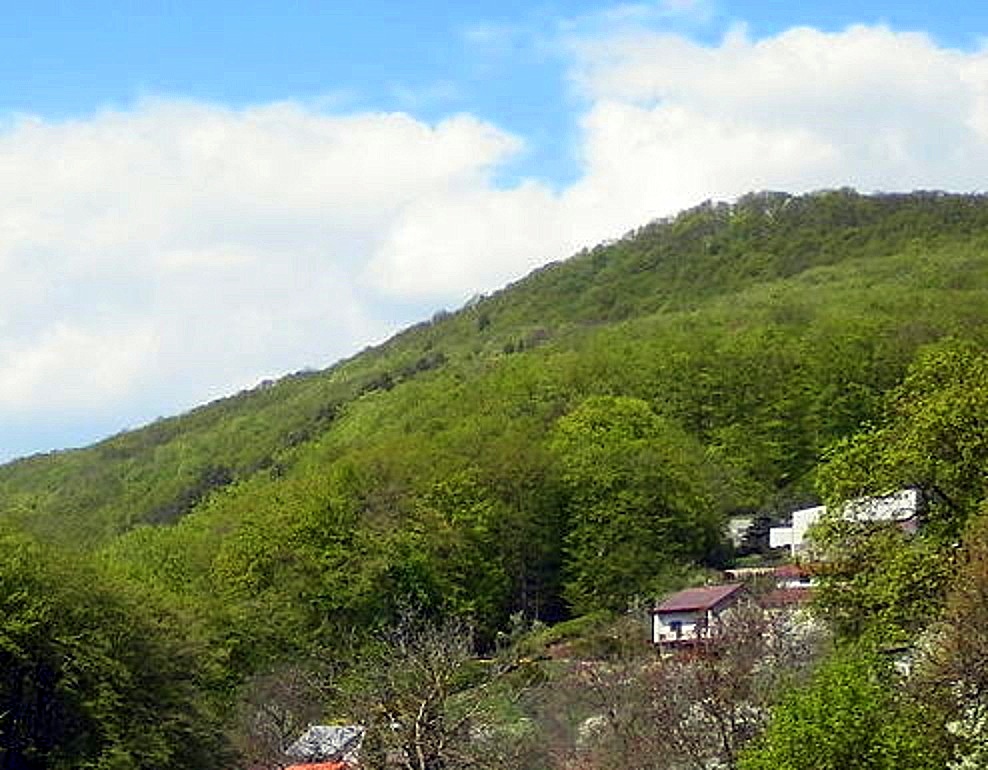
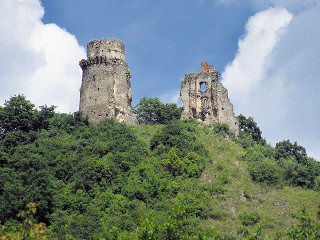
Košice Castle represents an important medieval fortification located near the city of Košice in eastern Slovakia. Though now existing only as archaeological ruins, the castle offers valuable insights into the region's high medieval military architecture and feudal history. Constructed in the 13th century, the castle was strategically positioned to oversee and protect vital trade routes and local settlements during a turbulent period of territorial conflicts and shifting power dynamics.
Historical context and significance
The origins of Košice Castle trace back to the high medieval period, a time when many fortresses were erected across Central Europe to consolidate regional control and defend against invasions. The castle was part of a broader network of fortifications in the Kingdom of Hungary, to which the territory of present-day Slovakia belonged during the Middle Ages. Its location near Košice, an emerging urban center, underscores its role in safeguarding economic interests and asserting noble authority.
Throughout its history, the castle witnessed various phases of occupation, military action, and decline. Although it did not survive intact, the remaining ruins provide crucial archaeological evidence of medieval construction techniques and defensive designs typical for the 13th century.
Architectural features and layout
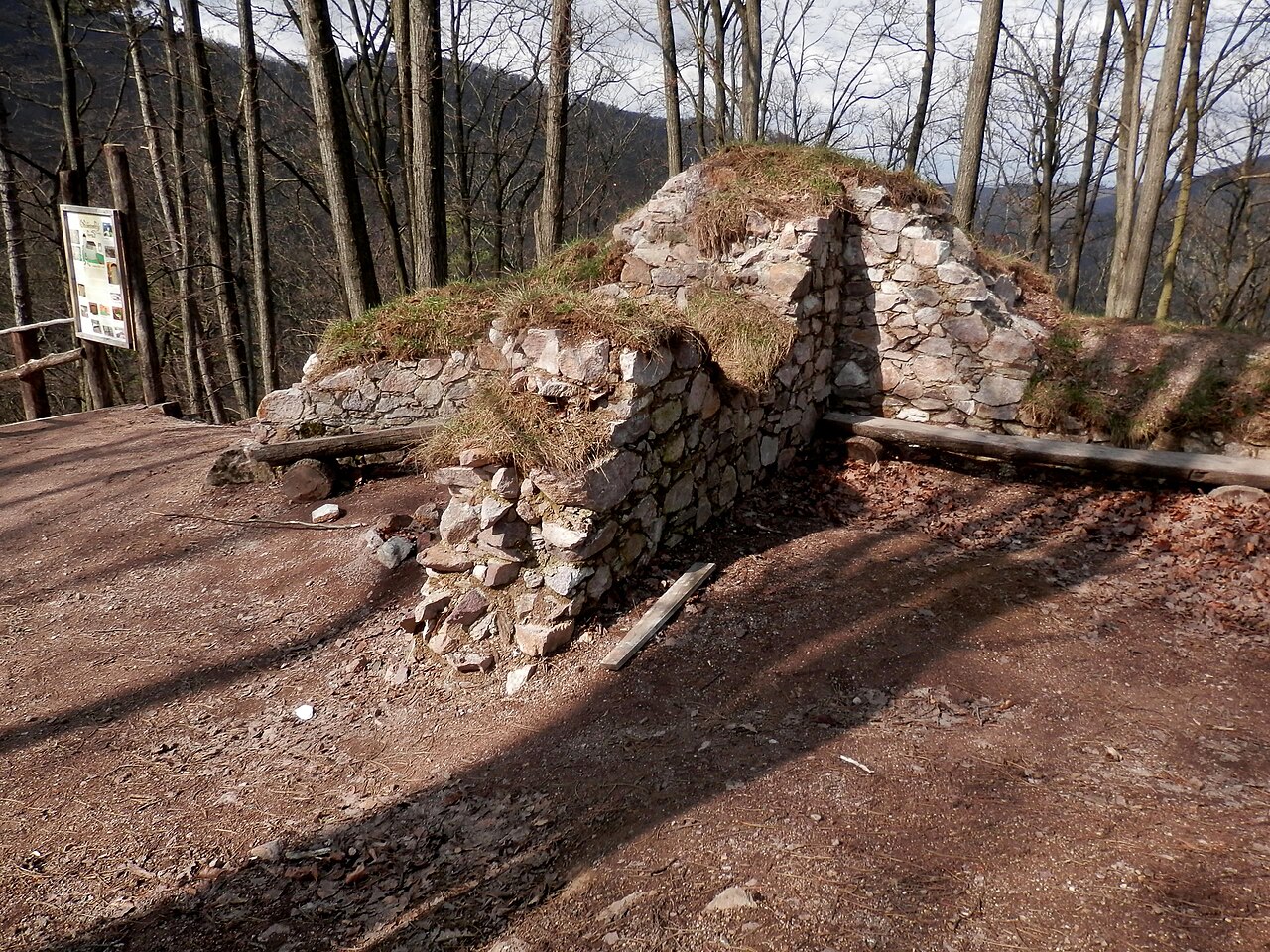
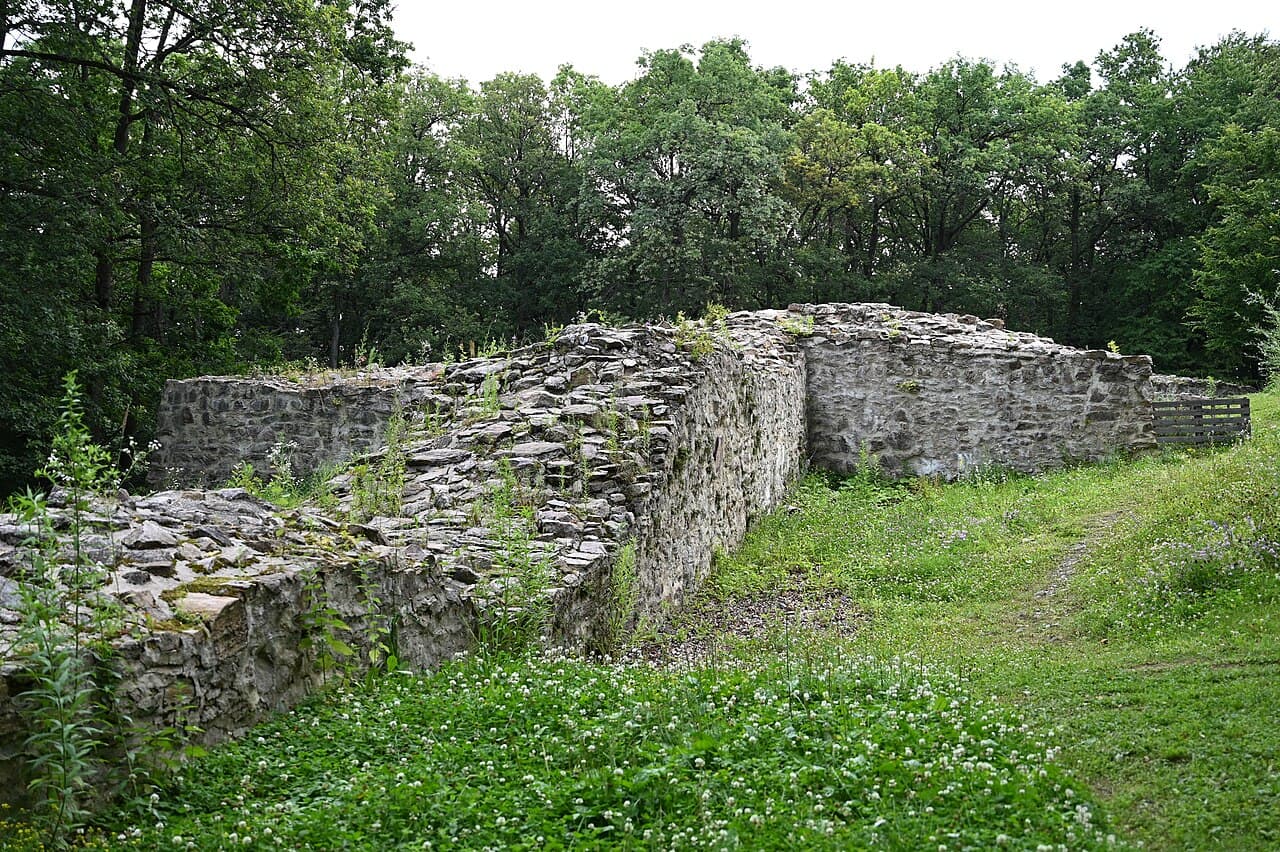
While much of Košice Castle lies in ruins, archaeological excavations have revealed foundational elements that highlight its original structure. The castle was likely a hill castle, built on elevated terrain to maximize defensive advantage. Its design probably included a stone curtain wall enclosing a courtyard, with towers positioned for surveillance and defense.
Typical of high medieval castles, it may have featured a keep or donjon serving as the last line of defense and residential quarters for the lord. The presence of a gatehouse, battlements, and possibly a moat would have enhanced its defensive capabilities. Excavations have also uncovered remains of domestic buildings and storage facilities within the castle grounds, indicating a self-sustaining stronghold.
Construction materials and techniques
The castle's walls were primarily constructed from locally sourced stone, bound with lime mortar. The masonry techniques reflect the craftsmanship of the 13th century, with thick walls designed to withstand siege weaponry of the time. The ruins suggest that wooden structures complemented the stonework, especially for roofing and interior partitions.
Decline and archaeological importance
By the late medieval period, Košice Castle had lost its strategic importance, likely due to changes in military technology and political shifts. It eventually fell into disuse and decay, leaving behind only ruins that have been the focus of archaeological study.
Today, the site serves as an important cultural heritage location, helping historians and archaeologists understand medieval fortification strategies and regional history in Slovakia. Preservation efforts aim to stabilize the ruins and provide educational access to visitors interested in medieval architecture and history.
Visiting Košice Castle ruins
The castle ruins are accessible to visitors interested in medieval history and archaeology. While the site does not feature extensive reconstructed buildings, it offers a tangible connection to the past through its preserved foundations and interpretive displays. Visitors can explore the remains and gain insight into the castle's layout and historical context.
Due to its status as an archaeological site, visitors are encouraged to respect the preservation rules and avoid disturbing the fragile ruins. Guided tours and informational panels may be available to enhance the educational experience.
Frequently asked questions (FAQ)
- When was Košice Castle built?
- Košice Castle was constructed in the 13th century during the high medieval period, serving as a strategic fortification.
- What remains of Košice Castle today?
- Today, Košice Castle exists as archaeological ruins, with foundational walls and some structural remnants visible.
- Can visitors access the Košice Castle ruins?
- Yes, the ruins are open to visitors who can explore the site and learn about its medieval history through informational displays.
- What architectural style characterizes Košice Castle?
- The castle reflects typical high medieval fortification architecture, with stone walls, defensive towers, and a keep.
- Why is Košice Castle historically significant?
- Košice Castle played a key role in regional defense and control of trade routes during the medieval period in eastern Slovakia.
Photo gallery

Information
Current owner
State museum
Loading map...
Visitor reviews
No reviews yet. Been here? Write the first review and help other travelers!
Write the first reviewVisited this castle? Share your experience
Your review helps other travelers and adds first-hand knowledge to our encyclopedia.