Kysacký hrad — Slovakia castle

Kysacký hrad

Kysacký hrad hill castle in Slovakia
High Medieval (11th–13th c.)
Ruins

Kysacký hrad is a medieval hill castle located in Slovakia, notable for its strategic position and historical importance during the High Medieval period. Although today it remains in a state of ruins, the castle offers valuable insights into medieval fortification architecture and the feudal history of the region.

Historical background and significance

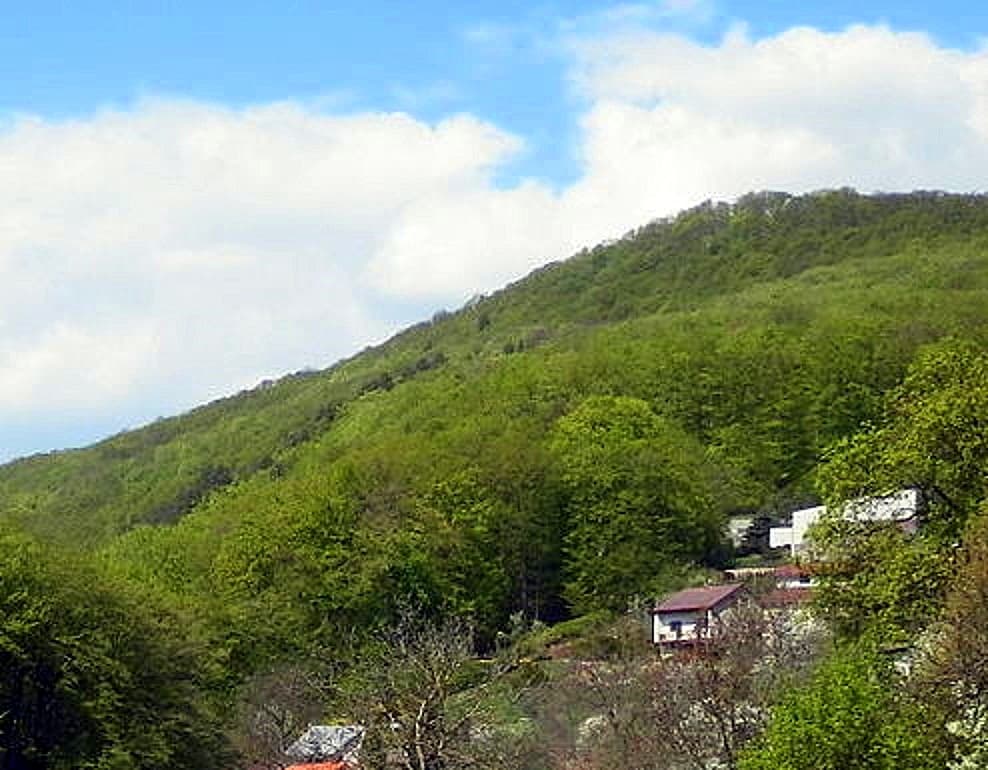
The origins of Kysacký hrad trace back to the 13th century, a time when many castles were constructed across Slovakia to assert control over trade routes and protect local territories. The castle's location on a hill provided a commanding view of the surrounding landscape, essential for early warning and defense against invaders.

Throughout its history, the castle played a role in regional conflicts and served as a noble residence. It was part of the network of fortifications that helped secure the area during periods of political instability in medieval Central Europe.

Architectural features and layout

As a hill castle, Kysacký hrad was designed to utilize the natural topography for defense. The castle's remains suggest a typical medieval layout with a fortified keep or donjon at its core, surrounded by defensive walls and possibly a courtyard where daily activities took place.

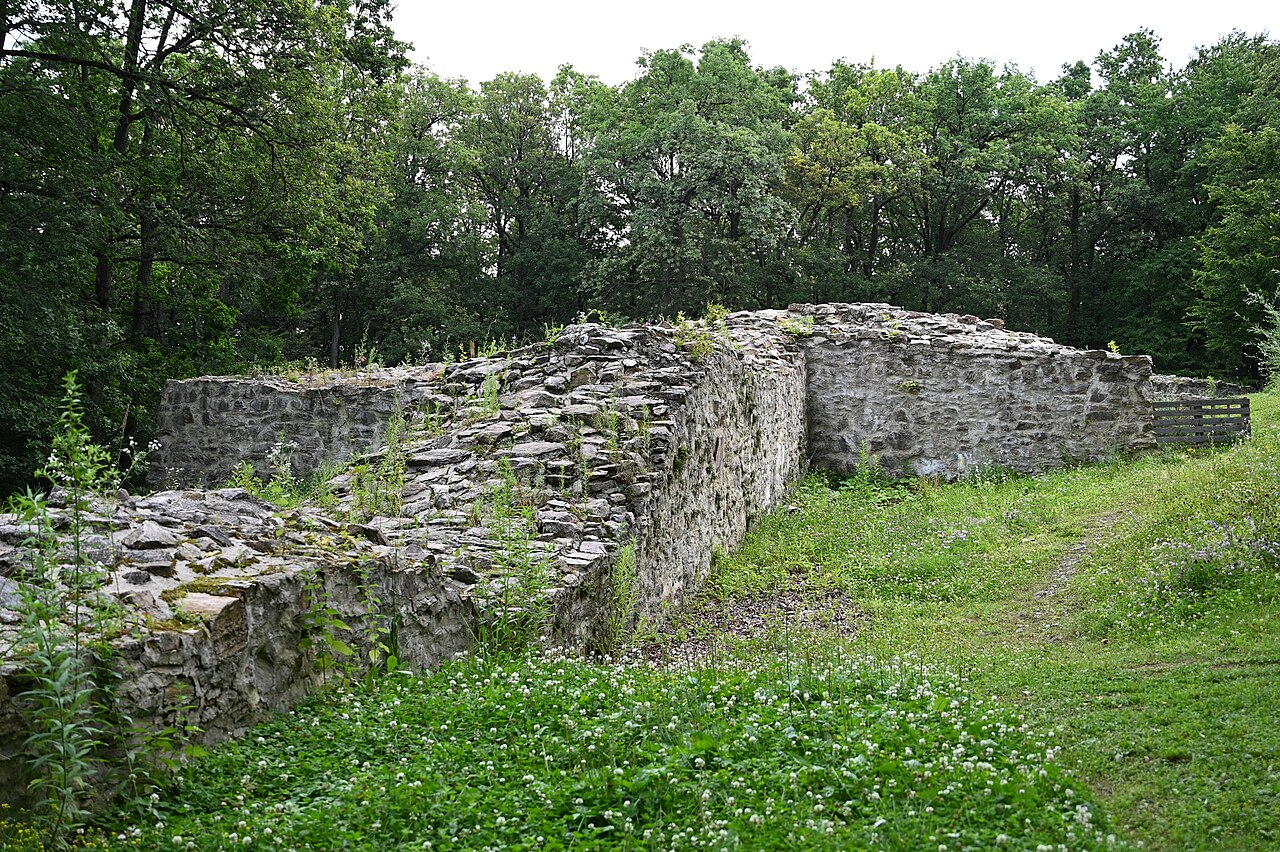
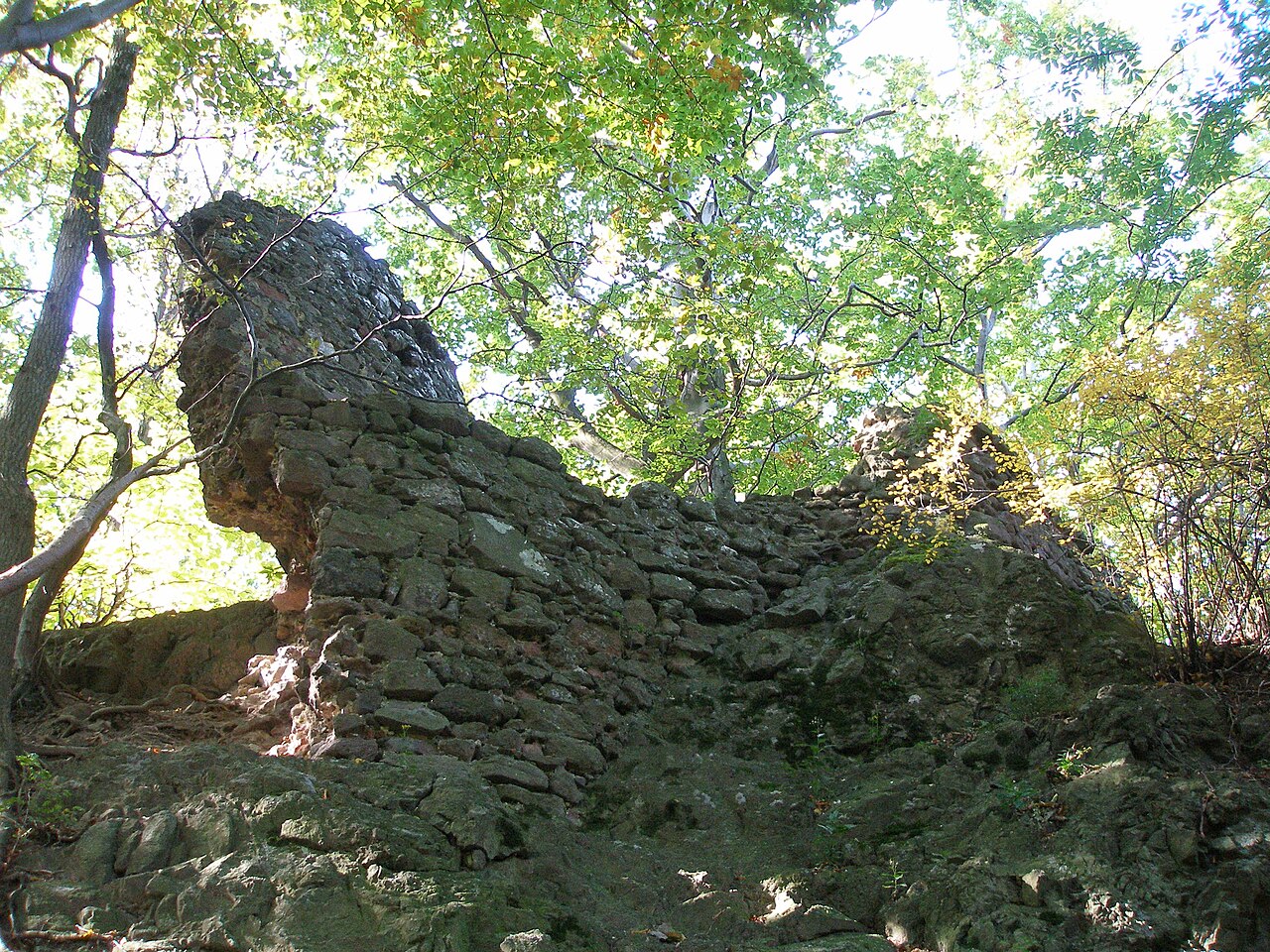
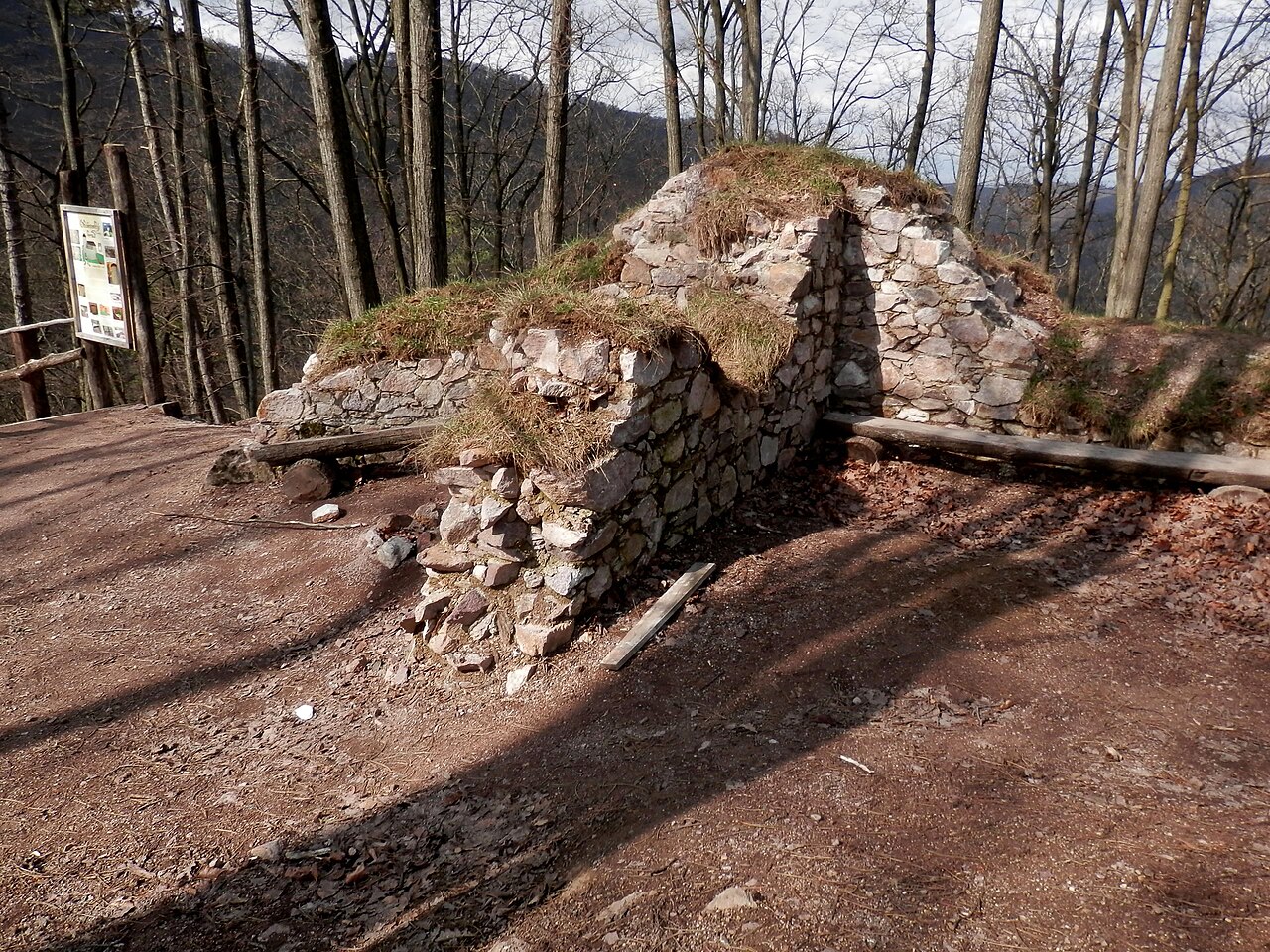
The surviving ruins include sections of stone walls and foundations that indicate the presence of towers and gate structures. These features were integral to the castle's defensive capabilities, allowing defenders to monitor and repel attackers effectively.

Defensive structures

The castle's elevated position was complemented by thick stone walls and narrow access points, typical of High Medieval military architecture. Although detailed records of the castle's full layout are limited, the remnants suggest the use of battlements and possibly a moat or ditch to enhance its defenses.

Current condition and preservation

Today, Kysacký hrad stands as a ruin, with much of its original structure lost to time and natural decay. Despite this, the site remains accessible to visitors interested in medieval history and castle architecture.

Efforts to preserve the ruins focus on stabilizing the remaining walls and protecting the site from further deterioration. The castle's ruins provide a tangible connection to Slovakia's medieval past and contribute to the cultural heritage of the region.

Visiting information and cultural importance

While the exact address and city are not well documented, the castle is recognized as part of Slovakia's rich medieval heritage. Visitors to the site can explore the ruins and enjoy panoramic views from the hilltop location.

The castle's historical and architectural significance makes it a point of interest for historians, archaeologists, and tourists seeking to understand the medieval fortifications of Central Europe.

Frequently asked questions (FAQ)

How do I get to Kysacký hrad?
Kysacký hrad is located near the village of Kysak in Slovakia, easily accessible by car or public transport. The nearest city is Košice, from where you can take a bus or drive approximately 20 minutes to reach the castle.
What is the historical significance of Kysacký hrad?
Kysacký hrad dates back to the 13th century and played a crucial role in the defense against invasions during the Middle Ages. It reflects the architectural style of that era and showcases the rich history of feudal Slovakia.
When was Kysacký hrad built?
The construction of Kysacký hrad began in the 13th century, with significant developments occurring in the following centuries. Its strategic location contributed to its expansion and fortification over time.
Can I visit Kysacký hrad year-round?
Yes, Kysacký hrad is open to visitors year-round, but it is advisable to check for specific opening hours as they may vary seasonally. Guided tours are available, offering insights into the castle's history and architecture.
Why is Kysacký hrad popular among tourists?
Kysacký hrad is popular due to its stunning medieval architecture and panoramic views of the surrounding countryside. Additionally, the castle's rich history and picturesque setting make it a favorite spot for both history enthusiasts and nature lovers.
Is it possible to access Kysacký hrad with a wheelchair?
Access to Kysacký hrad may be challenging for visitors with mobility issues due to its historic structure and uneven terrain. It is recommended to contact the site in advance for specific accessibility options and assistance.
What are the ticket prices for visiting Kysacký hrad?
Ticket prices for Kysacký hrad are quite affordable, typically ranging from €3 to €5 for adults, with reduced rates for children and students. Special family tickets may also be available, providing a great value for visitors.
What are the opening hours for Kysacký hrad?
Kysacký hrad generally opens from 9 AM to 5 PM during the peak tourist season, with shorter hours in the off-season. It is advisable to check the official website or local tourist information for the most current hours before planning your visit.
What are some nearby attractions to Kysacký hrad?
Nearby attractions include the beautiful city of Košice, known for its stunning architecture and vibrant culture. Additionally, the surrounding countryside offers hiking trails and other historical sites, making it a perfect day trip destination for visitors.

Photo gallery

Kysacký hrad
Click to view

Photo by Ing.Mgr.Jozef Kotulič•CC BY-SA 4.0

1 photo • Click any image to view in full screen

Information

Hill Castle

Loading map...

Visitor reviews

No reviews yet. Been here? Write the first review and help other travelers!

Write the first review

Visited this castle? Share your experience

Your review helps other travelers and adds first-hand knowledge to our encyclopedia.
Write a review

(5/5)

0/2000 characters

Your review will be visible after admin approval

Nearby castles

1.9 km
Obišovský hrad — Slovakia castle

Obišovský hrad

Obišovce, Slovakia

Obišovský hrad is a notable medieval hill castle ruin located near the village of Obišovce in eastern Slovakia. This site uniquely combines layers of ancient and medieval fortifications, showcasing a long history of strategic importance in the region. Its origins trace back to a Slavic hillfort known as Stráža, which served as a refuge during the Roman period in the 2nd and 3rd centuries AD. Archaeological evidence confirms human occupation and defensive use of this hilltop location well before the construction of the medieval castle, highlighting its enduring role as a fortified site. The medieval castle itself was likely constructed in the late 13th century, attributed to the Drienovský branch of the Aba noble family, one of the earliest aristocratic lineages in the area surrounding Drienovce. While the castle does not appear in documents from 1289, indirect mentions in records from around 1300 and 1304 suggest its establishment during this transitional period between the 13th and 14th centuries. Obišovský hrad was among the oldest holdings of the Aba family, reflecting the feudal landscape and power structures of medieval Slovakia. Historical context and decline During the first half of the 15th century, Obišovský hrad experienced decline, likely due to the local phenomenon known as hradoborectvo, a period characterized by deliberate dismantling or abandonment of castles. This widespread destruction or neglect led to the castle's ruinous state, as it ceased to function as a defensive stronghold or noble residence. The lack of extensive written records following this period means much of Obišovský hrad's later history is reconstructed through archaeological study rather than documentary sources. Interest in the castle's history and archaeology revived in the 20th century, with significant excavations commencing in the early 1960s under the direction of historian and archaeologist Belo Polla. These investigations uncovered important structural remains and artifacts, shedding light on the castle's architectural development and its role within the medieval landscape. Today, the ruins are protected as a cultural monument, preserving a tangible link to Slovakia's medieval heritage. Architectural features and layout The ruins of Obišovský hrad occupy a hilltop with an oval-shaped enclosure approximately 32 meters long and 25 meters wide. The castle was surrounded by a defensive stone wall between 1.7 and 2.5 meters thick, designed to utilize the natural topography for defense. Outside this wall lies a deep ditch, cut up to 2.5 meters into the ground, which served as an additional obstacle against attackers. Access to the castle was primarily from the south, where a wooden bridge spanned the ditch, leading to a modest gatehouse. The gatehouse's simple design indicates a functional but defensible entrance. Inside the enclosure, the castle's defensive core was a large round tower (donjon or keep), with walls up to 2.8 meters thick and an internal diameter of about 3.5 meters. This tower functioned as the last line of defense and a stronghold for the castle's occupants. Along the southeastern edge of the castle stood a three-room building, believed to be a one-story palace or residential block. Its outer wall formed part of the castle's perimeter defense, illustrating how living quarters were integrated into the fortification system. Near the center of the courtyard, a circular cistern was carved directly into the rock, lined with masonry and coated with high-quality plaster. This cistern was essential for water storage, ensuring the castle could withstand sieges or periods of drought. Earlier fortifications and earthworks Traces of the earlier Slavic hillfort phase remain visible in the form of earthen defensive structures known as vallum. These earthworks provide evidence of the site's long-standing military significance, with multiple construction layers preserved in fragmentary form. The combination of stone fortifications atop earlier earthworks demonstrates the evolution of defensive architecture at Obišovský hrad over centuries. Archaeological significance and preservation The archaeological excavations led by Belo Polla in the 1960s were pivotal in documenting Obišovský hrad's historical and architectural development. The findings have contributed to understanding medieval castle construction techniques in Slovakia, especially regarding integration of natural terrain and water management systems like the cistern. The site is now carefully preserved within a protected cultural landscape near Obišovec, ensuring its ruins remain a valuable resource for both historians and visitors. Although the castle stands mostly in ruins, the remaining structures offer insight into medieval feudal life and defensive strategies. The preservation of Obišovský hrad as a cultural monument underscores its importance as a symbol of regional history and heritage, attracting scholars and tourists interested in Slovakia's medieval past. Visiting Obišovský hrad Today, Obišovský hrad is accessible to visitors who wish to explore its ruins and appreciate its historical significance. The site provides a scenic vantage point over the surrounding landscape, offering a glimpse into the strategic considerations that influenced its original placement. While the castle's condition is primarily ruinous, its layout and key architectural elements remain discernible, making it a compelling destination for those interested in medieval architecture and Slovak history. Visitors are encouraged to respect the site's protected status and natural environment. Informational signage and local guides may be available to enhance the experience, providing context about the castle's history, construction, and archaeological discoveries.

Late Medieval (14th–15th c.)
Details
11 km
Košice Castle — Slovakia castle

Košice Castle

Košice, Slovakia

Košice Castle represents an important medieval fortification located near the city of Košice in eastern Slovakia. Though now existing only as archaeological ruins, the castle offers valuable insights into the region's high medieval military architecture and feudal history. Constructed in the 13th century, the castle was strategically positioned to oversee and protect vital trade routes and local settlements during a turbulent period of territorial conflicts and shifting power dynamics. Historical context and significance The origins of Košice Castle trace back to the high medieval period, a time when many fortresses were erected across Central Europe to consolidate regional control and defend against invasions. The castle was part of a broader network of fortifications in the Kingdom of Hungary, to which the territory of present-day Slovakia belonged during the Middle Ages. Its location near Košice, an emerging urban center, underscores its role in safeguarding economic interests and asserting noble authority. Throughout its history, the castle witnessed various phases of occupation, military action, and decline. Although it did not survive intact, the remaining ruins provide crucial archaeological evidence of medieval construction techniques and defensive designs typical for the 13th century. Architectural features and layout While much of Košice Castle lies in ruins, archaeological excavations have revealed foundational elements that highlight its original structure. The castle was likely a hill castle, built on elevated terrain to maximize defensive advantage. Its design probably included a stone curtain wall enclosing a courtyard, with towers positioned for surveillance and defense. Typical of high medieval castles, it may have featured a keep or donjon serving as the last line of defense and residential quarters for the lord. The presence of a gatehouse, battlements, and possibly a moat would have enhanced its defensive capabilities. Excavations have also uncovered remains of domestic buildings and storage facilities within the castle grounds, indicating a self-sustaining stronghold. Construction materials and techniques The castle's walls were primarily constructed from locally sourced stone, bound with lime mortar. The masonry techniques reflect the craftsmanship of the 13th century, with thick walls designed to withstand siege weaponry of the time. The ruins suggest that wooden structures complemented the stonework, especially for roofing and interior partitions. Decline and archaeological importance By the late medieval period, Košice Castle had lost its strategic importance, likely due to changes in military technology and political shifts. It eventually fell into disuse and decay, leaving behind only ruins that have been the focus of archaeological study. Today, the site serves as an important cultural heritage location, helping historians and archaeologists understand medieval fortification strategies and regional history in Slovakia. Preservation efforts aim to stabilize the ruins and provide educational access to visitors interested in medieval architecture and history. Visiting Košice Castle ruins The castle ruins are accessible to visitors interested in medieval history and archaeology. While the site does not feature extensive reconstructed buildings, it offers a tangible connection to the past through its preserved foundations and interpretive displays. Visitors can explore the remains and gain insight into the castle's layout and historical context. Due to its status as an archaeological site, visitors are encouraged to respect the preservation rules and avoid disturbing the fragile ruins. Guided tours and informational panels may be available to enhance the educational experience.

High Medieval (11th–13th c.)
Details
16.3 km
Zbojnícký Castle — Slovakia castle

Zbojnícký Castle

Ruská Nová Ves, Slovakia

Zbojnícký Castle is a significant medieval hill fortress located near the village of Ruská Nová Ves in eastern Slovakia. Constructed in the late 13th century, this castle was strategically positioned on a rocky plateau to oversee and control the surrounding landscape, including vital salt trade routes that were crucial to the regional economy. Its historical roots tie deeply to the salt production and administration in the Prešov region, making it an important site for understanding medieval economic and defensive architecture in Slovakia. Historical background and origins The castle's foundation traces back to a royal permit granted in 1288, which authorized the construction of a new stronghold to replace one or two earlier fortifications known as Soľnohrad. These earlier castles were located in what is now the Solivar district of Prešov. The new fortress, later known as Zbojnícký Castle, was established by Juraj Bokša, a nobleman who sought to consolidate control over the area and its valuable resources. The castle's medieval name, documented in Latin as Castrum S(o)owar, reflects its connection to the salt industry, with the controlling family adopting the surname Šóš derived from these place names. The Šóš family maintained dominion over the castle for an extended period, with their control largely uninterrupted until 1671, despite occasional ownership changes. Following the decline of the Šóš family's influence, references to the castle diminish, culminating in a recorded destruction ordered by the regional assembly in 1715. This demolition marked the end of Zbojnícký Castle's role as a regional power center, after which it fell into ruin and gradually lost its strategic importance. Architectural layout and defensive features Strategic location and natural defenses Perched at an elevation of 661 meters above sea level on a rocky plateau known locally as Zámek, the castle occupies an area approximately 45 by 35 meters. Its position atop steep cliffs on the north, south, and west sides provided formidable natural defenses against attackers. The eastern side, featuring two natural terraces, was adapted for construction and served as the primary approach to the fortress. Upper castle structures The upper castle occupies the southwestern portion of the site, extending about 45 meters in length and 12 meters in width. Among its most prominent features is the remains of a square stone tower measuring 8 by 8 meters, with only half of the tower surviving today. Inside, the tower contained a circular chamber approximately 4.5 meters in diameter, supported by wooden beam ceilings, indicative of typical medieval construction techniques. Encircling the upper castle was a robust stone defensive wall, with the southern segment still preserved to a thickness of approximately 130 centimeters. Adjacent to the tower stood a larger palace building measuring 17 by 8.5 meters, featuring a partially subterranean basement and a northern wall integrated into the defensive perimeter. This palace likely served as the residential and administrative center within the castle complex. Lower courtyard and fortifications Below the upper castle lies a smaller lower courtyard measuring about 10 meters in length. Portions of the original masonry perimeter wall survive here, with a thickness of roughly 120 centimeters. A round tower approximately 5 meters in diameter guarded the northern side of this courtyard, reinforcing the defensive capabilities of the castle's lower section. The defensive layout also included a wide moat about 13 meters across and still 2.5 to 3 meters deep, which fortified the eastern approach where the terrain allowed access. This moat, combined with the steep cliffs and stone walls, created a layered defense system that maximized the natural topography for protection. Historical significance and legacy While Zbojnícký Castle does not have documented records of major military engagements, royal occupations, or religious functions, its significance lies in its role as a fortified center for the administration of salt resources and local governance. The castle's connection to the salt trade is underscored by its various historical names, such as Soľnohrad, Soľný hrad, and Nový Soľnohrad, all of which emphasize its economic importance in the region. The long tenure of the Šóš family as the castle's lords highlights the stability and continuity of noble influence in this part of Slovakia during the High to Late Medieval periods. Their stewardship likely shaped the castle's development and its integration within the local landscape and economy. The castle's destruction in 1715 by order of the regional assembly reflects broader political and military changes in the region, where many medieval fortresses lost their strategic value due to evolving warfare and administrative reforms. Present condition and visitor experience Today, Zbojnícký Castle stands as a ruined hill castle, with substantial remains that allow visitors to appreciate its original scale and defensive ingenuity. The combination of natural cliffs, surviving walls, towers, and the moat provides a vivid impression of medieval fortification adapted to the rugged terrain. The site is accessible via a narrow path ascending the eastern side, which was historically the castle's only approach. Visitors can explore the rocky plateau, observe the remnants of the square tower, the palace foundations, and the defensive walls that once protected the stronghold. The castle's elevated position offers panoramic views of the surrounding landscape, enhancing its appeal as a cultural and historical destination. As a heritage site, Zbojnícký Castle contributes to the understanding of medieval Slovak fortifications and the socio-economic history of the Prešov region. Its ruins serve as a tangible link to the past, inviting exploration and study of Slovakia's medieval noble estates and their architectural legacy.

Late Medieval (14th–15th c.)
Details