Obišovský hrad
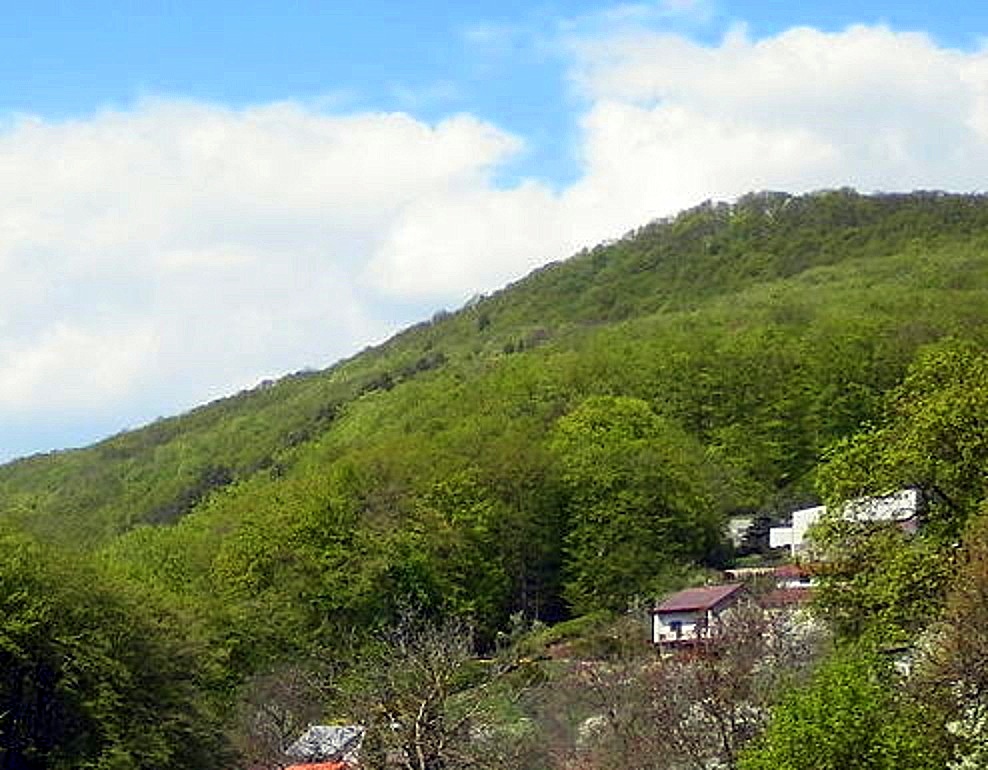
Obišovský hrad is a notable medieval hill castle ruin located near the village of Obišovce in eastern Slovakia. This site uniquely combines layers of ancient and medieval fortifications, showcasing a long history of strategic importance in the region. Its origins trace back to a Slavic hillfort known as Stráža, which served as a refuge during the Roman period in the 2nd and 3rd centuries AD. Archaeological evidence confirms human occupation and defensive use of this hilltop location well before the construction of the medieval castle, highlighting its enduring role as a fortified site.
The medieval castle itself was likely constructed in the late 13th century, attributed to the Drienovský branch of the Aba noble family, one of the earliest aristocratic lineages in the area surrounding Drienovce. While the castle does not appear in documents from 1289, indirect mentions in records from around 1300 and 1304 suggest its establishment during this transitional period between the 13th and 14th centuries. Obišovský hrad was among the oldest holdings of the Aba family, reflecting the feudal landscape and power structures of medieval Slovakia.
Historical context and decline
During the first half of the 15th century, Obišovský hrad experienced decline, likely due to the local phenomenon known as hradoborectvo, a period characterized by deliberate dismantling or abandonment of castles. This widespread destruction or neglect led to the castle's ruinous state, as it ceased to function as a defensive stronghold or noble residence. The lack of extensive written records following this period means much of Obišovský hrad's later history is reconstructed through archaeological study rather than documentary sources.
Interest in the castle's history and archaeology revived in the 20th century, with significant excavations commencing in the early 1960s under the direction of historian and archaeologist Belo Polla. These investigations uncovered important structural remains and artifacts, shedding light on the castle's architectural development and its role within the medieval landscape. Today, the ruins are protected as a cultural monument, preserving a tangible link to Slovakia's medieval heritage.
Architectural features and layout
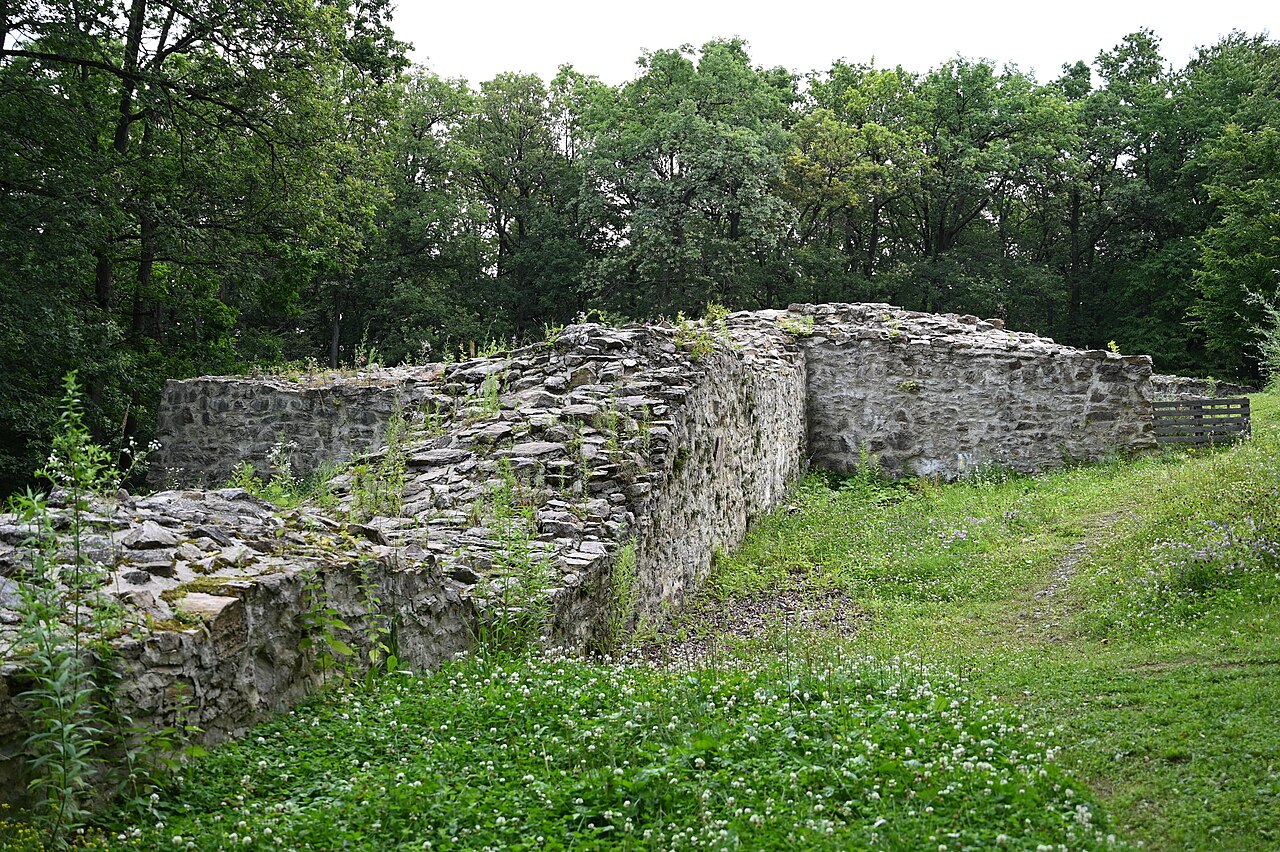
The ruins of Obišovský hrad occupy a hilltop with an oval-shaped enclosure approximately 32 meters long and 25 meters wide. The castle was surrounded by a defensive stone wall between 1.7 and 2.5 meters thick, designed to utilize the natural topography for defense. Outside this wall lies a deep ditch, cut up to 2.5 meters into the ground, which served as an additional obstacle against attackers.
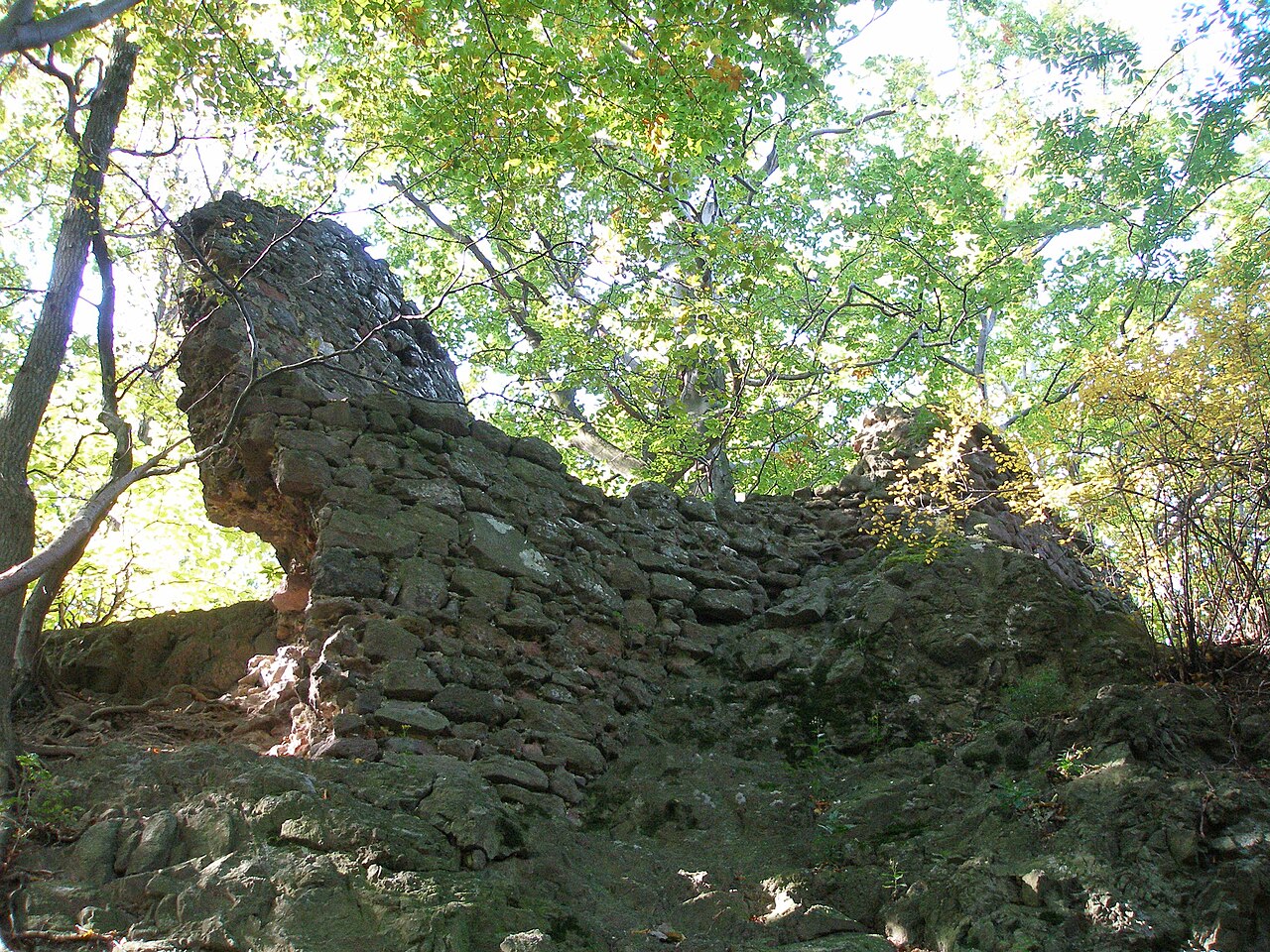
Access to the castle was primarily from the south, where a wooden bridge spanned the ditch, leading to a modest gatehouse. The gatehouse's simple design indicates a functional but defensible entrance. Inside the enclosure, the castle's defensive core was a large round tower (donjon or keep), with walls up to 2.8 meters thick and an internal diameter of about 3.5 meters. This tower functioned as the last line of defense and a stronghold for the castle's occupants.
Along the southeastern edge of the castle stood a three-room building, believed to be a one-story palace or residential block. Its outer wall formed part of the castle's perimeter defense, illustrating how living quarters were integrated into the fortification system. Near the center of the courtyard, a circular cistern was carved directly into the rock, lined with masonry and coated with high-quality plaster. This cistern was essential for water storage, ensuring the castle could withstand sieges or periods of drought.
Earlier fortifications and earthworks
Traces of the earlier Slavic hillfort phase remain visible in the form of earthen defensive structures known as vallum. These earthworks provide evidence of the site's long-standing military significance, with multiple construction layers preserved in fragmentary form. The combination of stone fortifications atop earlier earthworks demonstrates the evolution of defensive architecture at Obišovský hrad over centuries.
Archaeological significance and preservation
The archaeological excavations led by Belo Polla in the 1960s were pivotal in documenting Obišovský hrad's historical and architectural development. The findings have contributed to understanding medieval castle construction techniques in Slovakia, especially regarding integration of natural terrain and water management systems like the cistern. The site is now carefully preserved within a protected cultural landscape near Obišovec, ensuring its ruins remain a valuable resource for both historians and visitors.
Although the castle stands mostly in ruins, the remaining structures offer insight into medieval feudal life and defensive strategies. The preservation of Obišovský hrad as a cultural monument underscores its importance as a symbol of regional history and heritage, attracting scholars and tourists interested in Slovakia's medieval past.
Visiting Obišovský hrad
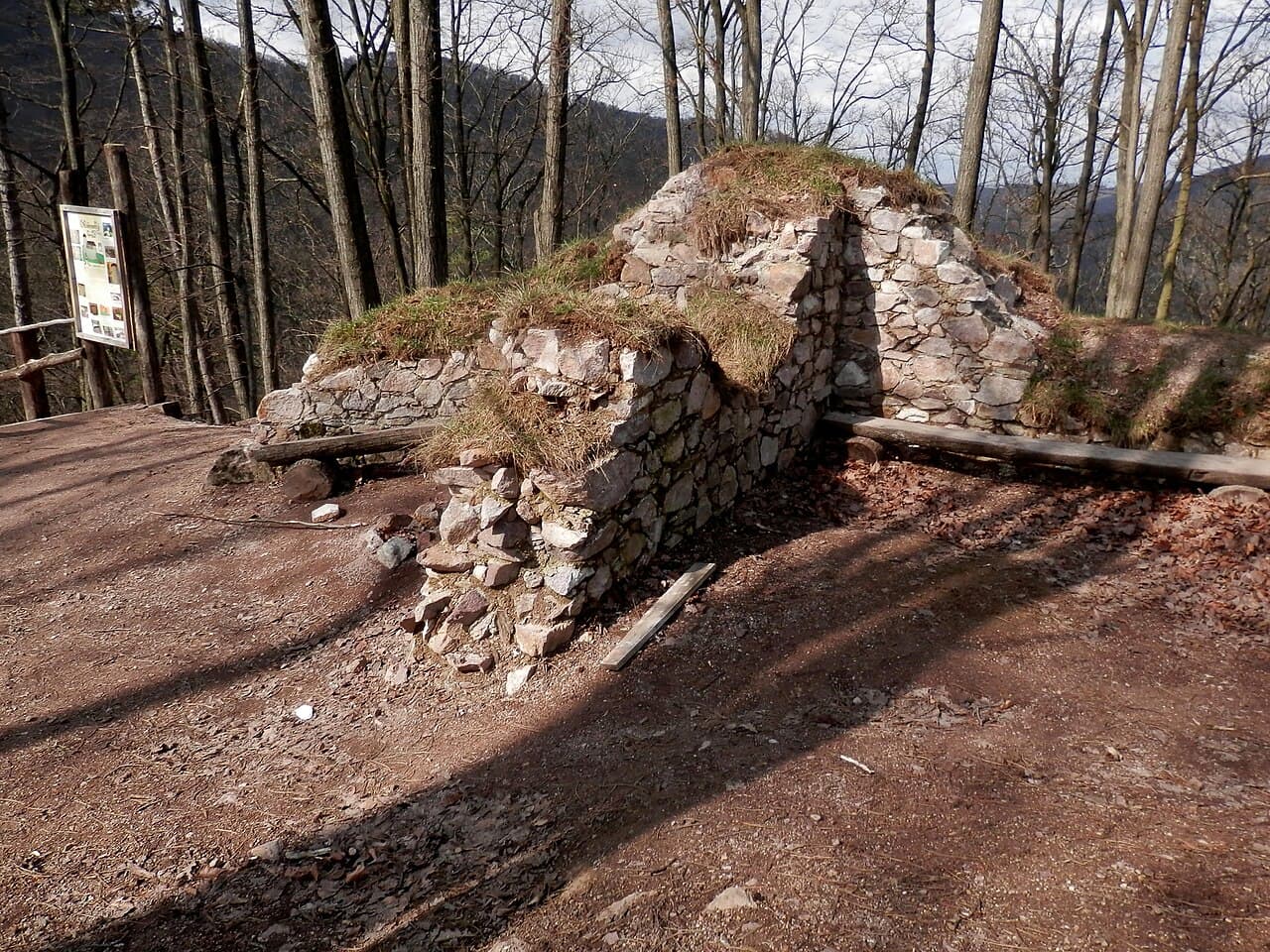
Today, Obišovský hrad is accessible to visitors who wish to explore its ruins and appreciate its historical significance. The site provides a scenic vantage point over the surrounding landscape, offering a glimpse into the strategic considerations that influenced its original placement. While the castle's condition is primarily ruinous, its layout and key architectural elements remain discernible, making it a compelling destination for those interested in medieval architecture and Slovak history.
Visitors are encouraged to respect the site's protected status and natural environment. Informational signage and local guides may be available to enhance the experience, providing context about the castle's history, construction, and archaeological discoveries.
Frequently asked questions (FAQ)
- When was Obišovský hrad built?
- Obišovský hrad was likely constructed in the late 13th century, with indirect mentions in documents from around 1300 and 1304 supporting this timeframe.
- What was the original purpose of Obišovský hrad?
- Originally, the site served as a Slavic hillfort known as Stráža during the Roman period, later evolving into a medieval castle that functioned as a noble residence and defensive stronghold.
- Is Obišovský hrad accessible to visitors today?
- Yes, the ruins of Obišovský hrad are accessible to the public and offer scenic views and insights into medieval fortification architecture.
- What remains can be seen at Obišovský hrad?
- Visitors can see the oval-shaped stone defensive walls, a large round tower, a three-room residential building, a rock-carved cistern, and traces of earlier earthworks.
- Why did Obišovský hrad fall into ruin?
- The castle was likely abandoned or destroyed during the 15th century hradoborectvo period, when many castles were dismantled or fell into disuse in the region.
Photo gallery

Information
Sources & official resources
Verify the information above using these authoritative references.
Loading map...
Visitor reviews
No reviews yet. Been here? Write the first review and help other travelers!
Write the first reviewVisited this castle? Share your experience
Your review helps other travelers and adds first-hand knowledge to our encyclopedia.