Korlai Fort
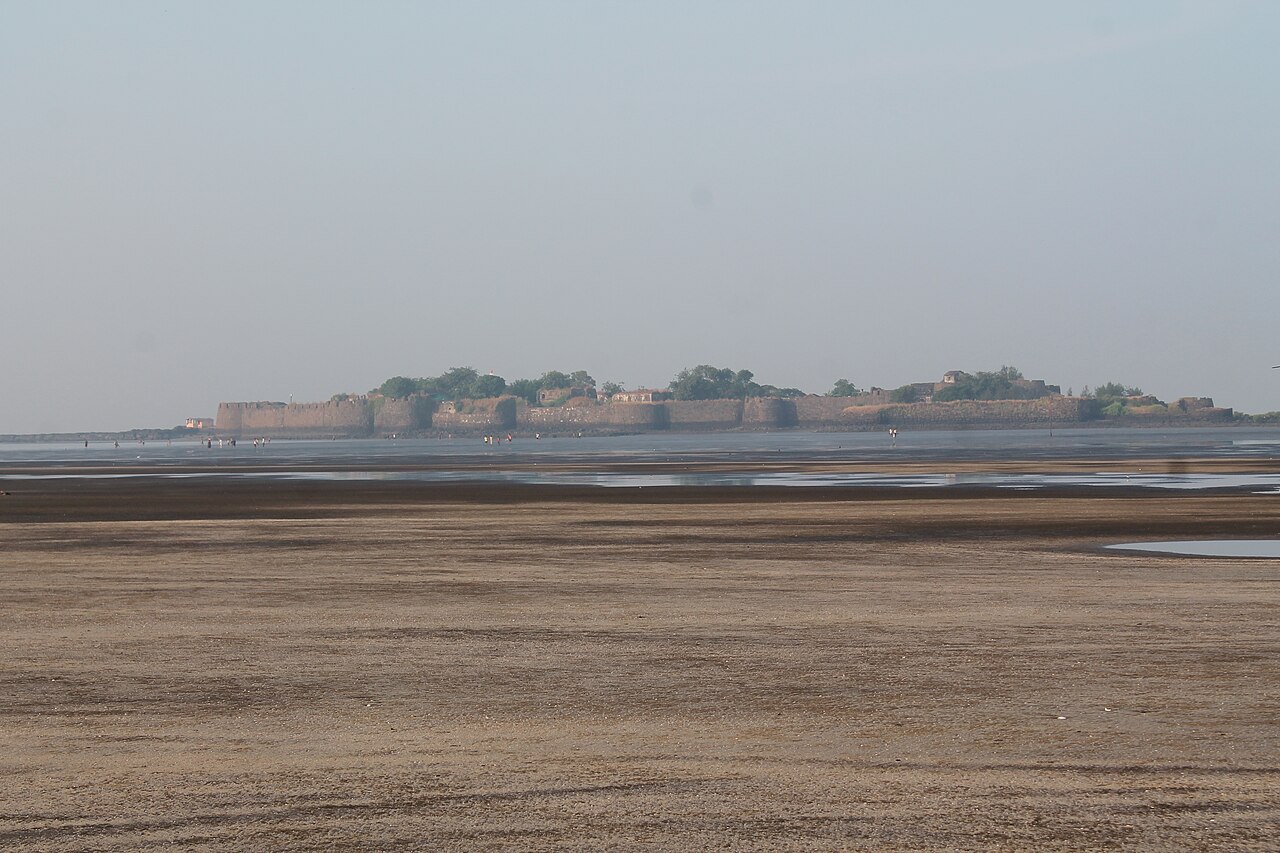
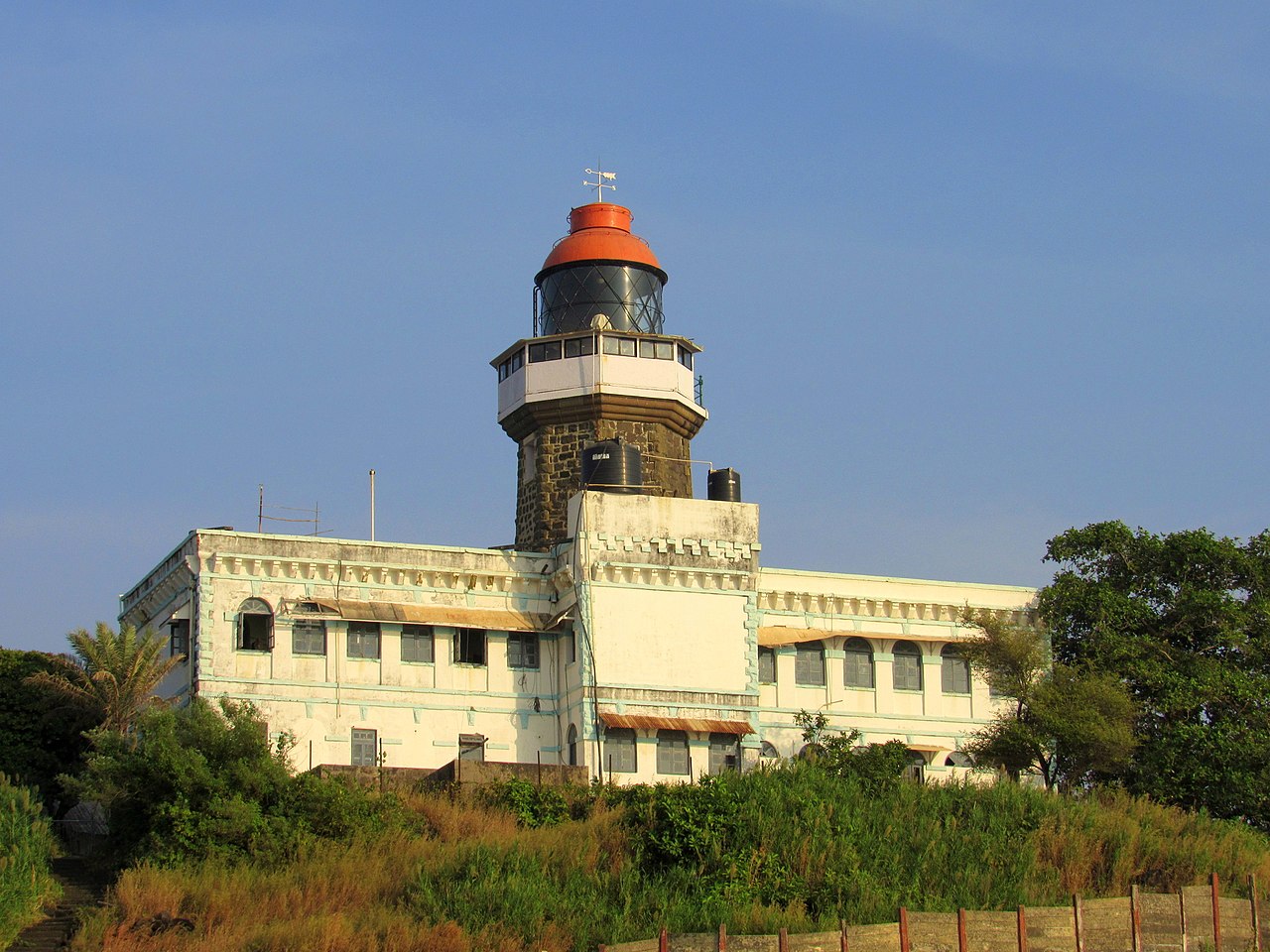
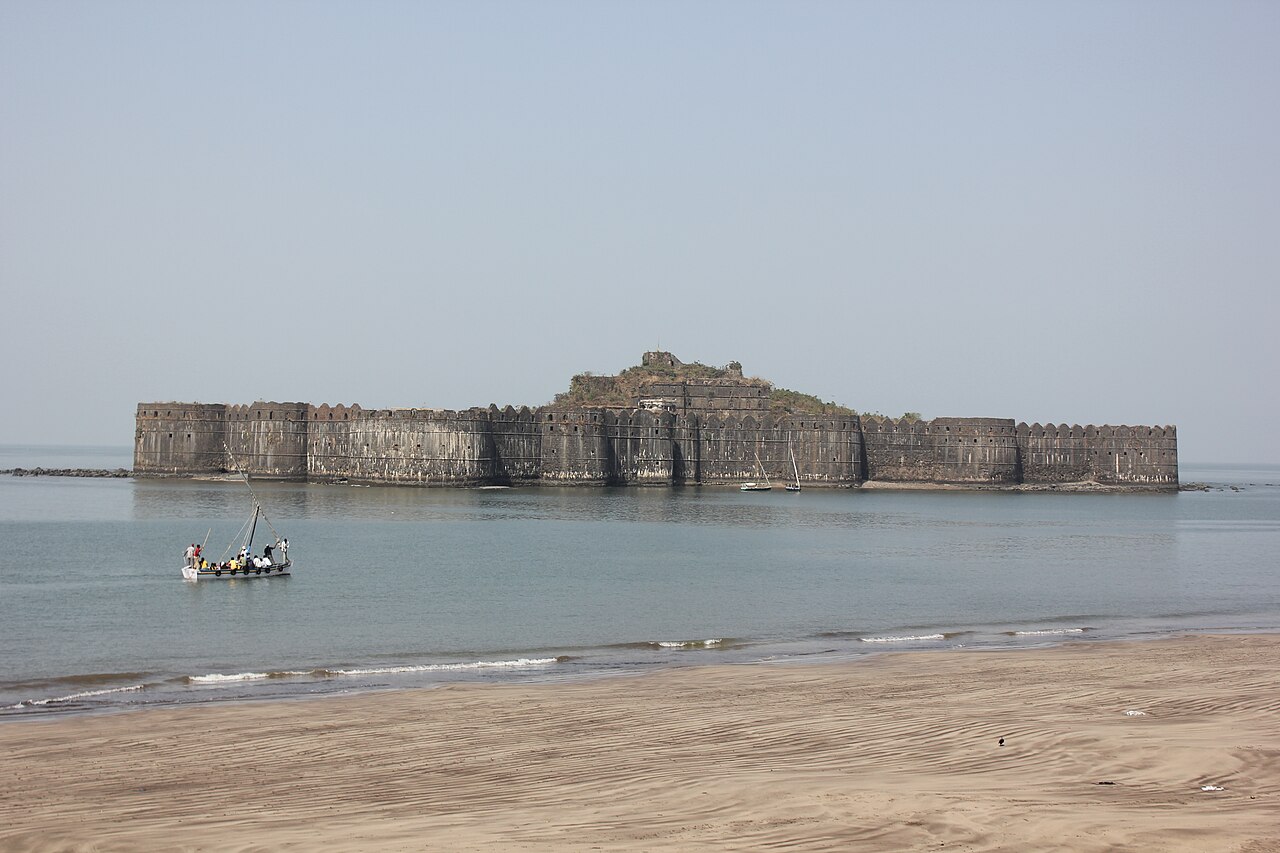
Korlai Fort, located in the Raigad district of Maharashtra, India, is a significant example of Portuguese colonial military architecture from the 16th century. Constructed during the Renaissance period, it served as a strategic bastioned fortress designed to protect Portuguese interests along the western coast of India. The fort was built to complement the nearby fortifications at Chaul and to secure the province stretching from Korlai to Fort Bassein, an important Portuguese stronghold.
Historical context and strategic importance
The Portuguese arrived on the western coast of India in the early 16th century, establishing a network of forts and trading posts to control maritime routes and regional trade. Korlai Fort was constructed as part of this effort, capitalizing on its location near the Arabian Sea to oversee and defend the coastline. The fort's position in the Raigad district allowed the Portuguese to monitor naval movements and protect their territory from rival powers, including the Marathas and other regional kingdoms.
The fort’s construction reflects the broader Portuguese strategy of fortifying key coastal points to maintain dominance over trade and political influence in the region. Its proximity to Chaul, another Portuguese settlement, made it a vital link in the defensive chain that extended along the coast.
Architectural features and design
Korlai Fort is classified as a bastioned fortress, a style that became prevalent in the Renaissance period with the introduction of gunpowder artillery. The fort’s design incorporates angular bastions that project outward from the main walls, allowing defenders to cover adjacent walls with cannon and musket fire, eliminating blind spots and enhancing its defensive capabilities.
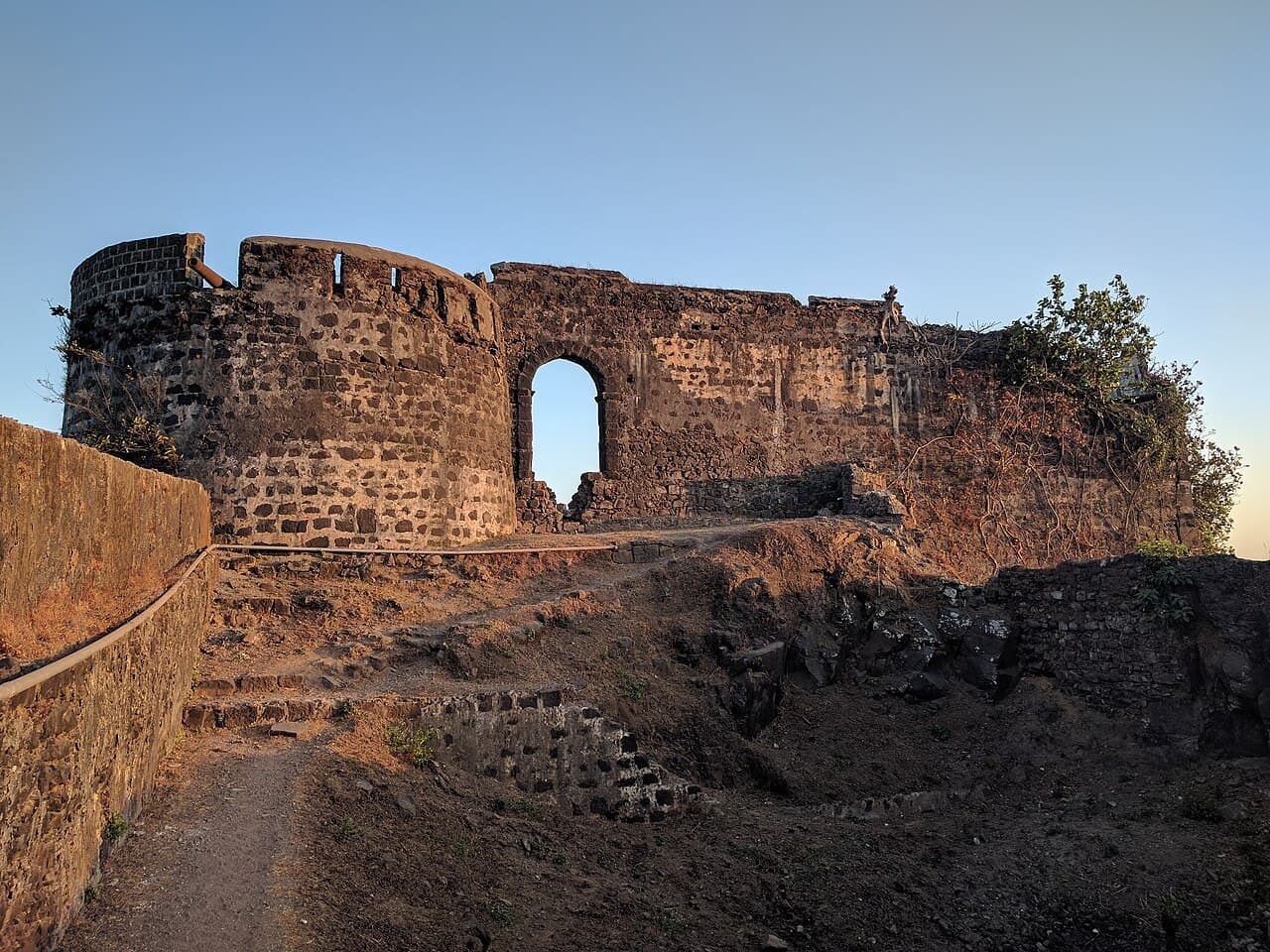
The fort is built primarily from locally sourced stone and mortar, with thick walls designed to withstand artillery bombardment. It includes several bastions, curtain walls, and a fortified gatehouse. The layout is adapted to the uneven terrain, with fortifications following the contours of the hill on which it stands, providing commanding views of the surrounding sea and land approaches.
Within the fort, there are remnants of Portuguese colonial architectural elements, including quarters for soldiers, storage facilities, and cisterns for water storage. The presence of these features highlights the fort’s role as both a military installation and a self-sustaining outpost.
Cultural legacy and linguistic impact
The Portuguese occupation left a lasting cultural imprint on the region, most notably in the form of the Korlai Portuguese Creole, a unique Luso-Indian creole language still spoken by some inhabitants of the nearby villages. This creole blends Portuguese vocabulary with local Marathi and Konkani influences, reflecting centuries of cultural exchange and coexistence.
The fort and its surrounding settlements serve as a reminder of the complex colonial history of western India and the interactions between European powers and indigenous communities.
Current condition and preservation
Today, Korlai Fort stands as a partially preserved structure. While many of its walls and bastions remain intact, the fort has suffered from centuries of exposure to the coastal climate and lack of continuous maintenance. Visitors can explore the ruins, which offer insights into the fort’s original defensive layout and architectural sophistication.
Efforts to preserve and promote the fort have increased in recent years, recognizing its historical and cultural significance as part of Maharashtra’s rich heritage.
Visiting korlai fort
The fort is accessible to visitors interested in history, architecture, and coastal landscapes. It offers panoramic views of the Arabian Sea and the surrounding countryside. Visitors should prepare for uneven terrain and bring appropriate footwear for exploring the ruins.
The nearby villages provide opportunities to learn more about the local culture and the enduring legacy of Portuguese influence through language and traditions.
Faqs about korlai fort
- What is the historical significance of Korlai Fort? Korlai Fort was a key Portuguese bastioned fortress built in the 16th century to defend their coastal province in Maharashtra, India.
- Can I visit Korlai Fort year-round? Yes, the fort is open to visitors throughout the year, though the best time to visit is during the cooler months from November to February.
- Is there an entrance fee to visit Korlai Fort? There is typically no entrance fee, making it an accessible historical site for tourists and locals alike.
- How do I reach Korlai Fort? The fort is located near the village of Korlai in Raigad district, accessible by road from nearby towns such as Alibag and Mumbai.
- What architectural features distinguish Korlai Fort? The fort features Renaissance-era bastioned walls, angled bastions for artillery defense, and Portuguese colonial structures within its perimeter.
- Is the fort suitable for children and elderly visitors? Due to uneven terrain and some steep sections, caution is advised for children and elderly visitors, but it is generally accessible with care.
Frequently asked questions (FAQ)
- What is the historical significance of Korlai Fort?
- Korlai Fort was a key Portuguese bastioned fortress built in the 16th century to defend their coastal province in Maharashtra, India.
- Can I visit Korlai Fort year-round?
- Yes, the fort is open to visitors throughout the year, though the best time to visit is during the cooler months from November to February.
- Is there an entrance fee to visit Korlai Fort?
- There is typically no entrance fee, making it an accessible historical site for tourists and locals alike.
- How do I reach Korlai Fort?
- The fort is located near the village of Korlai in Raigad district, accessible by road from nearby towns such as Alibag and Mumbai.
- What architectural features distinguish Korlai Fort?
- The fort features Renaissance-era bastioned walls, angled bastions for artillery defense, and Portuguese colonial structures within its perimeter.
- Is the fort suitable for children and elderly visitors?
- Due to uneven terrain and some steep sections, caution is advised for children and elderly visitors, but it is generally accessible with care.
Photo gallery

Information
Loading map...
Visitor reviews
No reviews yet. Been here? Write the first review and help other travelers!
Write the first reviewVisited this castle? Share your experience
Your review helps other travelers and adds first-hand knowledge to our encyclopedia.