Khānderi Island
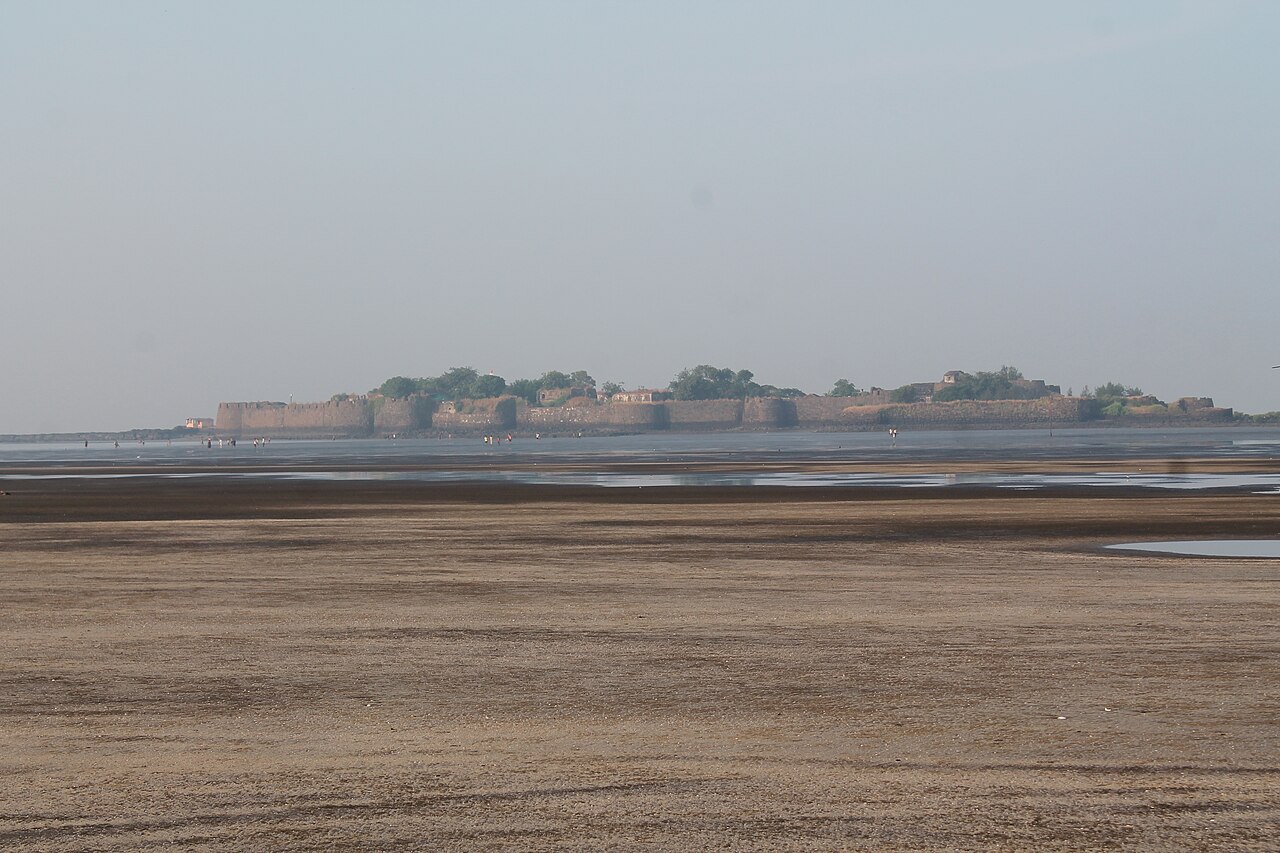
Khanderi Island, officially known as Kanhoji Angre Island, is a strategically significant island fort located off the coast of Maharashtra, south of Mumbai, India. This bastioned fortress was constructed to serve as a maritime defense point, controlling naval access along the western coastline of India. Its position allowed it to monitor and protect shipping routes in the Arabian Sea, making it a vital military asset during the early modern period.
Historical background and strategic importance
The fort on Khanderi Island was built in the early 18th century under the direction of the Maratha naval commander Kanhoji Angre, after whom the island is officially named. Kanhoji Angre was a prominent figure in the Maratha navy, known for his naval prowess and for establishing control over the western coast of India. The fort's construction was part of his efforts to strengthen maritime defenses against European colonial powers, including the British and Portuguese.
During the 18th century, the fort played a crucial role in safeguarding the Maratha Empire's naval dominance. It served as a base for patrolling the Arabian Sea and deterring pirate activities and hostile fleets. The fort's location on an island made it a natural stronghold, difficult to assault from land and well-positioned to oversee maritime traffic.
Architectural features and fortifications
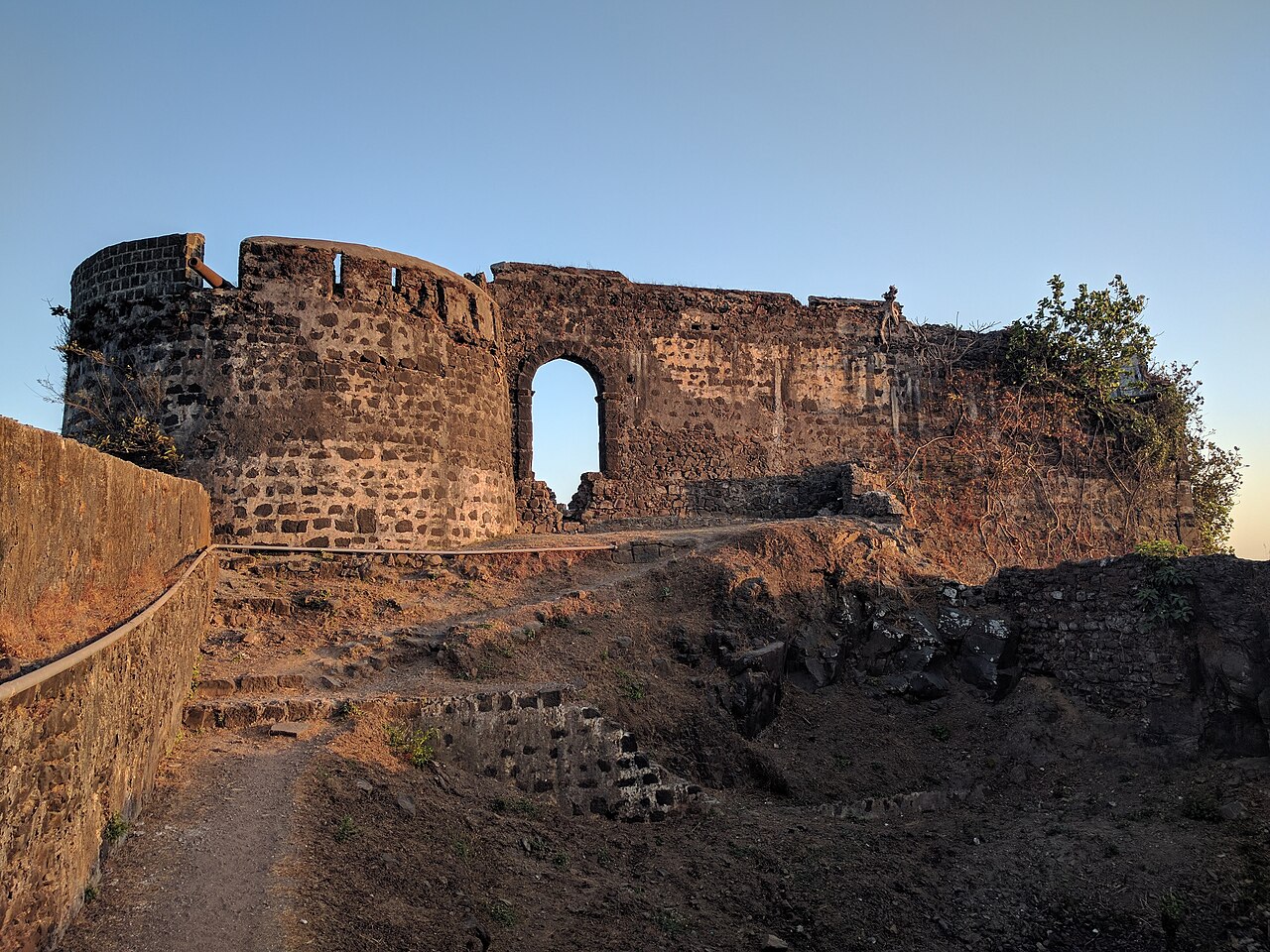
Khanderi Island fort is classified as a bastioned fortress, a style that incorporates angular bastions projecting from the main walls to provide defensive coverage and reduce blind spots. The fort's walls are robust and constructed from locally sourced stone, designed to withstand cannon fire and naval bombardment.
The fortress includes several bastions arranged to cover the approaches from the sea, with thick ramparts and parapets for artillery placement. The design reflects the influence of European military architecture adapted to Indian coastal conditions. The fort also contains cisterns for water storage, essential for sustaining the garrison during sieges.
Inside the fort, there are remains of residential quarters, ammunition stores, and watchtowers that provided vantage points for observing enemy movements. The fort's compact layout maximizes the use of the island's limited space while maintaining strong defensive capabilities.
Maritime defense and naval operations
The fort's primary function was to support the Maratha navy's operations. It served as a lookout post and a staging ground for naval expeditions. The bastioned design allowed defenders to mount cannons effectively, controlling the surrounding waters and deterring enemy ships.
Khanderi Island fort was part of a network of coastal fortifications, including the nearby Sindhudurg Fort, which together formed a defensive chain protecting the Maratha coastline. These forts enabled the Maratha navy to exert control over sea lanes and challenge European naval powers during the 18th century.
Current condition and accessibility
Today, Khanderi Island fort remains in a state of partially preserved ruins. The walls and bastions are still visible, though some parts have suffered from erosion and neglect. The fort is accessible by boat from the mainland near Mumbai, making it a destination for visitors interested in maritime history and coastal fortifications.
Efforts have been made to preserve the site, recognizing its cultural and historical importance as part of India's naval heritage. Visitors can explore the fort's ramparts and enjoy panoramic views of the Arabian Sea.
Significance in Indian maritime history
Khanderi Island fort symbolizes the maritime strength of the Maratha Empire and their innovative naval strategies. Its bastioned design represents the blend of indigenous and European military architectural influences adapted for coastal defense. The fort stands as a testament to the naval leadership of Kanhoji Angre, whose legacy is integral to India's maritime history.
The fort's role in controlling trade routes and resisting colonial naval powers highlights its strategic value during a period of intense maritime competition in the Indian Ocean.
Frequently asked questions (FAQ)
- How do I reach Khanderi Island fort from Mumbai?
- Khanderi Island fort is accessible by boat from Mumbai. Visitors typically hire boats from nearby coastal towns or Mumbai's harbors to reach the island.
- What is the historical significance of Khanderi Island fort?
- The fort was built under Maratha naval commander Kanhoji Angre in the early 18th century and served as a key maritime defense point controlling sea routes along the western coast of India.
- Can I explore the entire fort on Khanderi Island?
- While much of the fort remains in ruins, visitors can explore the visible bastions, ramparts, and some internal structures. However, some areas may be unsafe or inaccessible due to erosion.
- When is the best time to visit Khanderi Island fort?
- The best time to visit is during the cooler months from November to February, when the weather is pleasant and suitable for boat trips and outdoor exploration.
- Is there an entrance fee to visit Khanderi Island fort?
- Currently, there is no official entrance fee to visit Khanderi Island fort, but visitors should confirm locally as conditions may change.
Photo gallery

Information
Loading map...
Visitor reviews
No reviews yet. Been here? Write the first review and help other travelers!
Write the first reviewVisited this castle? Share your experience
Your review helps other travelers and adds first-hand knowledge to our encyclopedia.