Kolaba Fort
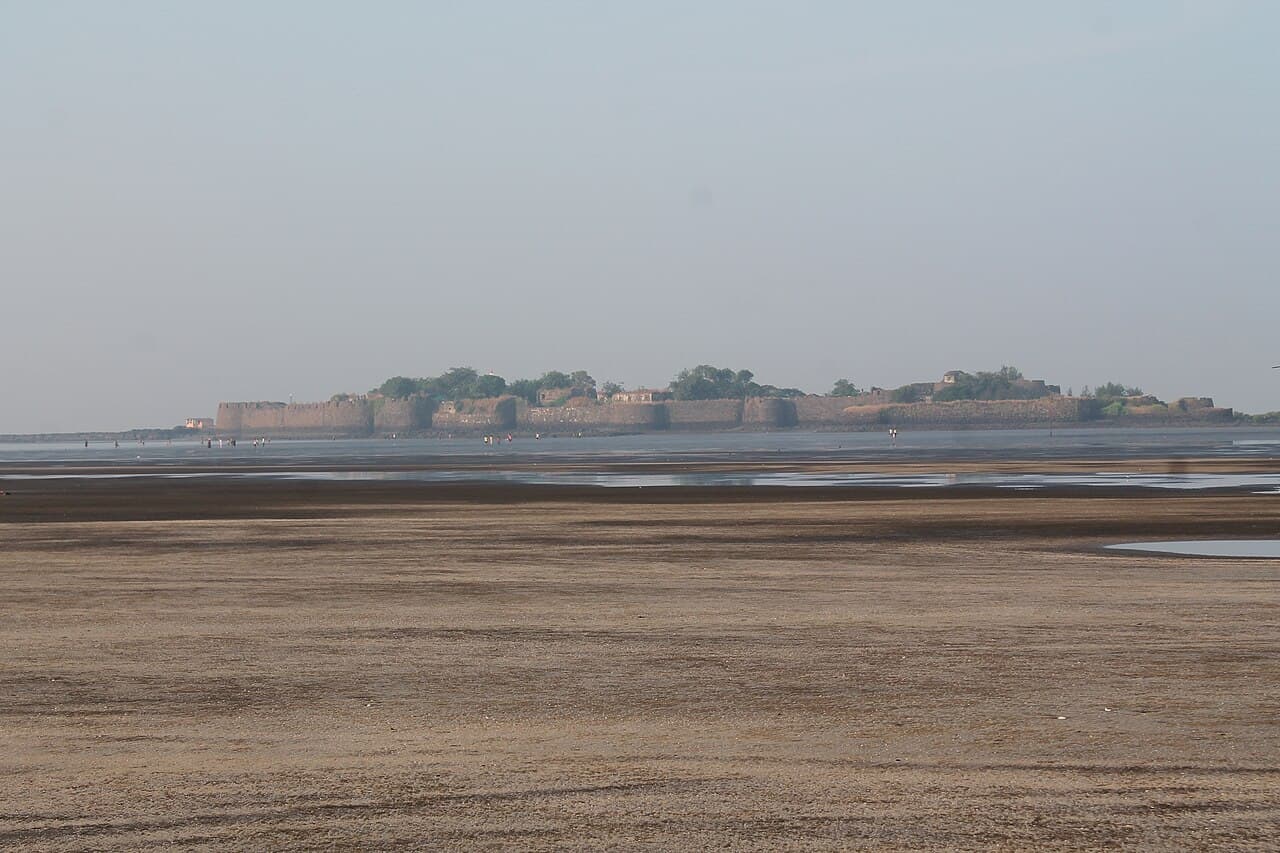
Kolaba Fort, also known as Colaba Fort, is a 17th-century bastioned fortress located in the Arabian Sea near Alibag in the Konkan region of Maharashtra, India. This maritime fortification lies approximately 1 to 2 kilometers from the Alibag shoreline, making it a unique sea fort accessible only during low tide by walking across the exposed seabed or by boat during high tide. The fort's strategic position was crucial for controlling naval access along the western coast of India, particularly protecting the coastline from potential invasions and piracy during the early modern period.
Constructed primarily under the reign of Chhatrapati Shivaji Maharaj, the founder of the Maratha Empire, Kolaba Fort was designed as a defensive bastioned fortress with robust walls and multiple bastions to withstand artillery attacks. The fortification exhibits typical features of bastioned fort architecture, including thick stone walls, cannons mounted on bastions, and a moat-like surrounding sea that enhanced its defensive capabilities. Its construction reflects the military engineering techniques of the 17th century in the Indian subcontinent, blending indigenous methods with influences from Portuguese and other European coastal fortifications.
Historical background and strategic importance
The fort was built to serve as a naval base and a protective barrier for the Maratha navy against the Portuguese and other colonial powers who held sway over the western coast of India during the 16th and 17th centuries. Kolaba Fort's location allowed the Marathas to monitor and control maritime traffic in the Arabian Sea, safeguarding trade routes and ensuring the security of the nearby port town of Alibag.
Throughout its history, the fort witnessed several skirmishes and sieges. It was a significant military asset during the Maratha Empire's expansion and later during conflicts involving the British East India Company. Despite changes in political control, Kolaba Fort remained a symbol of maritime strength and regional dominance.
Architectural features and layout
Bastions and walls
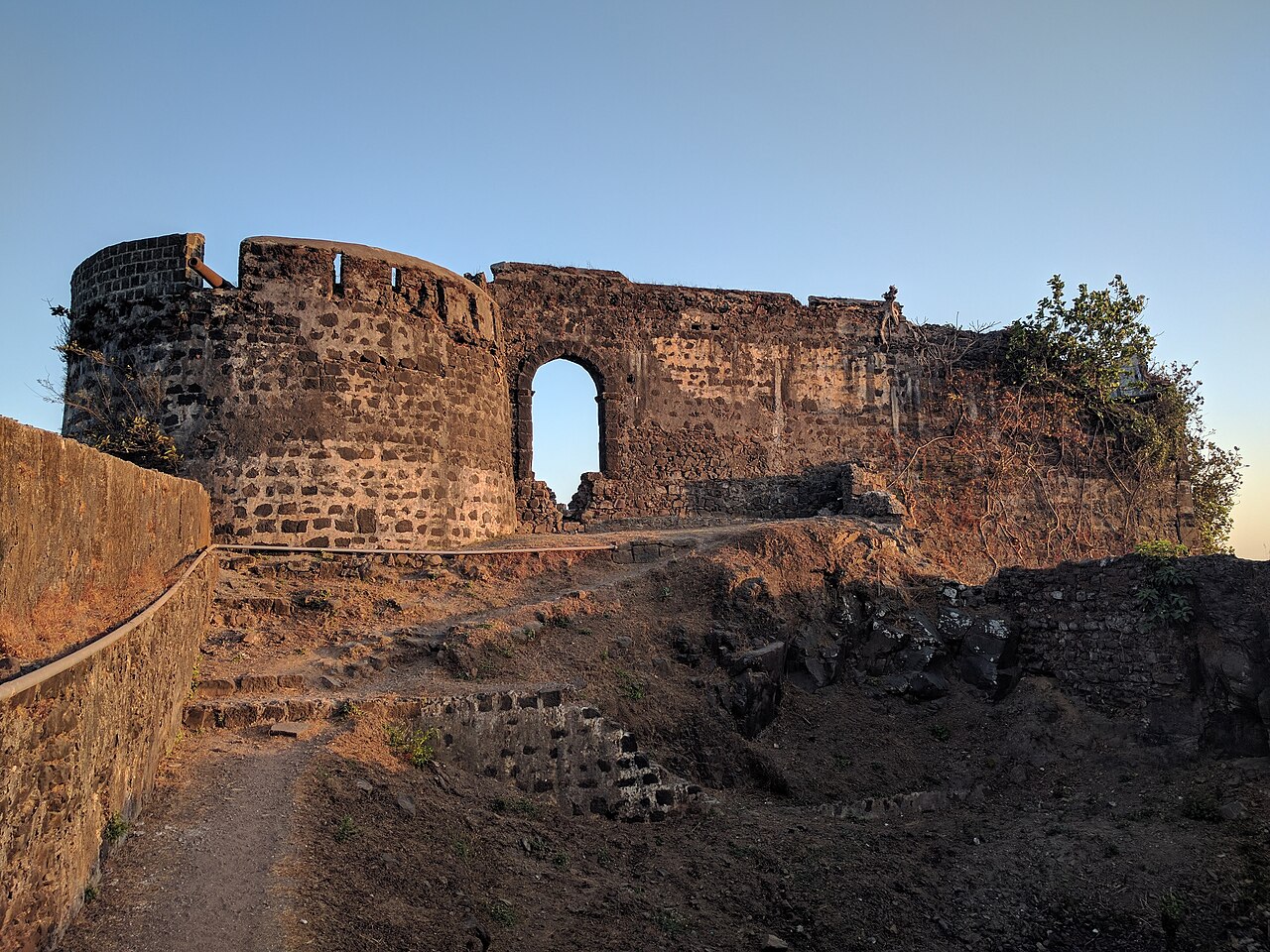
The fort is characterized by its massive stone walls that rise directly from the sea, forming a roughly rectangular plan with rounded bastions at the corners. These bastions were equipped with cannons to repel enemy ships and attacks. The walls are constructed with laterite stone, a material commonly used in the Konkan region for its durability and resistance to the saline marine environment.
Gates and internal structures
Kolaba Fort has a main entrance gate facing the shore, which is fortified and once guarded by sentries. Inside the fort, there are remnants of residential quarters, granaries, and water tanks that supported the garrison stationed there. The fort also contained a small temple, indicative of the cultural practices of the Maratha soldiers and inhabitants.
Moat and sea defenses
The surrounding sea acts as a natural moat, making the fort inaccessible during high tide without a boat. This natural defensive feature was enhanced by the fort's elevated walls and strategic positioning, which provided a commanding view of the surrounding waters and approaching vessels.
Present-day status and tourism
Today, Kolaba Fort is a protected monument under the Archaeological Survey of India. It has become a popular tourist destination, attracting visitors interested in history, architecture, and coastal landscapes. The fort's unique location and historical significance make it a favored spot for sightseeing, photography, and exploring Maratha maritime heritage.
Visitors can reach the fort by walking across the sea during low tide or by boat at other times. The fort is accessible year-round, with the best time to visit being the cooler months from November to February. Local guides often provide tours explaining the fort's history and architectural details.
Cultural significance and heritage conservation
Kolaba Fort stands as a testament to the maritime prowess of the Maratha Empire and their strategic use of coastal fortifications. It reflects the blend of military architecture adapted to the unique coastal environment of the Konkan coast. Efforts by the Archaeological Survey of India ensure the preservation of this heritage site, promoting awareness and appreciation of India's coastal history.
Frequently asked questions (FAQ)
- How do I get to Kolaba Fort?
- Kolaba Fort is located about 2.5 kilometers from Alibag beach. You can reach the fort by hiring a boat from the beach during low tide or by walking across the sand during low tide.
- What is the historical significance of Kolaba Fort?
- Kolaba Fort was built in the 17th century by Chhatrapati Shivaji Maharaj to protect the coastal region from foreign invasions. It played a crucial role in the Maratha Empire and has a rich history associated with various battles and maritime trade.
- When was Kolaba Fort constructed?
- Kolaba Fort was constructed in 1680 and was completed in 1684. The fort's strategic location allowed it to be a significant defense point against enemy ships.
- Can I explore the fort on my own?
- Yes, visitors can explore Kolaba Fort on their own. The fort features several structures, including temples and water cisterns, which are accessible for a self-guided tour.
- Why is Kolaba Fort an important architectural site?
- Kolaba Fort showcases unique Maratha architecture, characterized by its robust walls and bastions. The fort's design reflects the military ingenuity of the Maratha Empire and its strategic importance in coastal defense.
- Is it possible to visit Kolaba Fort year-round?
- Yes, Kolaba Fort is open for visitors throughout the year. However, the best time to visit is between November and February when the weather is cooler and more pleasant for outdoor exploration.
- What are the opening hours for Kolaba Fort?
- Kolaba Fort is typically open from sunrise to sunset. It's advisable to visit early in the morning or late in the afternoon to avoid the heat and enjoy the scenic views.
- Are there any ticket prices for visiting Kolaba Fort?
- Visiting Kolaba Fort is free of charge. However, you may need to pay a small fee for boat rides if you choose to take the boat from Alibag beach to the fort.
- What nearby attractions can I visit after Kolaba Fort?
- After exploring Kolaba Fort, you can visit Alibag Beach, which is just a short distance away. Other nearby attractions include the Kanakeshwar Devasthan Temple and the beautiful Mandwa Beach.
Photo gallery

Information
Loading map...
Visitor reviews
No reviews yet. Been here? Write the first review and help other travelers!
Write the first reviewVisited this castle? Share your experience
Your review helps other travelers and adds first-hand knowledge to our encyclopedia.