Konradsburg
Konradsburg is a notable hill castle located near Ermsleben in the federal state of Saxony-Anhalt, Germany. It dates back to the 11th century, placing its origins in the High Medieval period. Originally constructed as a fortress, Konradsburg later served as a monastery and manor house, reflecting its evolving role through centuries.
Historical background and significance
The castle's foundation in the 11th century situates it within a time of significant territorial consolidation and feudal development in medieval Germany. Konradsburg was initially built as a defensive stronghold to control the surrounding region and assert the power of its builders. Over time, the site transitioned from purely military use to religious and residential functions, a common pattern for castles in this era.
By the late medieval period, Konradsburg had become a monastery, indicating its importance not only as a military installation but also as a religious center. This dual function highlights the castle's role in the cultural and spiritual life of the region.
Architectural features and layout
Fortifications and defensive structures
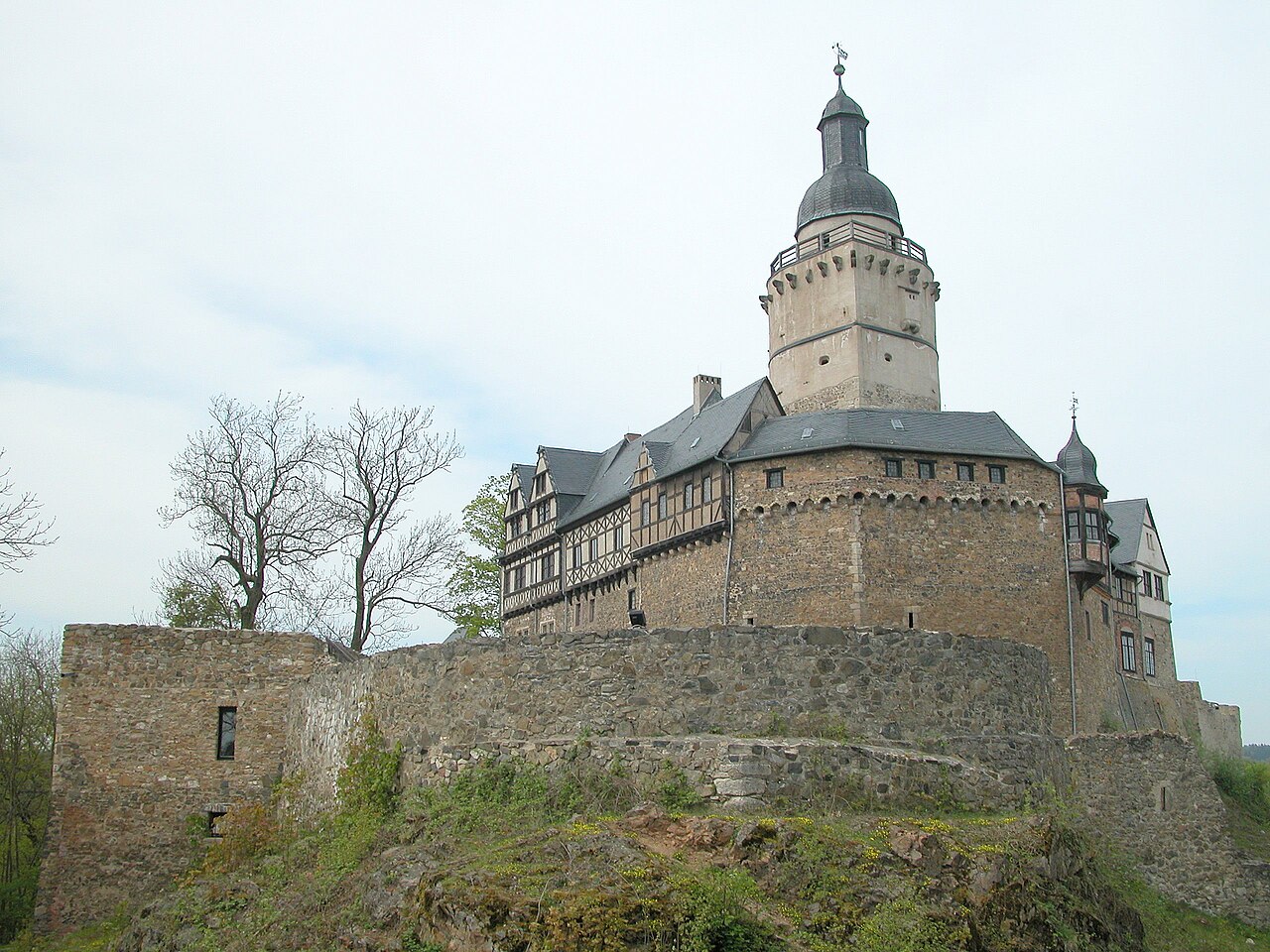
The castle's location on a hill provided natural defensive advantages, typical of hill castles built during the High Medieval period. The elevated position allowed for extensive views over the surrounding landscape, enabling early detection of approaching enemies.
Konradsburg's fortifications would have included thick stone walls, battlements, and possibly a keep or donjon serving as the last line of defense. The castle likely featured a gatehouse controlling access, along with defensive towers positioned to cover vulnerable approaches.
Monastic and residential elements
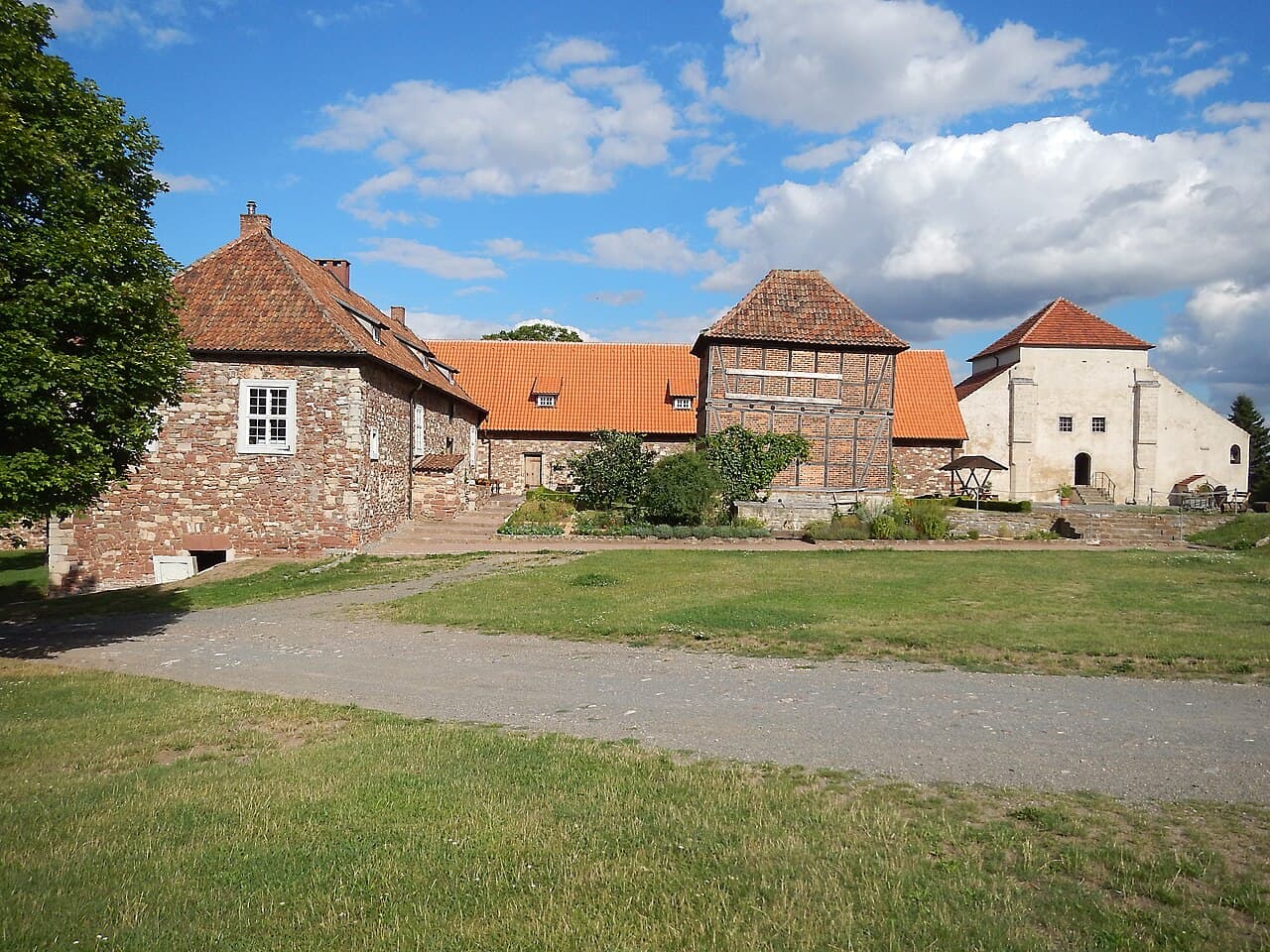
After its conversion to a monastery, the castle complex was adapted to include religious buildings such as a chapel, cloisters, and living quarters for monks. The manor house elements would have provided comfortable accommodation for the castle's lords or abbots, blending military and domestic architecture.
Konradsburg in the modern era
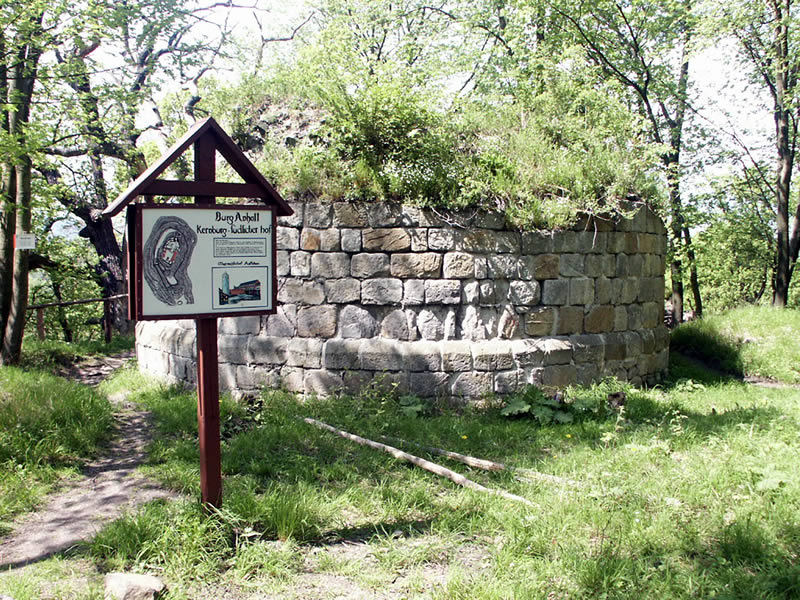
Today, Konradsburg remains a significant historical site reflecting the layered history of medieval fortifications and monastic life in Saxony-Anhalt. While some parts of the castle may be in ruins or partially preserved, the site attracts visitors interested in medieval architecture and German history.
The castle's setting near Ermsleben offers a scenic backdrop for exploration, with opportunities to study the remains of its defensive structures and monastic buildings. Konradsburg stands as a testament to the complex interplay of military, religious, and residential functions in medieval castles.
Visiting Konradsburg
Visitors to Konradsburg can explore the castle grounds and appreciate the historical context of this 11th-century hill castle. The site offers insight into the architectural evolution from fortress to monastery and manor house. While facilities may be limited, the castle's historical ambiance and natural surroundings make it a worthwhile destination for enthusiasts of medieval history and architecture.
Architectural style and preservation
Konradsburg exhibits characteristics typical of High Medieval architecture, with robust stone construction and practical defensive design. The adaptation to monastic use introduced elements of ecclesiastical architecture, integrating spiritual and functional spaces.
The current condition of the castle is generally partially preserved, with some original structures remaining intact while others have deteriorated over time. Conservation efforts aim to maintain the site's historical integrity and facilitate public access.
Frequently asked questions (FAQ)
- What is the historical significance of Konradsburg?
- Konradsburg is a medieval fortress that dates back to the 12th century, showcasing the architectural styles and military strategies of the time. It played a vital role in the defense of the region and has witnessed numerous historical events, making it an important landmark in German history.
- When was Konradsburg built?
- Konradsburg was constructed in the early 12th century, with its foundation believed to be laid around 1120. Over the centuries, it has undergone various renovations and restorations, preserving its historical essence and architectural integrity.
- What are the opening hours for visiting Konradsburg?
- Konradsburg is open to visitors from April to October, with hours varying between 10 AM and 6 PM. During the winter months, it is advisable to check for specific opening times, as the castle may close for maintenance and restoration.
- Can I take guided tours of Konradsburg?
- Yes, guided tours of Konradsburg are available and highly recommended to fully appreciate its rich history and architectural features. These tours provide in-depth knowledge and insights that you might not gain on a self-guided visit.
- Is Konradsburg accessible for visitors with mobility issues?
- While Konradsburg offers some accessible areas, the historical nature of the castle means that not all parts are wheelchair-friendly. It is advisable to contact the castle administration ahead of your visit to inquire about specific accessibility options and assistance available.
- What is the best time to visit Konradsburg?
- The best time to visit Konradsburg is during the spring and early autumn months, when the weather is mild and pleasant for exploring the grounds. Additionally, visiting during these times allows you to avoid the summer crowds and enjoy a more intimate experience of the castle.
- What are the ticket prices for Konradsburg?
- Admission tickets for Konradsburg are generally affordable, with discounts available for students, seniors, and families. It is recommended to check the official website for the most up-to-date pricing information and any special events that may affect ticket rates.
- Are there any nearby attractions to visit after Konradsburg?
- Yes, there are several attractions near Konradsburg, including the historic town of Ermsleben and the beautiful Harz Mountains. Visitors can explore charming villages, hiking trails, and other historical sites in the surrounding area, making for a full day of adventure.
Photo gallery

Information
Loading map...
Visitor reviews
No reviews yet. Been here? Write the first review and help other travelers!
Write the first reviewVisited this castle? Share your experience
Your review helps other travelers and adds first-hand knowledge to our encyclopedia.