Königstein Castle, located in the Free State of Saxony, Germany, is a striking example of a hill castle that has played a significant role in the region's medieval and early modern history. Perched on a prominent sandstone plateau above the Elbe River, the castle commands expansive views of the surrounding landscape, making it a formidable defensive position. The castle's origins date back to the High Medieval period, with the earliest documented mention in the 13th century, although archaeological evidence suggests that the site may have been used for fortifications even earlier.
Historical significance and development
Königstein Castle served multiple strategic and administrative purposes throughout its history. Initially constructed as a military stronghold, it evolved into a princely residence and a state prison during various periods. The castle was especially important as a refuge and military base during times of conflict, including the Hussite Wars and the Thirty Years' War. Its robust fortifications allowed it to withstand sieges and assaults, contributing to its reputation as an impregnable fortress.
Over centuries, the castle saw numerous expansions and modifications. The original medieval structures were supplemented with Renaissance-era bastions and artillery fortifications in response to advances in military technology. These adaptations reflected the transition from purely medieval defensive architecture to early modern military engineering.
Architectural features and layout
The castle complex is characterized by its extensive use of the natural sandstone rock formations, which were integrated into the defensive walls and buildings. The plateau on which the castle stands is naturally steep, enhancing its defensibility. The castle's layout includes several key architectural components:
- Massive curtain walls that enclose the plateau, forming a nearly impregnable barrier.
- Multiple towers and bastions positioned to provide overlapping fields of fire and observation points.
- Gatehouses and drawbridges controlling access to the fortress.
- Residential buildings including the remains of the princely palace and garrison quarters.
- Storage cellars and cisterns designed to sustain the inhabitants during prolonged sieges.
The castle's architectural style is predominantly Gothic with later Renaissance modifications. The use of sandstone as the primary building material gives the ruins a distinctive reddish hue that contrasts with the surrounding greenery.
Current condition and preservation
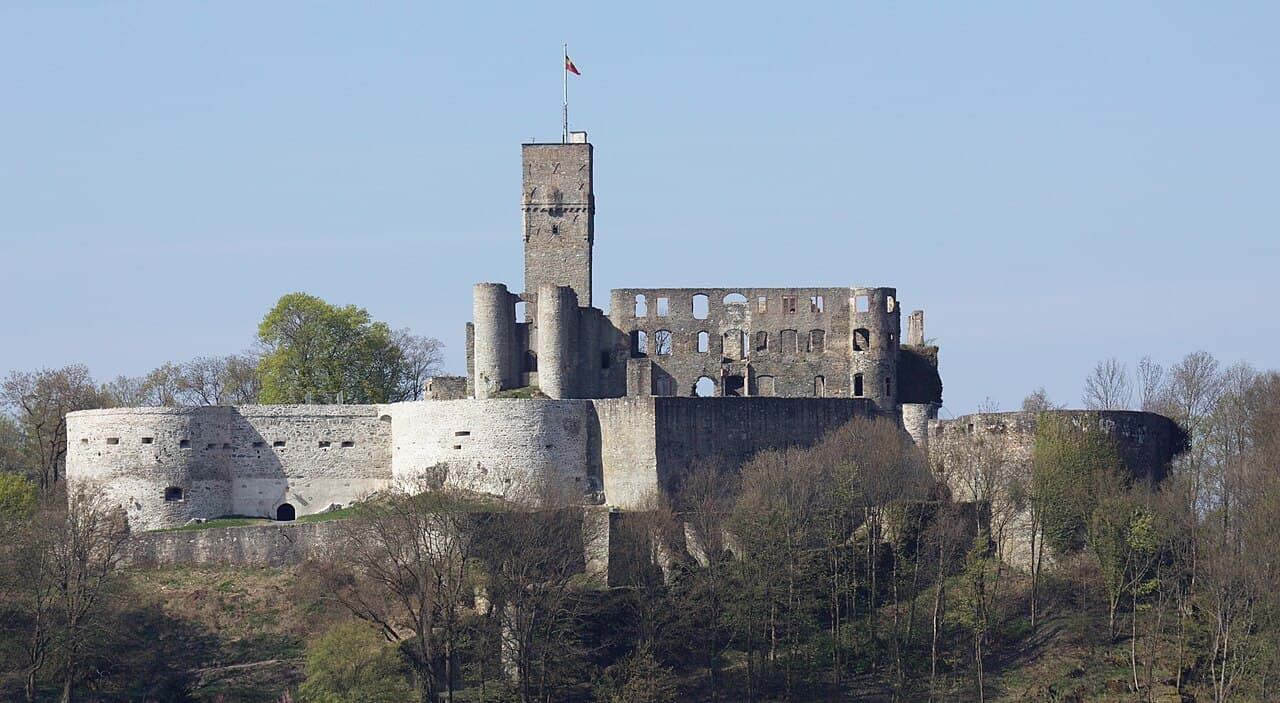
Today, Königstein Castle is classified as ruins, with significant portions of its walls, towers, and buildings still standing. The site has been the subject of archaeological research and conservation efforts aimed at preserving its structural remains and making the site accessible to visitors. The castle ruins offer a vivid insight into medieval and Renaissance military architecture and the historical evolution of fortifications in Saxony.
The castle is a popular destination for tourists and history enthusiasts, providing hiking trails, guided tours, and panoramic views of the Elbe Sandstone Mountains. Its dramatic location and well-preserved ruins make it a notable landmark in the region.
Visiting information and cultural importance
Königstein Castle is open to the public with visiting hours typically from morning until late afternoon, although exact times may vary seasonally. The site often hosts cultural events, exhibitions, and educational programs that highlight its historical and architectural significance.
As a symbol of Saxony's medieval heritage, Königstein Castle remains an important cultural monument, reflecting the region's historical military strategies and architectural advancements. Its ruins continue to inspire interest in the study of castle construction and preservation.
Frequently asked questions (FAQ)
- How do I get to Königstein Castle?
- Königstein Castle is easily accessible by car or public transport. If you are traveling by train, the nearest station is Königstein (Sachs), from which you can take a short bus ride or enjoy a scenic hike to the castle.
- What is the historical significance of Königstein Castle?
- Königstein Castle, built in the 13th century, served as a royal residence and a military fortress. It played a crucial role in the defense of the Saxon region and has a rich history that reflects the political struggles of its time.
- When was Königstein Castle built?
- Construction of Königstein Castle began in the late 12th century, with significant expansions occurring throughout the 13th and 14th centuries. The castle's strategic location and robust fortifications were developed over centuries to enhance its defensive capabilities.
- Can I visit Königstein Castle year-round?
- Yes, Königstein Castle is open to visitors year-round, although certain areas may have restricted access during the winter months. It's advisable to check the official website for updates on opening hours and seasonal events before your visit.
- Why is Königstein Castle considered an architectural marvel?
- Königstein Castle is renowned for its impressive fortifications and stunning views of the surrounding landscape. The combination of medieval architecture and well-preserved structures, such as the panoramic terrace and various towers, make it a remarkable example of military architecture.
- Is it possible to take guided tours of Königstein Castle?
- Yes, guided tours are available at Königstein Castle, providing visitors with insightful information about its history and architecture. These tours are led by knowledgeable guides who can enhance your experience by sharing fascinating stories and facts.
- What are the ticket prices for Königstein Castle?
- Ticket prices for Königstein Castle vary depending on the season and the type of tour you choose. Generally, adult tickets range from 8 to 10 euros, with discounts available for children, students, and seniors.
- What are the opening hours of Königstein Castle?
- Königstein Castle typically opens at 9 AM and closes at 6 PM during the summer months. However, hours may vary in the off-season, so it’s recommended to check the official website before planning your visit.
- What nearby attractions can I visit while at Königstein Castle?
- While visiting Königstein Castle, you can also explore the beautiful Saxon Switzerland National Park, known for its stunning rock formations and hiking trails. Additionally, the picturesque town of Königstein offers charming cafes and shops, perfect for a leisurely stroll.
Photo gallery

Information
Loading map...
Visitor reviews
No reviews yet. Been here? Write the first review and help other travelers!
Write the first reviewVisited this castle? Share your experience
Your review helps other travelers and adds first-hand knowledge to our encyclopedia.