Konda Reddy Fort
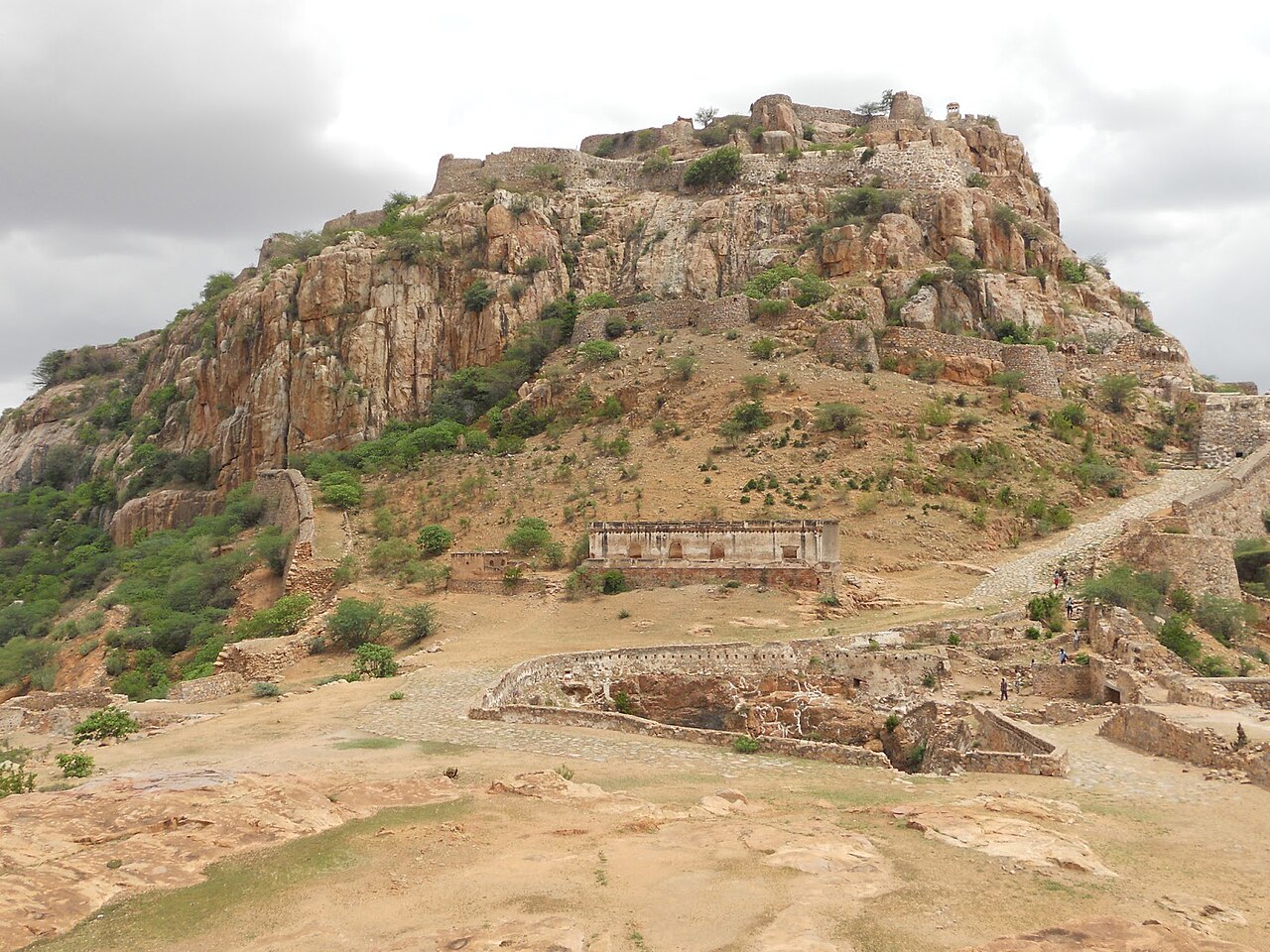
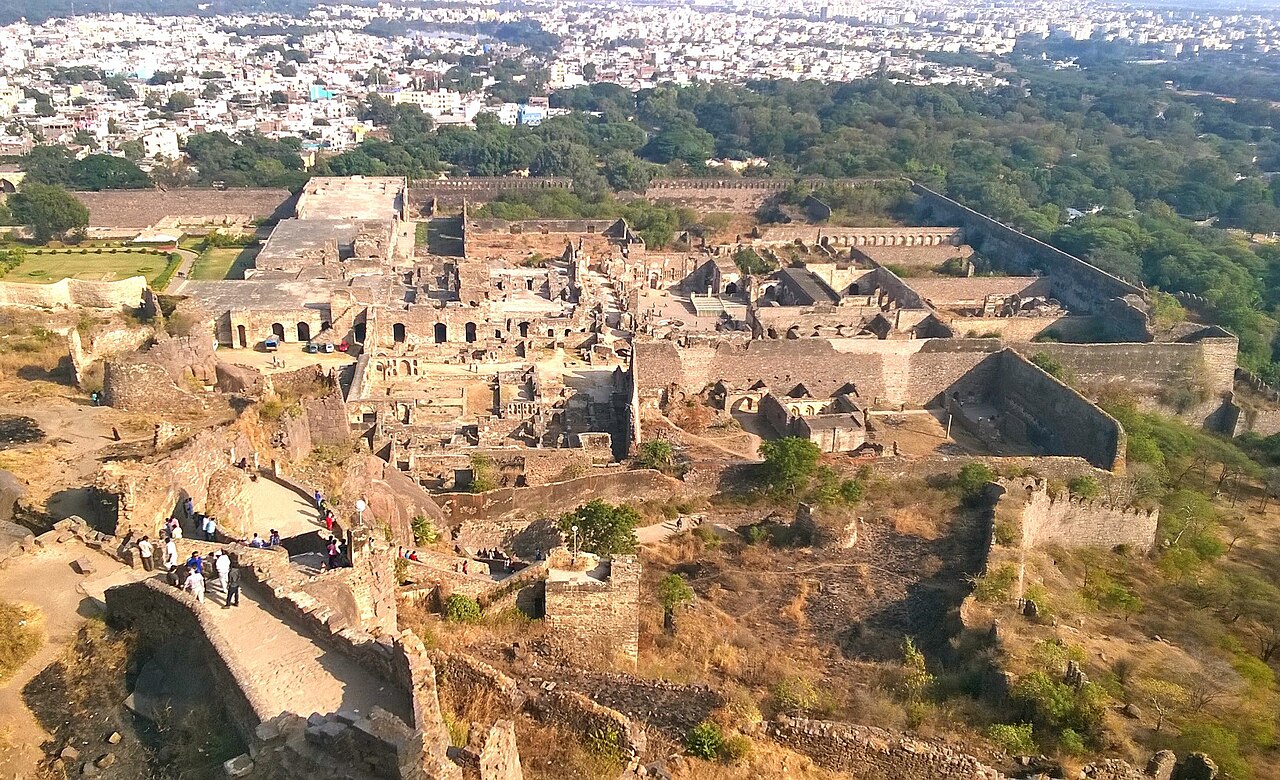
Konda Reddy Fort, also known as Kondareddy Buruju, stands as a significant historical bastioned fortress in the city of Kurnool, located in the state of Andhra Pradesh, India. This fort is situated approximately 2 kilometers from the Kurnool Railway Station and 2.9 kilometers from the Kurnool New Bus Stand, making it easily accessible to visitors. It lies about 24 kilometers from Alampur, a town known for its ancient temples. The fort occupies a central position within Kurnool city, marking it as a notable landmark.
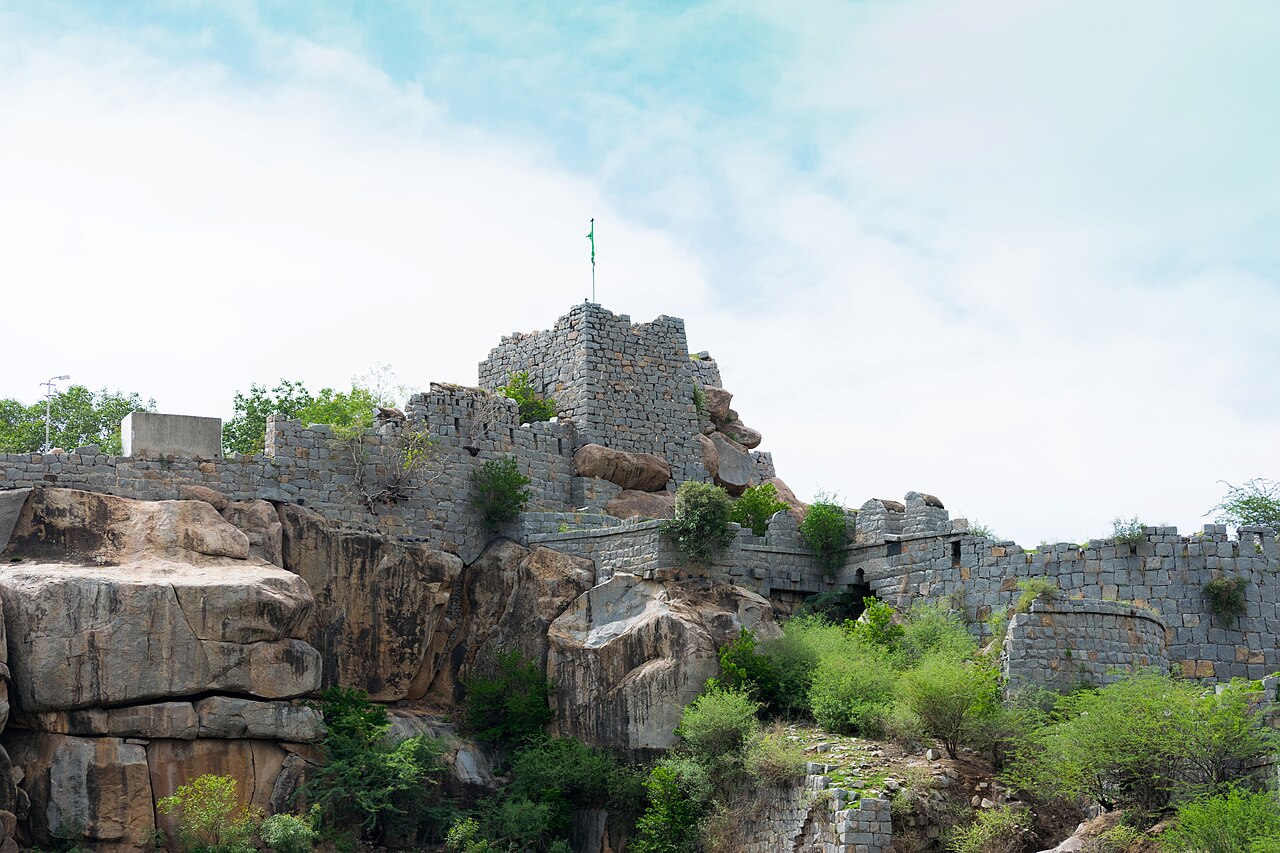
The fort's most distinctive feature is its semi-circular bastion, which is crowned by a tower, representing the only surviving structure from the original fortifications that once encircled the city. This bastioned design reflects military architectural principles aimed at defense and surveillance, characteristic of fortifications built to withstand artillery assaults.
Historical context and significance
Konda Reddy Fort is named after a local ruler or chieftain, believed to be Konda Reddy, who played a role in the region's history during the late medieval period. The fort's origins date back several centuries, with its construction reflecting the strategic importance of Kurnool as a center of administration and military activity in the region.
The fortification served as a defensive stronghold in various historical conflicts and witnessed the changing control of the Deccan region, including the influence of the Vijayanagara Empire and later the Qutb Shahi dynasty. Its bastioned walls were designed to repel invaders and protect the inhabitants of the city.
Architectural features and layout
The surviving semi-circular bastion of Konda Reddy Fort is a prominent example of bastioned fort architecture, which integrates angular bastions for improved defense. This architectural style became widespread in India during the late medieval period as gunpowder weaponry became more prevalent.
The fort's walls, originally encompassing a larger area, were constructed using locally sourced stone and lime mortar. The bastion's elevated tower provided vantage points for lookouts to monitor approaching threats. Although much of the original fortification has been lost over time, the existing structure offers insight into the military engineering techniques employed.
Defensive elements
The bastion was designed to allow defenders to fire upon enemies from multiple angles, minimizing blind spots. The thick walls and elevated position enhanced its resilience against artillery fire. The tower atop the bastion served both as a lookout and a command post during sieges.
Current condition and preservation
Today, Konda Reddy Fort remains a well-preserved monument, although only the bastioned portion survives intact. The fort is maintained as a heritage site and attracts tourists interested in the military history and architecture of Andhra Pradesh.
Efforts have been made to conserve the structure, and it is an important cultural symbol for the city of Kurnool. The fort's central location within the urban environment presents challenges for preservation but also ensures its visibility and accessibility to the public.
Visiting information
Visitors to Konda Reddy Fort can explore the bastion and tower, gaining views of the surrounding cityscape. The site is open to the public, and its proximity to major transport hubs makes it convenient for tourists and locals alike.
The fort is an ideal destination for those interested in medieval military architecture and the historical evolution of fortifications in southern India. Nearby attractions such as the temples of Alampur provide additional cultural context for visitors.
Frequently asked questions (FAQ)
- What is the historical significance of Konda Reddy Fort?
- Konda Reddy Fort, built in the 15th century, is a symbol of the region's rich history and architectural prowess. It served as a strategic military fortification and has witnessed numerous battles, making it an important site for understanding the local heritage and culture.
- When was Konda Reddy Fort constructed?
- Konda Reddy Fort was constructed in 1660 during the reign of the Vijayanagara Empire. The fort's construction reflects the military architecture of the time, designed to withstand sieges and protect the territories.
- What are the opening hours for Konda Reddy Fort?
- Konda Reddy Fort is open to visitors from 9:00 AM to 6:00 PM daily. It is advisable to visit during daylight hours to fully appreciate the fort's features and enjoy the surrounding landscape.
- Can I take photographs inside Konda Reddy Fort?
- Yes, visitors are welcome to take photographs inside Konda Reddy Fort. The stunning architecture and picturesque views provide excellent opportunities for photography enthusiasts.
- Is Konda Reddy Fort accessible for people with disabilities?
- The fort has some areas that may be challenging for visitors with mobility issues due to its historical structure and terrain. However, staff can provide assistance, and it is recommended to check in advance for the best routes to explore.
- What is the best time to visit Konda Reddy Fort?
- The best time to visit Konda Reddy Fort is between October and March when the weather is cooler and more pleasant. This period allows for comfortable exploration of the fort and its surroundings.
- Are there any nearby attractions to Konda Reddy Fort?
- Yes, there are several nearby attractions including the historic Mahanandi Temple and the scenic Nallamala Hills. These sites complement your visit to Konda Reddy Fort and offer additional cultural and natural experiences.
- What are the ticket prices for visiting Konda Reddy Fort?
- The entry fee for Konda Reddy Fort is quite affordable, typically around INR 10 for Indian nationals and INR 100 for foreign visitors. This makes it an accessible destination for tourists and history enthusiasts alike.
Photo gallery

Information
Loading map...
Visitor reviews
No reviews yet. Been here? Write the first review and help other travelers!
Write the first reviewVisited this castle? Share your experience
Your review helps other travelers and adds first-hand knowledge to our encyclopedia.