Gooty Fort
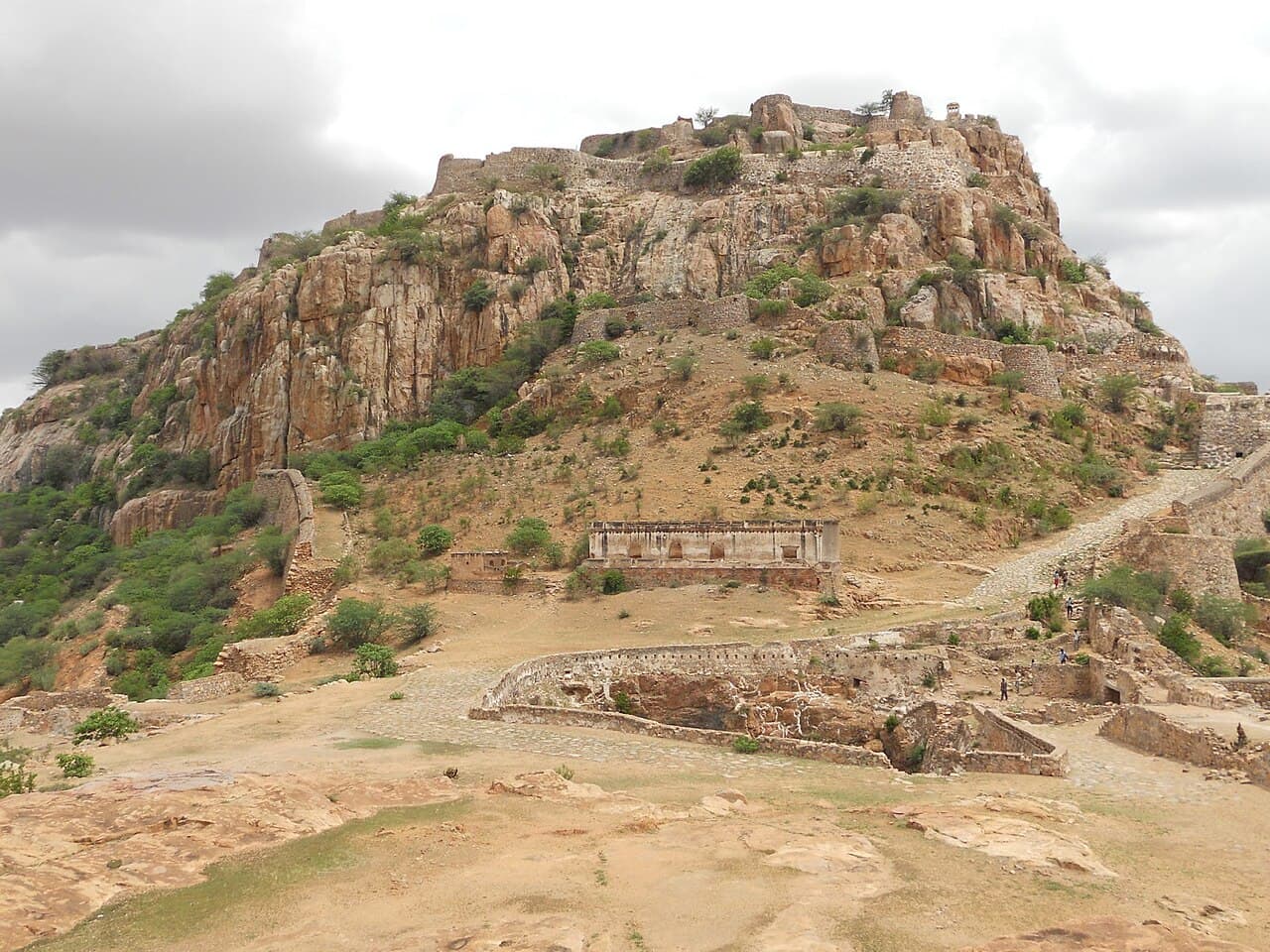
Gooty Fort, also known as Ravadurg and Gutti Kota, is an ancient hilltop fortress located in the town of Gooty in the Anantapur district of Andhra Pradesh, India. This fort is perched atop a rocky hill, strategically positioned to oversee the surrounding plains, which historically made it a formidable defensive stronghold. The fort's location on a steep hill provided natural protection, complemented by man-made fortifications that enhanced its defensive capabilities.
The fort is recognized as a centrally protected monument of national importance by the Archaeological Survey of India, highlighting its cultural and historical significance within the region. Although now in a state of ruins, the remnants of the fort reveal insights into the military architecture and strategic planning of the period in which it was constructed.
Historical background and significance
Gooty Fort has a history that dates back several centuries, with its origins linked to various ruling dynasties in southern India. It was an important military and administrative center during the medieval period. The fort changed hands multiple times due to its strategic importance, including control by the Vijayanagara Empire, Qutb Shahi dynasty, and later the Mughal Empire. Each ruling power contributed to the fort's construction and modifications, reflecting a blend of architectural influences.
The fort's prominence was largely due to its commanding position over trade routes and its role in regional power struggles. Its control was vital for dominance in the Deccan region, making it a coveted military asset during various conflicts and sieges.
Architectural features and layout
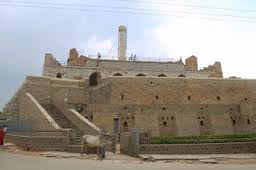
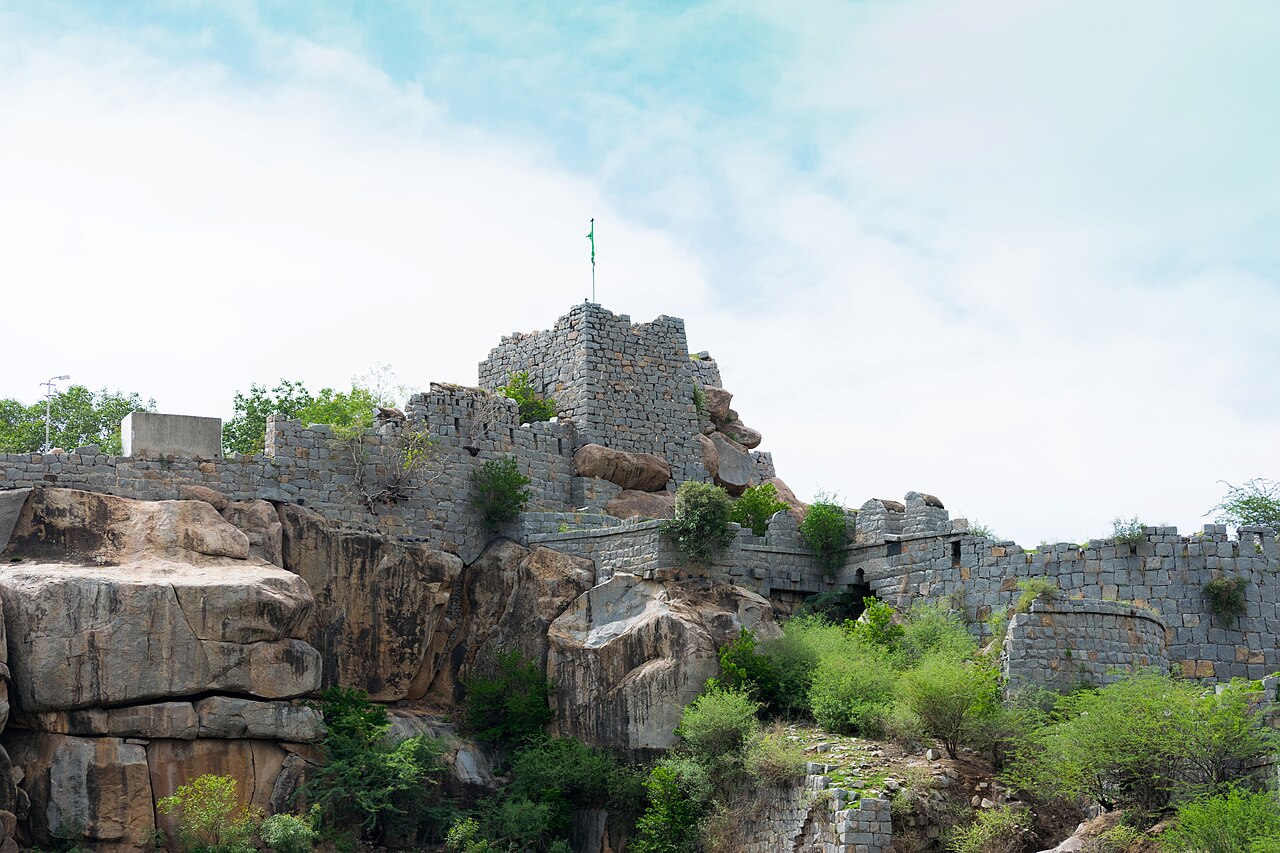
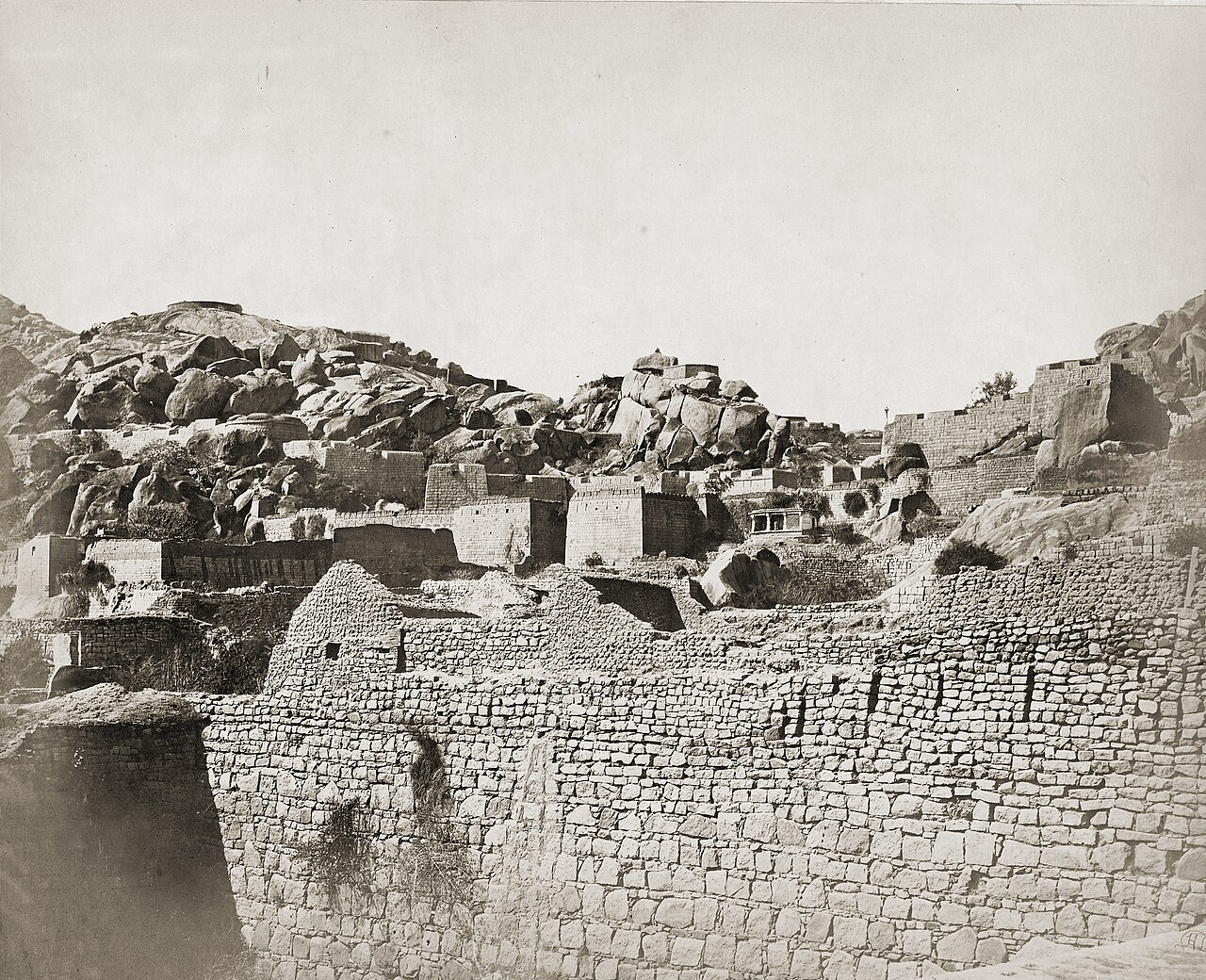
The fort is an example of hill fort architecture typical of the Deccan region, utilizing the natural topography to create a strong defensive position. The fortifications include massive stone walls that follow the contours of the hill, enclosing an extensive area with multiple levels of defense.
Key architectural elements include:
- Ramparts and bastions: Thick stone walls with bastions at strategic intervals provided vantage points for archers and artillery.
- Gates and entrances: The fort features several fortified gateways designed to control access and slow enemy advances.
- Water management systems: Cisterns and tanks were carved into the rock to collect and store rainwater, essential for sustaining the garrison during sieges.
- Inner citadel: The highest point of the fort housed the citadel, which served as the last line of defense and contained the ruler's quarters and armory.
Despite its ruined state, the fort's layout still reveals a complex design aimed at maximizing defense and sustainability in a hostile environment.
Current condition and preservation efforts
Today, Gooty Fort stands as ruins, with many of its structures partially collapsed due to centuries of neglect and natural erosion. The fort's stone walls, gateways, and some bastions remain visible, offering visitors a glimpse into its past grandeur.
The Archaeological Survey of India has undertaken measures to preserve the site as a protected monument. Efforts focus on stabilizing remaining structures and preventing further deterioration. However, the fort is largely an archaeological site requiring careful conservation to maintain its historical fabric.
Visiting information and cultural importance
The fort is accessible to visitors who can explore its extensive ruins and enjoy panoramic views of the surrounding landscape. It attracts history enthusiasts, researchers, and tourists interested in medieval Indian forts and architecture.
Gooty Fort holds cultural significance as a symbol of the region's rich historical heritage and military past. It serves as a reminder of the strategic importance of hill forts in India's history and the architectural ingenuity of its builders.
Frequently asked questions (FAQ)
- What is the historical significance of Gooty Fort?
- Gooty Fort, also known as Gooty Rock, has a rich history dating back to the 5th century, serving as a strategic military outpost for various empires, including the Chalukyas and the Vijayanagara Empire. Its impressive architecture and commanding position on a hilltop made it a vital stronghold in southern India.
- When is the best time to visit Gooty Fort?
- The ideal time to visit Gooty Fort is from October to March when the weather is pleasant and suitable for exploring the fort and its surroundings. During these months, temperatures are mild, and visitors can enjoy the panoramic views without discomfort from the heat.
- Is it possible to access all areas of Gooty Fort?
- Yes, visitors can access most areas of Gooty Fort, including its main structures and panoramic viewpoints. However, some sections may require a moderate level of fitness due to the steep climbs and uneven pathways.
- What are the opening hours for Gooty Fort?
- Gooty Fort is generally open to visitors from sunrise to sunset, allowing ample time to explore the site. It is advisable to visit early in the day to avoid the midday heat and enjoy the stunning views at sunrise.
- Can I find nearby attractions when visiting Gooty Fort?
- Yes, there are several nearby attractions worth exploring, including the ancient temples and ruins in the Gooty area and the scenic landscapes of the surrounding hills. Additionally, the town of Gooty offers local markets and eateries to enhance your visit.
- What are the ticket prices for Gooty Fort?
- Gooty Fort does not have an entry fee, making it accessible for all visitors. However, it’s always good to check for any updates or guided tour options that may have associated costs.
- How do I get to Gooty Fort?
- Gooty Fort is easily accessible by road and rail, located approximately 35 kilometers from the city of Anantapur. The nearest railway station is Gooty Junction, and local transportation options like taxis and auto-rickshaws are readily available to reach the fort.
Photo gallery

Information
Current owner
Archaeological Survey of India
Loading map...
Visitor reviews
No reviews yet. Been here? Write the first review and help other travelers!
Write the first reviewVisited this castle? Share your experience
Your review helps other travelers and adds first-hand knowledge to our encyclopedia.